
Framed Paper Etching
These framed paper etching works bring centuries of printed artistry to the wall, offering collectors historic portraits, landscapes, and wildlife scenes preserved behind glass.
Framed Paper Etching
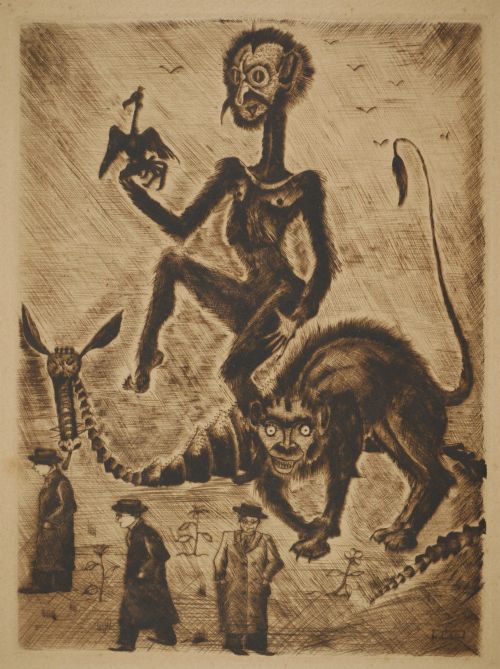
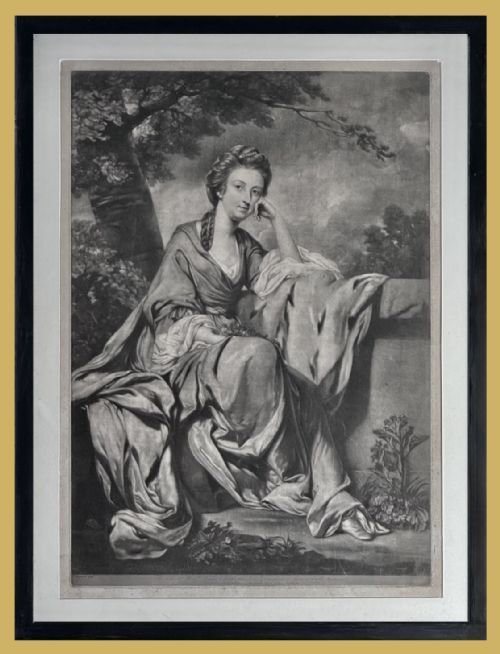
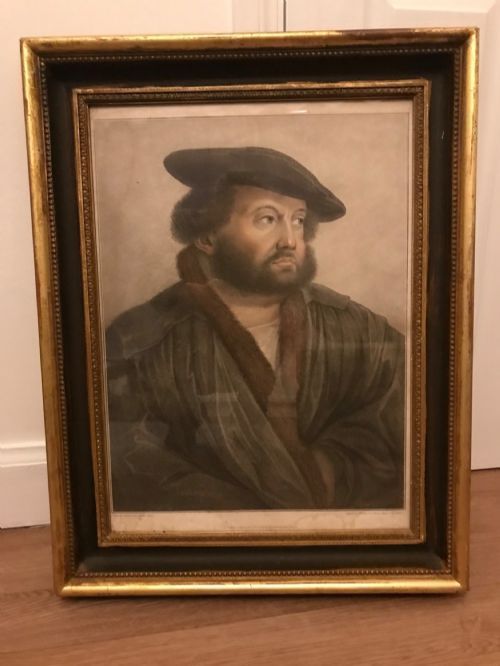
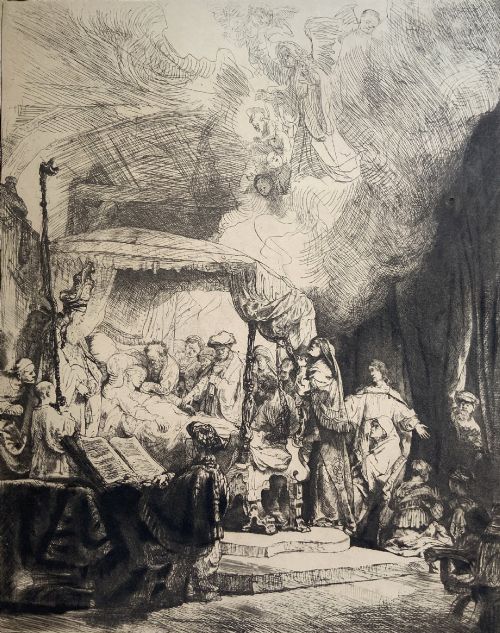
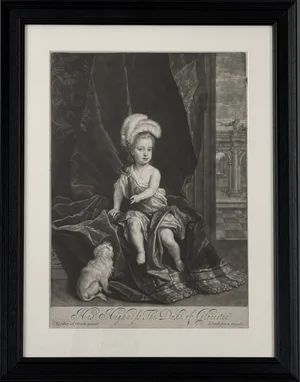
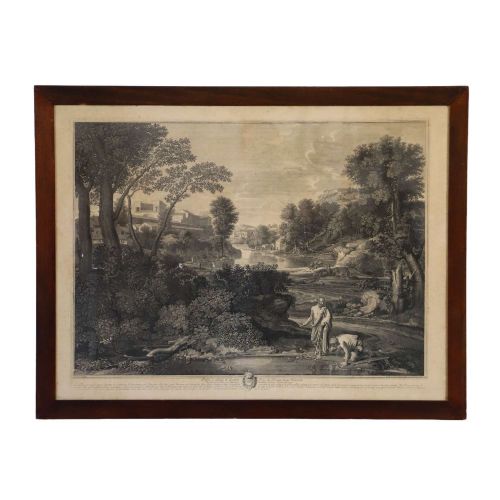
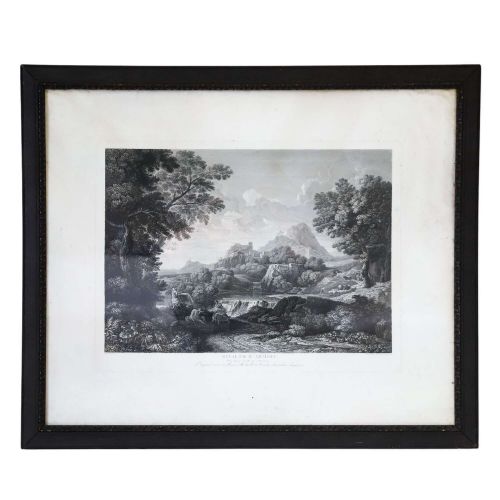
A framed paper etching piece consists of an inked impression pulled from a metal plate, set inside a protective wooden or gilt frame behind glass. These works span from the seventeenth century through the early twentieth century, encompassing both intimate animal studies and grand historical portraits.
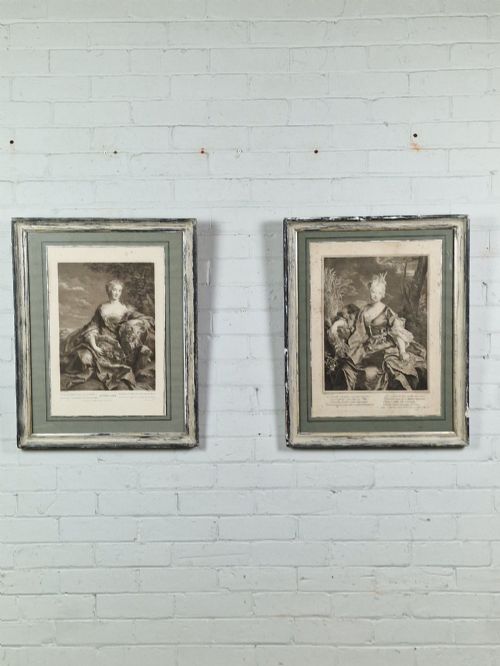
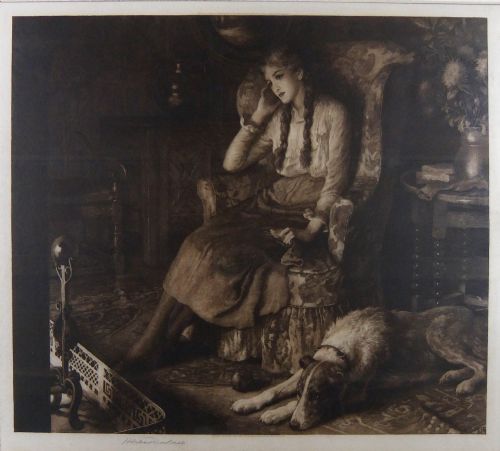
Buyers frequently encounter nineteenth and early twentieth century examples alongside eighteenth century French engravings and Georgian prints. The selection includes signed artist proofs alongside traditional mezzotints and stipple engravings.
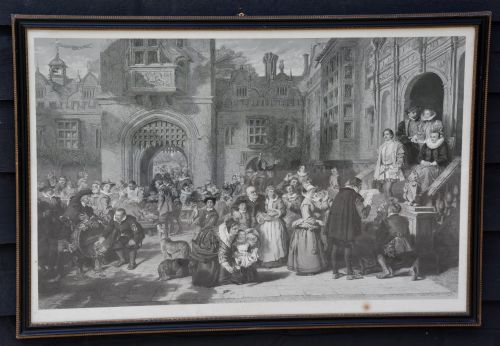
The physical form combines delicate paper substrates with robust period framing, often retaining original Hogarth frames or contemporary wooden surrounds. Each piece captures fine linework developed through chemical biting or direct drypoint incision upon the plate.
How they were made
Makers utilised copper or zinc plates, coating them with an acid-resistant ground before drawing through the surface with a sharp needle. Acid then bit the exposed lines into the metal, creating depressions that held printer's ink.
Artisans applied ink to the plate by hand, wiped the smooth surface clean, and transferred the image onto damp paper using a rolling press. Many examples received subsequent watercolour washes or hand-tinting directly onto the printed paper.
Framed Paper Etching Retail Price Guide 2026
Typical asking prices for framed paper etching among the pieces listed under this phrase on Sellingantiques today, from the lower quarter to the upper quarter. They describe what is for sale here now, not the wider market.
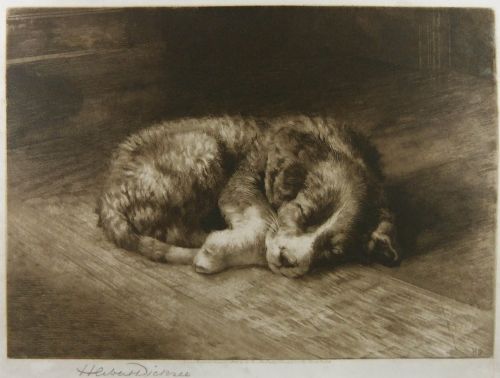
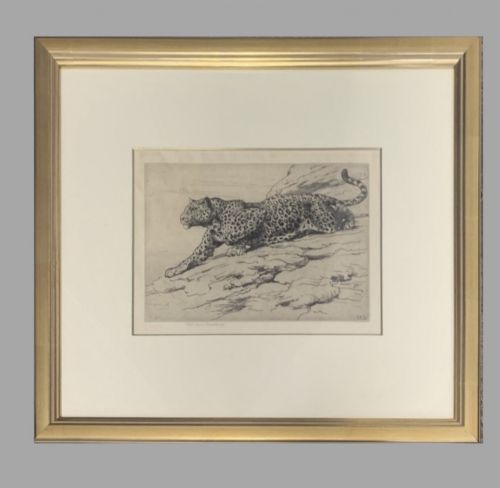
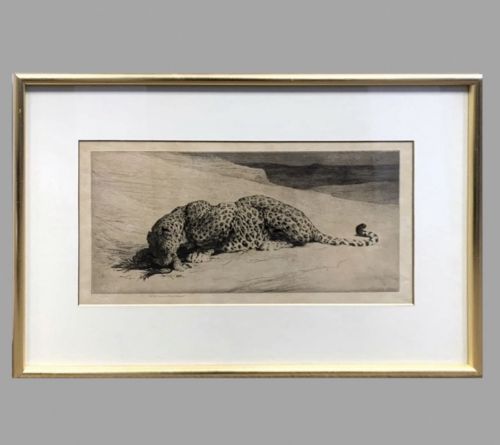
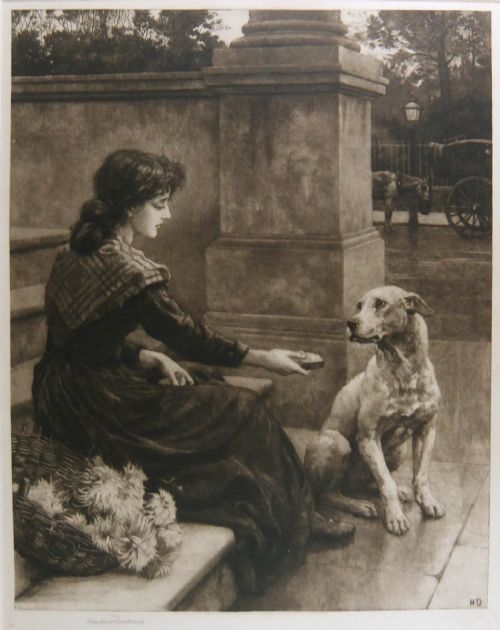
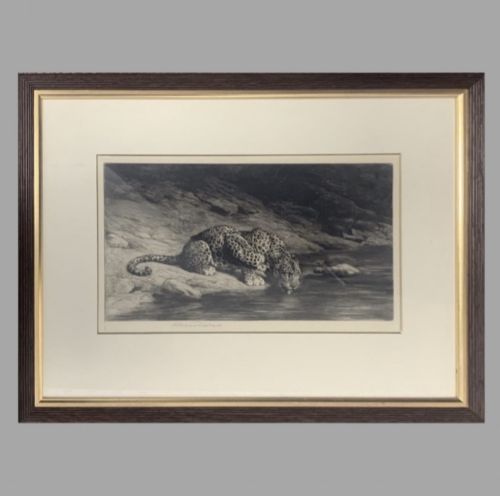
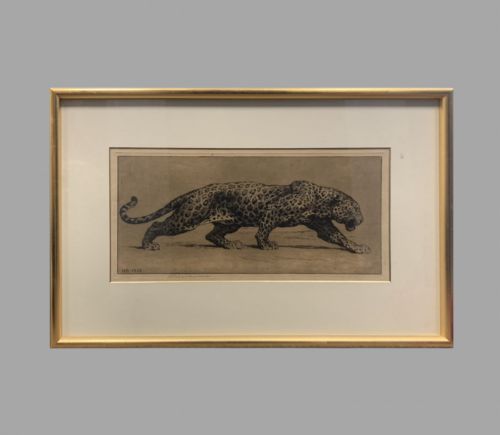
Several Victorian and Edwardian works capture the intense gaze of bulldogs, leopards, and sea-weeding locals rather than human subjects.
What varies in quality
Impression strength dictates the visual depth of the design, separating crisp early pulls from worn later strikes where the delicate lines soften. The survival of crisp ink density across fine details remains a primary measure of distinction.
The integrity of the original paper and the presence of period framing contribute significantly to the character of each piece. Retaining signed artist proofs or contemporary frames enhances the documentary weight of the artwork.
Kurt Lorein Victor Peiser·Edward Fisher·Francesco Bartolozzi·Herbert Dicksee·Amand-Durand·John Smith·Étienne Baudet·Louis Icart·James Dobie·Claes Jansz Visscher
The Framed Paper Etching Glossary
- Etching
- A printmaking method where acid bites lines into a metal plate covered with an acid-resistant ground. This chemical process allows for fluid, expressive linework.
- Mezzotint
- A tonal printmaking technique where the metal plate is roughened uniformly to produce rich dark areas and subtle gradations of light. It avoids traditional line work entirely.
- Drypoint
- A technique where the artist scratches directly into the metal plate with a sharp needle, raising a burr that creates a soft, velvety line when inked. This method yields fewer crisp impressions due to rapid plate wear.
- Stipple engraving
- A method of creating images using dots rather than continuous lines, often combined with etching to achieve gentle tonal transitions.
- Artist proof
- A trial impression pulled before the main edition is printed, frequently signed by the creator in pencil. These carry specific association with the maker's personal approval.
Framed Paper Etching: Frequently Asked Questions
How do I care for framed paper etchings?
Keep these works away from direct sunlight to prevent the paper from yellowing and the ink or watercolour pigments from fading.
Maintain stable indoor humidity levels to protect both the historic paper and the wooden frames from warping or damp damage.
Are these pieces original historic works?
The inventory comprises original period printings, ranging from seventeenth-century impressions to early twentieth-century signed artist proofs.
Each listing records the specific era and production technique associated with the item.
What is a signed artist proof?
An artist proof is an impression printed specifically for the creator before the main commercial edition runs.
Signatures in pencil beneath the image confirm the maker personally inspected and approved the impression.
How are these prints usually framed?
Many examples are presented in period surrounds, including traditional black wooden Hogarth frames and gilt wood mouldings.
The glass protects the fragile paper surface from atmospheric dust and physical contact.