

Framed French Artwork
When you search for framed french artwork, you step into centuries of portraiture, landscapes, and engravings housed in wood and gilt frames.
Framed French Artwork
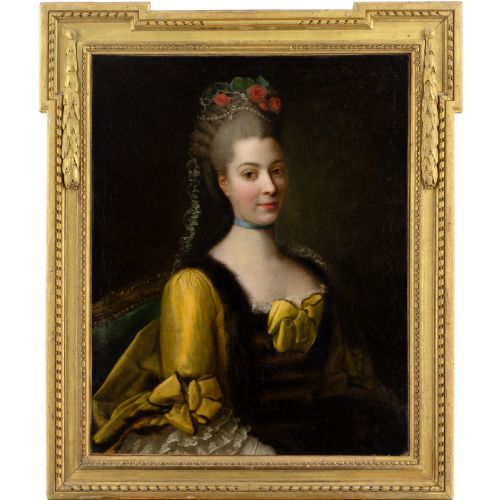
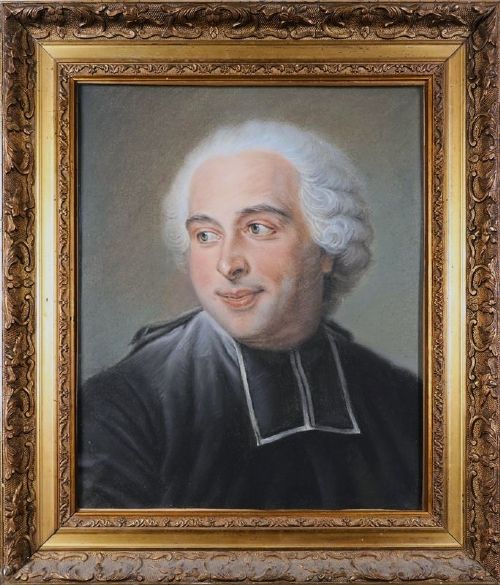
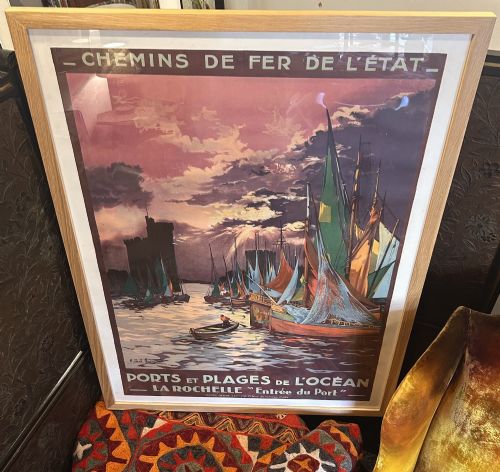
When you search for framed french artwork, you encounter everything from seventeenth-century portraits of judges to twentieth-century railway posters and lithographs. The selection spans oil on canvas, pastels on paper, and prints on silk, reflecting diverse traditions across French schools.
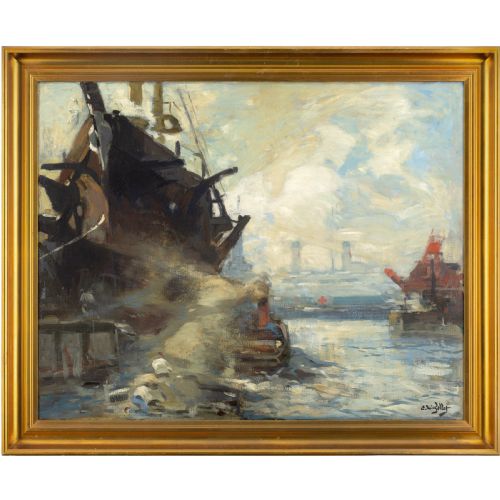
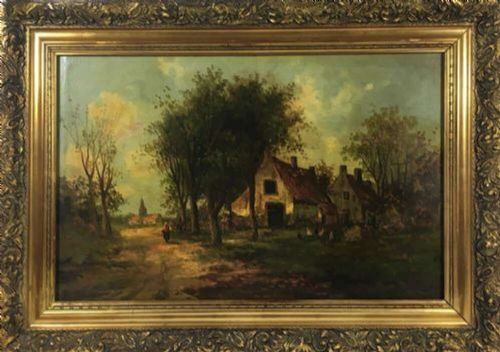
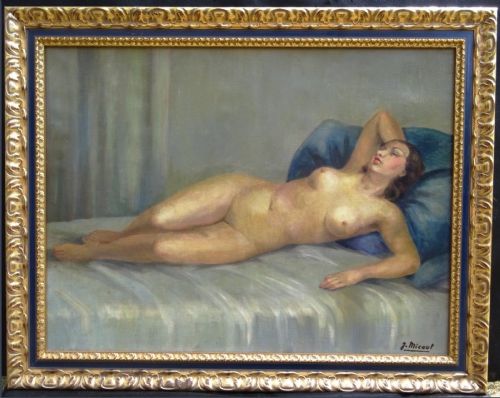
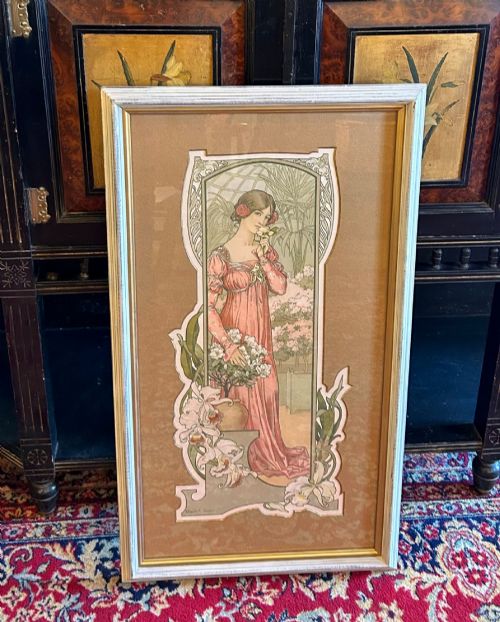
Most pieces you meet on this page belong to the nineteenth century, ranging from academic portraits to Barbizon school landscapes and post-impressionist scenes. Oil paintings dominate the selection, accompanied by period engravings, lithographs, and advertising prints.
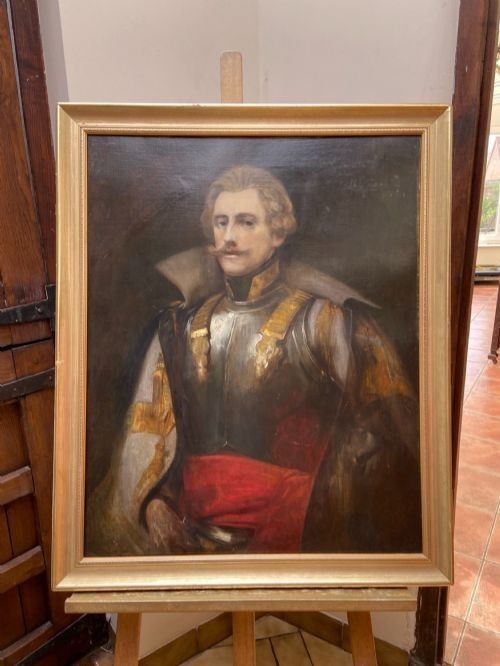
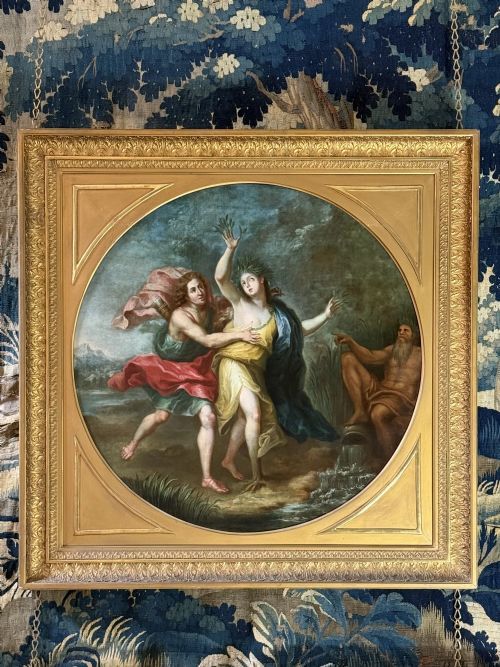
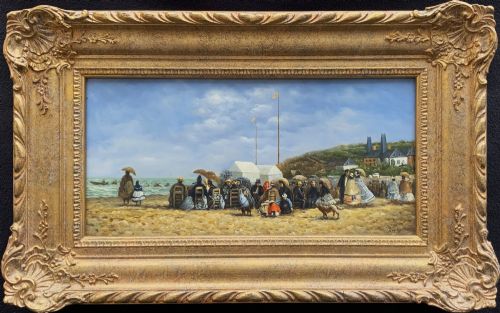
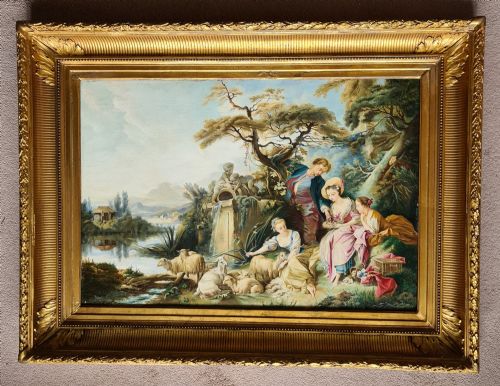
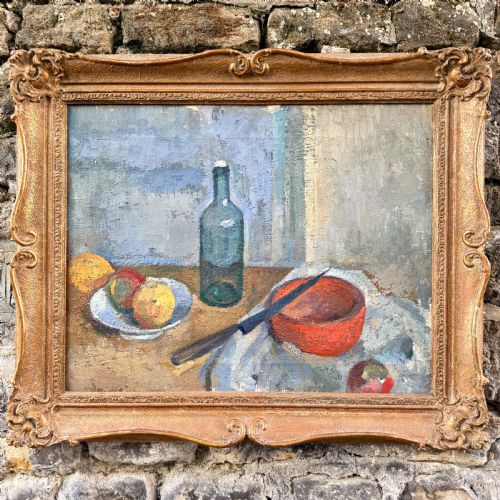
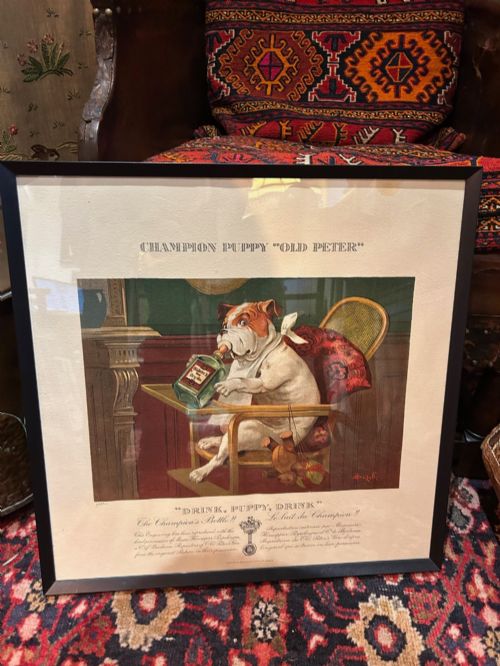
Subjects stretch from classical mythology and military officers to domestic animals, seaside gatherings, and cityscapes. Each piece arrives within a period frame, typically constructed from wood or ornamented with gold leaf and gilt wood.
How they were made
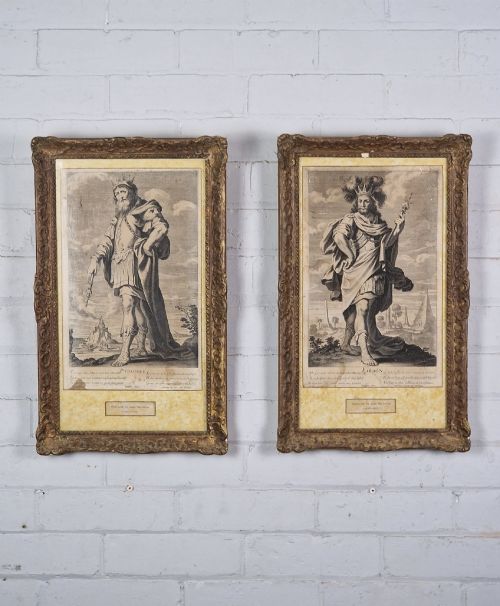
Makers built these pieces using oil paint on canvas or paper supports, alongside lithography and engraving techniques on paper and silk. Artists applied pigments with brushes or pastel chalks, creating layered compositions that captured light and texture.
Frames rely on timber structures, frequently finished with carved gilt wood or applied gold leaf to accentuate the artwork within. Joinery and moulding methods reflect the specific decorative styles of the seventeenth, eighteenth, nineteenth, and twentieth centuries.
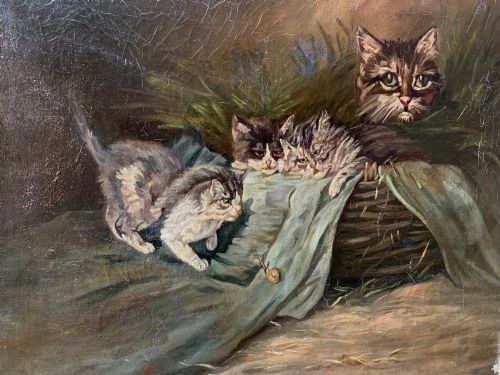
Cats and kittens sneak into nineteenth-century school paintings right alongside military officers and judges.
What varies in quality
Quality rests upon the execution of the brushwork, the nuance of the palette, and the fidelity of the portraiture or perspective. Master painters command greater anatomical precision, depth of character, and compositional balance than provincial peers.
The integrity and period compatibility of the frame play a defining role, as original gilt wood mouldings enhance the historical weight of the canvas or paper they enclose. Condition of the underlying pigment or paper support, free from heavy restoration, completes the distinction.
Charles Antoine Coypel·Maurice Quentin de la Tour·Georges de La Tour·Francois Boucher·Eugène Louis Gillot·Elisabeth Sonrel·Marcellin Auzolle·Edouard Pingret·Arthur Gué·Marc Chagall·Paul Bret·Jean Gabriel Domergue·Adelaïde Salles Wagner·Hyacinthe Colin de Vermont·Guillaume Courtois·Henri Ottmann·Henri Charles Angéniol·Charles Euphraisie Kuasseg
The Framed French Artwork Glossary
- Gilt wood
- Wood carved and coated with a thin layer of gold leaf or metallic powder. This finish creates a reflective surface common on antique frames.
- Lithograph
- A print made from a design drawn on limestone or a metal plate with a greasy crayon. The process allows for multiple impressions on paper.
- Barbizon School
- A mid-nineteenth-century French art movement focused on naturalistic landscape painting. Artists painted directly from nature in the forest of Fontainebleau.
- Engraving
- An intaglio printmaking technique where an artist cuts lines into a metal plate to hold ink. Under pressure, the ink transfers to paper.
- Oil on Canvas
- Pigment suspended in drying oils applied to a woven fabric support. This medium permits rich blending and texture.
Framed French Artwork: Frequently Asked Questions
What periods do these pieces cover?
The selection spans from the seventeenth century through the eighteenth and nineteenth centuries, extending into the twentieth century up to the 1960s.
You encounter works representing French Baroque, Rococo, Art Deco, and post-impressionist movements.
Are the frames original to the artwork?
Many pieces retain their period frames, such as nineteenth-century gilt wood surrounds that match the era of the painting or print.
Some works feature vintage or period-appropriate frames selected to complement the specific canvas, engraving, or lithograph.
What subjects are most common?
Portraits form a significant portion of the selection, depicting officers, judges, ladies, and children alongside historical and mythological figures.
Landscapes, cityscapes, farmyards, and still life scenes also appear frequently across oils, pastels, and prints.
How should I care for framed paper pieces?
Works on paper, including lithographs, pastels, and engravings, require protection from direct sunlight to prevent fading of the pigments.
Keeping them in stable environmental conditions away from excessive moisture preserves both the paper support and the surrounding frame.