


French Modernist Artwork
French modernist artwork brings together vibrant canvases and expressive works on paper from the early decades of the twentieth century.
French Modernist Artwork
French modernist artwork encompasses original paintings, drawings, and prints spanning the 1920s to the 1960s. These pieces capture shifting artistic movements through domestic interiors, figurative studies, and landscapes.
Most examples originate from the mid-century decades, reflecting the enduring influence of avant-garde circles in Paris and the provinces.
How They Were Made
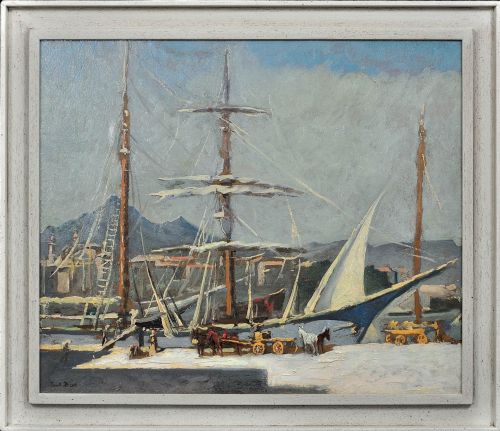
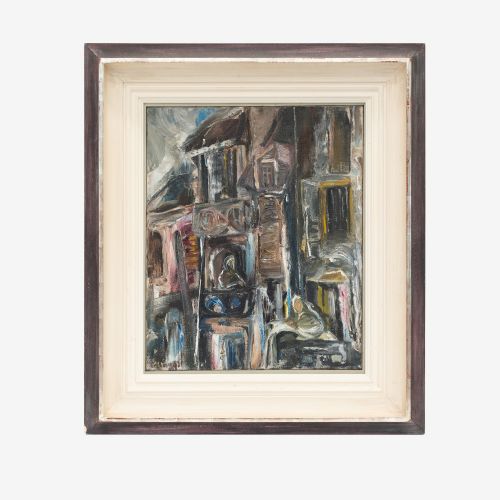
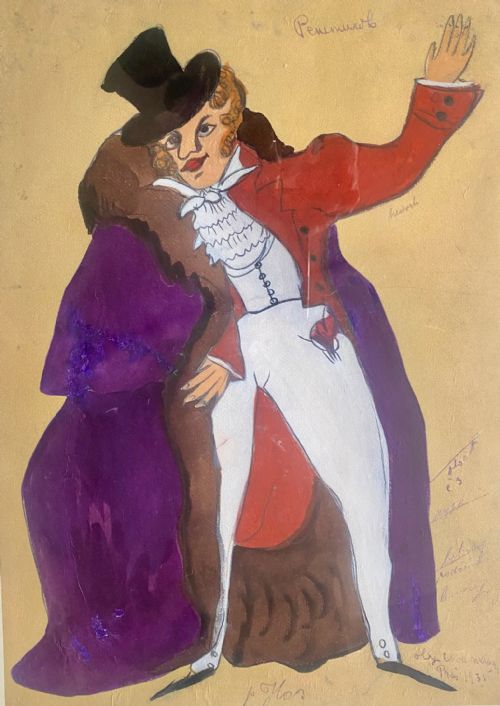
Artists worked predominantly with oil paint on canvas or board, applying pigment to build texture and form. Gouache and ink on paper were also utilised widely for dynamic, direct compositions.
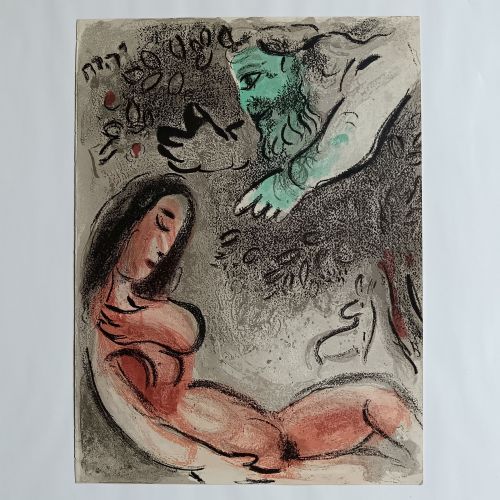
Support materials include canvas, paper, glass, and wood panels, often framed to preserve the delicate mediums. Lithography and print techniques capture the graphic output of the period.
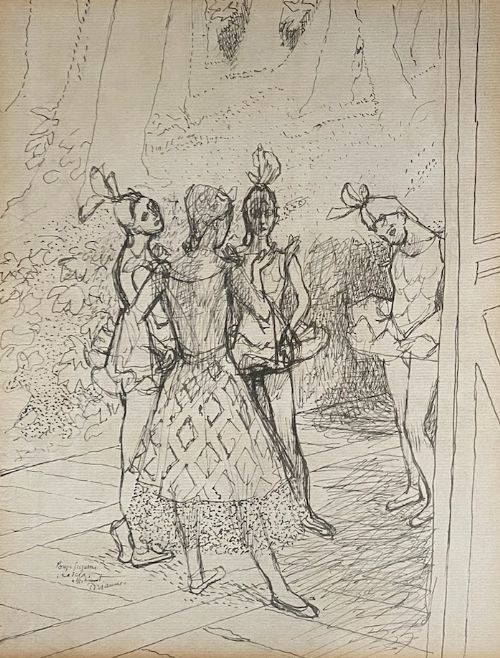
Several artists captured theatrical dancers backstage and theatrical performers, immortalising the vibrant nightlife of mid-century Europe.
What Varies in Quality
Compositional strength and the surety of the line separate compelling pieces from routine examples. Works that demonstrate a confident handling of colour and form stand apart.
Historical association with known avant-garde movements or documented exhibitions elevates individual pieces. The clarity of the artist's vision and the preservation of the original medium dictate overall merit.
Marc Chagall·Maurice Brianchon·Lilian Colbourn·Lucien Gibert·Gabriel Dauchot·Demetrios Galanis·Pinchus Kremegne·Andre Delfau·Yves Brayer·Kees van Dongen
The French Modernist Artwork Glossary
- Gouache
- An opaque water-based paint that dries to a matte finish, allowing for vibrant colour blocks. It is frequently applied on paper or board within modernist works.
- Lithography
- A printing process based on the repulsion of oil and water, used to produce multiple original impressions. Master printers often collaborated directly with artists to create these editions.
- Cubism
- An early twentieth-century avant-garde movement that revolutionized European painting by breaking subjects down into geometric planes. Artists fragmented traditional perspective to show multiple viewpoints simultaneously.
- Provenance
- The documented history of ownership of an artwork, tracing its path from the creator to the present day. Strong provenance provides verification of authenticity and period context.
French Modernist Artwork: Frequently Asked Questions
What defines French modernist artwork from the 1920s?
Artworks from this decade often embrace early avant-garde developments such as cubism and fauvism. Artists experimented with simplified forms, bold brushwork, and non-naturalistic colour palettes.
Subjects ranged from bohemian street scenes to intimate nudes and structured still lifes, reflecting a deliberate break from traditional academic realism.
How do I care for works on paper?
Works on paper, including gouache, ink, and lithographs, require protection from direct sunlight to prevent fading. Framing with acid-free mounts and UV-filtering glass ensures longevity.
Keeping them away from high humidity areas prevents warping and foxing on the paper support.
Are oil paintings on canvas heavily restored?
Many mid-century canvases retain their original stretchers and surface conditions with minimal intervention. Minor surface cleaning is common, but original pigment and texture remain intact.
Reviewing the physical state helps determine how well the canvas has survived over the decades.
How do I identify a mid-century gouache?
Gouache on paper exhibits a flat, dense opacity that differs from translucent watercolour. Brushstrokes remain visible, showing rapid and confident application by the artist.
The paper support often shows age toning appropriate to the mid-century period.