


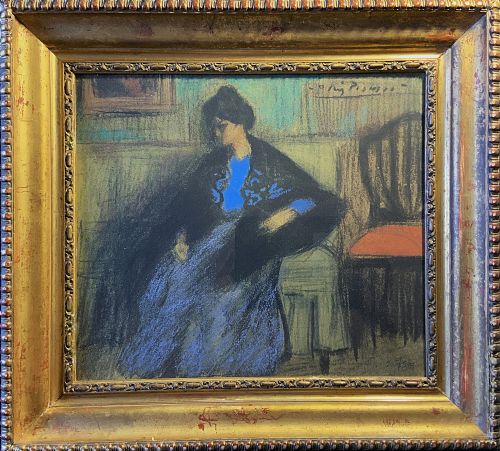
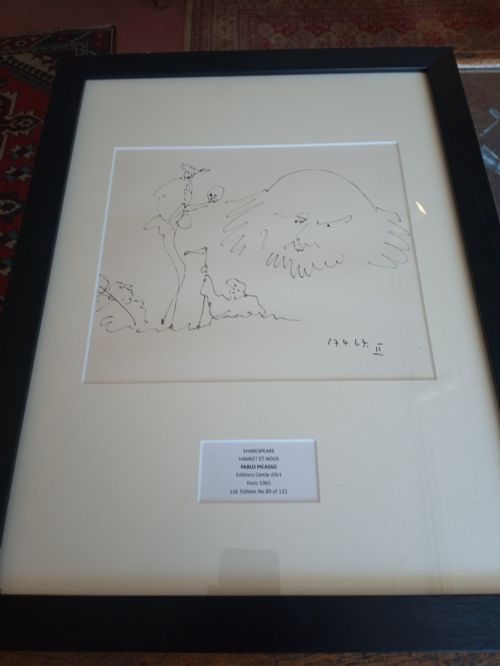


Mid Century Lithograph
Mid century lithograph works bring bold modernism and mid-century modernism into a room through ink on paper.
Mid Century Lithograph
When you search for a mid century lithograph, you encounter framed art prints, fine art prints, and posters dating from the nineteen-fifties, nineteen-sixties, and the early twentieth century. These works span mid-century modernism, modernism, twentieth century realism, and fauvism, capturing the aesthetic spirit of their respective decades.
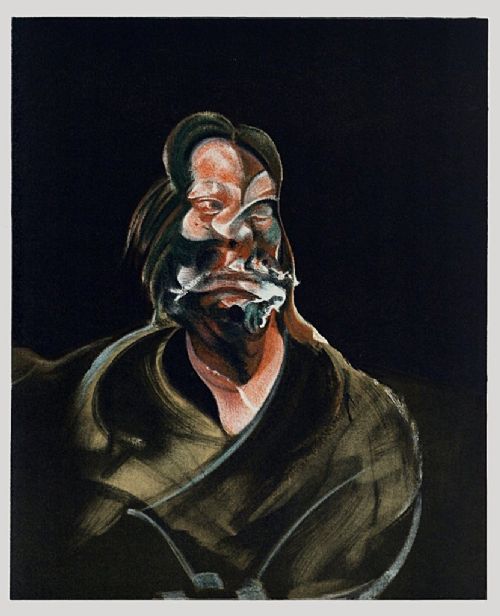
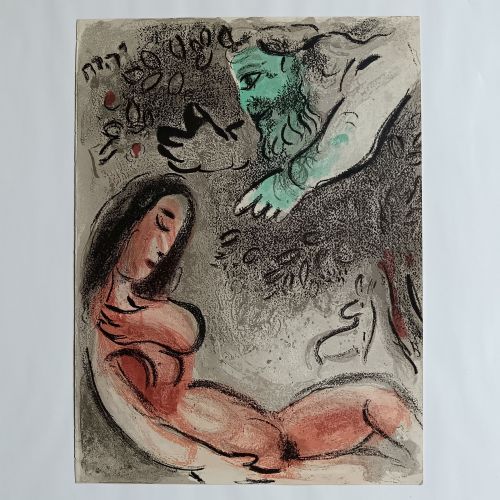
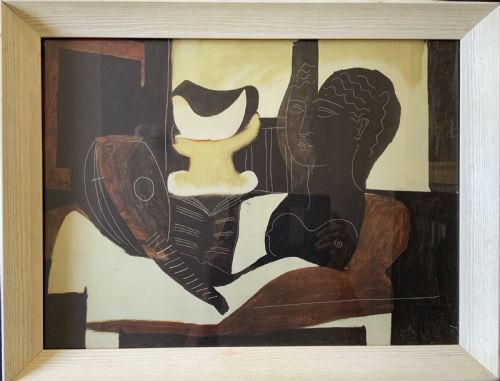
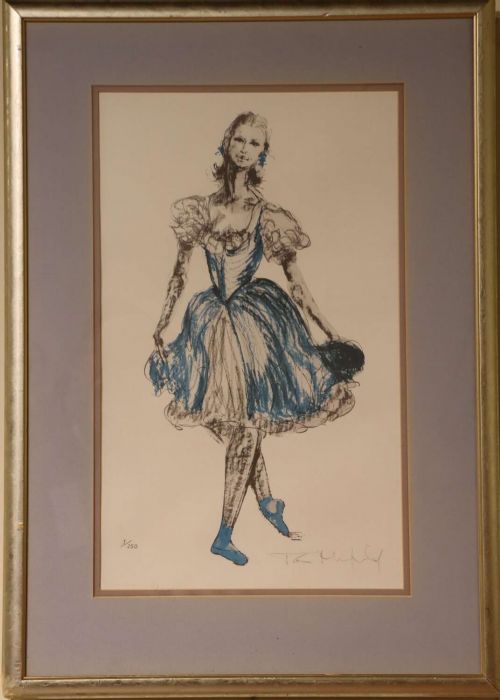
The pieces on this page appear in various forms, including framed art prints, art prints, wall art, and posters. You meet subjects ranging from portraits and ballet dancers to abstract compositions, hot air balloons, and coastal scenes.
Origins and periods represented here extend from the nineteen-twenties through nineteen-sixty and later, reflecting distinct printmaking outputs of those eras. The majority present framed presentations utilising paper, ink, and glass.
How mid century lithograph pieces were made
Makers produced these works using lithographic ink applied to paper surfaces, occasionally combining techniques such as pochoir printing alongside standard lithography. The reliance on ink and paper forms the foundational method across the twentieth-century examples.
Framing materials complete the construction, featuring wood, gilt wood, and giltwood structures paired with protective glass. These frames secure the paper prints while adding structural depth to the wall art.
Mid Century Lithograph Retail Price Guide 2026
Typical asking prices for mid century lithograph among the pieces listed under this phrase on Sellingantiques today, from the lower quarter to the upper quarter. They describe what is for sale here now, not the wider market.
Hot air balloons float alongside ballet dancers and abstract portraits, proving twentieth-century printmakers kept their feet firmly off the ground.
What varies in quality
The distinction between standard prints and premier examples rests upon the printing execution, the prominence of the artist, and the presence of limited edition documentation. Works associated with notable figures or printed by established workshops demonstrate superior ink retention and paper stability.
The quality of the framing also influences the piece, with period wooden and giltwood frames offering different levels of preservation and aesthetic integration compared to simple modern mounts.
Donald Grant·Francis Bacon·Marc Chagall·John Meredith·Pablo Picasso·John Merrifield·Matisse·Arthur F. Tait
The Mid Century Lithograph Glossary
- Lithograph
- A print produced by printing from a flat stone or metal plate treated so that ink adheres only to the design. This planographic method enables rich tonal gradation and precise line work on paper.
- Pochoir
- A stencil-based printing process used to apply hand-coloured details in layers. This technique results in vibrant, saturated colours distinct from standard flat ink printing.
- Giltwood
- Wood that has been coated with gold leaf or a gold-coloured gilt finish. It frequently surrounds mid-century frames to provide an ornate metallic border.
- Mid-Century Modernism
- A design movement spanning the middle decades of the twentieth century characterised by clean lines and abstract forms. Prints from this period reflect these stylistic priorities in their composition.
Mid Century Lithograph: Frequently Asked Questions
What is a mid century lithograph?
A mid century lithograph is a print created on paper using lithographic ink during the middle decades of the twentieth century.
These pieces encompass styles such as mid-century modernism and twentieth century realism, appearing primarily as framed wall art.
How should I hang a framed lithograph?
Hang your framed lithograph away from direct sunlight to protect the paper and lithographic ink from fading over time.
Ensure the wall mounting securely supports the weight of the wood or giltwood frame and glass.
How do I identify a limited edition print?
Look for pencil signatures, numbering sequences, or publisher stamps on the margin of the paper.
These markings indicate that production was restricted to a specific number of impressions.
What materials make up these frames?
The frames protecting these paper prints are constructed from wood, gilt wood, or giltwood.
Glass fronts are standard across the pieces to shield the ink and paper from dust and environmental moisture.