


Framed Paper Art Prints
Framed paper art prints bring historic portraits, classical engravings and vintage posters into domestic spaces under protective glass and wood.
Framed Paper Art Prints
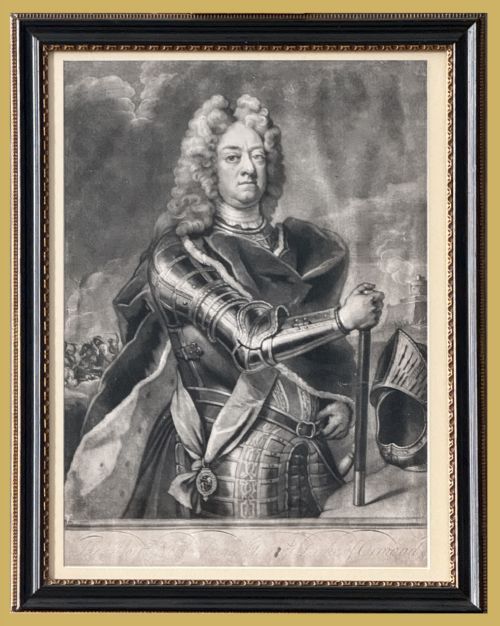
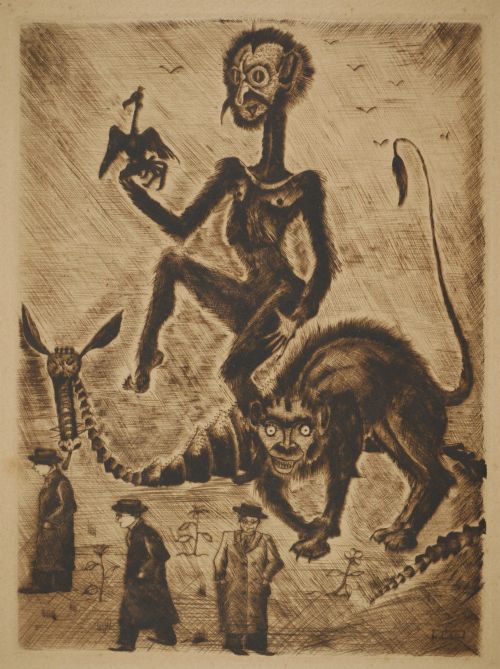
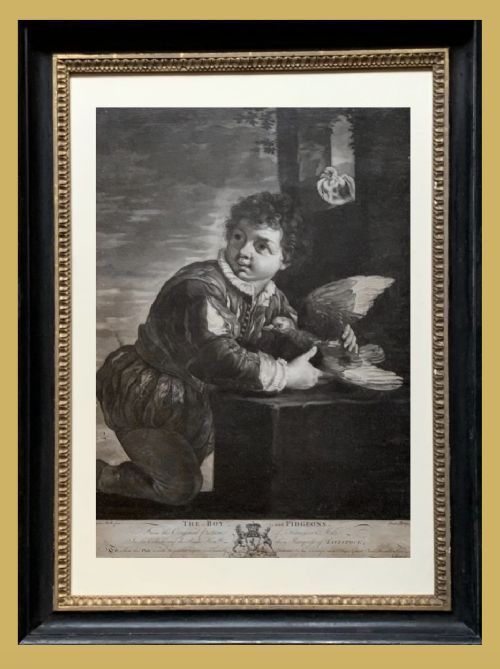
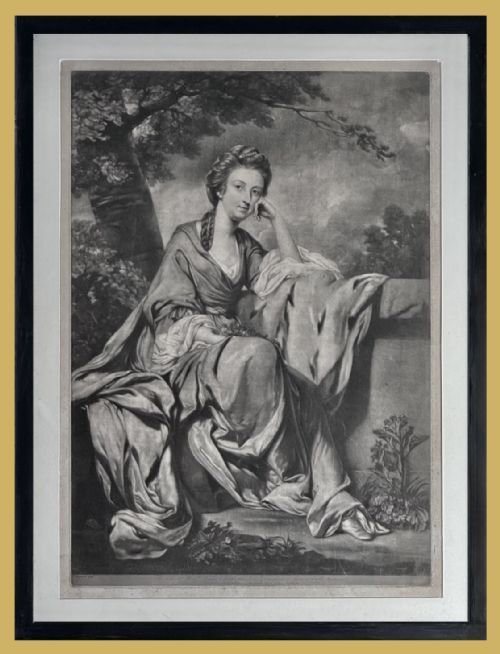
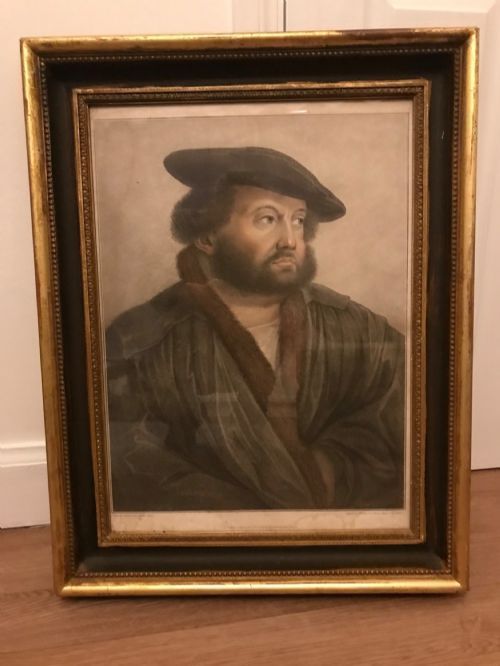
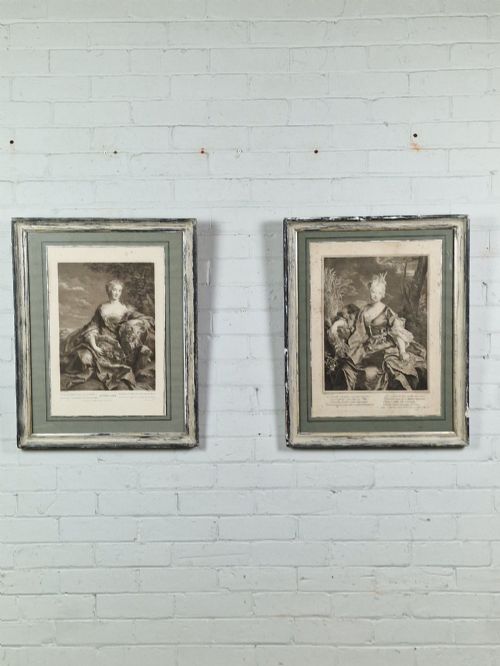
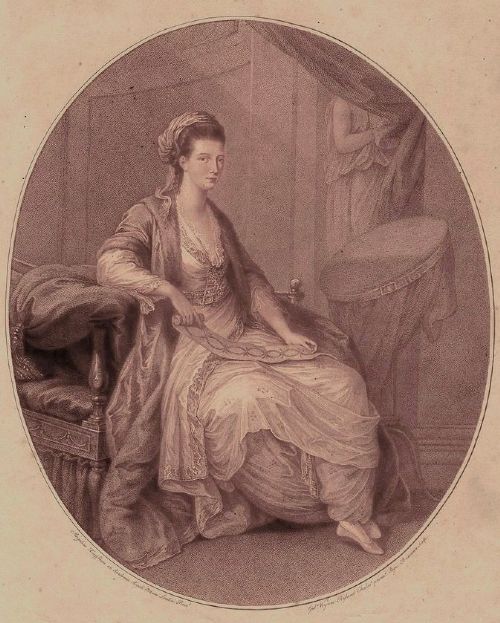
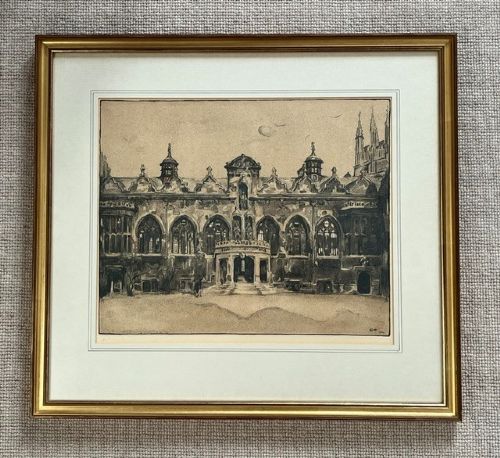
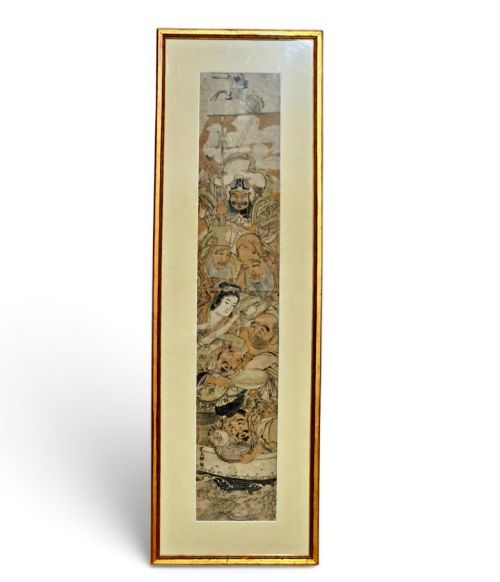
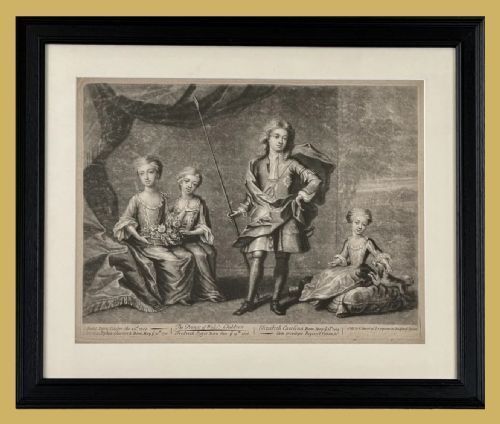
Buyers seeking framed paper art prints encounter a diverse inventory spanning from the seventeenth century through to the mid twentieth century. The selection encompasses portrait mezzotints, architectural maps, botanical studies, architectural engravings and original colour lithographs.
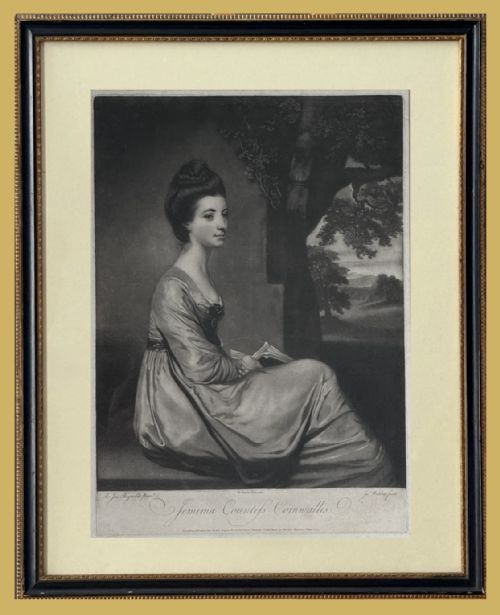
Portraits of historical figures engraved by masters such as John Smith or Valentin Green frequently appear alongside French railway posters, etching studies and theatrical advertising sheets. These works arrive preserved behind glass within period timber mouldings, oak frames or giltwood borders.
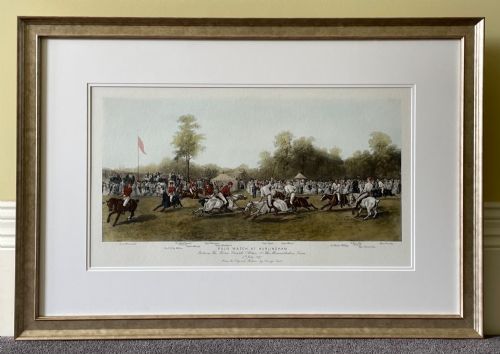
The aesthetic leans heavily toward Georgian elegance, Victorian narrative scenes, Baroque portraiture and Art Deco graphic design. Pieces range from intimate hand-coloured watercolours to large scale topographical cartography by notable Dutch makers.
Materials and production methods
The physical works utilise traditional paper substrates inscribed with ink, watercolour, or pastel pigments, alongside complex printmaking techniques including mezzotint, stipple engraving, etching and lithography. Master engravers worked copper or steel plates before transferring images onto rag paper, occasionally applying hand-colouring or gold leaf highlights.
Enclosing these fragile works required protective glass glazing held within custom wooden surrounds. Carpenters and framers constructed housings from oak, giltwood and moulded timber, sometimes housing prints in original Hogarth frames designed to secure the sheet from atmospheric degradation.
Listings feature paper art prints spanning eight distinct centuries, incorporating materials such as gold leaf, watercolour, ink and rag paper.
Distinctions in quality
The standing of an individual piece relies heavily upon the reputation of the original artist, the skill of the printmaker who scraped the copper plate or pulled the lithographic stone, and the historical significance of the subject portrayed. Early impressions pulled directly from the plate carry sharper line definition and deeper tonal contrast than later re-strikes.
Condition of the paper sheet and preservation of the original framing elements dictate desirability among collectors. Intact margins on seventeenth and eighteenth century engravings, alongside original period frames without modern reconstruction, elevate the standing of the work significantly.
John Smith·Valentine Green·Francesco Bartolozzi·Edward Fisher·Marc Chagall
The Framed Paper Art Prints Glossary
- Mezzotint
- A printmaking process of the intaglio family where the copper plate is roughened uniformly to produce rich dark tones and subtle gradients. Master printmakers scrape away areas to create illuminated highlights.
- Stipple engraving
- A technique using dots of varying density and size to create tonal gradations rather than continuous lines. This method excelled at rendering soft flesh tones in portraiture.
- Lithograph
- A planographic printing method based on the repulsion of oil and water using a flat limestone or metal plate. Artists draw directly onto the stone to achieve painterly results.
- Cartography
- The science and art of making maps, represented here through antique engraved county maps framed for wall display. These often feature decorative cartouches and hand-coloured borders.
- Giltwood
- Timber carved and coated with a thin layer of gold leaf or gold paint. It provides a bright reflective border frequently utilised on formal portrait frames.
Framed Paper Art Prints: Frequently Asked Questions
How do I care for framed paper art prints?
Keep these works away from direct sunlight to prevent the ink and paper from fading over time. Maintain a stable room temperature to protect the delicate paper fibres and wooden frames from moisture damage.
Ensure the glass is cleaned using gentle methods that do not spray liquid directly onto the frame edge or seep beneath the moulding into the print.
Are these prints original period pieces?
The inventory consists of historic works created during the periods stated in the individual listings, from seventeenth century mezzotints to mid twentieth century lithographs. Each piece reflects the printing technology and artistic styles of its specific era.
Signatures, plate marks and paper characteristics help confirm the age and authenticity of the engraving or lithograph housed within the frame.
How should I hang these framed artworks?
Use secure wall fixings suited to the weight of the timber frame and glass glazing. Hang the pieces at eye level on interior walls where environmental conditions remain relatively stable.
Avoid exterior walls that experience temperature fluctuations or dampness, which can cause the paper substrate to warp or develop foxing spots.
What is the difference between an etching and a mezzotint?
An etching is created by drawing through an acid resistant ground on a metal plate, allowing acid to bite the exposed lines into the copper. The plate is then inked and wiped clean before printing.
A mezzotint works in reverse by roughening the entire plate to hold ink for solid dark areas, then scraping and burnishing the surface to create lighter tones and gradients.