

Edwardian Framed Paper Prints
Edwardian framed paper prints bring character to a wall through period etchings, lithographs and watercolours preserved behind glass.
Edwardian Framed Paper Prints
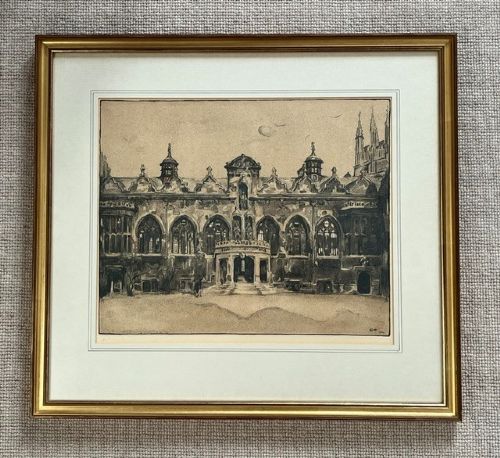
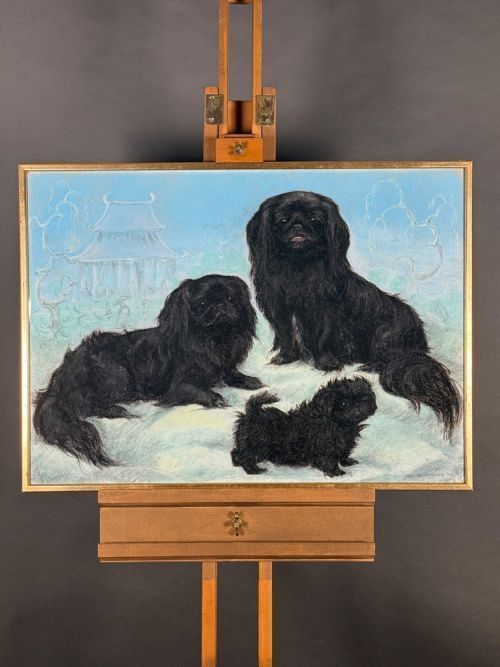
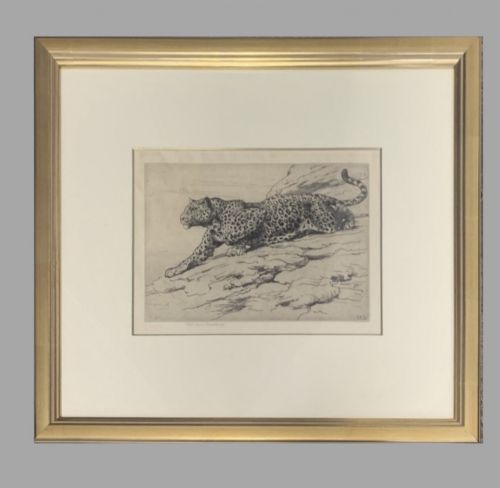
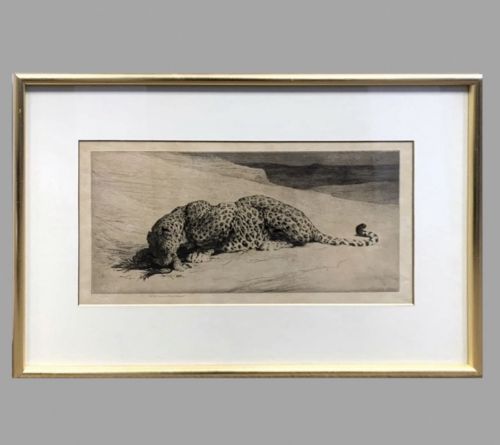
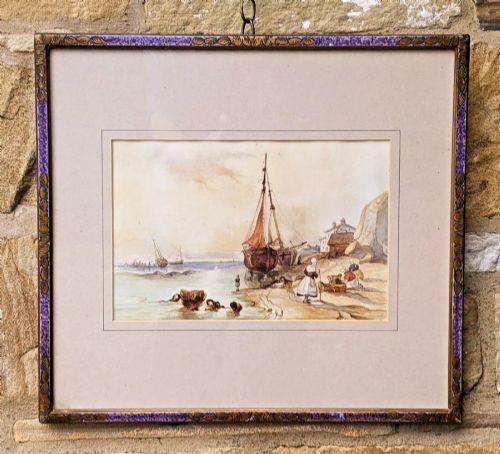
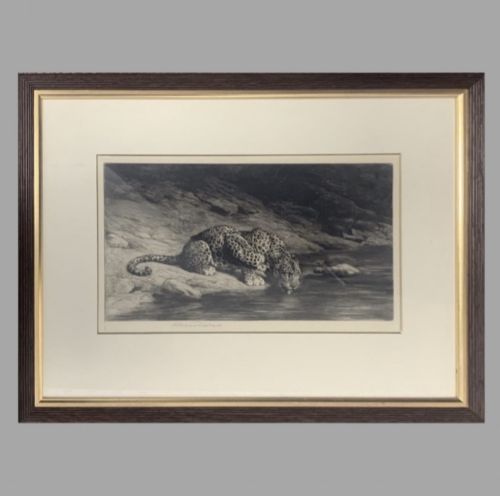
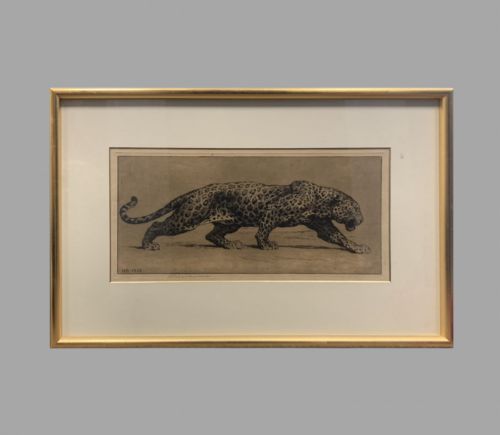
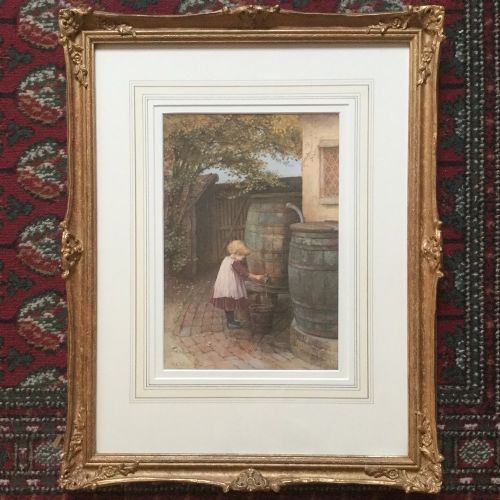
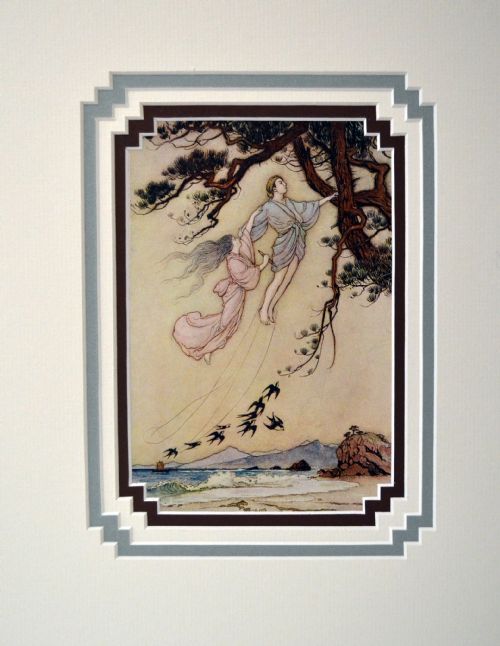
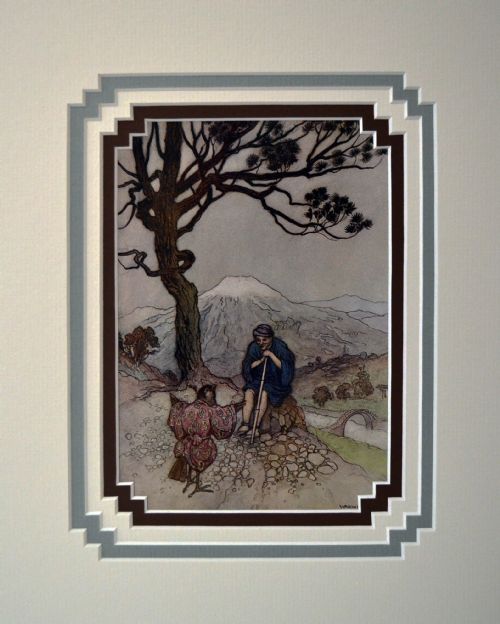
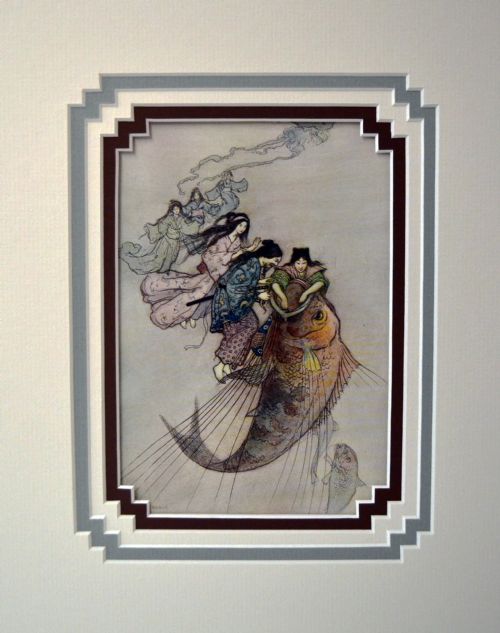
Edwardian framed paper prints encompass a varied selection of wall art, antique prints and etchings produced primarily around the early twentieth century. Buyers seeking edwardian framed paper prints encounter works spanning from Victorian genre art to early twentieth century fine art, alongside watercolours and pastel drawings.
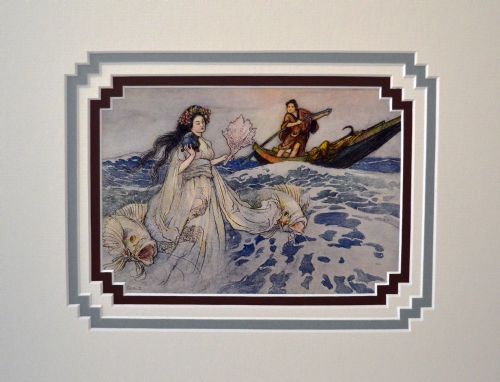
Many examples capture the illustrative styles of the period, including signed artist proof editions and book illustrations. These works reflect the domestic taste of the era through affordable yet accomplished wall decoration.
Materials and Techniques
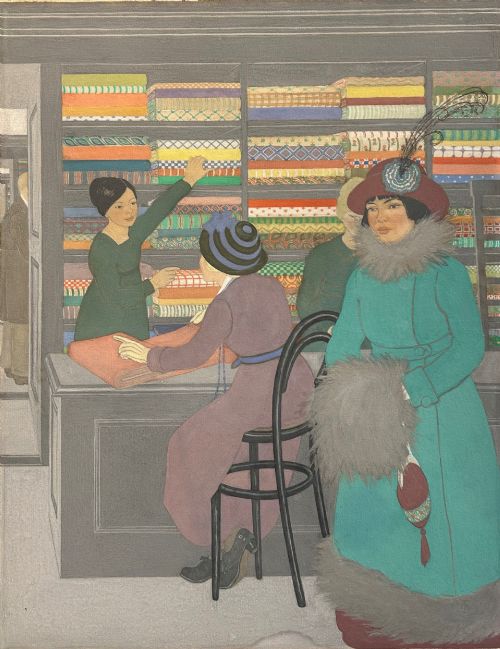
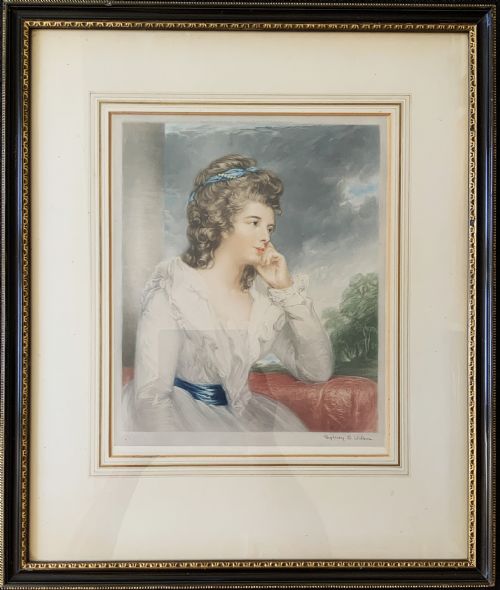
The works utilise paper, card and cardboard as the primary support for ink, watercolour and pastel mediums. Etchings and mezzotint engravings provide textured line work, whilst lithographs and printed fabrics demonstrate the reproductive capabilities of the period.
Frames incorporate wood mouldings paired with glass to protect the delicate paper surfaces from environmental damage. Gold leaf accents sometimes appear within the framing or presentation mounts to enhance the visual depth of the artwork.
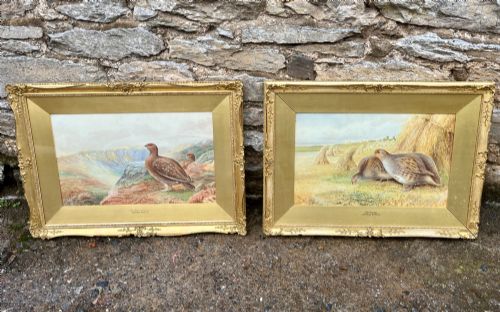
Expect charming period illustrations of Pekingese dogs and game birds alongside serious architectural studies.
Distinctions in Quality
Quality rests significantly on the presence of artist signatures, pencil inscriptions and proof designations that distinguish limited editions from standard commercial impressions. Works bearing direct association to established printmakers and painters command greater attention from collectors.
The condition of the paper surface and the preservation of the original ink or pigment density dictate the visual impact of the piece. Clean margins, crisp plate marks in etchings and stable framing materials elevate the standing of an individual print.
Sir William Nicholson·Herbert Dicksee·Beatrice Saunders·George Rankin·Sydney Wilson·Charles Edward Wilson·Warwick Goble·Louis Wain·James William Booth·Edward Stodart·Augustus Edwin John
The Edwardian Framed Paper Prints Glossary
- Etching
- A printmaking technique where lines are incised into a metal plate with acid before ink is applied and transferred to paper. This method creates fine, detailed lines characteristic of many period works.
- Lithograph
- A planographic printing process based on the repulsion of oil and water, enabling the reproduction of illustrations and paintings. It was widely utilised for artistic prints during the early twentieth century.
- Mezzotint
- A tonal printmaking method of the intaglio family where the surface is roughened to produce rich dark areas and subtle gradations of light. It yields deep, velvety tones particularly suited to portraiture.
- Artist Proof
- A trial impression printed for the artist to review before the main edition is produced. Signed examples carry particular weight among collectors due to their direct connection to the creator.
- Watercolour
- A painting method where water-soluble pigments are suspended in a water-based solution on paper or card. These original works provide unique chromatic depth compared to mechanical reproductions.
Edwardian Framed Paper Prints: Frequently Asked Questions
How do I care for framed paper prints?
Keep framed paper prints away from direct sunlight to prevent the fading of inks, watercolours and paper supports over time. Stable indoor humidity levels help protect the organic materials from warping or deterioration.
Ensure the glass is cleaned gently with appropriate solutions applied to a cloth rather than sprayed directly onto the frame. This prevents moisture from seeping past the rebate and damaging the paper or card inside.
Are these prints original works?
The selection includes both original hand-produced works, such as watercolours and pastel drawings, and original printmaking formats like etchings and lithographs. Many are period impressions pulled during the early twentieth century.
Some items represent first edition book prints or period reproductions of earlier paintings. Examining the listings helps identify whether a piece is a unique drawing or part of a published print run.
What framing styles should I expect?
Most pieces retain traditional wood frames selected to complement the era of the artwork. Glass covers the paper surfaces to guard against dust and handling.
While some frames show age-related patination appropriate to their history, others may have been updated or restored. The combination of wood, glass and card forms the standard presentation for these works.
How can I identify the age of a print?
Dating relies on stylistic clues, artist active dates, and any accompanying inscriptions or publication dates noted on the mount or reverse. Periods such as the Edwardian era and Victorian times exhibit distinct artistic conventions.
Typography, paper composition and framing construction also provide contextual evidence for when the piece was assembled. Reference to known exhibition dates or first edition releases narrows down the timeline.