






Large Framed Art Print
When you search for large framed art print, you step into a varied selection of wall pieces spanning multiple centuries and visual traditions.
Large Framed Art Print
A large framed art print brings historical presence and substantial scale to an interior wall, utilising spaces that smaller decorative items cannot anchor. When searching for a large framed art print, buyers encounter works ranging from nineteenth-century engravings and lithographs to mid-century textured prints on board and vintage maps.
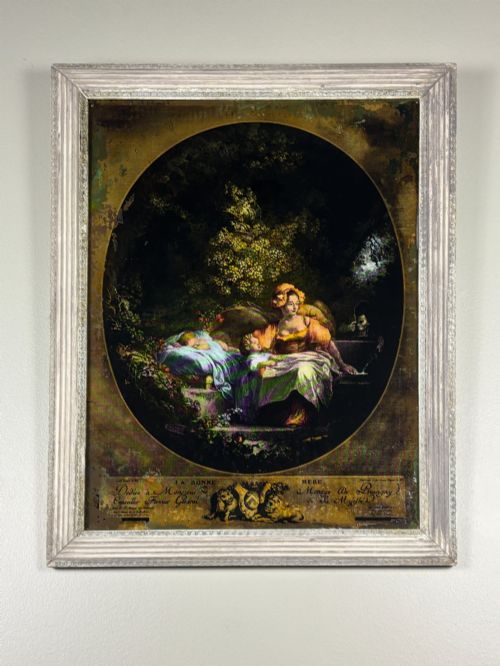
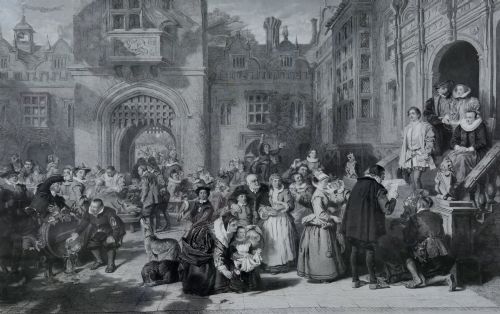
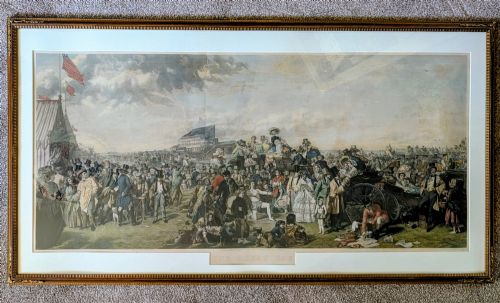
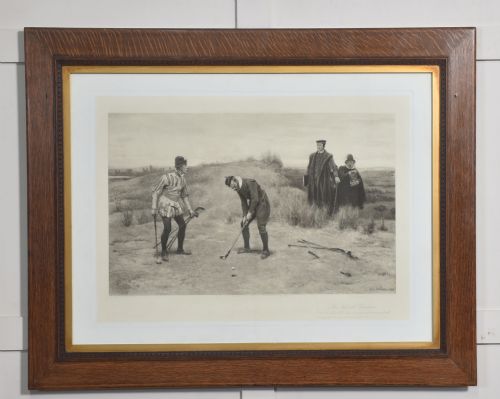
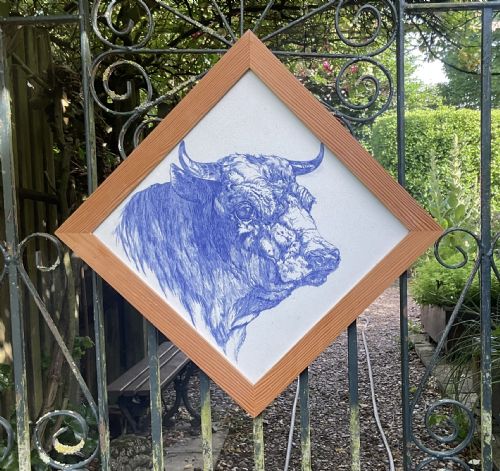
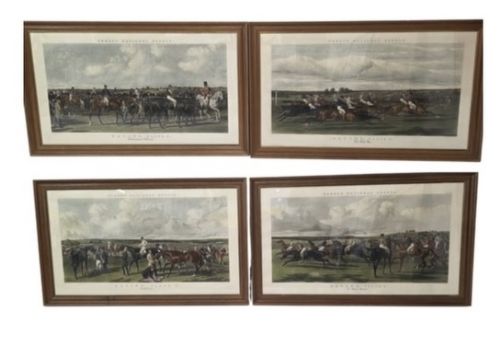
The selections on this page draw from periods such as the eighteenth century, the Victorian era, and the early decades of the twentieth century. Forms vary widely, encompassing horse racing series, architectural scenes, cartography, and reproductions after established oil paintings.
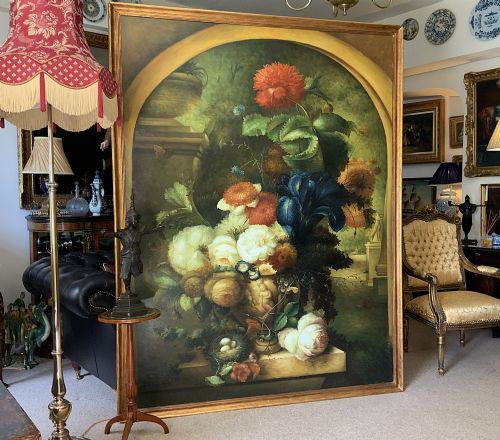
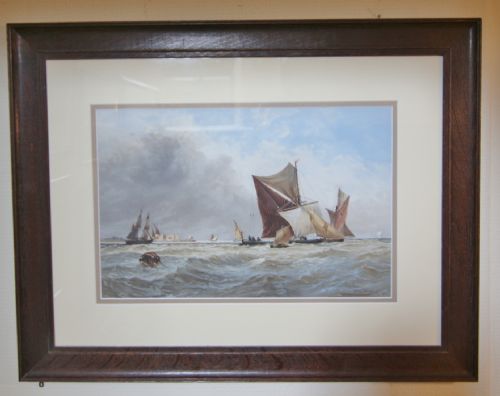
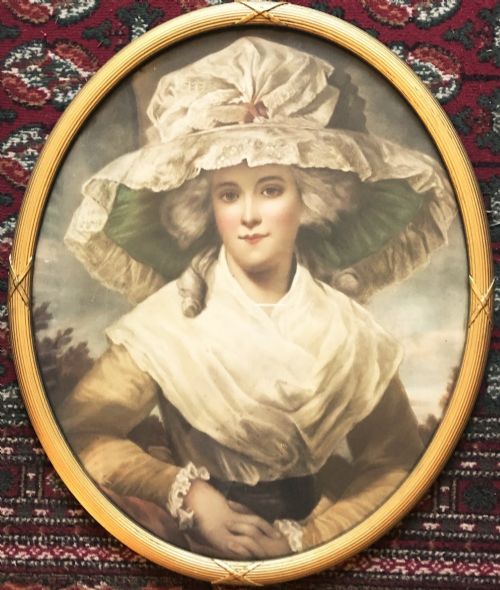
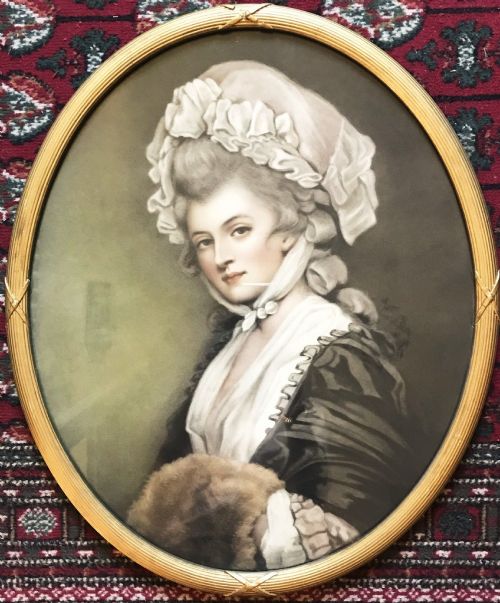
Subjects stretch from Dutch maritime scenes and classical portraits to botanical ornithological studies and dramatic landscape views. Buyers frequently meet pieces housed in their original enclosures, whether plain oak surrounds or elaborate giltwood frames.
How They Were Made
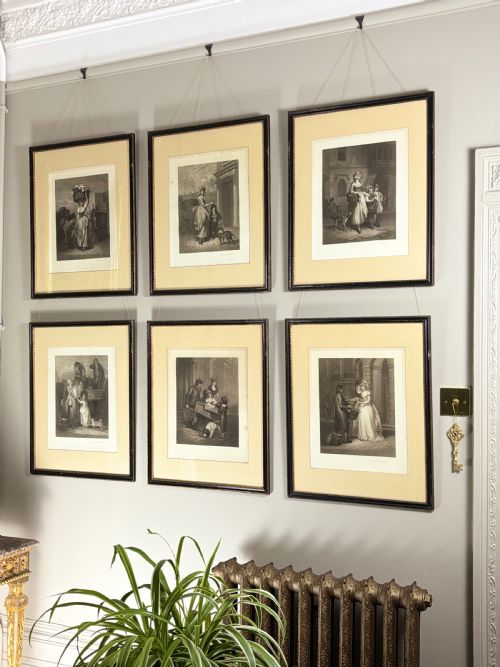
Makers utilised paper, card, and vinyl canvas as surfaces for ink, lithographic pigments, and hand-applied watercolours, sometimes incorporating mixed media or gold leaf embellishments. Engravings and mezzotints required metal plates worked by hand before transferring the image to paper under pressure.
Frames rely on timber foundations such as oak or softwoods, often coated in gesso and finished with applied gold leaf or dark polishing. Glazing with protective glass preserves the delicate ink and paper surfaces from environmental moisture and handling wear over the decades.
Large Framed Art Print Retail Price Guide 2026
Typical asking prices for large framed art print among the pieces listed under this phrase on Sellingantiques today, from the lower quarter to the upper quarter. They describe what is for sale here now, not the wider market.
Several prints include unusual metal embellishments stitched directly onto the painted clothing of the subjects.
What Varies in Quality
The visual impact depends largely on the crispness of the ink transfer and the preservation of the paper tone without excessive foxing or fading. Stronger examples retain their original framing and glazing, which protects the integrity of the image over generations.
Artisanal skill shows in the depth of the engraving work, the precision of hand-colouring, and the joinery of the surrounding wooden frame. Pieces that maintain a harmonious relationship between the scale of the print and the weight of the enclosing frame command greater attention.
Donald Grant·Cornelis Van Der Voort·William Powell Frith·Thomas G Appleton·Erich Mercker·J C Dollman·Franz Reder-Broili·Otto Pilny·Eman Bowen·Robert Morden
The Large Framed Art Print Glossary
- Engraving
- A printmaking technique where an artist cuts lines directly into a metal plate using a sharp tool. The resulting incisions hold ink to produce fine, sharp lines on paper.
- Lithography
- A planographic printing process based on the repulsion of oil and water on a flat stone or metal plate. This method allows for subtle tonal gradations and varied colour application.
- Giltwood
- Timber, commonly carved wood, coated with a thin layer of gold leaf or gold paint. It provides a bright, reflective border popular in traditional framing.
- Gesso
- A plaster-like mixture applied to wooden frame surfaces as a smooth base for gilding or painting. It allows intricate moulded decoration around the perimeter.
- Mezzotint
- A printmaking method in which the printing plate is roughened evenly to produce rich dark tones, then scraped to create lighter areas. This process yields soft gradients rather than sharp lines.
Large Framed Art Print: Frequently Asked Questions
How do I hang a heavy framed print securely?
Heavy framed works require sturdy wall fixings anchored directly into masonry or wall studs to support the combined weight of the timber, glass, and paper.
Using a dual-point hanging wire or heavy-duty brackets distributes the load evenly and prevents the frame from tilting forward over time.
What is the best way to light framed wall art?
Position picture lights or directional wall sconces above the piece to illuminate the surface evenly without generating excessive heat near the paper.
Avoid direct, harsh sunlight, which causes fading on older inks, watercolours, and coloured lithographs over extended periods.
How do I clean antique glass and wood frames?
Wipe the glass gently with a soft cloth dampened with a mild glass cleaner, taking care not to let liquid seep beneath the rebate into the print.
Dust the wooden or gilt frame with a dry, soft brush to protect the gesso and surface finish from abrasive scratching.
How can I tell a nineteenth century print from a modern reproduction?
Examine the paper texture, ink distribution, and edge characteristics under a magnifying glass to check for traditional plate marks and dot patterns.
Nineteenth-century examples show variable ink saturation within the paper fibres, whereas modern reproductions typically display uniform dot matrices or smooth digital output.