


Expressionist Wall Art
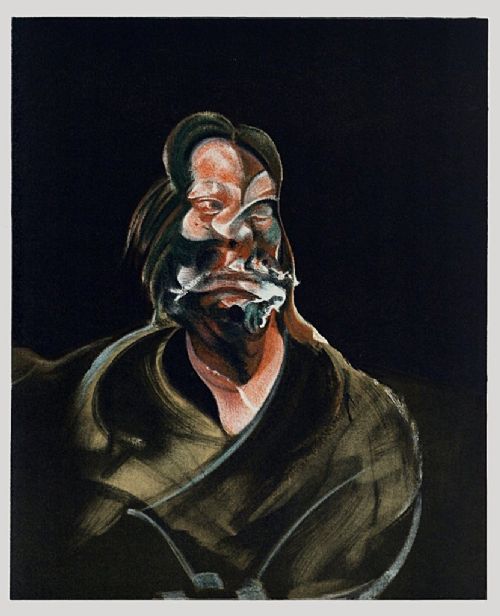
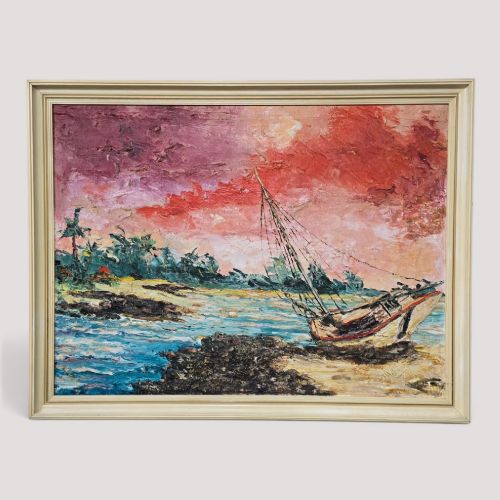
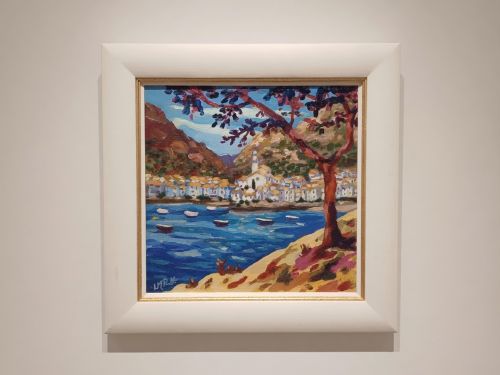
Expressionist wall art brings raw emotional intensity and bold brushwork into a room, offering a powerful focal point for any interior.
Expressionist Wall Art
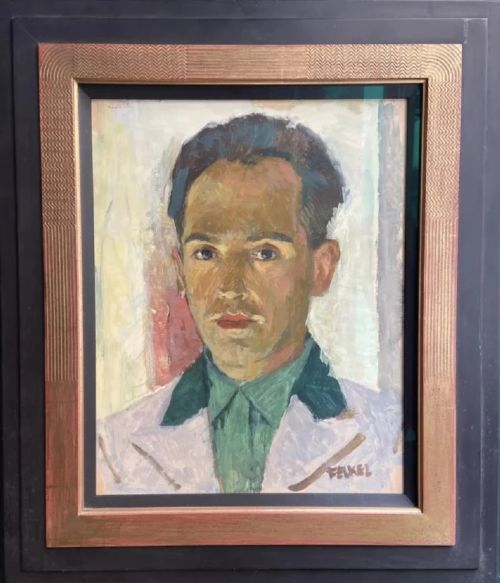
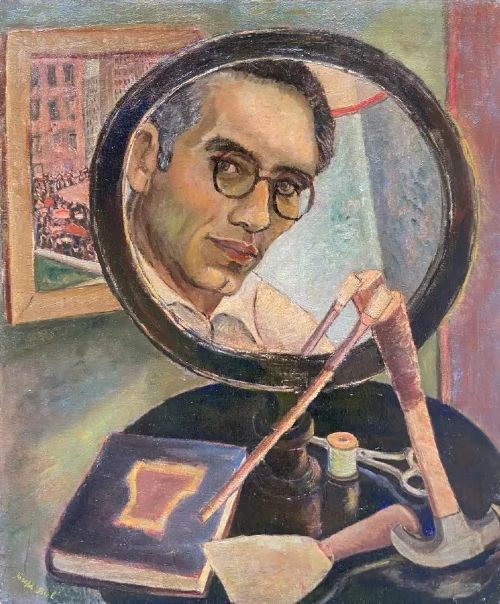
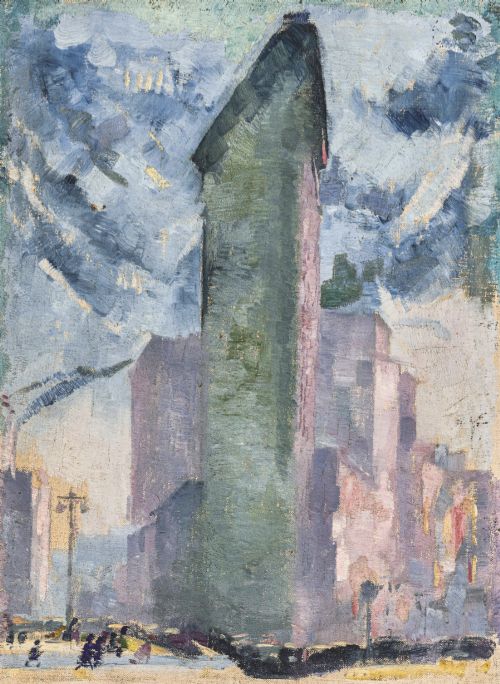
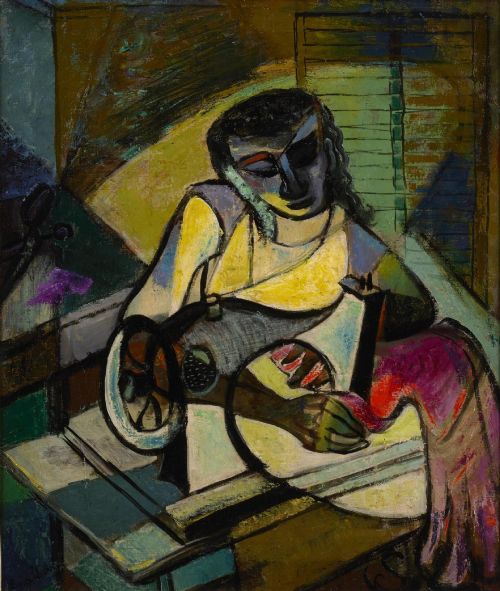
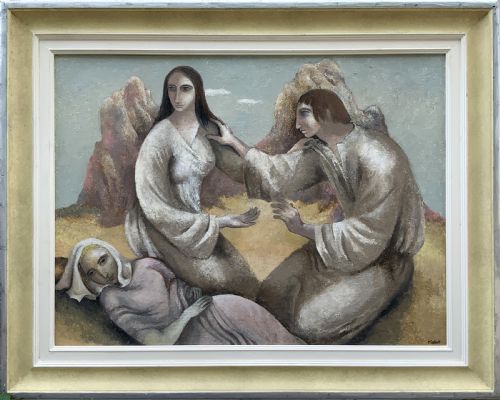
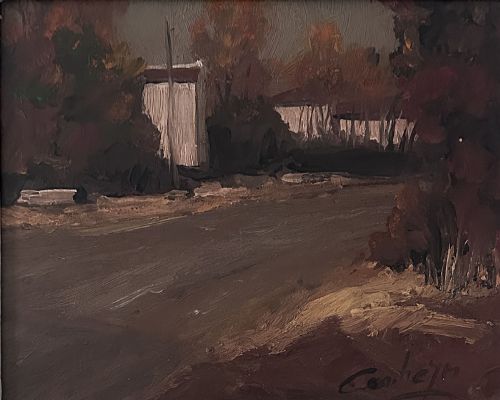
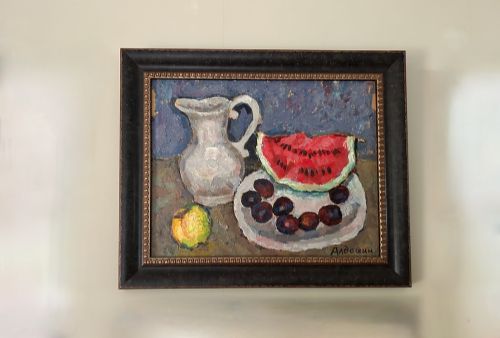
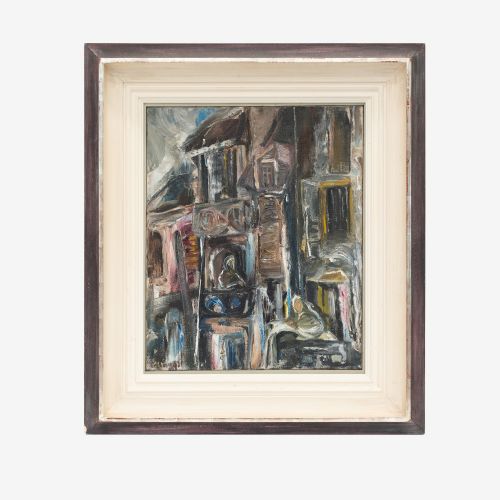
Expressionist wall art encompasses paintings, prints, and drawings that prioritise emotional impact over strict realism. When exploring expressionist wall art, a buyer encounters works spanning from the nineteenth century through the mid-twentieth century, with a strong representation of mid-century pieces.
The selections on this page range from striking oil paintings on canvas and board to delicate ink drawings, watercolours, and lithographs. Formats vary from intimate portraits and still lifes to expansive cityscapes and landscapes.
Origin points stretch across Britain, France, Germany, and America, reflecting diverse regional interpretations of modernist and expressionist movements.
Materials and Techniques
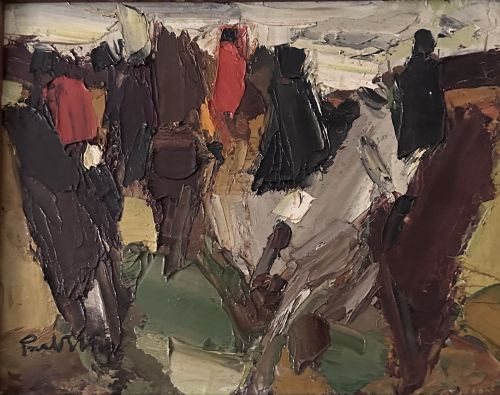
Artists working within this genre relied heavily on oil paint applied to canvas, board, or paper, often building up thick layers of pigment known as impasto to create tactile surface texture.
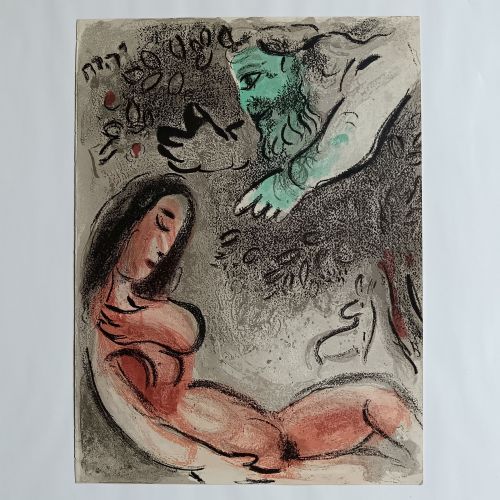
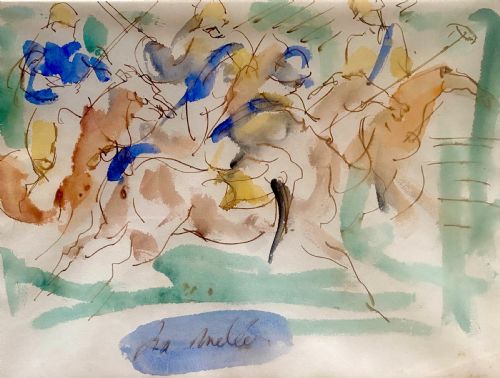
Works on paper frequently utilise ink, watercolour, or lithographic techniques, capturing quick gestures and dynamic compositions.
Support materials such as wood panels and traditional canvas frames provide the structural foundation for these varied painterly methods.
Mediums recorded include oil paint, ink, watercolour, and lithography alongside diverse painterly styles.
Evaluating Quality
Quality rests on the confidence of the brushwork and the clarity of the emotional intent behind the composition, where deliberate distortion enhances the psychological weight of the subject.
The handling of materials dictates longevity and visual resonance, particularly in how impasto holds its structure or how ink and watercolour retain their vibrancy on paper.
Context also plays a part, distinguishing between student or lesser-known exercises and fully realised pieces by established regional or international names.
Francis Bacon·Marc Chagall·Joseph Biel·Alfred Wolmark·Joan Gillchrest·Tony Giles·Gaetan Dumas·Gabriel Dauchot·Leon Kossoff
The Expressionist Wall Art Glossary
- Impasto
- Paint applied thickly to a canvas or board, standing out in relief from the surface and catching the light. This technique gives paintings a physical, three-dimensional texture that emphasises the artist's physical gestures.
- Lithograph
- A print made from a planographic process in which a drawing is made on stone or metal with a greasy medium. The resulting image retains the spontaneous character of the original drawing.
- Fauvism
- An early twentieth-century style characterised by strong, non-naturalistic use of colour and painterly qualities. Practitioners prioritised painterly reactions over realistic representation.
- Mid-Century Modern
- A style of design and art spanning roughly from the 1930s to the mid-1960s, defined by clean lines, abstraction, and a break from traditional academic constraints.
Expressionist Wall Art: Frequently Asked Questions
What defines expressionist art?
Expressionist art distorts visual reality to evoke emotional responses, using intense colours, exaggerated forms, and vigorous brushstrokes. The focus shifts from recording the physical world to capturing internal psychological states.
This approach allows artists to convey anxiety, joy, isolation, or resilience through the sheer physicality of their medium.
How do I hang and light these pieces?
These works demand sturdy wall fixings, particularly heavier oil paintings on canvas or board. Position them at eye level to engage properly with the composition and brushwork.
Use directional picture lighting to bring out the texture of thick impasto without creating distracting glares on the surface.
How can I tell a mid-century piece apart?
Mid-century pieces typically display a departure from traditional perspective, favouring flattened pictorial spaces, abstracted figures, and bold, sometimes jarring colour palettes. The framing and canvas preparation often reflect mid-century studio practices.
Signatures, dates, and stylistic markers such as ties to mid-century British or French schools help anchor the work in its historical decade.
Are works on paper fragile?
Works on paper, including lithographs, watercolours, and ink drawings, are sensitive to environmental factors like direct sunlight and moisture. Proper framing behind protective glass is essential for their preservation.
Keeping them away from humid environments ensures the paper and ink remain stable over time.