


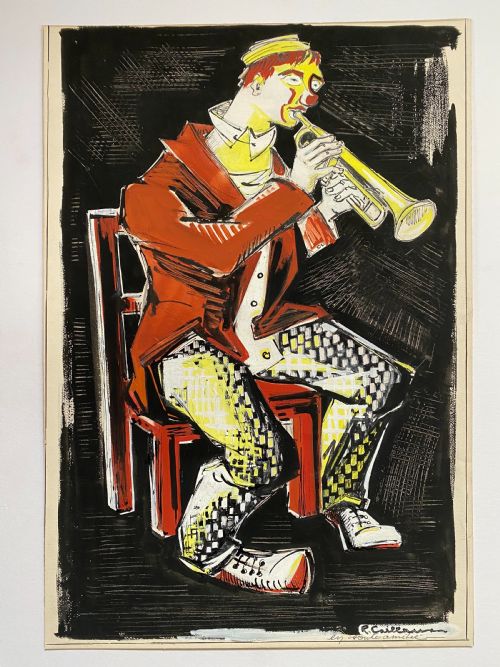

Original Gouache Study
An original gouache study is a direct, opaque water-based painting on paper, offering rich pigment and swift execution that collectors prize for its immediacy.
Original Gouache Study
An original gouache study captures direct artistic intent through opaque water-based pigments applied to paper, board, or buff paper. When you search for an original gouache study, you encounter works spanning from the Victorian era and the nineteenth century through to mid-century modernism and later periods.
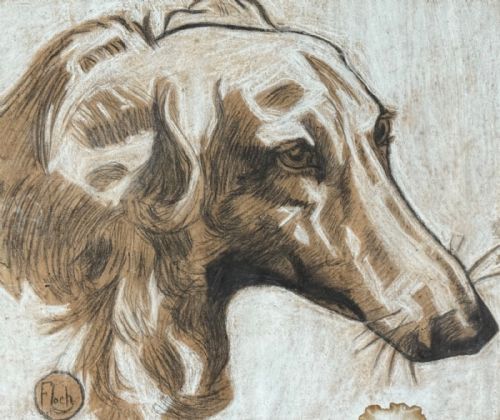
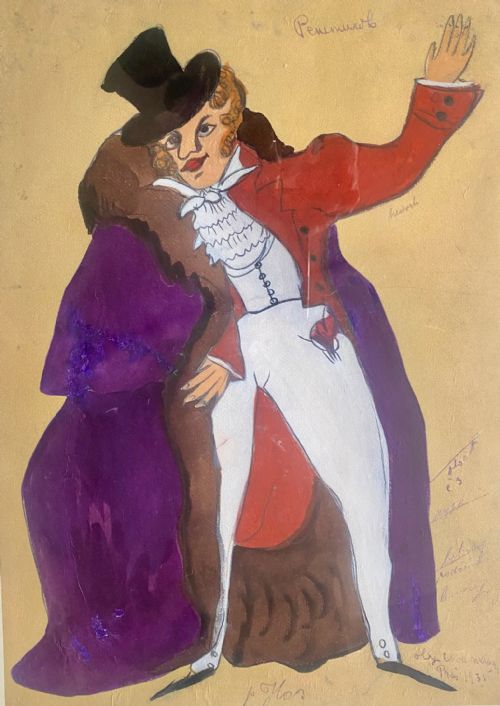
The selection ranges from detailed nineteenth-century French theatre figures and botanical studies to Art Deco animal drawings and avant-garde surrealist compositions. Mid-century examples frequently bring dynamic poster designs, jazz musicians, and theatrical clowns into the medium.
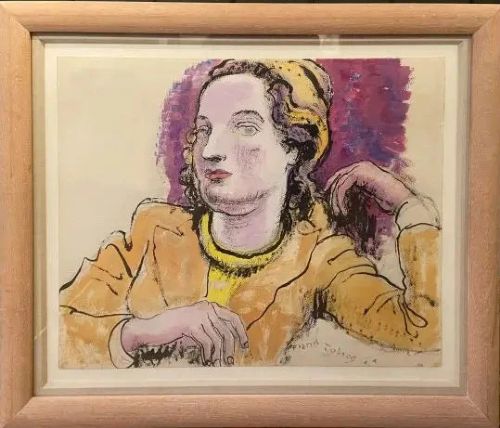
Artists often executed these pieces on paper or card as preparatory works or finished sketches, utilising the matte finish and dense coverage inherent to the medium. Works appear framed or unframed, maintaining the direct touch of the hand from the studio or the field.
Assessing quality and execution
Quality rests upon the sureness of the draftsmanship beneath the pigment and the liveliness of the brushwork in handling the opaque medium. Stronger works display confident line control in the underlying ink or pencil work and decisive placement of colour.
The sophistication of the composition and the historical resonance of the subject matter elevate certain examples above standard decorative sketches. Preservation of the sheet, minimal fading of the pigments, and the integrity of the paper support also distinguish superior pieces.
Materials recorded across the archive include gouache, paper, ink, pencil, wood, pastel, watercolour, and buff paper.
Frank Dobson·Montagu Barstow·Dame Laura Knight
The Original Gouache Study Glossary
- Gouache
- An opaque water-based paint consisting of pigment, water, and a binding agent such as gum arabic, often modified with chalk to increase opacity. It dries to a matte, velvety finish.
- Buff paper
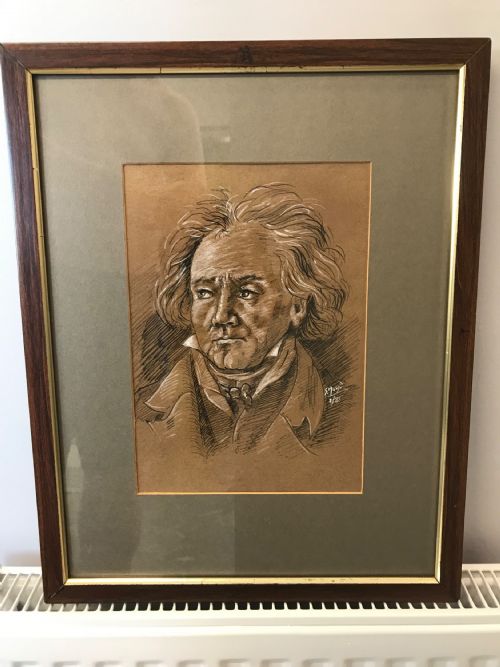
- A pale yellowish-brown or tan paper stock frequently utilised by artists in the early twentieth century to provide a neutral mid-tone background for highlights in gouache and white chalk.
- Avant-garde
- A style or movement pushing the boundaries of traditional artistic norms, seen in surrealist and modernist works from the interwar decades.
- Watercolour
- A transparent water-based medium frequently combined with gouache to achieve varied opacity and tonal depth across works on paper.
- Support
- The physical material - such as paper, buff paper, or board - upon which the gouache study is painted.
Original Gouache Study: Frequently Asked Questions
What is an original gouache study?
An original gouache study is a unique hand-painted artwork created using opaque water-based pigments on paper or board. These pieces often served as preparatory works, illustrations, or finished compositional explorations.
Makers utilised the quick-drying and dense nature of gouache to capture rapid observations, theatrical scenes, or surrealist still lifes. Each piece preserves the direct marks and creative decisions of the artist.
How do I care for works on paper?
Works executed in gouache on paper require protection from direct sunlight to prevent fading of the pigments and discolouration of the support. Framing with acid-free mounts and UV-filtering glass ensures the physical longevity of the piece.
Maintaining stable indoor humidity and temperature levels prevents warping of the paper or board. Hang these artworks away from direct heat sources and damp environments.
How do I date an antique study?
Dating relies upon stylistic markers, such as Art Deco geometries, mid-century modernist palettes, or nineteenth-century realist conventions. Material evidence, including watermarks, paper types like buff paper, and framing remnants, provides further chronological context.
Signatures, inscriptions, and documented dates within the artwork also assist in placing the piece within a specific decade or artistic movement. Comparing handling techniques to known works from the same period confirms the era.
Why did artists use buff paper?
Artists selected buff paper because its neutral tan or yellowish-brown tone provided an immediate mid-tone base for compositions. This eliminated the need to paint background washes over white paper.
Using a tinted ground allowed creators to apply dark inks and bright gouache highlights simultaneously, creating rapid tonal contrast. This technique was particularly favoured during the early twentieth century.