




Victorian Floral Artwork
Victorian floral artwork captures the enduring charm of nineteenth-century botanical studies, still life arrangements, and delicate watercolours.
Victorian Floral Artwork
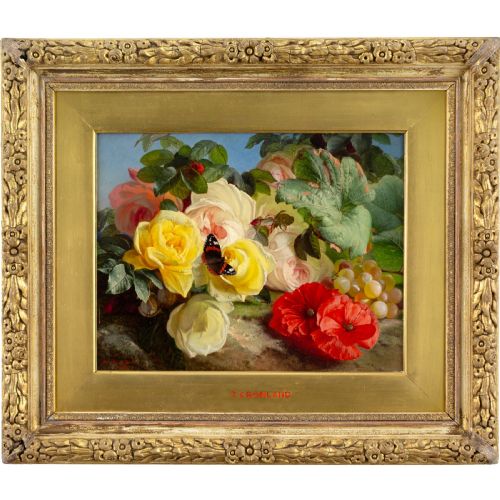
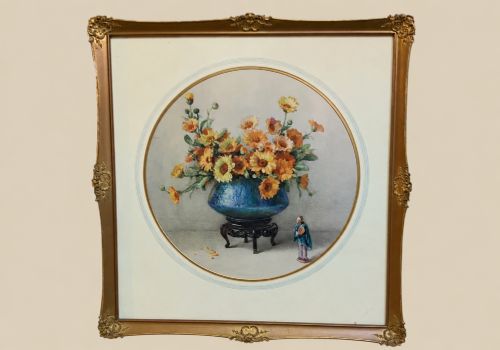
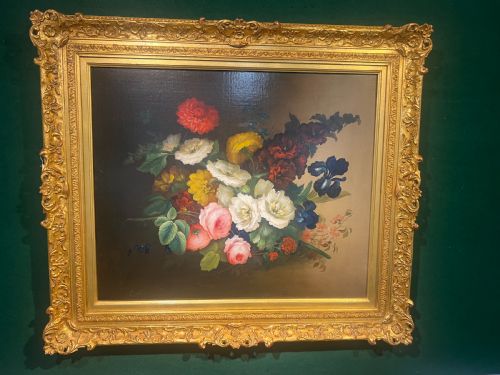
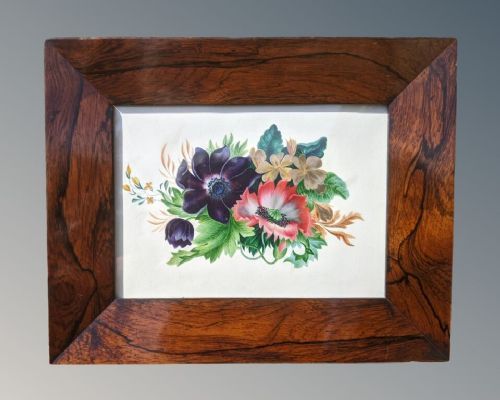
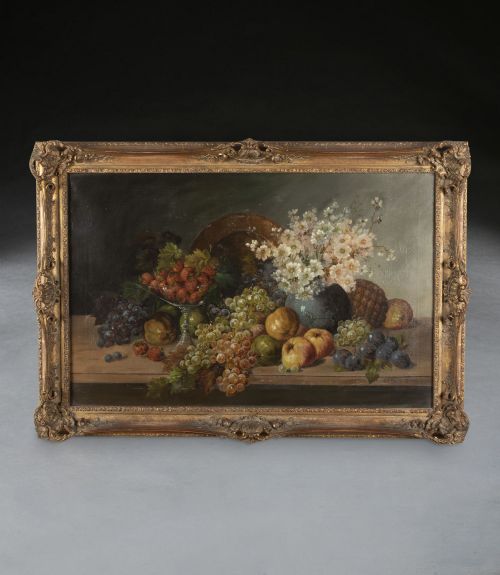
Victorian floral artwork encompasses detailed botanical studies, vibrant watercolour paintings of garden blooms, and traditional oil paintings of still life arrangements. Buyers exploring this category will encounter framed watercolours, oil on canvas compositions, and period engravings depicting roses, pansies, and wildflowers.
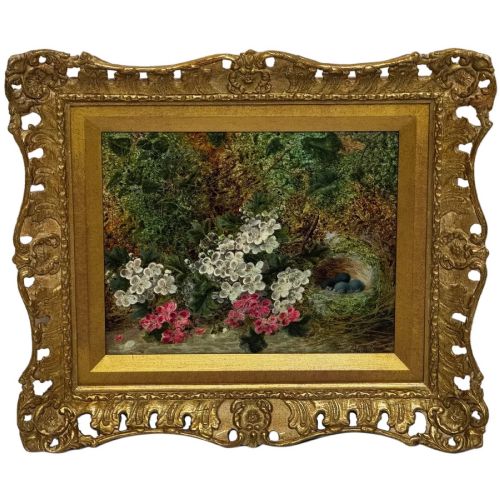
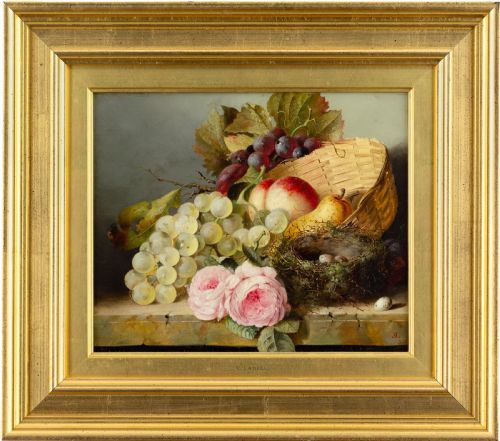
The selections span the nineteenth century and extend into the early twentieth century, reflecting both strict botanical observation and romantic naturalism. Many pieces feature traditional subjects such as baskets of fruit, bird's nests nestled among blossoms, and decorative jugs filled with seasonal flowers.
Materials and execution
Artists relied primarily on paper, watercolour, gouache, and oil paint on canvas to capture botanical subjects with precise detail. Frames often incorporated wood and gold leaf, while some decorative objects utilised reverse painting and etching on glass.
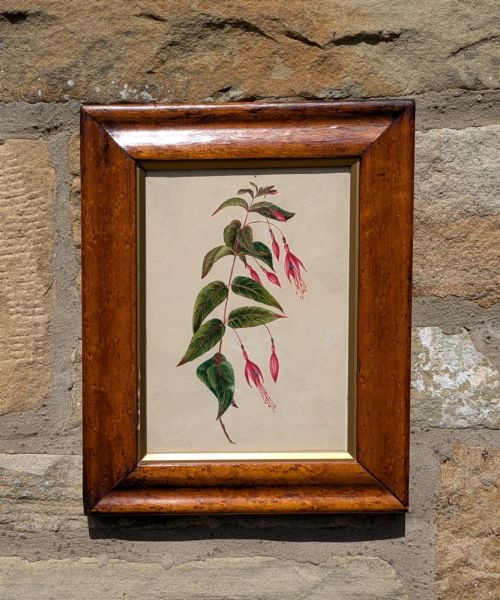
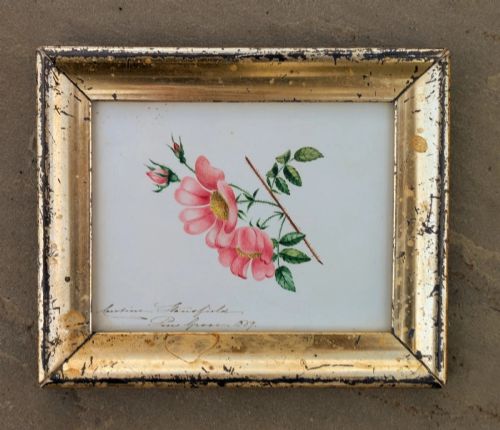
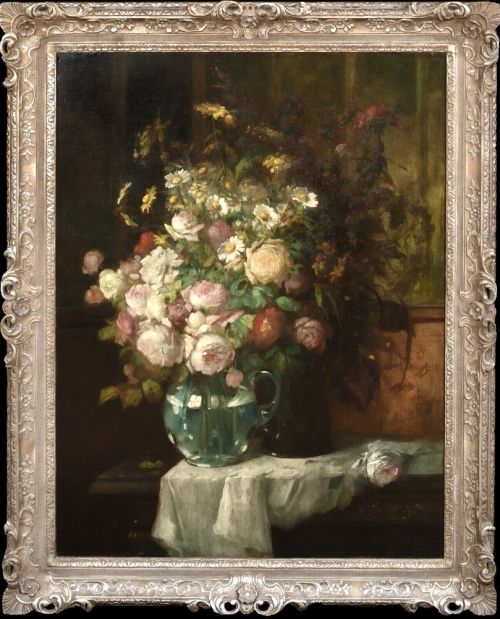
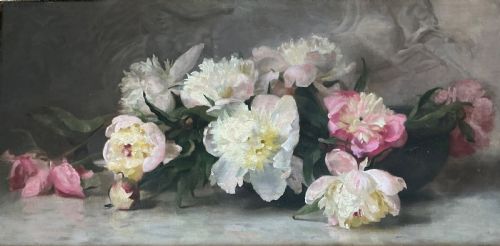
Techniques ranged from fine watercolour washes used for delicate fuschia and wild rose studies to rich oil on canvas applications for dense arrangements of roses and peonies.
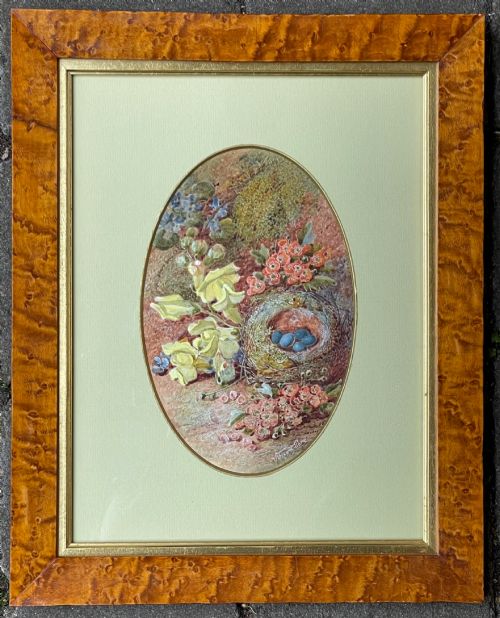
Several artists tucked tiny bird's nests filled with eggs right beside their prize roses.
Evaluating the pieces
Quality in these botanical pieces rests upon the precision of brushwork, the depth of colour preservation on paper or canvas, and the naturalism of the composition. Finer works demonstrate a clear command of light and shadow, particularly in renderings of petals, foliage, and surrounding textures such as wicker baskets.
The strength of the provenance and the signature of a recognised painter elevate the standing of a piece. Condition also plays a role, with well-preserved watercolours retaining their original pigment vibrancy without excessive fading or discoloration.
Theude Grönland·Oliver Clare·Konstantin Stoitzner·Edward Ladell·Edwin Steele·Alice Anne Renshaw·Gertrude Hayes·Harry Wanless·Thomas Bromley Blacklock·Henrietta Creswell·Lester Sutcliffe·William Hough·Eloise Harriet Stannard·Edith Barrow·Grace Hastie·Marian Chase·Alfred W. Parsons·Jabez Bligh·Charlotte Isa James·David Woodlock·Jane Maria Bowkett·John Curtis·James Stuart Park
The Victorian Floral Artwork Glossary
- Watercolour
- A painting method in which the paints are made of pigments suspended in a water-based solution. It is traditionally applied to paper to create translucent botanical studies.
- Oil on Canvas
- A traditional painting medium utilising pigments mixed with a drying oil, applied to stretched fabric. This technique allows for rich texture and deep colour saturation in still life scenes.
- Botanical
- Pertaining to the scientific or decorative illustration of plants. These works often prioritize accurate representation of petals, leaves, and stems.
- Still Life
- A work of art depicting mostly inanimate subject matter, typically commonplace objects such as vases of flowers, fruit, and baskets.
- Gouache
- An opaque water-based paint that provides solid, matte areas of colour. It is frequently combined with watercolour to add highlights to floral illustrations.
Victorian Floral Artwork: Frequently Asked Questions
What subjects appear in Victorian floral artwork?
These works primarily feature detailed studies of roses, pansies, azaleas, and wallflowers arranged in vases, baskets, or natural garden settings. Many compositions also incorporate complementary elements such as bird's nests, fruit, and insects.
Artists aimed to capture both scientific precision and romantic sentiment. This balance made the pieces popular for interior decoration throughout the nineteenth century.
How should I display antique watercolours?
Antique watercolours require placement away from direct sunlight to prevent the fading of delicate pigments on paper. Framing with acid-free mounts helps preserve the integrity of the work over time.
Maintaining stable indoor humidity levels protects both the paper substrate and the wooden or gold leaf frames. Proper glass protection shields the surface from atmospheric dust and moisture.
What is the difference between botanical art and floral still life?
Botanical art focuses on the accurate scientific depiction of plant structures, often including roots, leaves, and specific flower anatomy. These works prioritize educational and documentary value.
Floral still life arrangements prioritize artistic composition, mood, and decorative appeal. These pieces often group various cut flowers together with household objects like ceramic jugs and wicker baskets.
How do I identify the period of a floral painting?
Period identification relies on stylistic clues, framing materials, and the types of pigments used on paper or canvas. Victorian works often embrace naturalism and romanticism, while Edwardian pieces may show looser impressionist influences.
Signatures, dates inscribed on the reverse, and historical framing techniques offer further clues. Comparing the style to known nineteenth-century painters helps narrow down the decade of creation.