


19th Century Botanical Study
These 19th century botanical study works on paper, porcelain, and pith capture natural forms with precision.
19th Century Botanical Study
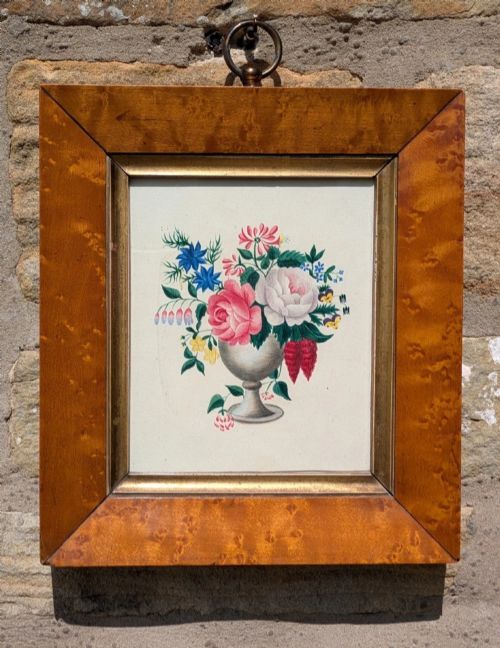
A 19th century botanical study comprises framed watercolours, gouache paintings, lithographs, and engravings depicting flowers, fruit, and natural specimens. These works range from Regency compositions to Victorian naturalism.
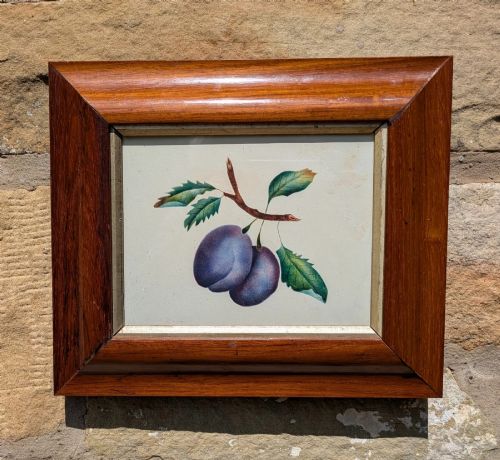
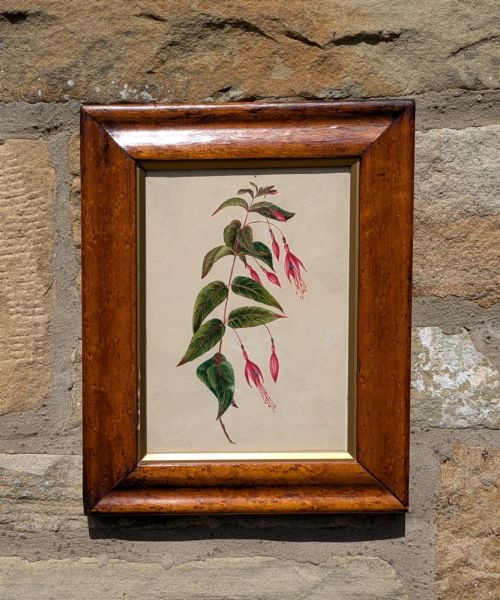
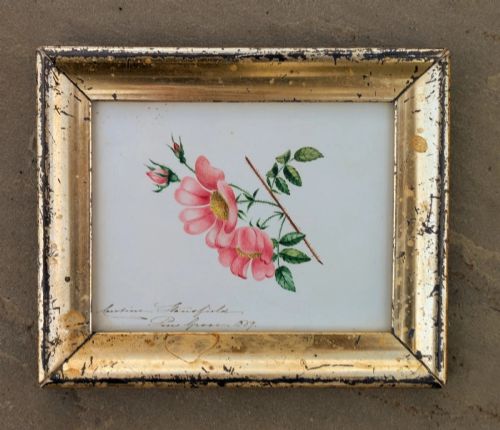
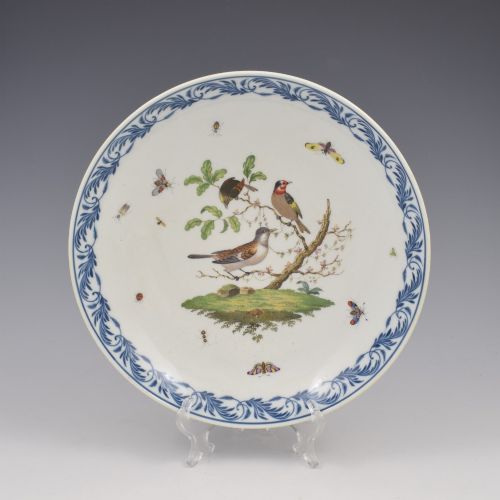
Buyers encounter single watercolours of subjects like plums, fuchsias, and roses alongside sets of engravings by named artists. Some examples incorporate birds and insects alongside the plant specimens.
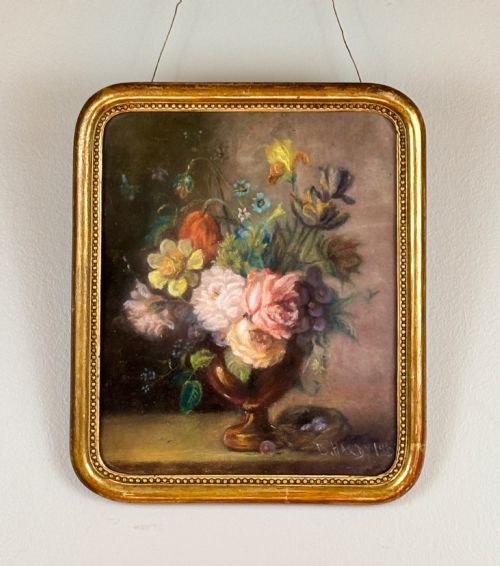
Framed artworks appear in rosewood and giltwood frames, while related decorative plates and porcelain dishes also emerge within this category.
How they were made
Artists executed these works primarily on paper using watercolour, gouache, pencil, and pastel techniques. Lithographs and engravings provide alternative printed formats for botanical specimens.
Mounting often involves wood frames finished in giltwood or rosewood. Ceramic pieces utilise porcelain bodies decorated with hand-painted bird and plant motifs.
Materials across these listings span paper, glass, watercolour, wood, and giltwood. Ceramic plates and pith paintings also appear alongside standard framed artworks.
What varies in quality
Detail and precision separate standard decorative prints from works by recorded artists. Finely painted watercolours display careful observation of colour gradients and botanical accuracy.
The choice of original framing influences the overall character of the piece. Intact sets of multiple studies command particular attention from collectors.
Meissen Porcelain·D Hardy·William Andrews Nesfield·Grace Hastie·Marian Chase·Arthur Wardle·John Curtis·Annie Mary Youngman·John Sherrin
The 19th Century Botanical Study Glossary
- Watercolour
- A painting method where fine pigment is suspended in water-based solution. This medium dominates the floral and ornithological works found in this category.
- Gouache
- An opaque water-based paint that provides heavier coverage and brighter highlights than standard watercolour. Artists often combined it with pencil and watercolour on paper.
- Lithograph
- A print produced from a flat stone or metal plate treated to repel ink except where required for the image. This technique reproduced detailed tile designs and botanical plates.
- Engraving
- An intaglio printing method where an artist cuts lines into a metal plate to hold ink. Botanical sets frequently utilise this process for precise scientific illustration.
- Pith painting
- Artwork created on thin sheets of pith plant material from China. These delicate paintings show vibrant colouration and distinct texture.
19th Century Botanical Study: Frequently Asked Questions
How should I hang botanical watercolours?
Protect watercolours from direct sunlight to prevent the pigments from fading over time. Keep them away from damp environments like kitchens or unventilated bathrooms.
Use professional framing with acid-free mounts to safeguard the paper. Group smaller pieces together on a wall to create a balanced display.
Are these works original paintings or prints?
The selection includes both hand-painted watercolours and printed engravings or lithographs. Check the listing details to confirm the specific medium used for each item.
Original works show brushwork and pencil underdrawings under close inspection. Prints display uniform dot or line patterns associated with reproduction techniques.
What periods do these botanical studies cover?
Most pieces date from the nineteenth century, spanning the Regency and Victorian eras. Styles shift from early century precision to later naturalistic depictions.
Dates range from the early 1800s through to the early 1900s. The execution often reflects the changing scientific and artistic tastes of those decades.
Can I buy these studies in sets?
Several listings offer groups of multiple engravings or watercolours created as series. These sets often share uniform framing and subject matter.
Keeping related studies together preserves their historical context as scientific or decorative collections. Check individual descriptions for set counts.