


Victorian Botanical Watercolour
These delicate works capture the meticulous detail of flora through pigments on paper, offering a glimpse into nineteenth-century natural history.
Victorian Botanical Watercolour
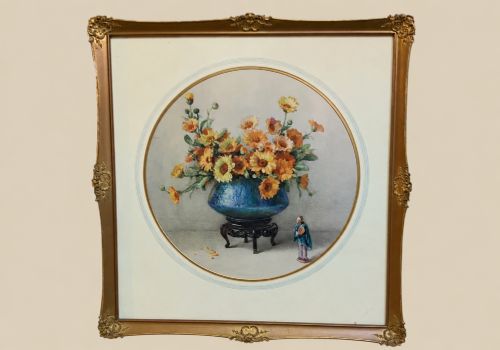
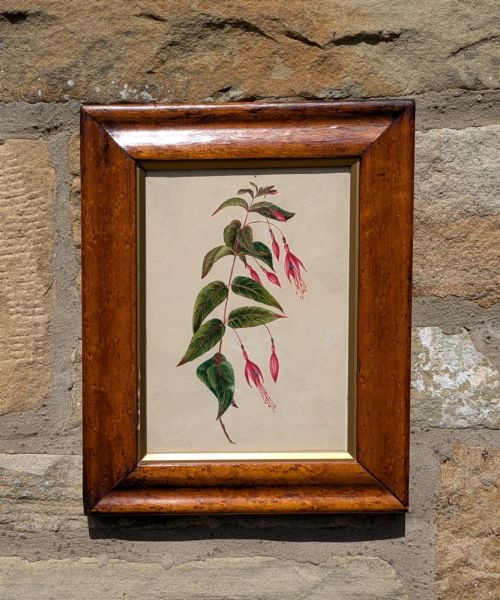
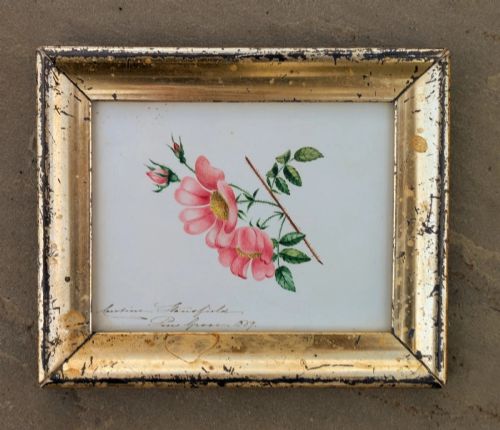
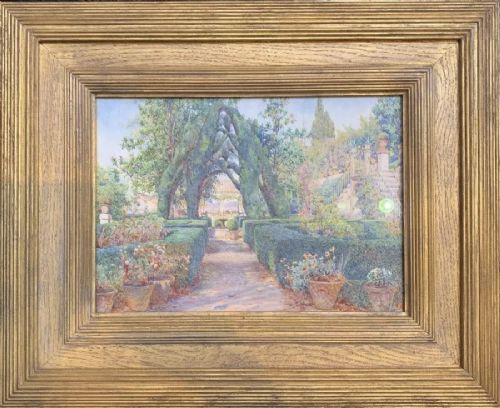
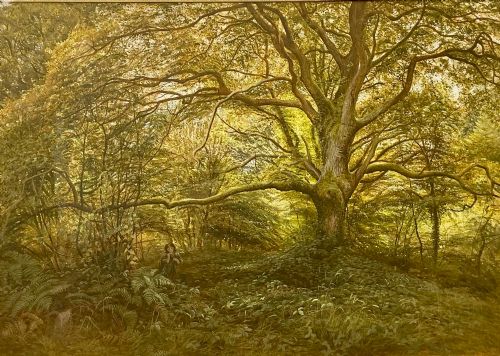
A victorian botanical watercolour depicts specific flowers, plants, and natural arrangements, reflecting the period's intense fascination with horticulture and naturalism. These paintings range from simple studies of single blooms like fuchsias and wild roses to elaborate compositions featuring fruit, birds' nests, and decorative vessels.
The pieces appearing on this page originate predominantly from the nineteenth century, spanning periods from the Regency era through to the early twentieth century. Common subjects include roses, pelargoniums, and azaleas, often rendered with precise attention to botanical accuracy and colour.
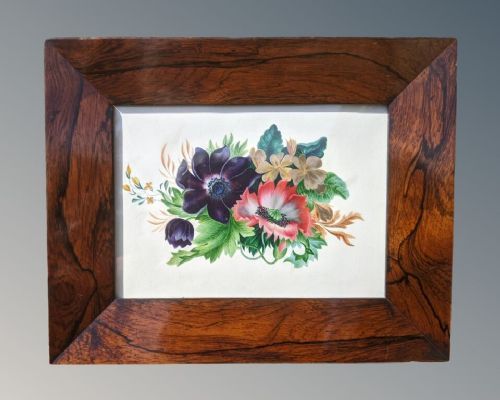
Works on this page take the form of framed wall art and detailed paintings, frequently housed in period frames made of rosewood, maple, or gilded wood. Buyers will encounter both signed professional pieces by known artists and unsigned studies by skilled amateurs.
Materials and Technique
Artists executed these works using watercolour pigment and gouache applied to paper sheets, sometimes combining both mediums to achieve opacity and depth in floral petals and leaves. Gouache provided the dense highlights necessary to make white blossoms and glossy fruit stand out against softer washes of colour.
Framing played an integral role in the presentation and preservation of these works, utilising wood, gilded wood, rosewood, and maple to complement the delicate tones of the painting beneath glass. This combination protected the fugitive pigments from light and moisture degradation over time.
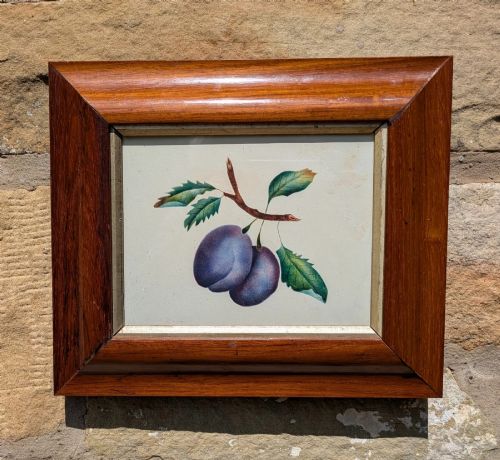
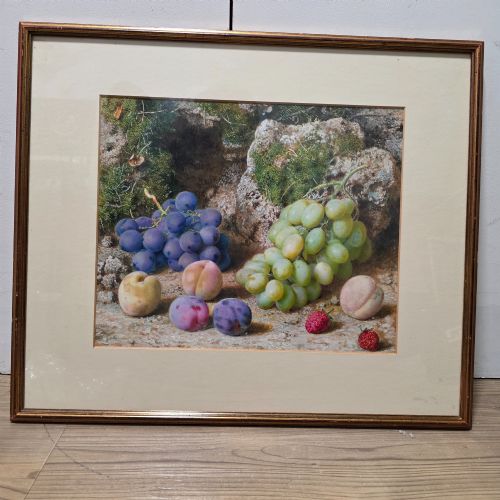
Several watercolours tuck delicate bird's nests and ripe plums right beside the botanical blooms.
Distinctions in Quality
The distinction between standard decorative studies and superior works lies in the precision of the draughtsmanship and the artist's command of light and shadow across organic surfaces. Finer examples display meticulous rendering of botanical structures, nuanced colour blending in petals, and balanced composition.
Provenance and attribution elevate certain pieces, particularly those bearing the signatures of established painters or exhibiting exhibition-level detail in complex still lifes. The quality of the original period frame also contributes to the overall integrity of the piece.
Ernest Arthur Rowe·John Sherrin·William Andrews Nesfield·Eloise Harriet Stannard·Arthur Wardle
The Victorian Botanical Watercolour Glossary
- Gouache
- An opaque water-based paint that includes a white pigment binder, used by artists to create solid highlights and luminous colour in botanical studies.
- Botanical study
- A rigorous visual record of a plant's structure, often created for scientific accuracy or horticultural documentation during the nineteenth century.
- Still life
- An artwork depicting inanimate subject matter, frequently featuring cut flowers in vases, baskets of fruit, or arrangements on mossy banks.
- Provenance
- The documented history of ownership of an artwork, which can establish authenticity and connect a painting to a specific artist or exhibition.
Victorian Botanical Watercolour: Frequently Asked Questions
How should I frame and hang these watercolours?
Keep these works behind glass to protect the paper and water-soluble pigments from atmospheric moisture and dust. Hang them away from direct sunlight to prevent the delicate colours of the flowers from fading over time.
Ensure the framing uses acid-free mount boards to avoid yellowing the paper surrounding the painting. Proper framing preserves the structural integrity of both the artwork and its period wood frame.
Were these paintings made for science or decoration?
Many nineteenth-century works served a dual purpose, combining scientific botanical observation with decorative interior display. Artists aimed for accurate depictions of plant structures while creating visually pleasing compositions suitable for domestic spaces.
While some pieces originated as strict scientific records for horticulturists, others were produced simply as fine art studies of seasonal flowers and garden landscapes.
How do I identify a Victorian period frame?
Period frames from the nineteenth century often feature specific timbers such as rosewood, maple, or heavily moulded gilded wood. These materials show distinct grain patterns and construction techniques typical of nineteenth-century cabinetmaking.
Examining the back of the frame can reveal old fixings, paper tapes, and labels that help confirm its age alongside the watercolour.
What subjects besides flowers appear in these paintings?
Beyond floral studies of roses, pansies, and anemones, artists frequently included fruit such as plums, strawberries, and grapes. Birds, nests, and Chinese objects also appear alongside the botanical elements in more elaborate still lifes.
Architectural settings and garden landscapes occasionally feature, providing context for plants grown in greenhouses or estate gardens.