
Botanical Flower Painting
Botanical flower painting captures the delicate structure of blooms through precise watercolour and rich oil on canvas.
Botanical Flower Painting
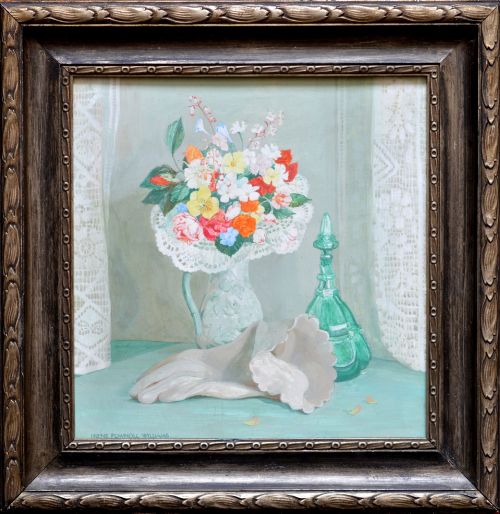
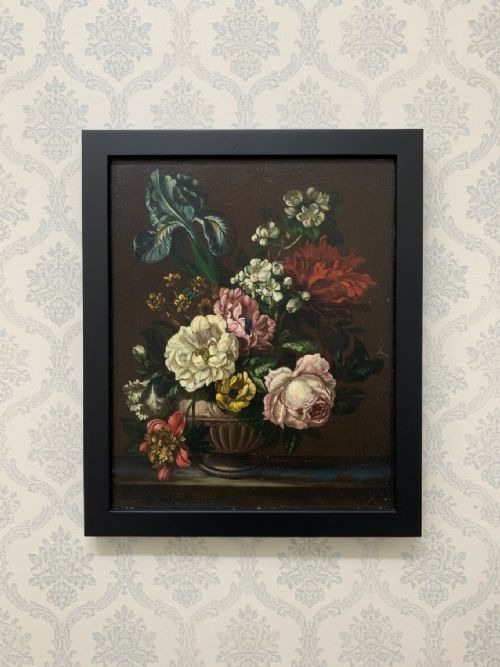
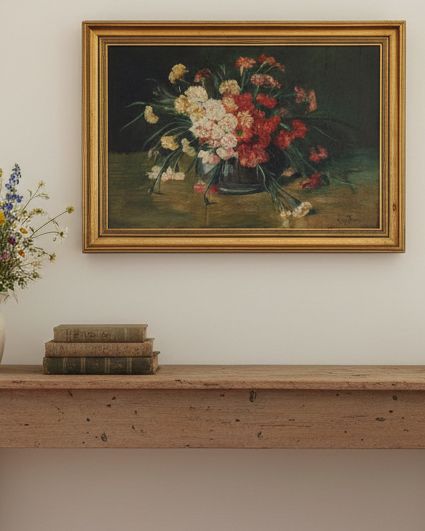
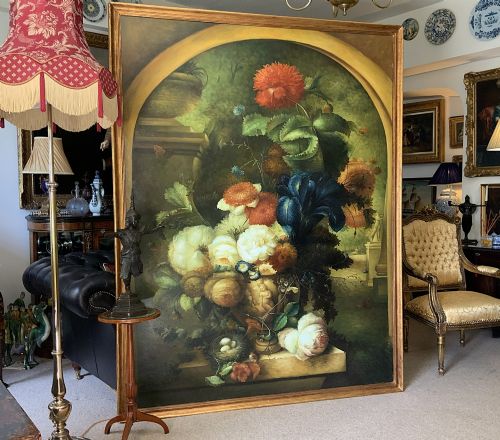
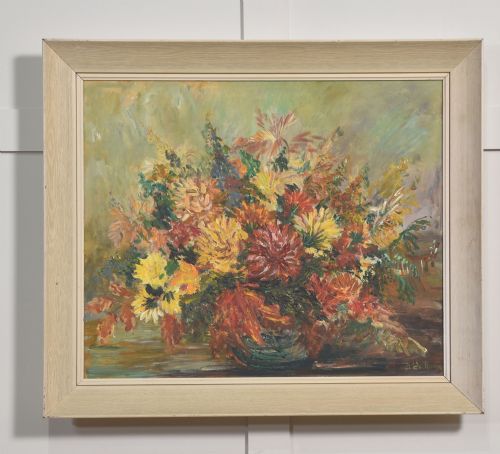
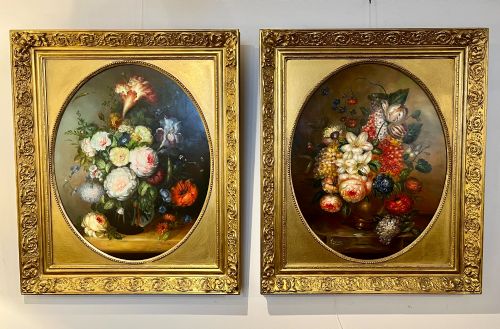
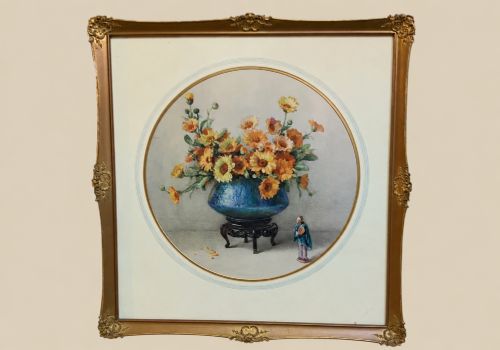
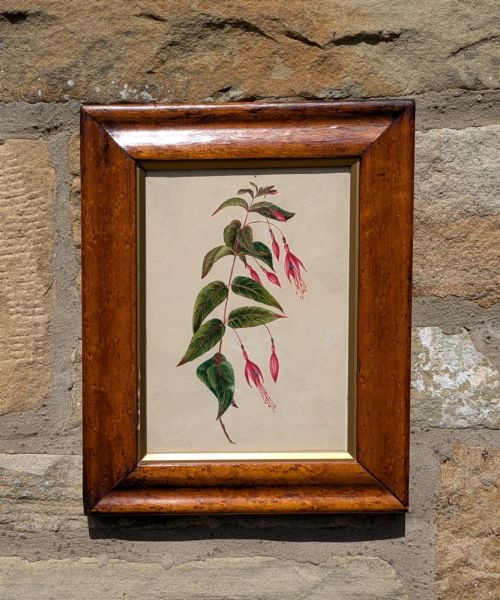
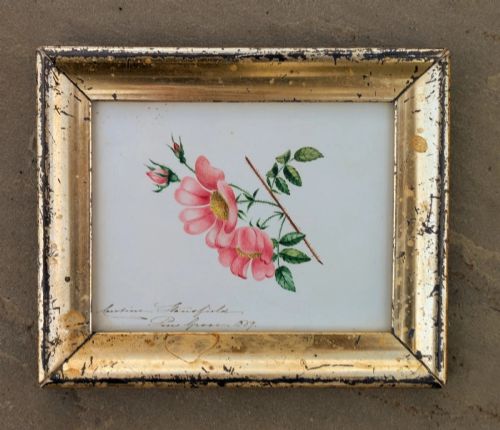
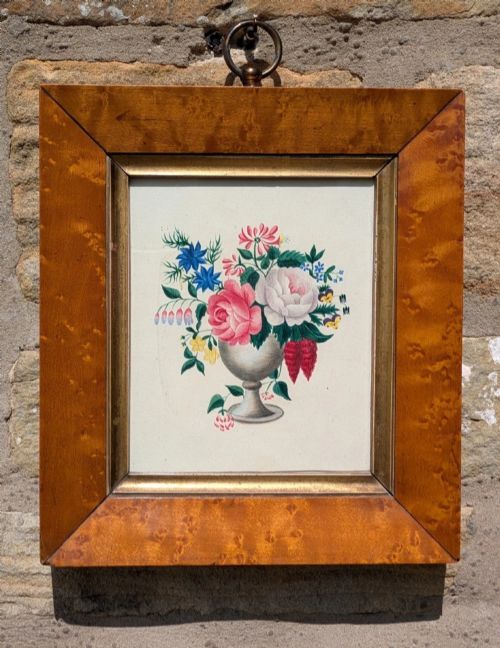
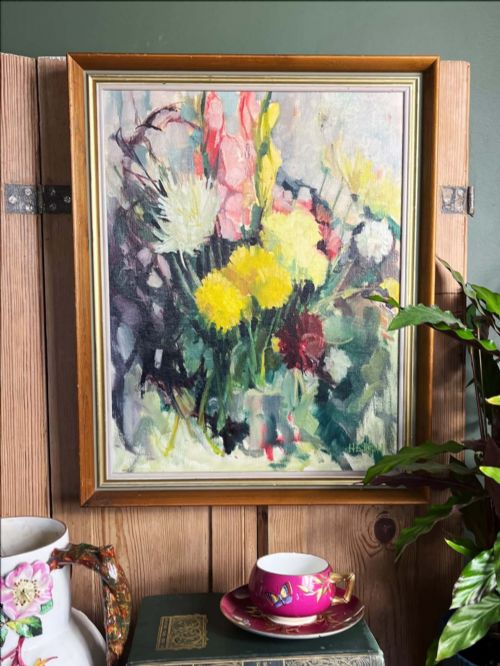
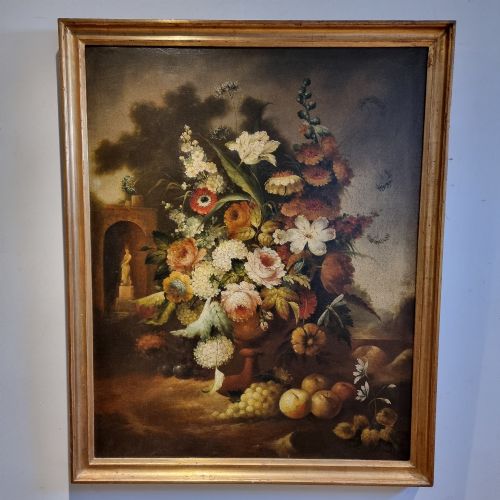
When searching for botanical flower painting, collectors encounter framed artworks, delicate watercolours, and substantial oil paintings that capture floral subjects. These pieces range from intimate nineteenth-century studies of wild roses and fuchsias to monumental Dutch-style still life compositions created across the twentieth century.
The selections on this page span diverse periods including the Regency era, Victorian times, and the mid-century, reflecting enduring domestic appreciation for garden flowers and structured arrangements. Works appear on paper, canvas, panel, and ceramic surfaces, showing both scientific observation and painterly interpretation.
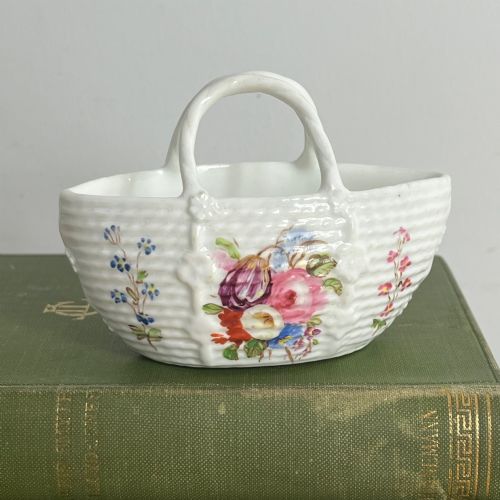
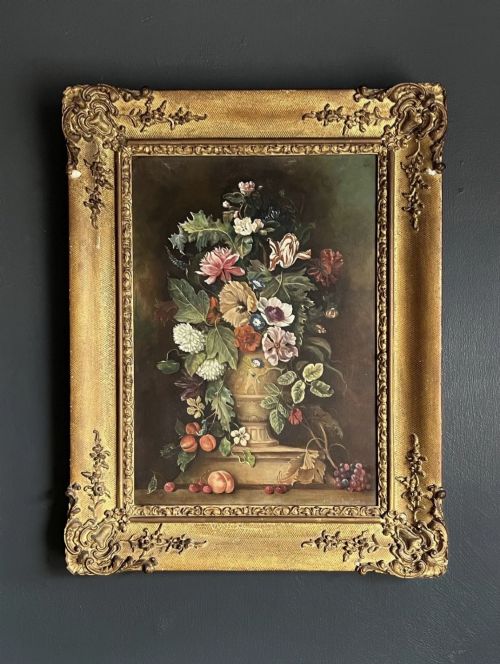
Buyers frequently find domestic paintings housed in gilt gesso frames alongside decorative ceramics featuring hand-painted floral motifs. The physical forms vary from small framed watercolours to large oil paintings designed to dominate a wall.
Materials and Technique
Artists deployed oil paint and watercolour on prepared canvas, wood panel, or thick paper to achieve depth and luminosity in floral depictions. Oil mediums allowed for rich layering in large still lifes, while watercolours provided the transparency needed for precise botanical studies.
Framing played a vital role in presentation, utilising wood frames often embellished with gilt gesso to complement the painted imagery. Ceramics manufacturers applied hand-painted pigments directly onto porcelain surfaces, fixed through firing to preserve botanical detail.
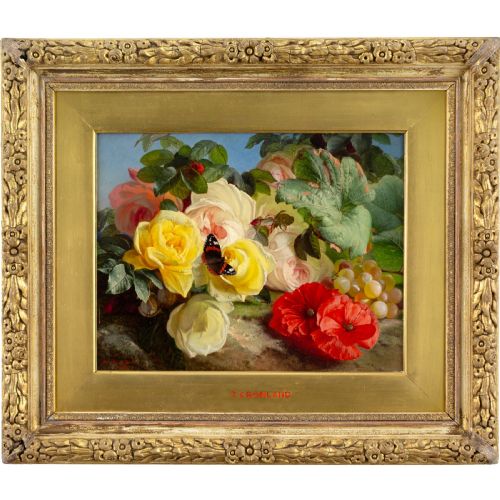
Artists occasionally included wandering insects amongst the painted petals to demonstrate their observational skill.
Distinctions in Execution
The quality of a botanical flower painting rests upon the precision of the draftsmanship and the handling of light across petals and leaves. Superior examples demonstrate acute observation of botanical structures and confident brushwork that brings depth to the arrangement.
Materials contribute significantly to overall standard, as seen in the weight of the canvas, the preservation of the paper, and the craftsmanship of the accompanying gilt frame. Signed works by recognised artists and pieces originating from established porcelain factories command greater attention from discerning collectors.
Grainger Lee And Co·Flight Barr And Barr·Ernest Arthur Rowe·Emma Fordyce MacRae·James Tower
The Botanical Flower Painting Glossary
- Watercolour
- A paint consisting of pigment suspended in a water-based solution, applied to paper to create translucent botanical studies. This medium allowed artists to record fine details of stems and petals with scientific accuracy.
- Gesso
- A plaster-like mixture applied to wood bases as a smooth surface for gilding and framing. It creates the ornate decorative relief seen on many period frames.
- Still life
- A painting depicting inanimate subject matter, typically including cut flowers in vases or baskets alongside fruit. These arrangements allowed artists to explore light, colour, and composition.
- Gilt
- Covered thinly with gold leaf or gold paint. This finish enhances the visual weight and decorative appeal of frames and porcelain services.
Botanical Flower Painting: Frequently Asked Questions
How are botanical paintings dated?
Dating relies on stylistic markers, framing techniques, and artist signatures recorded in the physical work. Pigments and paper types also offer clues regarding the period of production.
Documentation on the reverse or historical attribution helps narrow the creation window to specific decades or reigns.
Where should these paintings hang?
These works suit dining rooms, drawing rooms, and studies where traditional domestic art enhances the interior. Placing them away from direct sunlight protects watercolours and oils from fading.
Pairing framed watercolours with period ceramics creates a cohesive display of botanical themes.
What is the difference between studies and still lifes?
Botanical studies focus on the precise scientific recording of specific plant specimens, often showing roots and individual blooms. Still lifes arrange gathered flowers decoratively within vessels for aesthetic effect.
Both forms celebrate floral subjects but serve different visual and educational purposes.
How do porcelain items fit into this category?
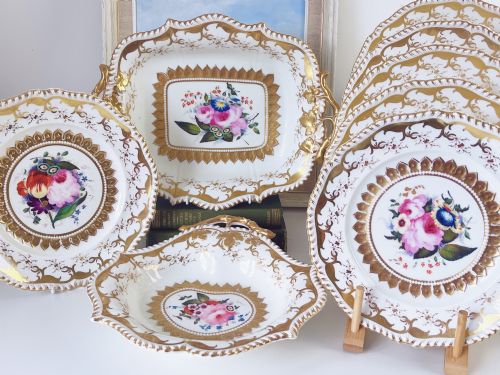
Makers applied botanical paintings directly onto porcelain dessert services, vases, and pot stands. These ceramic pieces functioned as portable art that brought natural imagery to the dining table.
Hand-painted floral motifs on porcelain mirror the styles found on contemporary canvas and paper.