
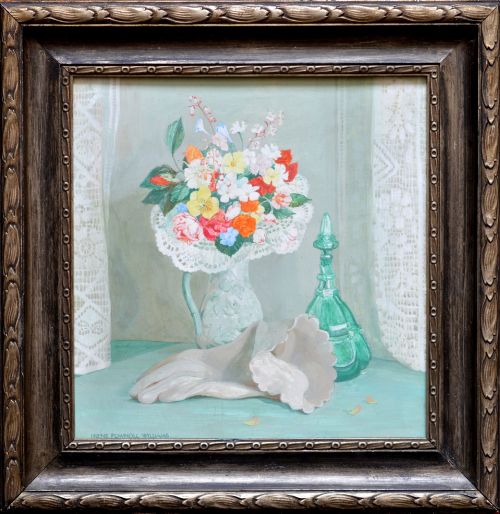
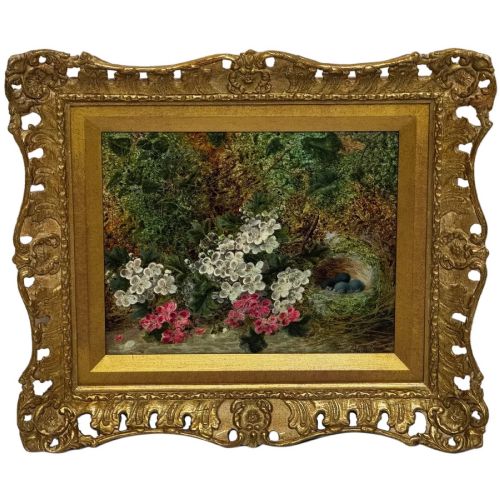
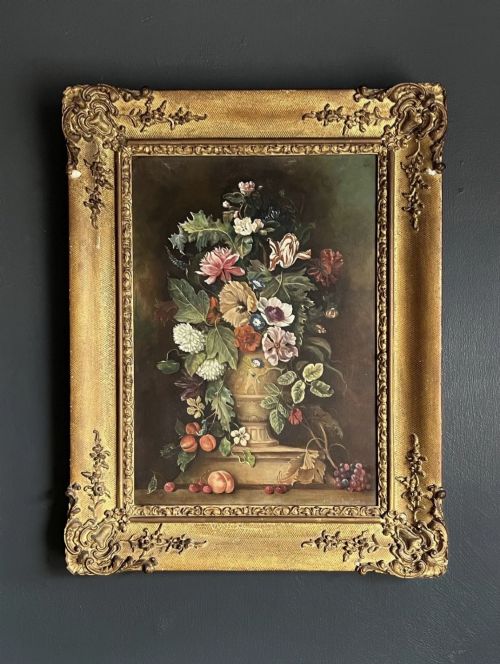
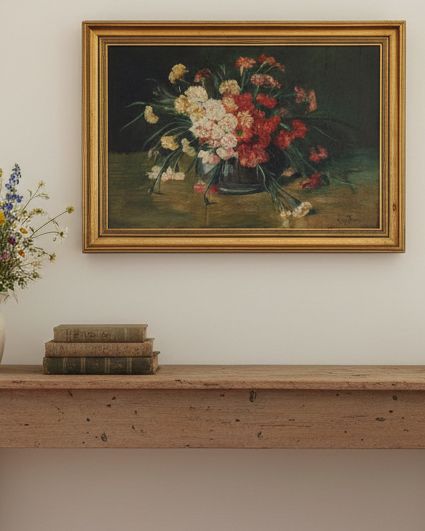
Original Botanical Art
Original botanical art brings together observed nature and painted study, offering enduring depictions of flora that anchor a room.
Original Botanical Art
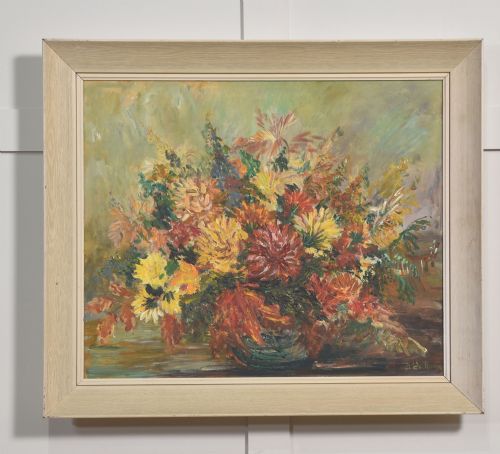
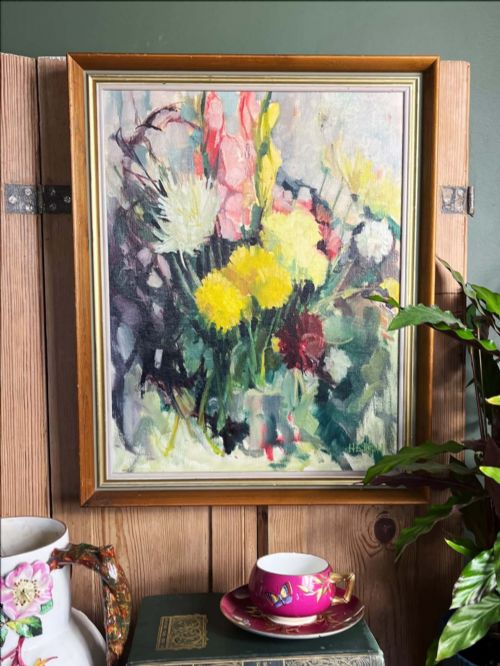
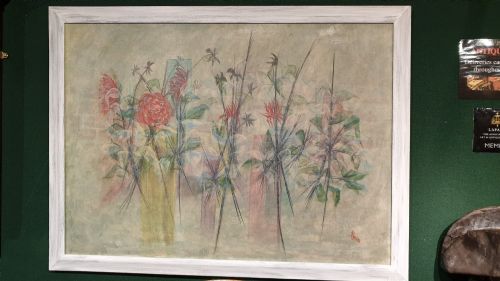
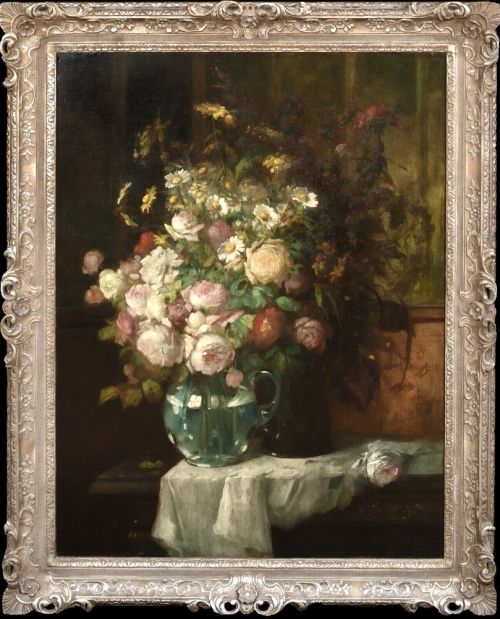
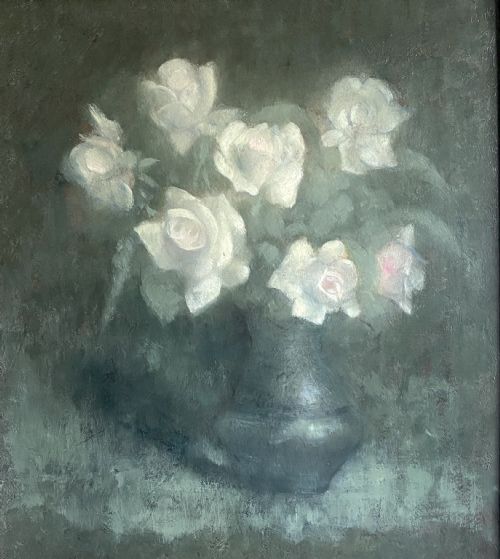
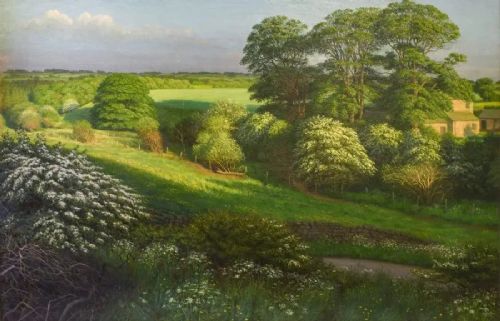
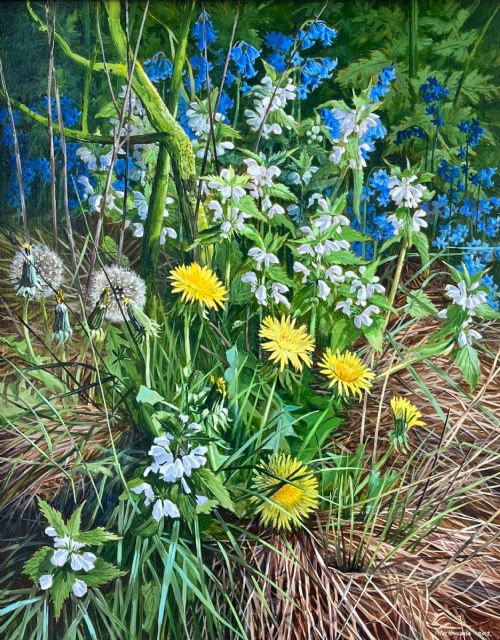
Original botanical art encompasses hand-painted watercolours, oils, and drawings focused on flowers, foliage, and natural subjects. When exploring original botanical art on this page, buyers encounter works ranging from nineteenth-century studies to mid-century impressionist canvases.
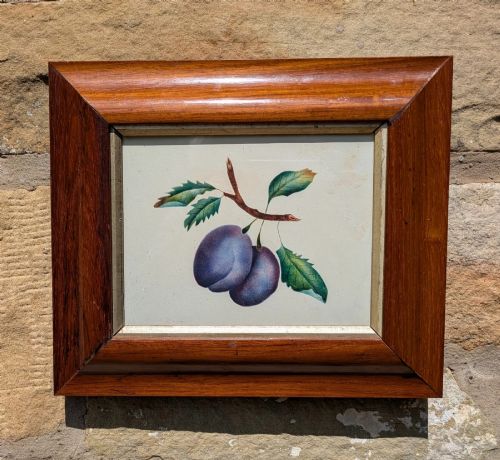
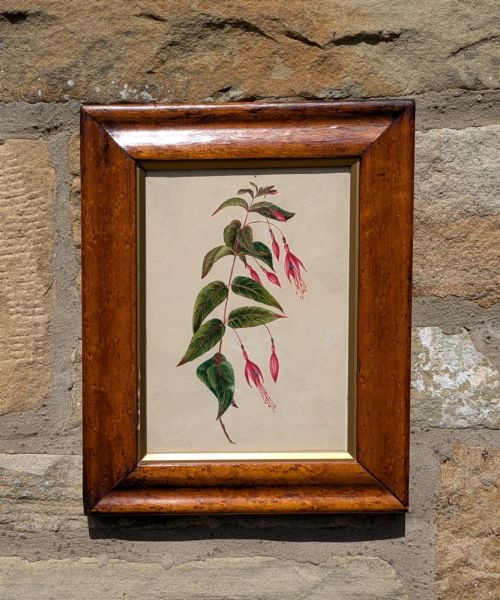
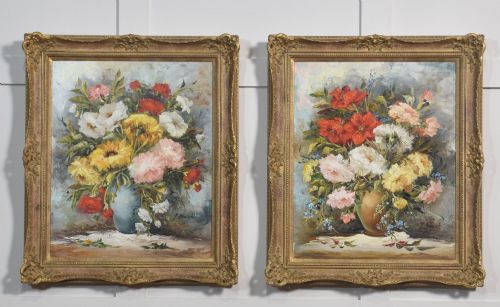
The material forms vary from delicate watercolours housed in rosewood frames to robust oil paintings on canvas and panel. Many pieces capture detailed floral still lifes and garden scenes created across different decades.
Nineteenth-century examples often lean towards precise Victorian watercolours, while later pieces adopt looser impressionist or modernist brushwork. This selection reflects changing artistic interpretations of plants and flowers over time.
Materials and Technique
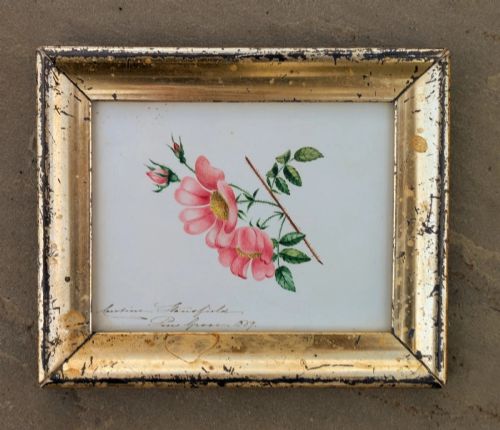
Watercolour on paper remains a primary medium for detailed botanical studies, often paired with pencil or ink underdrawings. These watercolours rely on translucent washes to build the delicate layers of petals and leaves.
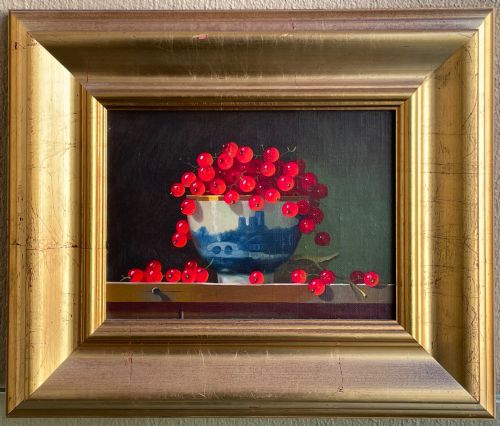
Oil paint on canvas, board, or wood panel forms the other main technical tradition found in these listings. Artists applied oils to achieve rich textures and deep colour saturation in floral and still life compositions.
Framing plays a defining role in the presentation, with period gilt gesso frames, rosewood surrounds, and simple wood mouldings housing the works.
Several pieces capture fleeting garden moments, preserving long-faded blossoms and wartime wartime watercolours from the 1940s.
Quality and Execution
The precision of observation and brushwork distinguishes accomplished botanical works from simpler decorative pieces. Masterful handling of light, shadow, and botanical structure elevates a painting beyond mere illustration.
Condition of the paper or canvas, stability of the paint layers, and originality of the mounting frame contribute to the overall integrity of a piece. Works retaining their period frames and clear artist signatures hold greater historical completeness.
Oliver Clare·Konstantin Stoitzner·John Sherrin·Owen Bowen·James Tower
The Original Botanical Art Glossary
- Watercolour
- A paint consisting of pigment suspended in a water-based solution, applied in translucent washes on paper. It allows for fine detail and delicate colour transitions.
- Oil Paint
- A slow-drying paint made with pigments suspended in a drying oil, typically linseed oil. This medium offers vibrant colour depth and varied surface textures.
- Gesso
- A plaster-like mixture used as a base for paint on wood panels or frames. Gilded gesso frames provide ornate decorative borders for traditional paintings.
- Still Life
- A painting or drawing featuring inanimate subject matter, such as cut flowers, fruit, or household objects. Botanical still lifes focus specifically on floral arrangements and plant specimens.
- Impressionism
- An art style characterised by relatively small, thin yet visible brush strokes and an emphasis on accurate depiction of light. Mid-century interpretations often loosen forms further.
Original Botanical Art: Frequently Asked Questions
How do I date a botanical painting?
Dating relies on stylistic clues, framing materials, artist signatures, and recorded periods. Victorian works often show meticulous detail, whereas mid-century pieces display broader impressionist brushwork.
Paper quality, backing boards, and inscriptions on the reverse also help establish the decade of creation.
Where should I hang botanical art?
These works suit dining rooms, studies, and hallways where their natural subjects complement domestic spaces. Smaller watercolours benefit from intimate viewing spots away from direct sunlight.
Larger oil paintings on canvas make strong focal points above mantelpieces or on feature walls.
How do I care for antique watercolours?
Watercolours require protection from direct sunlight to prevent fading of delicate pigments. Framing behind conservation glass blocks ultraviolet light and safeguards the paper.
Maintaining stable indoor humidity prevents warping of the paper and degradation of the mount.
What is the difference between watercolours and oils in this genre?
Watercolours capture botanical precision and delicate transparency on paper supports. They are traditionally smaller works intended for close inspection.
Oil paintings utilise thicker pigments on canvas or board to create heavier texture and bolder colour impact for wall display.