
Victorian Botanical Painting
When you search for victorian botanical painting, you encounter detailed watercolours, oils and porcelain works capturing flowers and nature from the nineteenth century.
Victorian Botanical Painting
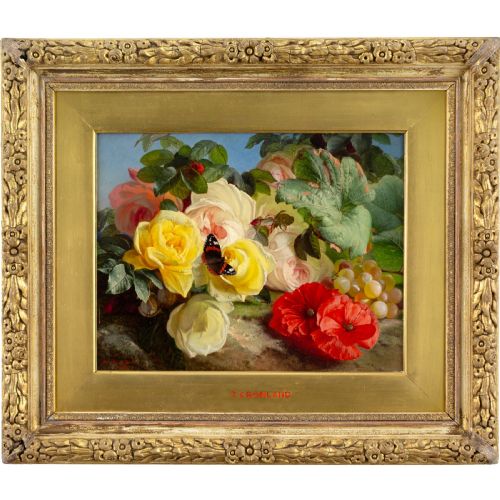
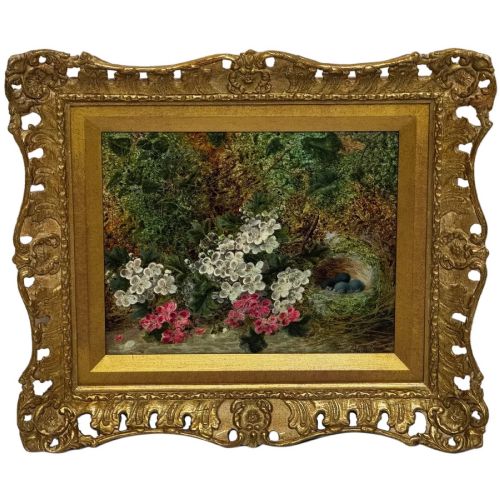
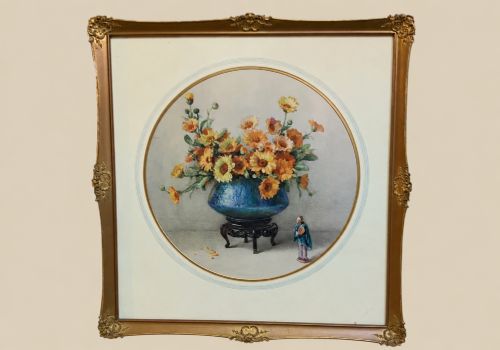
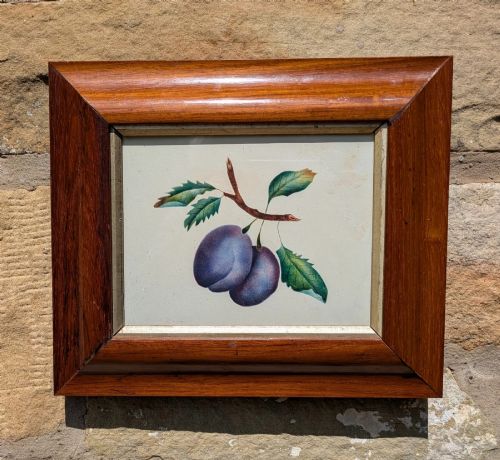
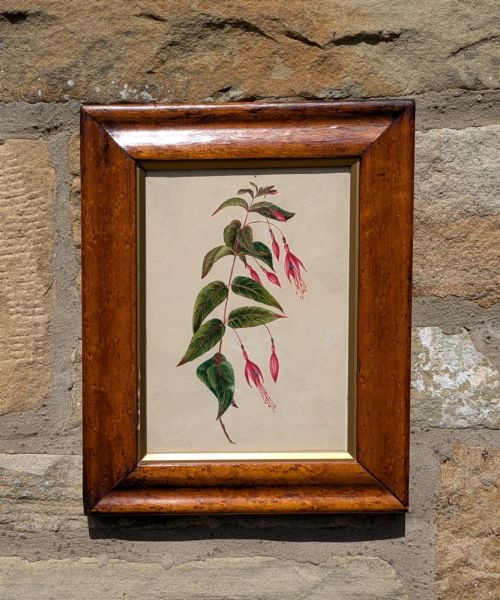
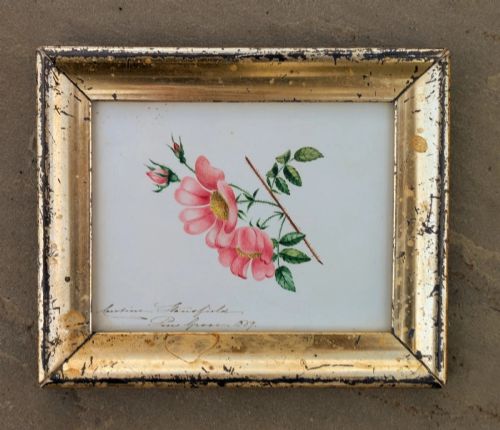
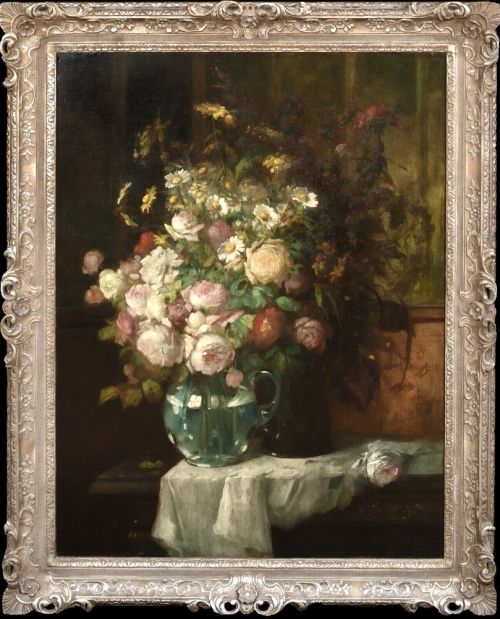
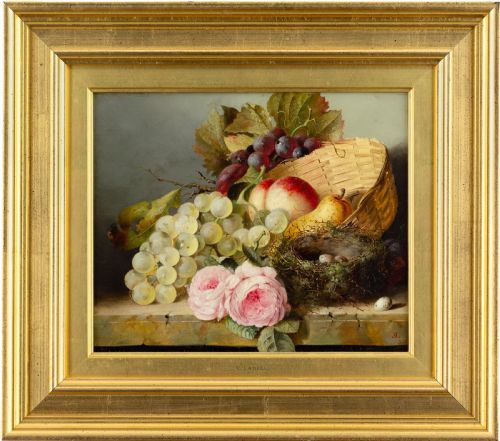
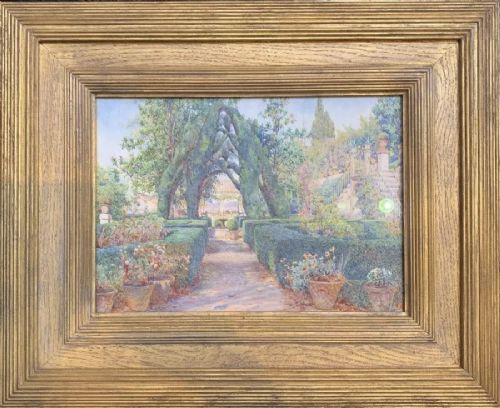
A victorian botanical painting captures detailed studies of flora, fruit and garden scenes from the nineteenth century, reflecting a deep Victorian fascination with natural history. These works range from delicate watercolours on paper to heavier oil paintings on canvas, frequently housed within period wood frames.
You meet these pieces primarily in nineteenth-century watercolours and oils depicting roses, plums, fuscias and woodland scenes. Artists such as Oliver Clare, Edward Ladell and Alice Anne Renshaw produced works that document garden flora with scientific precision and artistic composition.
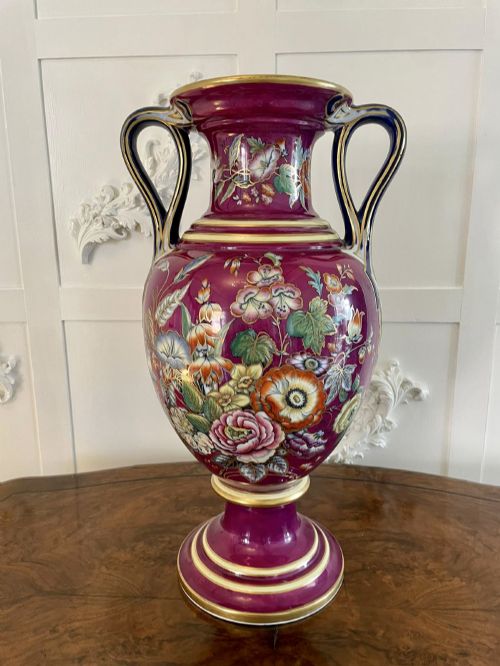
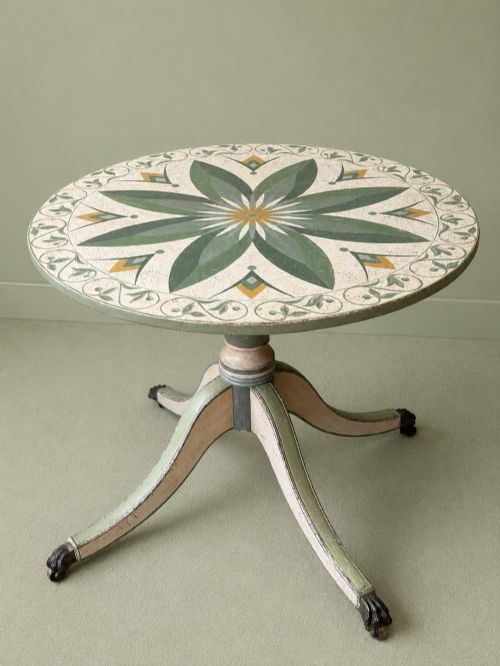
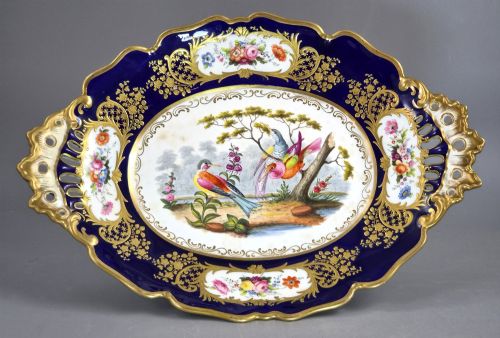
Beyond framed works on paper and canvas, botanical and floral painting extends onto porcelain dishes, tiles and decorative objects from makers like Coalport, Minton and Royal Doulton. These varied items bring painted floral motifs into functional household forms, uniting fine art with decorative utility.
How they were made
Painters used watercolour and gouache on paper to achieve fine, translucent botanical details, or applied oil paint on canvas to build rich textures in floral still lifes. These pigments captured exact shades of petals, leaves and stems through careful layering and brushwork.
Ceramic artists painted botanical subjects directly onto porcelain bodies using enamel colours, often incorporating gold leaf highlights before firing the pieces in kilns. This technique fixed the floral designs permanently onto plates, vases and cabinet dishes.
Victorian Botanical Painting Retail Price Guide 2026
Typical asking prices for victorian botanical painting among the pieces listed under this phrase on Sellingantiques today, from the lower quarter to the upper quarter. They describe what is for sale here now, not the wider market.
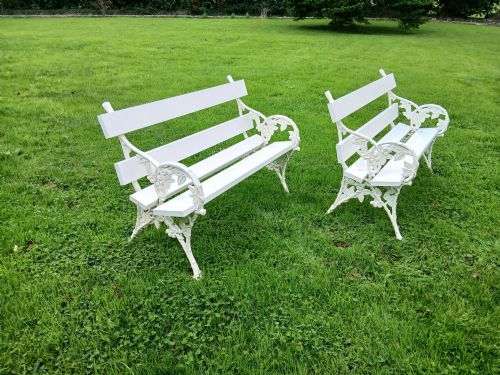
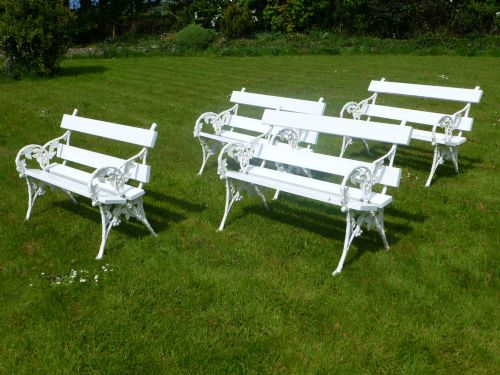
Cast iron garden benches are painted with blackberry and leaf motifs, bringing hedgerow botany directly onto outdoor seating.
What varies in quality
The precision of brushwork and the accuracy of botanical rendering distinguish finer watercolours and oils from simpler decorative pieces. Master artists achieved lifelike depth in petals and foliage through controlled light and shadow, whereas lesser works remain flat and stiff.
The harmony between the painted subject and its mounting or support influences overall merit. Original rosewood or ornate period frames and well-preserved porcelain grounds with intact gilding elevate the integrity of the piece.
Falkirk Carron Foundry·Coalport·Minton·Royal Doulton
The Victorian Botanical Painting Glossary
- Watercolour
- A paint consisting of pigment suspended in a water-based solution, applied to paper to create translucent botanical studies. It was the primary medium for field sketches and detailed floral portraits.
- Gouache
- An opaque water-based paint containing pigment and a binding agent, often combined with watercolour in nineteenth-century works to add solid highlights to petals and leaves.
- Porcelain
- A ceramic material made by heating raw materials in a kiln, providing a smooth white ground for hand-painted floral decoration on plates and vases.
- Gold Leaf
- Gold beaten into extremely thin sheets, applied to frames and porcelain surfaces for decorative gilding. It accentuates the borders of fine plates and the carved details of antique frames.
- Aesthetic Movement
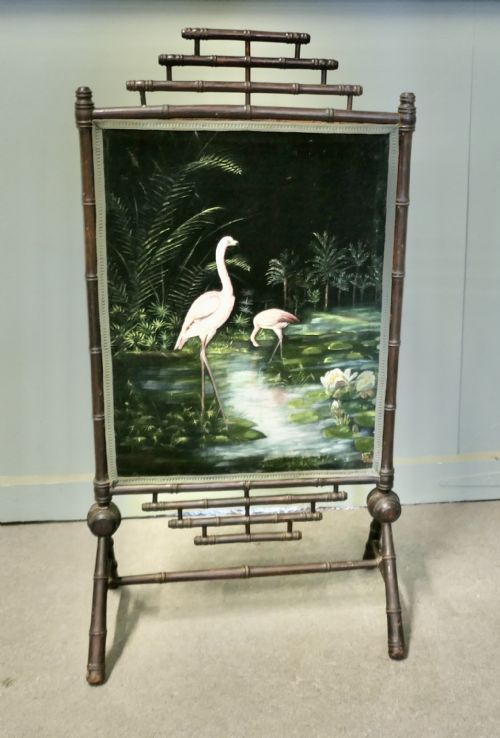
- A late nineteenth-century design style emphasising visual beauty over narrative, visible in ceramics and paintings featuring Japanese-inspired motifs alongside botanical subjects.
Victorian Botanical Painting: Frequently Asked Questions
What subjects appear in these paintings?
These works depict roses, poppies, fruit, garden landscapes and woodland flowers. Artists recorded specific blooms with close attention to natural structures.
Subjects also extend to birds and nests nestled among floral arrangements, reflecting nineteenth-century scientific and decorative interests.
How do watercolours differ from oils here?
Watercolours utilise paper supports and rely on transparent washes to capture delicate petal structures. They require protective framing behind glass to prevent environmental damage.
Oil paintings use canvas or panel supports with heavier, buildable pigments. This medium allows for deep textures in fruit and flower still lifes without glass protection.
Where were these botanical items produced?
Framed works and paintings originated across Britain and Europe through individual artists and academic painters. Many botanical studies emerged from rural sketching tours and domestic gardens.
Ceramic pieces bearing botanical designs came from established factories such as Coalport, Minton and Royal Doulton. These potteries employed specialised artists to hand-paint porcelain bodies.
How should I display them at home?
Hang framed watercolours and oils away from direct sunlight to preserve delicate pigments and paper supports. Maintain stable indoor humidity levels to protect nineteenth-century wooden frames and canvases.
Display porcelain cabinet plates and vases on secure stands or within enclosed cabinets. This placement protects fragile painted enamel and gilt surfaces from accidental knocks.