


Antique Floral Watercolour
When you search for an antique floral watercolour, you are looking at delicate studies of garden blooms and wild plants preserved on paper through the centuries.
Antique Floral Watercolour
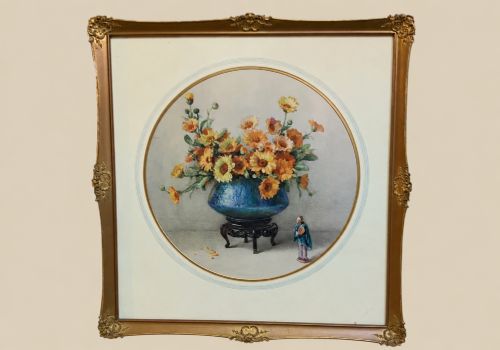
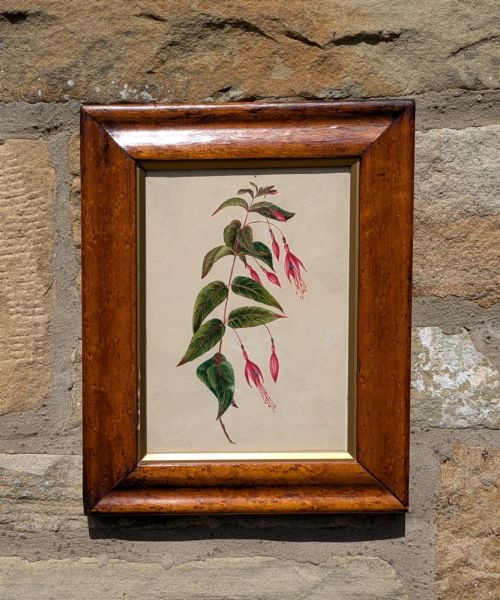
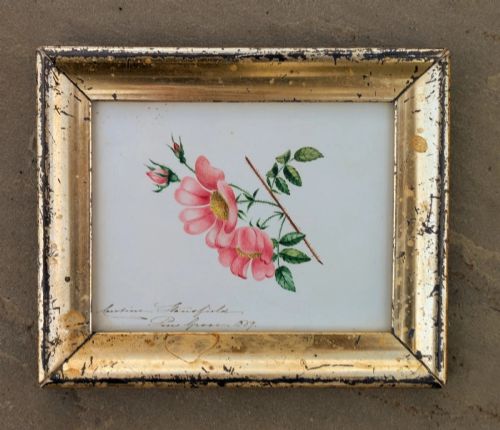
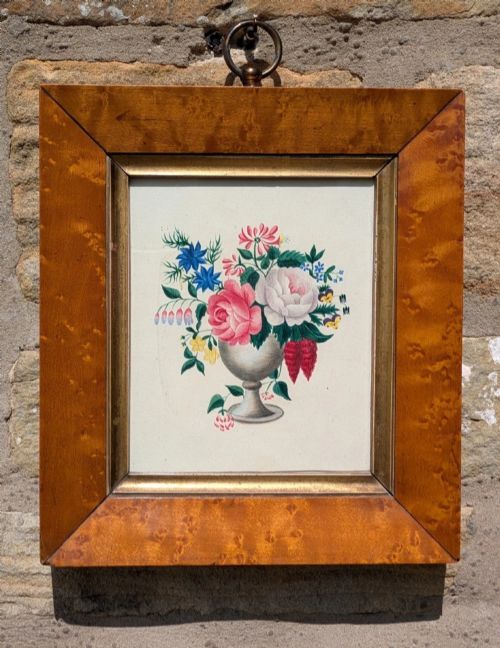
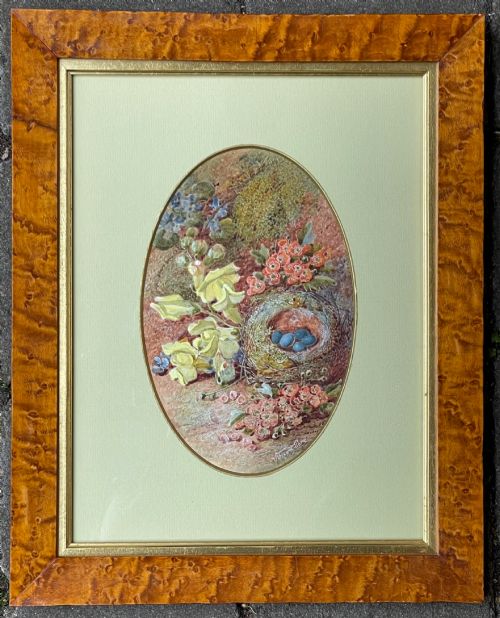
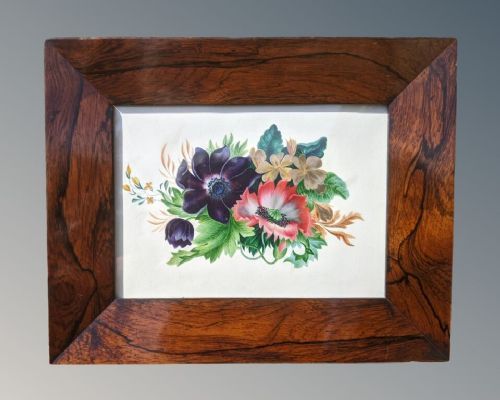
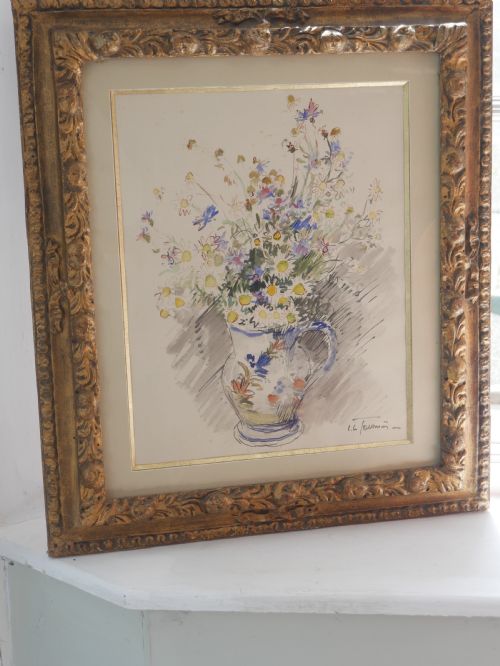
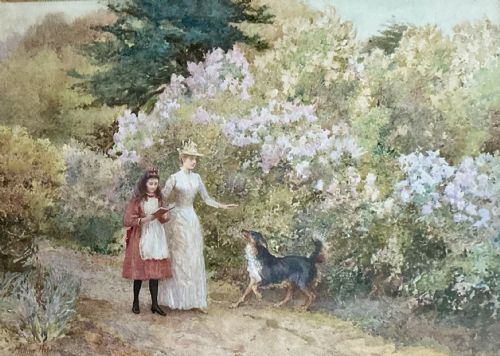
An antique floral watercolour captures botanical subjects and garden arrangements through pigment applied to paper, often presented behind glass in traditional framing. These works range from precise Victorian botanical studies to looser Impressionist compositions of garden landscapes and still life arrangements in jugs or baskets.
The pieces on this page lean heavily towards nineteenth-century and early twentieth-century British traditions, spanning the Victorian and Edwardian eras through to the 1950s. You will frequently encounter specific studies of roses, fuscias, and azaleas alongside broader depictions of walled cottage gardens and rural landscapes.
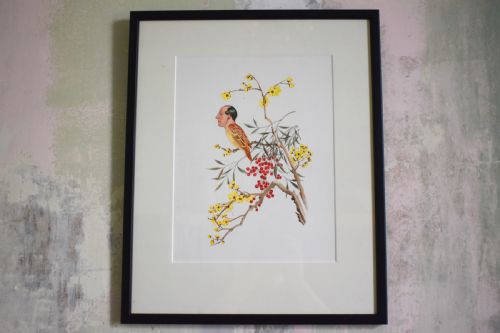
Beyond purely British works, the selection encompasses continental European pieces and occasional Chinese export examples on silk or paper. Forms vary from intimate framed artwork and wall paintings to detailed botanical sets and decorative still lifes.
How they were made
Artists built these compositions primarily using watercolour pigment and gouache on paper support, occasionally supplemented with pencil underdrawing or ink. The heavier opaque quality of gouache was frequently employed alongside translucent watercolour washes to give depth and body to floral petals and leaves.
Presentation was integral to the medium, with works typically housed beneath glass within wooden frames, sometimes featuring gilt ornamentation or specialised pewter frames from the Aesthetic Movement. The combination of water-soluble pigments and paper meant that careful framing was essential from the outset to protect the delicate surface from moisture and light damage.
Antique Floral Watercolour Retail Price Guide 2026
Typical asking prices for floral watercolour among the pieces listed under this phrase on Sellingantiques today, from the lower quarter to the upper quarter. They describe what is for sale here now, not the wider market.
Several artists managed to paint entire gardens without ever getting their boots muddy.
What varies in quality
The distinction between ordinary and exceptional works rests upon the precision of the botanical observation and the fluidity of the brushwork. Master painters captured the ephemeral translucency of petals and the natural weight of stems with a sure hand, whereas lesser examples can feel stiff or overly mechanical in their execution.
Condition and presentation also play a fundamental role, as works preserved with strong, unfaded pigments and original period framing command greater attention. The integration of the subject matter - whether a simple study of primroses on a mossy bank or a complex garden landscape - determines the visual impact of the piece on the wall.
Vincent Clare·Catherine Thomas·Alice Anne Renshaw·Harry Wanless·Henrietta Creswell·Arthur Hopkins·William Edward Fox·Theresa Stannard·Lester Sutcliffe·Lilian Stannard·William Hough·Eloise Harriet Stannard·Edith Barrow·Grace Hastie·Marian Chase·Alfred W. Parsons·Jabez Bligh·Owen Bowen·Charlotte Isa James·David Woodlock·Alice Macallan Swan·Marion Broom·Annie Mary Youngman·Edith Alice Andrews·Jane Utley
The Antique Floral Watercolour Glossary
- Gouache
- An opaque water-based pigment made by mixing watercolour with a white filler, used by artists to add solid highlights and body to floral studies.
- Botanical study
- A detailed, scientifically accurate depiction of a plant species, often created to record the precise structure of flowers and foliage.
- Aesthetic Movement
- A late nineteenth-century design approach emphasising beauty and craftsmanship over narrative content, frequently seen in decorative framing.
- Still life
- An artwork depicting inanimate subject matter, typically featuring cut flowers arranged in vases, jugs, or baskets.
- Gilt wood
- Wood coated with a thin layer of gold leaf or gilt paint, commonly used for traditional picture framing during the Victorian era.
Antique Floral Watercolour: Frequently Asked Questions
How do I care for an antique floral watercolour?
Keep these works away from direct sunlight to prevent the pigments from fading over time. Maintaining a stable indoor environment without excessive humidity protects both the paper support and the original framing.
Ensure the artwork remains securely sealed behind glass to guard against airborne dust and atmospheric pollutants. Professional framing with acid-free backing materials will help preserve the paper for future years.
Are these paintings original or prints?
Every piece recorded here is an original hand-painted artwork created directly on paper or silk using pigments and gouache. You can often observe the subtle texture of brushstrokes and the physical imprint of the paint upon close inspection.
Unlike mechanical reproductions, genuine watercolours show individual variations in tone and touch from the artist's hand. Examining the surface under magnification will reveal the unique pooling of washes characteristic of the medium.
What is the difference between Victorian and Edwardian styles?
Victorian floral watercolours often feature dense, highly detailed compositions such as flowers resting on mossy banks or tightly packed still lifes in decorative jugs. The mood tends towards rich botanical accuracy and structured arrangement.
Edwardian works generally embrace a lighter, more impressionistic touch, capturing open garden landscapes and looser floral groupings. The palette often feels brighter, reflecting a shift towards naturalistic outdoor settings and looser brush techniques.
How can I tell the period of a watercolour?
Dating relies heavily on stylistic cues, framing materials, and the handwriting of signatures or inscriptions on the reverse of the paper. Victorian pieces often lean towards formal botanical studies and heavy gilt frames, while later twentieth-century works display freer impressionistic strokes.
Reference to known artists active within specific decades provides a reliable anchor for dating. Comparing the subject matter and framing style to documented examples from the same era confirms the period.