
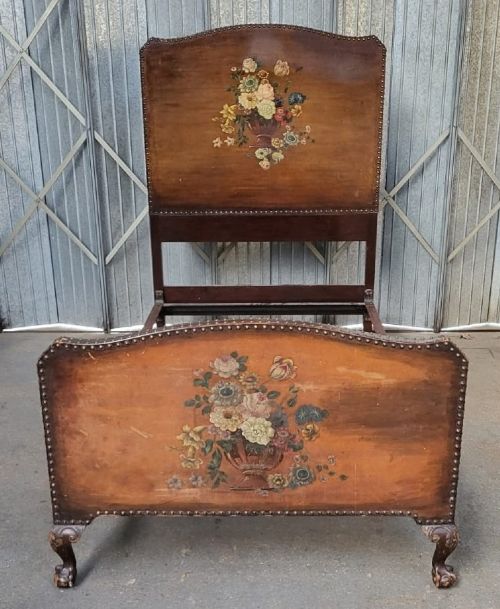
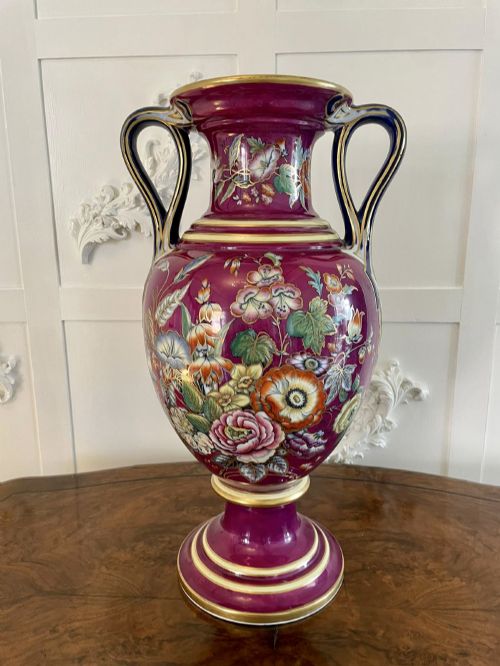
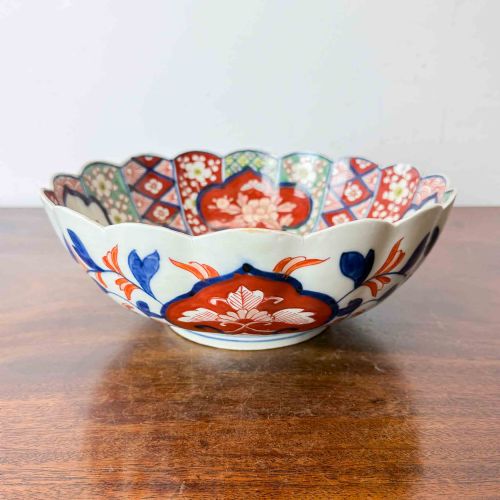
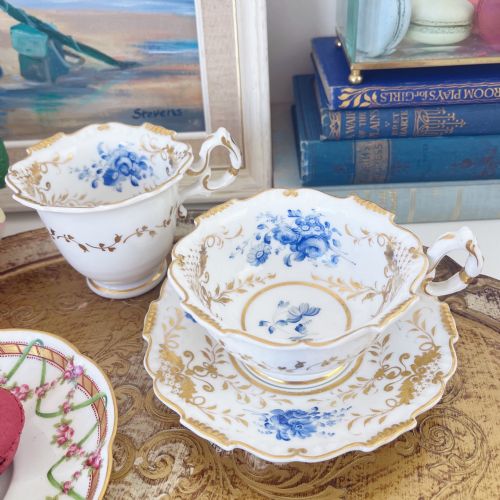
Antique Floral Painting
These antique floral painting works bring centuries of botanical study and still life tradition straight into your rooms.
What these pieces are
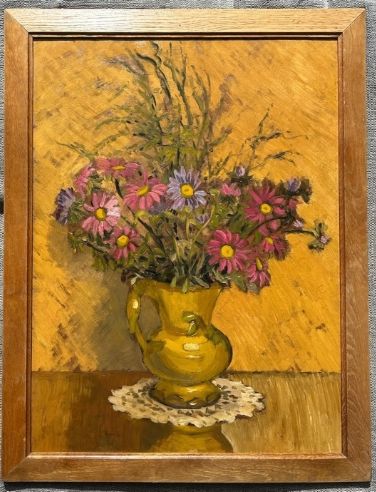
An antique floral painting captures botanical studies and still life arrangements across various periods including Regency, Victorian, and the early twentieth century. You will encounter works rendered in watercolour, gouache, and oil on panels, canvas, card, paper, and metal.
The subjects range from simple botanical watercolours and summer flower vases to complex arrangements in urns and baskets. Pieces vary from intimate framed artwork to substantial oil paintings presented in gilt wood frames.
The selection includes British Impressionism, Neoclassical influences, and Arts and Craft aesthetic movement designs. Works appear both unsigned by school artists and signed by named painters such as Lester Sutcliffe and Isabelle Cohen.
How they were made
Artists applied watercolour and gouache onto paper or created oil paintings on canvas, wood panels, card, and metal panels. Some pieces utilise reverse glass painting techniques or ink and watercolour on silk.
Frames play a crucial role in the presentation, constructed from gilt wood, burr wood, and metal featuring floral motifs and gold leaf finishing. Supporting structures range from traditional stretchers to baroque rococo floral frames.
Retail Price Guide 2026
Typical UK retail prices for floral painting, calculated from the Sellingantiques database of over a million retail prices indexed since 2003. This retail price guide relies exclusively on Sellingantiques data; no external sources or auction records are used, so the figures do not describe the wider market.
Periods recorded in the archive and current offerings span Regency, 1800, 1890, 1910, and 1950.
What varies in quality
Quality rests in the handling of pigment, the precision of botanical detail, and the depth of the composition. Stronger examples show confident brushwork and balanced lighting within the vase or still life arrangement.
The execution of the surrounding frame influences the overall character, with original gilt wood and period frames matching the status of the artwork. The choice of durable support materials like wood panels and canvas also contributes to longevity.
Lester Sutcliffe·Isabelle Cohen·H C Mellor·W E Littlewood
The Antique Floral Painting Glossary
- Gouache
- An opaque watercolour medium that uses a white pigment binder to create solid, matte colour areas.
- Still life
- An artwork depicting inanimate subject matter, typically commonplace objects such as flowers in a vase.
- Gilt wood
- Wood that has been treated with a thin layer of gold leaf or metallic powder for a reflective finish.
- Neoclassical
- A style drawing inspiration from the classical art and culture of ancient Greece and Rome.
- Panel
- A rigid flat piece of wood or metal used as a supportive surface for painting instead of canvas.
Frequently Asked Questions
How do I date an antique floral painting?
Dating relies on examining the substrate materials, framing style, and artistic conventions visible in the brushwork. Archival evidence shows shifts from late eighteenth-century panels to early twentieth-century boards and canvases.
Period signatures, inscriptions on the reverse, and stylistic markers such as Arts and Craft movements further narrow down the decade of creation.
What is the difference between watercolour and oil floral paintings?
Watercolour works are executed on paper or silk using water-soluble pigments, often resulting in a lighter and more translucent botanical study. They typically require glass framing for protection.
Oil paintings utilise pigments bound in drying oils applied to canvas, wood panels, or metal, offering richer textures and deeper tones that can be displayed without glass.
How should I display floral paintings at home?
These artworks suit various interior settings, from traditional period rooms to contemporary spaces, depending on the framing and scale. Pairing works with original gilt wood frames adds traditional weight to a wall.
Ensure paintings are kept away from direct sunlight and excessive moisture to protect delicate watercolours and oil pigments over time.
Are these paintings signed by the artists?
Some pieces feature legible signatures from period artists such as Lester Sutcliffe and Isabelle Cohen, while others are attributed to specific schools or makers.
Unsigned works remain common, representing school pieces and anonymous studies created during the Regency, Victorian, and Edwardian eras.