






Carved Giltwood Framed Art
When you search for carved giltwood framed art, you encounter centuries-old portraiture and fine paintings held within ornate wooden surrounds.
Carved Giltwood Framed Art
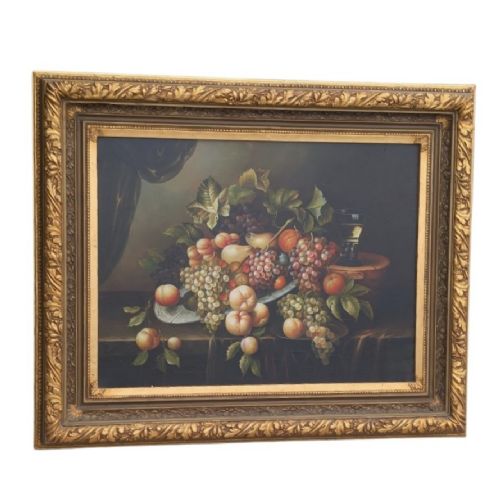
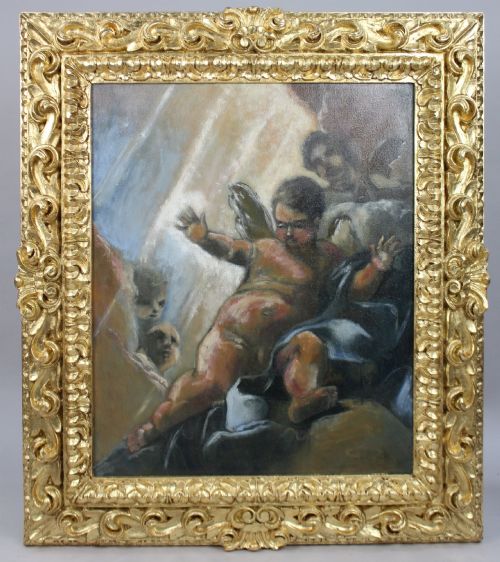
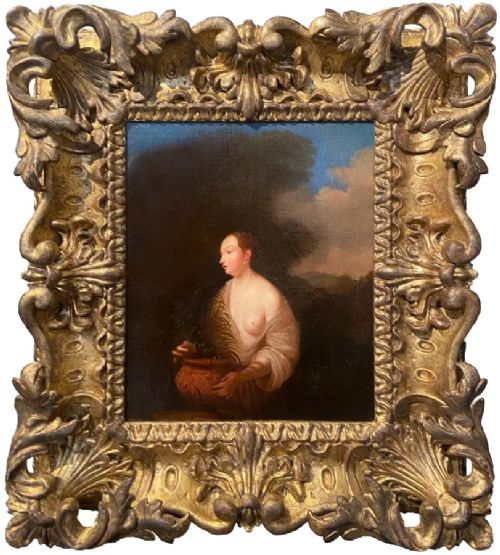
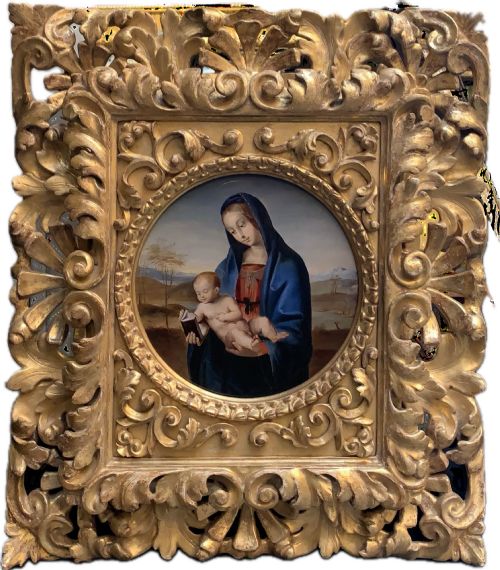
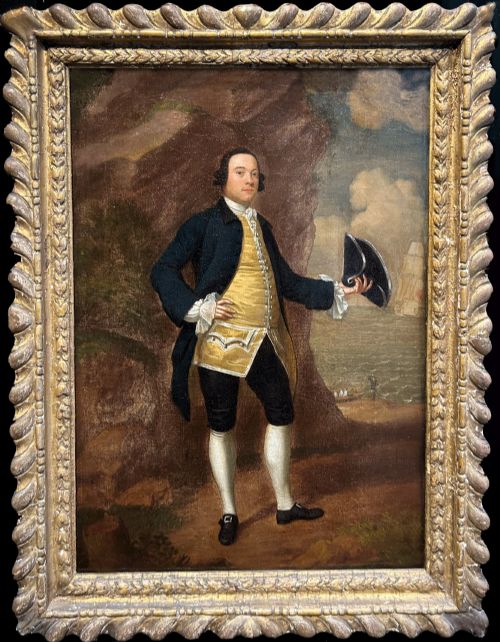
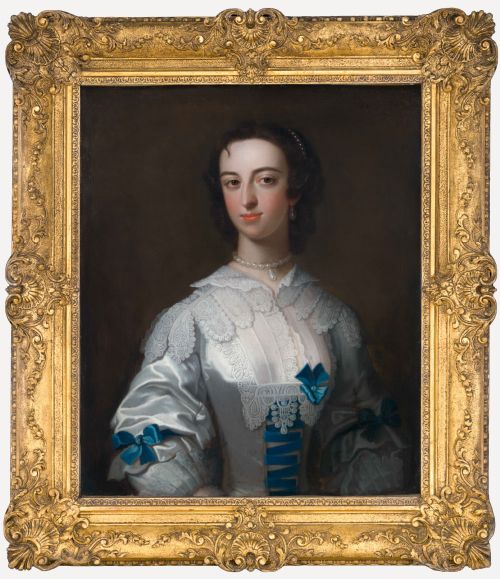
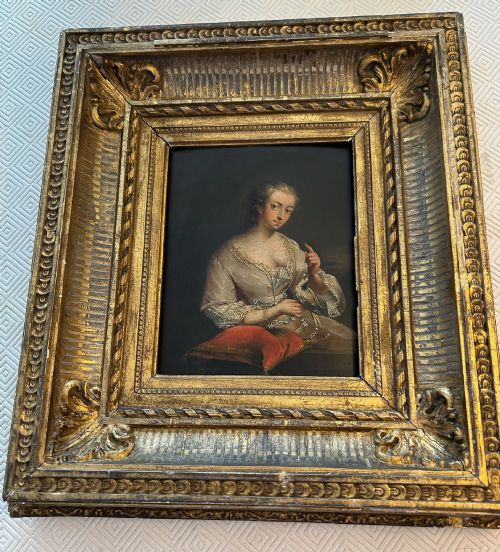
Carved giltwood framed art encompasses historical oil paintings, portraits, and decorative panels enclosed within elaborately worked wooden surrounds coated in gold leaf. Buyers exploring this selection encounter centuries of artistic expression, ranging from Renaissance and Baroque religious and royal portraits to later Victorian landscape and animal subjects.
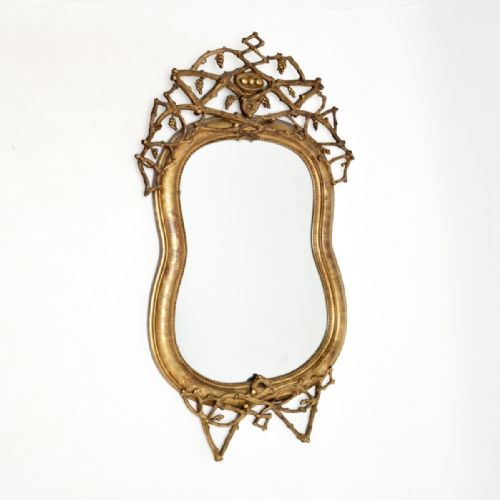
The objects on this page predominantly take the form of oil paintings on canvas set into heavy gesso and giltwood frames, alongside standalone antique picture frames and mirrors. Pieces stretch across the sixteenth through the twentieth centuries, reflecting diverse European schools including English, Italian, Dutch, and Flemish traditions.
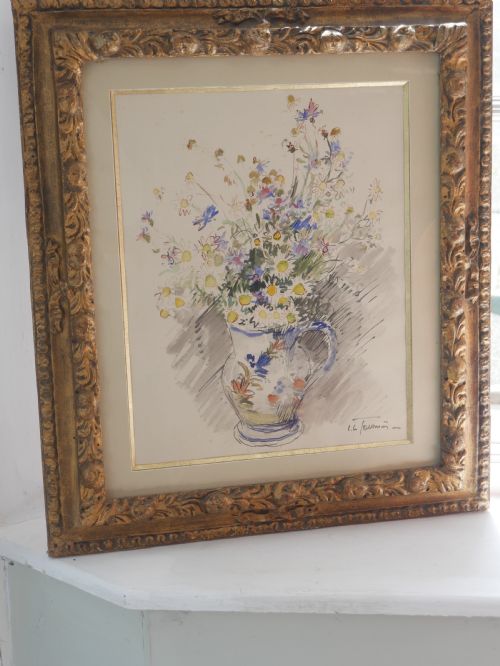
Many items present historical subjects, noble figures, and biblical scenes executed by regional schools or followers of notable masters. Alongside traditional paintings, the inventory includes occasional variations such as needlepoint tapestries and painted porcelain plaques housed in matching ornate surrounds.
Materials and Construction
The physical objects rely on timber as the foundational support for both the canvas stretcher and the intricate framing elements. Artisans applied layers of gesso to the carved wood surface, creating a smooth preparation layer designed to receive the delicate application of gold leaf or surface gilding.
Paintings utilise oil on canvas applied with fine brushwork, capturing rich details in fabric, armour, and flesh tones using traditional drying oils and pigments. Frames display manual carving directly into the timber or moulded gesso relief work that defines the scrolling leaf, floral, and architectural motifs characteristic of various periods.
Carved Giltwood Framed Art Retail Price Guide 2026
Typical asking prices for carved giltwood framed art among the pieces listed under this phrase on Sellingantiques today, from the lower quarter to the upper quarter. They describe what is for sale here now, not the wider market.
Several seventeenth-century portraits share wall space with an unexpectedly cheerful nineteenth-century painting of a monkey.
Assessing Quality and Execution
Quality within these works rests upon the depth and crispness of the manual carving on the frame and the anatomical precision within the painted canvas. Superior examples display sharply defined gesso ornamentation and nuanced brushwork that reveals natural texture in hair, lace, and expression.
The harmony between the artwork and its surrounding frame dictates visual success, as period-correct pairings maintain the structural and aesthetic integrity intended by the original makers. Preservation of the original gold leaf and the stability of the canvas ground further separate standard decorative items from museum-calibre survivals.
Sir Anthony van Dyck·Thomas Murray·Benjamin Barker of Bath·Henry Pickering·Nicolaes Maes·Sir Joshua Reynolds·Jan Evert Morel·Thomas Sidney Cooper
The Carved Giltwood Framed Art Glossary
- Giltwood
- Wood that has been coated with gold leaf or gold powder. This finish provides a luminous, reflective surface that catches candlelight and natural illumination.
- Gesso
- A plaster mixture consisting of a binder mixed with chalk, gypsum, or pigment. Artisans use this substance to coat wooden frames before carving intricate surface details.
- Oil on canvas
- Pigments bound in a drying oil medium applied to a stretched woven fabric support. This technique allowed artists to achieve rich colour depth and subtle blending.
- Baroque
- An artistic style prevalent from the late sixteenth to early eighteenth century characterised by dynamic movement, drama, and rich detail. Works from this era often feature deep chiaroscuro and elaborate ornamentation.
Carved Giltwood Framed Art: Frequently Asked Questions
What periods do these pieces span?
The available selection spans from the sixteenth century through the mid-twentieth century, encompassing Renaissance, Baroque, Georgian, and Victorian eras.
Earlier items often reflect seventeenth-century Dutch or Flemish portrait traditions, while later entries include nineteenth-century landscapes and animal studies.
How should I clean giltwood frames?
Giltwood surfaces require gentle dusting with a soft, dry brush to prevent the delicate gold leaf layer from lifting or wearing away over time.
Moisture and chemical cleaners should be strictly avoided to protect the underlying gesso and historical finish.
What subjects appear most frequently?
Portraiture dominates the selection, featuring noble figures, military officers, and children rendered by various European schools and circle artists.
Landscapes, animal scenes, and religious narratives after master painters also form a significant portion of the available artwork.