

Impressionist Floral Painting
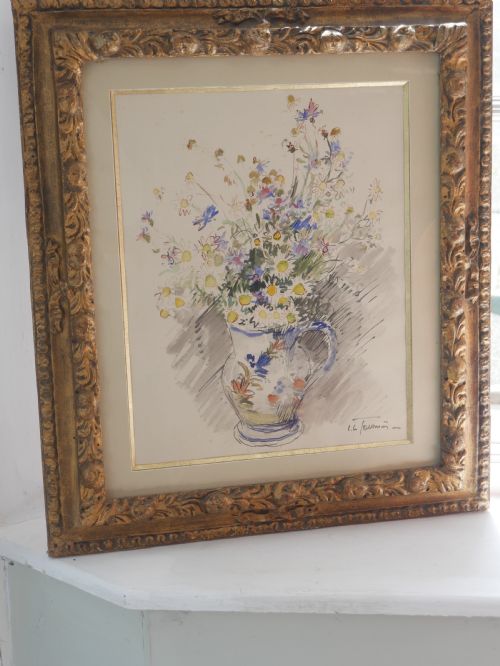
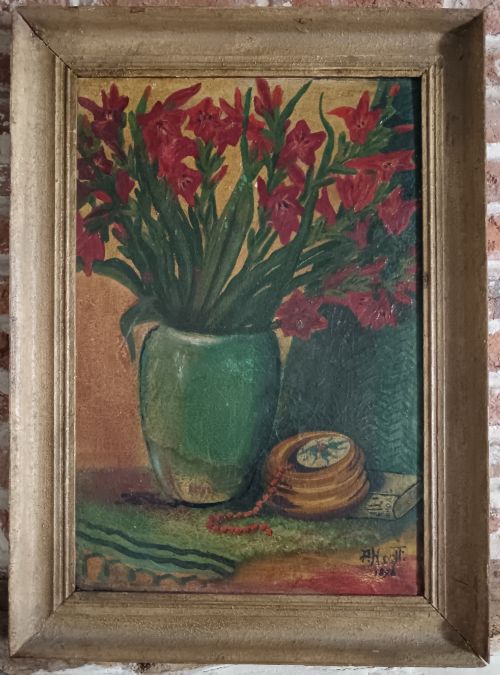
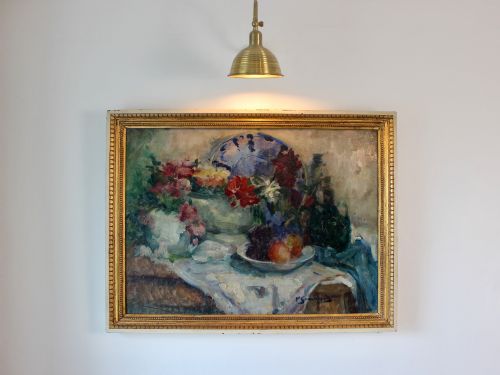
Impressionist floral painting brings light, texture and colour to a wall through loose brushwork and vibrant botanical subjects.
Impressionist Floral Painting
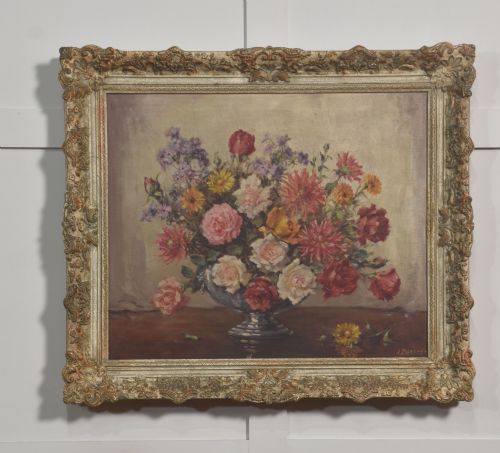
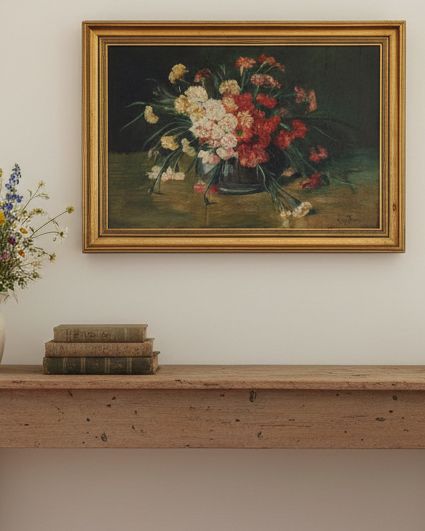
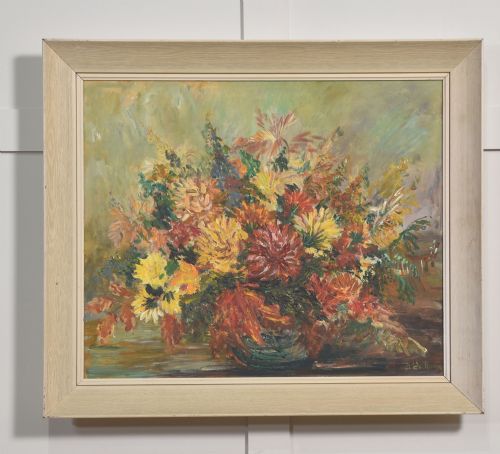
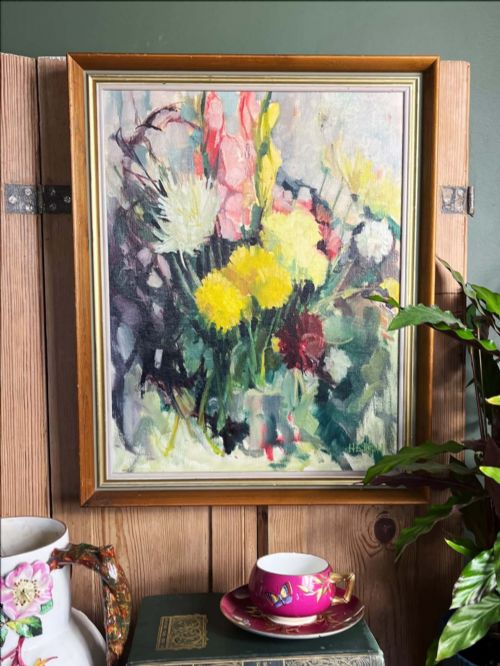
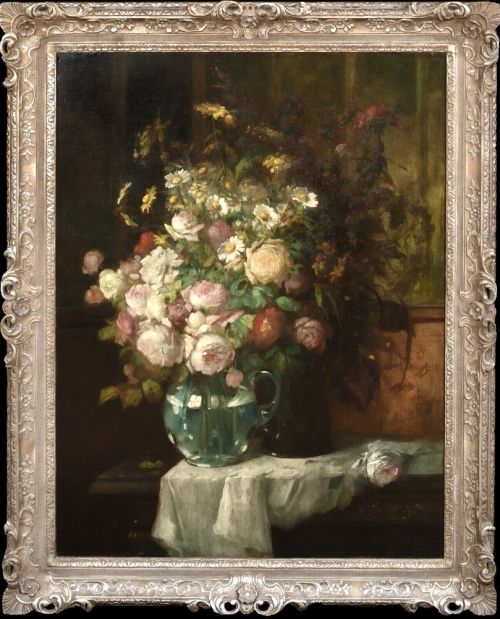
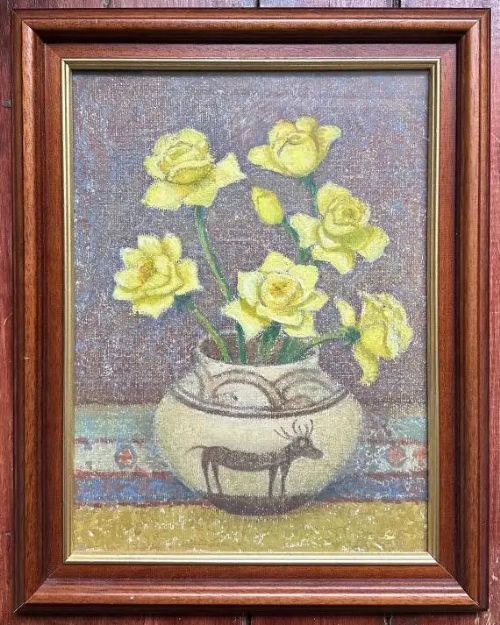
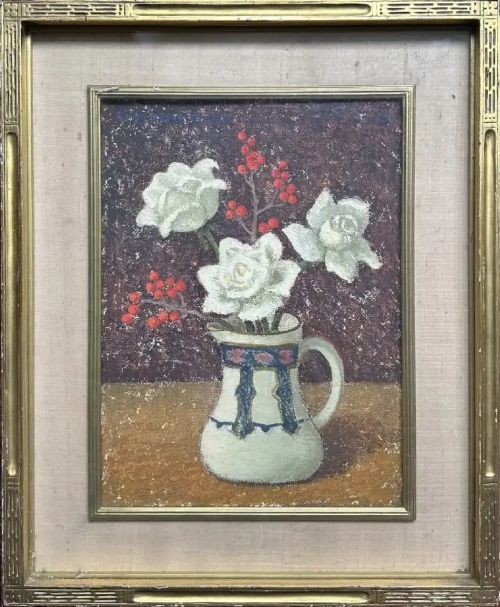
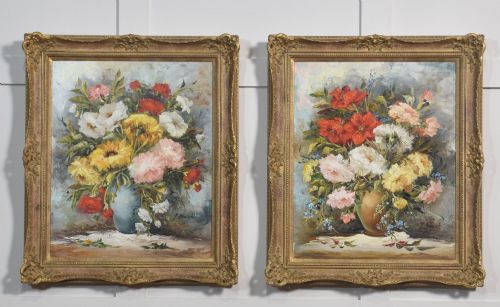
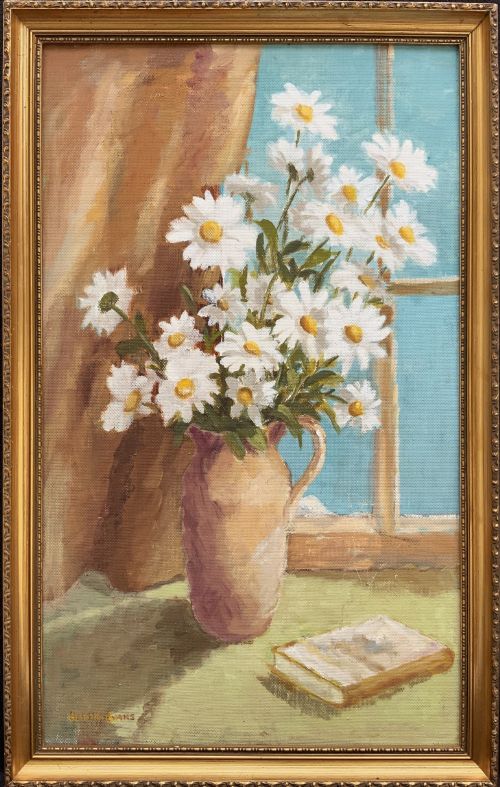
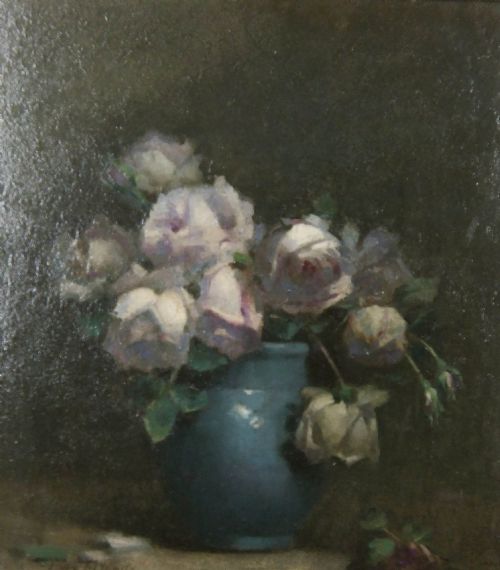
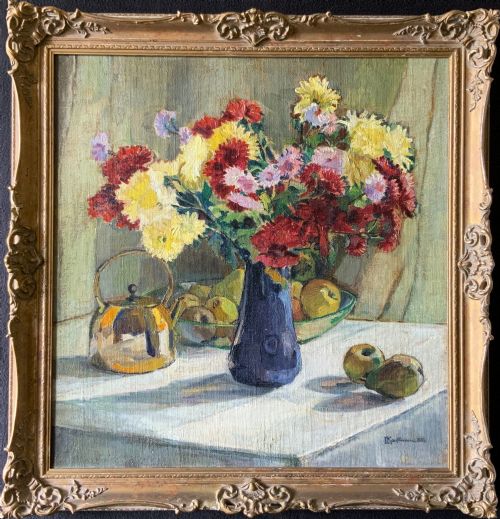
Impressionist floral painting captures flowers, vases and garden scenes through loose brushwork and a focus on natural light rather than rigid botanical precision.
Most pieces seen here originate from the nineteenth century through to the mid-twentieth century, encompassing British Impressionism, Post-Impressionism and Mid-Century Impressionism.
The dominant forms are oil paintings and watercolours depicting still lifes, garden views and vases of summer flowers.
Materials and technique
Artists built these works primarily using oil paint on canvas or board, alongside watercolours and gouache on paper.
Supports often include wooden stretchers and heavy gesso grounds, occasionally housed within gilt or decorative frames.
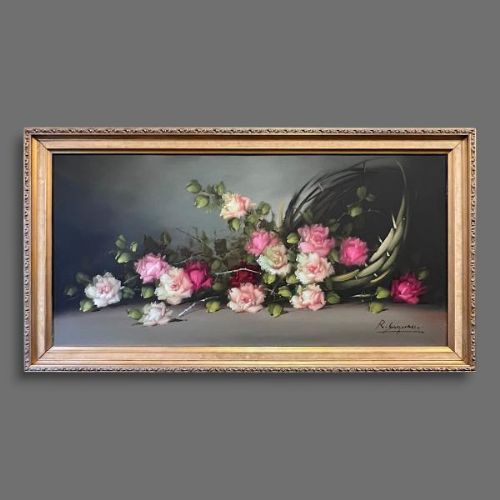
Several artists preferred painting roses spilling from wicker baskets rather than standard vases.
Variations in quality
The strength of an impressionist floral painting relies on confident handling of pigment and the convincing capture of light across petals and leaves.
Compositional balance and the harmony of colour distinguish exceptional studies from routine decorative works.
I Berezny·D L Williams·Konstantin Stoitzner·Emma Fordyce MacRae·Manuela Bonati·William Thomas Wood·Victor Simonin·Owen Bowen·Gertrude Hayes·Thomas Bromley Blacklock·Amile Coppieters·Florence Hess·Lester Sutcliffe·Ernest Higgins Rigg·Kershaw Schofield·Sir Matthew Smith·Lilian Stannard·Rowland Henry Hill·Lena M Alexander
The Impressionist Floral Painting Glossary
- Impressionism
- A nineteenth-century painting style focused on capturing the visual impression of a moment, paying attention to shifting light and unblended colour.
- Gouache
- An opaque water-based paint that dries to a matte finish, offering heavier coverage than traditional watercolour.
- Gesso
- A primer mixture consisting of a binder mixed with chalk, pigment, or gypsum, used to prepare wood or canvas surfaces for painting.
- Pointillism
- A technique of painting in which small, distinct dots of colour are applied in patterns to form an image, seen in luminist floral works.
Impressionist Floral Painting: Frequently Asked Questions
What is an impressionist floral painting?
An impressionist floral painting depicts flowers or garden scenes using loose brushstrokes and an emphasis on light and colour rather than fine detail. These works capture the fleeting visual experience of a botanical subject.
Most examples date from the late nineteenth century through to the mid-twentieth century. They are executed in mediums ranging from oil paint on canvas to watercolour on paper.
Where should I hang these paintings?
These colourful botanical works suit living rooms, hallways and studies where natural light complements the vibrant hues of the flowers. Pairing a painting with a simple wall colour lets the brushwork stand out.
Ensure the artwork is kept away from direct sunlight to protect pigments over time. Proper wall placement enhances the dimensional quality of the impasto and canvas texture.
How do I identify the period?
Dating relies on the painting medium, framing style, stretcher construction and artist signatures. Mid-century works often feature bolder palettes, whilst nineteenth-century examples tend toward darker grounds and traditional varnishes.
Examining the canvas texture and backing materials provides further clues to the age of the piece. Signatures can be cross-referenced with recorded exhibition histories and artist directories.
Are watercolours as durable as oils?
Watercolours on paper require protective framing behind glass to prevent moisture damage and fading. Oil paintings on canvas or board are generally sturdier but still benefit from stable indoor environments.
Both mediums have survived well over a century when properly cared for. Framing choices often reflect the period and help preserve the edges of the paper or canvas.