
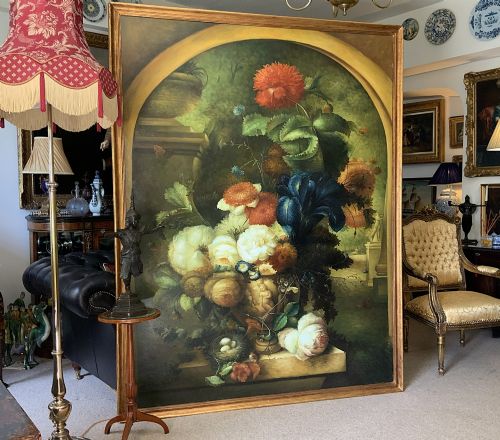
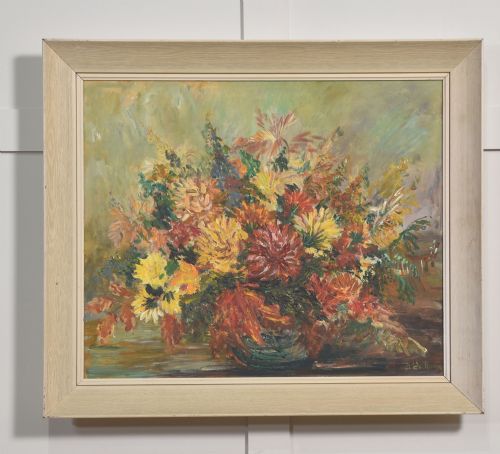
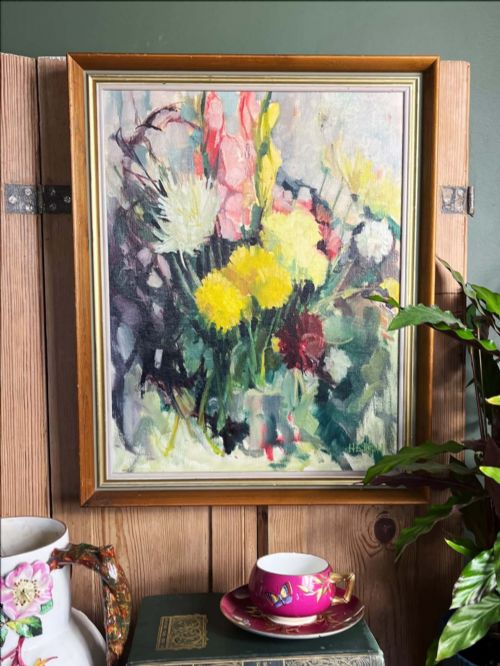
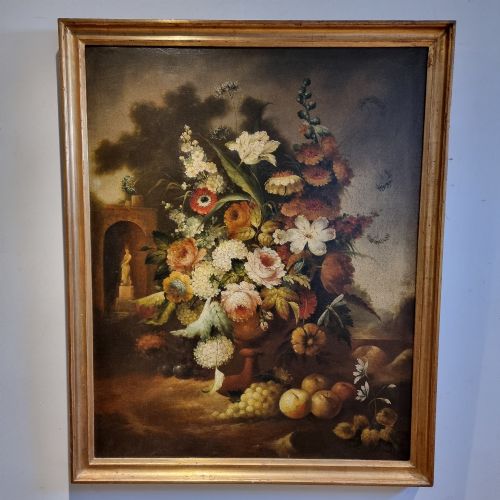
Oil Canvas Floral Painting
An oil canvas floral painting brings centuries of botanical study into a room through pigment and primed fabric.
Oil Canvas Floral Painting
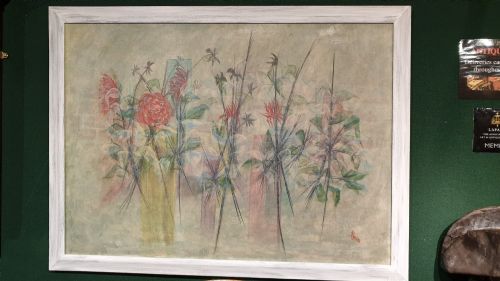
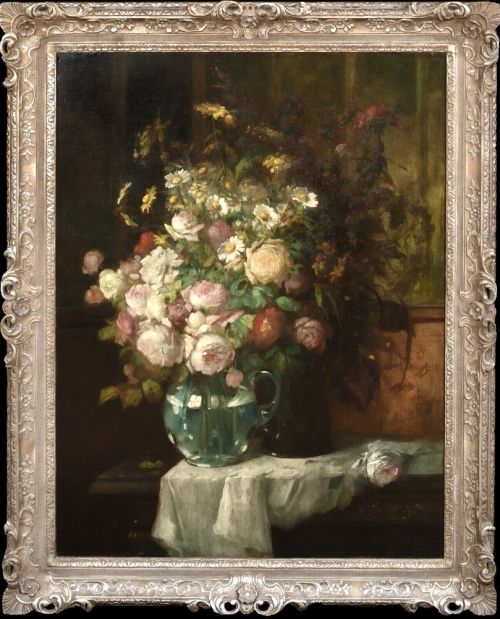
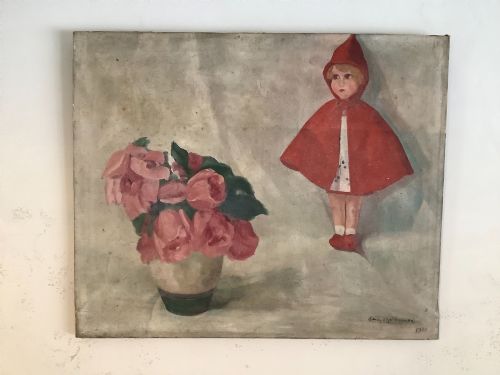
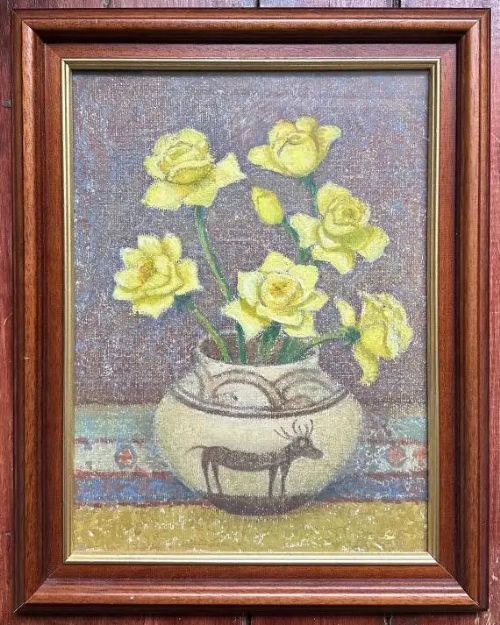
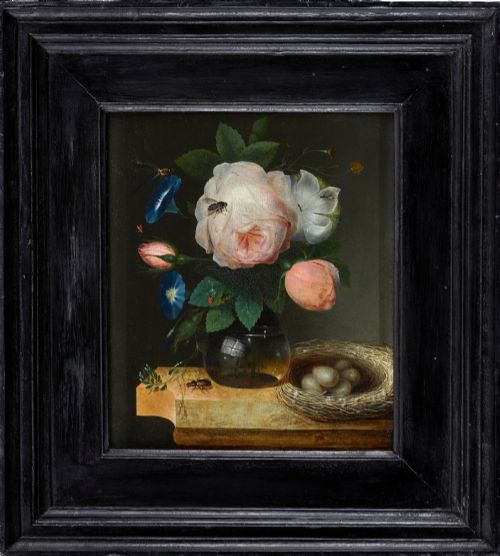
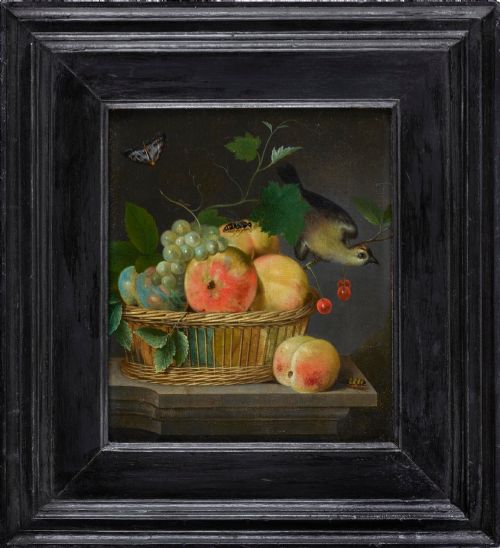
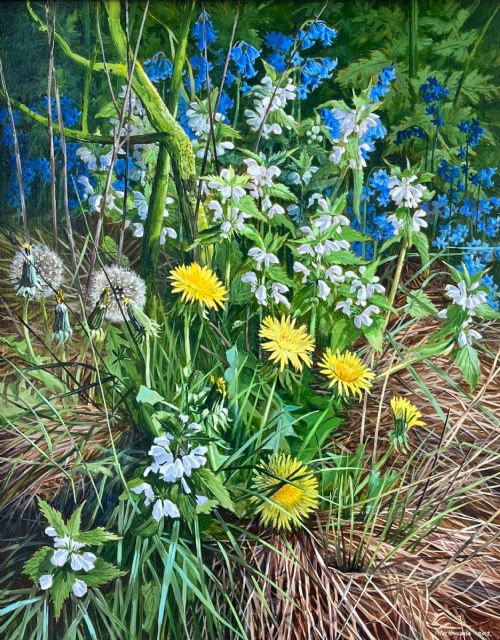
An oil canvas floral painting captures botanical arrangements, still lifes, and garden scenes rendered in oil paint upon woven supports. These works range from seventeenth-century Dutch and Flemish compositions to mid-century impressionist and modernist interpretations.
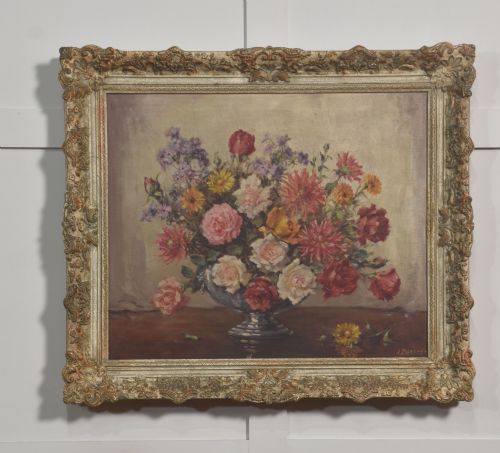
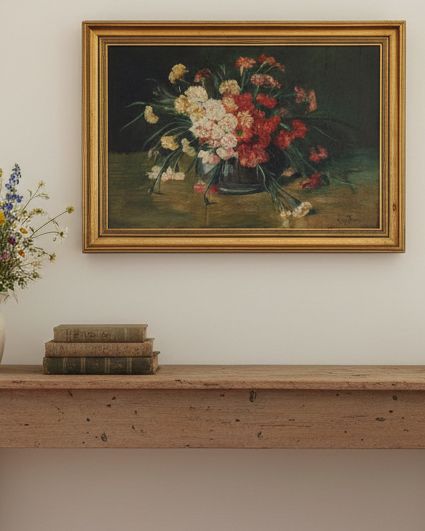
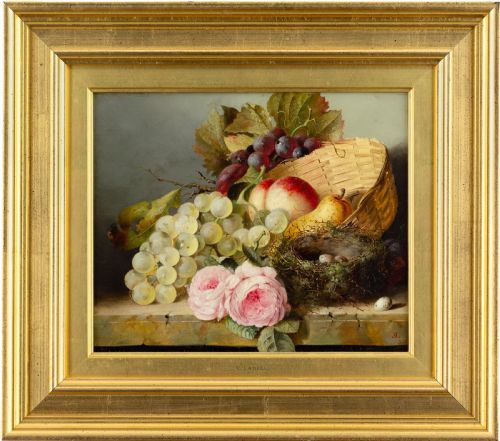
The selections available here span multiple eras, including nineteenth-century academic studies, early twentieth-century British and continental pieces, and mid-century modern examples. Buyers frequently encounter still lifes featuring roses, carnations, and mixed floral displays set within vases or baskets.
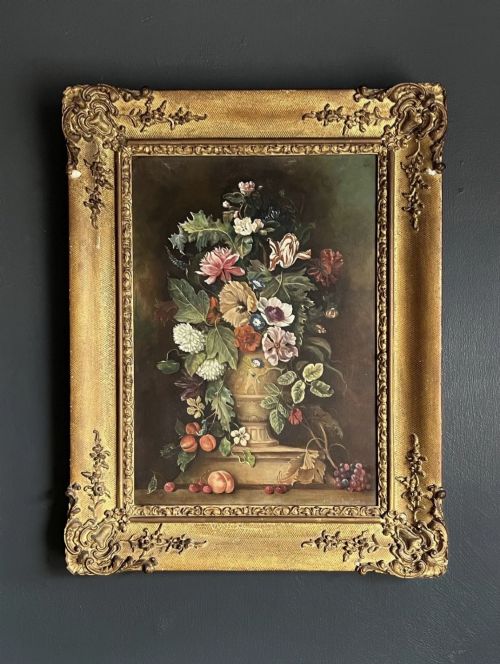
Works appear in various formats, from intimate cabinet pieces to monumental decorative canvases. Many retain their original frames, including ornate gilt gesso moulding that complements the painted surface.
How they were made
Artists built these works using oil paint applied to stretched canvas, occasionally utilising wood panels or board as a rigid support. The medium allowed for subtle colour blending, thick impasto textures, and detailed rendering of petals, leaves, and stems.
Frames often incorporated wood structures finished with gesso and gold leaf or gilt. These frames were constructed to protect the canvas edges and enhance the visual depth of the composition.
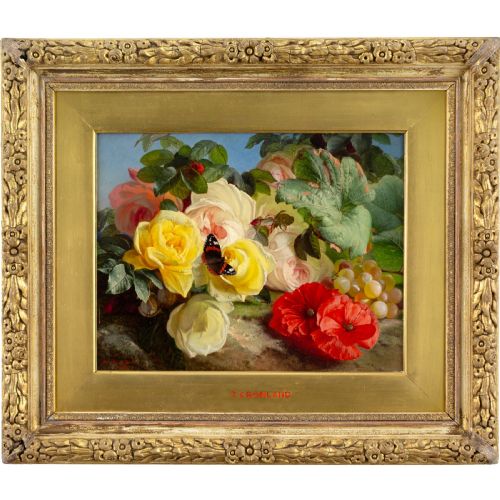
Several floral compositions discreetly include visiting insects, capturing butterflies perched among the painted roses and poppies.
What varies in quality
Quality in these works rests upon the precision of the brushwork, the structural integrity of the canvas, and the harmony of the composition. Masterful handling of light and shadow defines the distinction between standard decorative pieces and accomplished fine art.
The preservation of the paint layer significantly influences the standing of a piece. Works retaining their original stretched canvas and period-appropriate gilt gesso frames command greater appreciation than those compromised by heavy restoration or poor storage.
Theude Grönland·I. Berezny·D. L. Williams·Konstantin Stoitzner·Edward Ladell·Emma Fordyce MacRae·Gaspar Peeter Verbruggen·Peter Newcombe·Edwin Steele·Manuela Bonati·William Thomas Wood·Victor Simonin·Owen Bowen·Gertrude Hayes·Simon Pietersz Verelst·Thomas Bromley Blacklock·Amile Coppieters·Florence Hess
The Oil Canvas Floral Painting Glossary
- Canvas
- A heavy woven fabric, typically linen or cotton, stretched across a wooden frame to serve as the foundation for the oil paint. It provides a flexible yet durable surface for the artist.
- Impasto
- A technique where oil paint is laid thickly on the canvas, standing out from the surface so that the brush or palette knife marks remain visible. This adds physical texture and depth to floral elements like petals.
- Gesso
- A plaster-like mixture applied to wooden frames or panels to prepare the surface for gilding and painting. It creates a smooth, durable base for gold leaf.
- Gilt
- A thin layer of gold leaf or gold paint applied to the surface of a frame. It provides a reflective, decorative border that frames the artwork.
- Still Life
- A work of art depicting mostly inanimate subject matter, typically commonplace objects which may be either natural or man-made. In these listings, the focus rests upon flowers, fruit, and vessels.
Oil Canvas Floral Painting: Frequently Asked Questions
How should I hang an oil canvas floral painting?
Hang the painting away from direct sunlight and fluctuating heat sources to protect both the canvas and the oil pigments. Secure the piece using appropriate wall fixings matched to the weight of the frame and the canvas.
Ensure the artwork sits at eye level on a stable wall where humidity remains relatively constant. This prevents the wooden stretcher and canvas from warping over time.
How can I tell the period of a canvas?
Examine the back of the canvas, the stretcher bars, and the nails or staples used for tension. Older pieces often feature handmade wooden wedges, oxidized tacks, and aged linen canvas.
Stylistic clues within the brushwork and the framing materials also offer strong indicators of the era. Comparing the signature and framing style provides further context for dating.
Are these paintings original works?
The listings consist of original hand-painted works created directly by artists using oil on canvas or board. Each piece represents a unique application of paint rather than a mechanical reproduction.
Signatures, brush textures, and the physical buildup of oil layers confirm the hand-painted nature of the pieces. Archival records and artist attributions further substantiate their authenticity.