
Vintage French Canvas Painting
When you search for a vintage french canvas painting, you encounter original oil works spanning from the nineteenth century into the mid-twentieth century.
Vintage French Canvas Painting
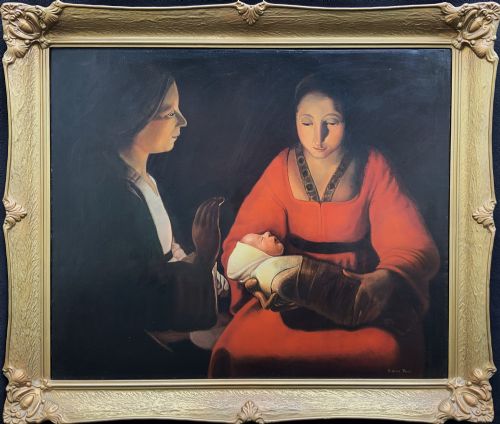
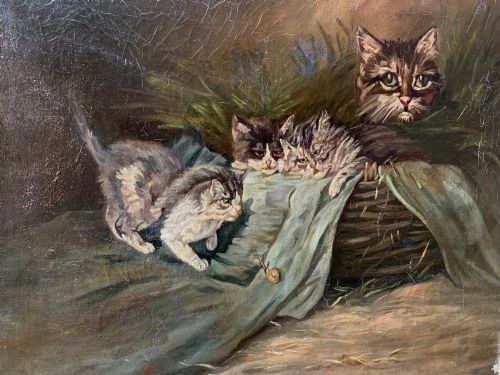
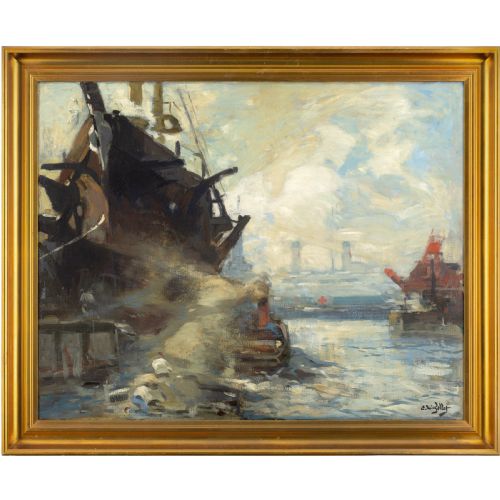
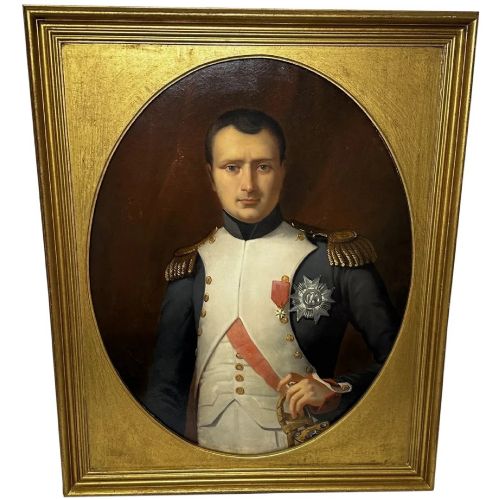
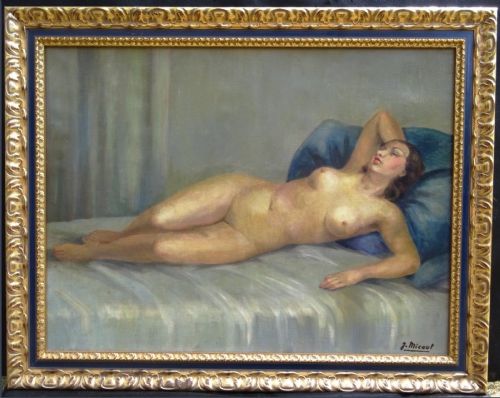
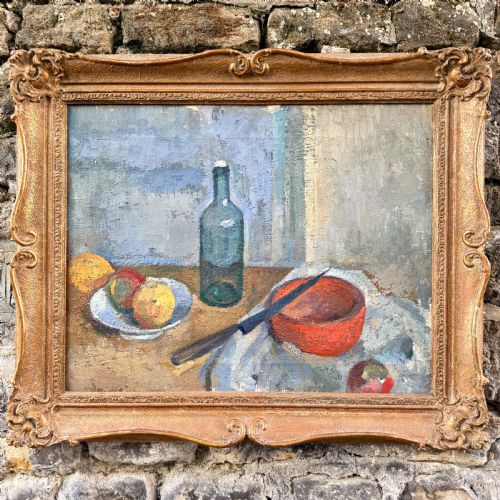
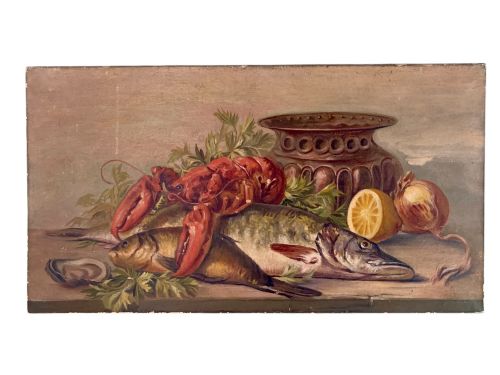
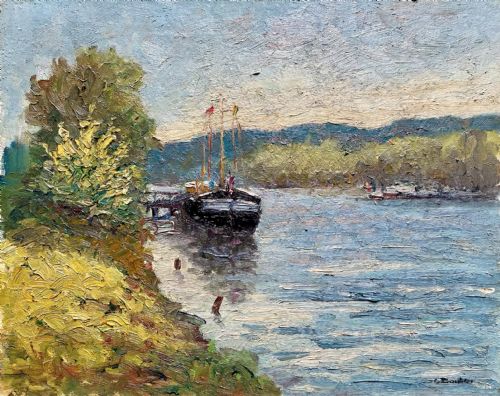
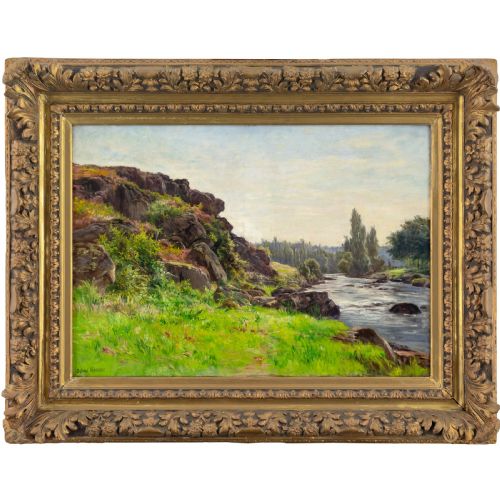
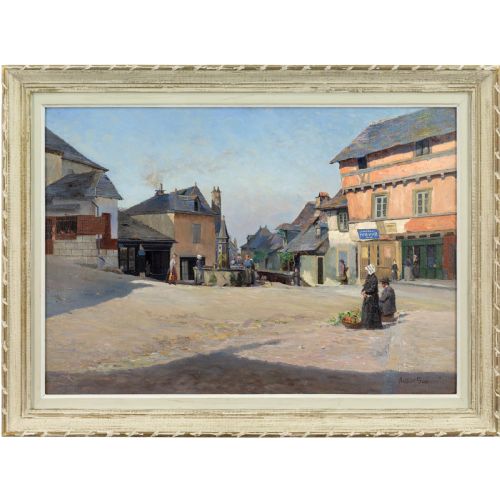
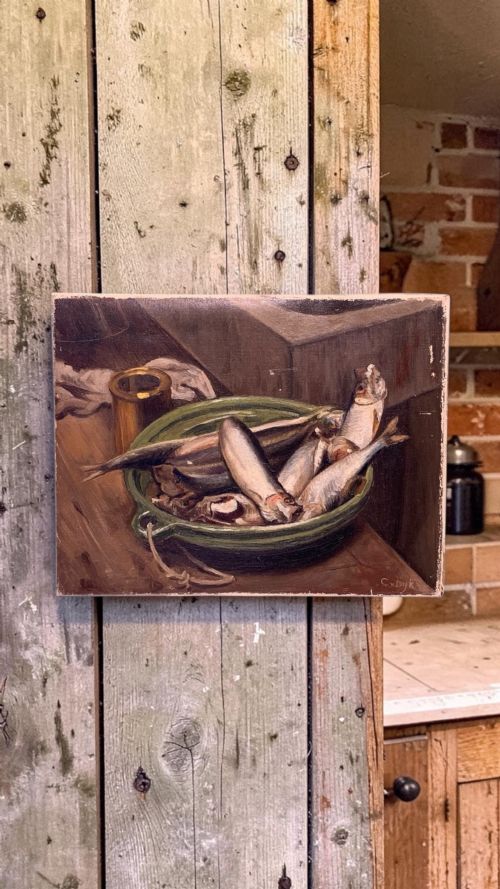
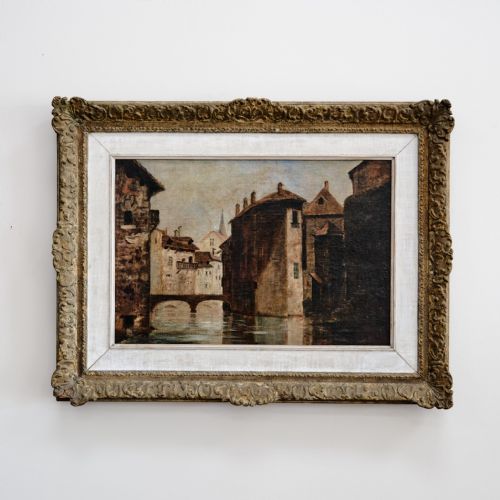
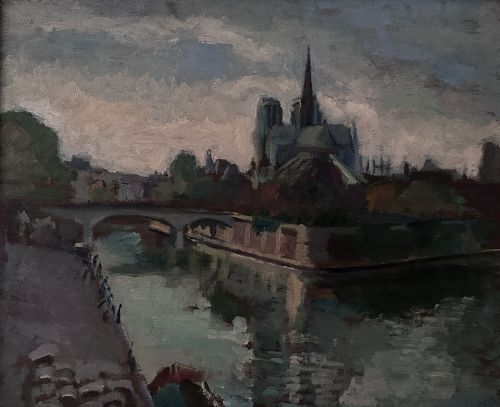
A vintage french canvas painting encompasses oil works executed on woven fabric support, reflecting movements from nineteenth-century realism and impressionism through to mid-century modern interpretations. You will find landscapes, cityscapes of Paris, coastal scenes, portraits, and still lifes depicting lobsters, fish, or flowers.
The selections span distinct decades, including the late eighteen-hundreds, nineteen-tens, nineteen-twenties, nineteen-thirties, and nineteen-fifties. Many pieces arrive housed in period frames, such as gilt wood or large Montparnasse mouldings.
The origin stems from French studios, schools, and plein air sites ranging from Normandy to the streets of the capital. These artworks function as wall art, decorative panels, and fine art paintings.
What varies in quality
The handling of light, brushwork, and composition separates academic or accomplished studio output from more standard decorative works. Artists working within recognised movements like impressionism or post-impressionism demonstrate distinct control over atmosphere and colour harmony.
The integration of the canvas with its original period frame contributes to the overall integrity of the piece. Surviving signatures, legible provenance, and documented artist attributions elevate the standing of an individual work.
Listings incorporate nineteenth-century academic styles alongside twentieth-century impressionism, post-impressionism, and mid-century modern canvases.
Eugène-Louis Gillot·Gabriel Mathieu·Arthur Gué·Paul Bret·Jean-Gabriel Domergue·Henri Ottmann·Rene Levrel·Achille-Fould·Alfred Arthur Brunel de Neuville·Paul Ehrenberg·Lilian Colbourn·Charles Clair·Henri Jaques Delpy·Paul-Jean Anderbouhr·Elisabeth Bardon·Raymond Moritz·Caroline Burnett
The Vintage French Canvas Painting Glossary
- Canvas
- A heavy woven fabric used as a surface for oil painting. It is typically stretched tightly over a wooden frame before application of the ground and pigments.
- Impasto
- Paint applied in thick layers that stand out from the surface. This technique leaves visible brush or palette knife marks that catch the light.
- Grisaille
- A painting executed entirely in shades of grey or monochromatic grey-blue tones. Camaieu bleu specifically denotes a monochrome painting in blue.
- Plein air
- The nineteenth-century practice of painting outdoors to capture direct observations of natural light and atmosphere. Artists shifted away from indoor studio conventions to record fleeting landscape conditions.
Vintage French Canvas Painting: Frequently Asked Questions
How do I date a vintage french canvas painting?
Examine the canvas weave, stretcher construction, and style of the brushwork alongside any visible signatures or inscriptions. Nineteenth-century works often show denser fabric preparations, while nineteen-fifties pieces align with mid-century modern palettes.
Framing can also provide clues, as original gilt wood or Montparnasse frames typically correspond to the era in which the painting was created.
What subjects are common in these paintings?
Landscapes, seascapes, and Parisian street scenes dominate the selections, alongside portraits and still lifes featuring items like fish or lobsters. Artists frequently painted rural regions such as Normandy or specific city locations like Notre Dame and the Seine.
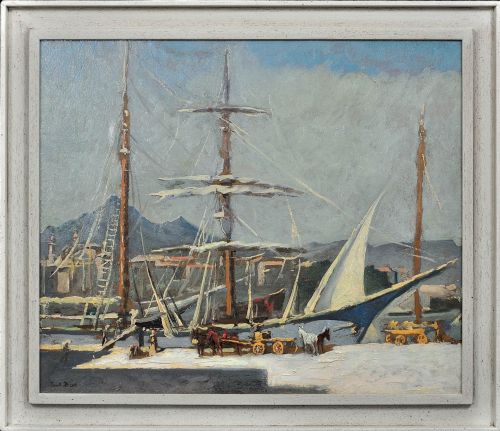
Some works record historical contexts, including wartime subjects or maritime scenes featuring sailing yachts.
Are these paintings supplied with frames?
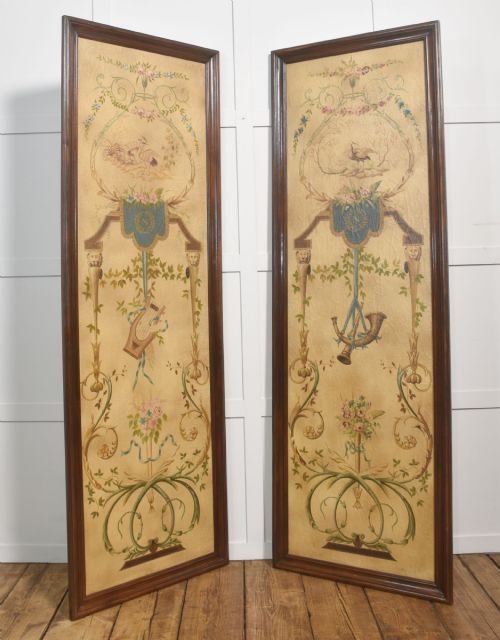
Many listings include period frames made of wood or gilded wood, such as large gilt frames or decorative panels. The frame often forms an integral part of the presentation.
Descriptions specify whether a piece is sold framed so you can assess the complete object.
How do I care for an oil painting on canvas?
Keep the artwork away from direct sunlight, extreme temperature fluctuations, and high humidity to protect both the oil pigments and the woven support. Dust the canvas gently with a soft, dry brush without applying pressure.
Avoid using liquid cleaners or water on the painted surface.