







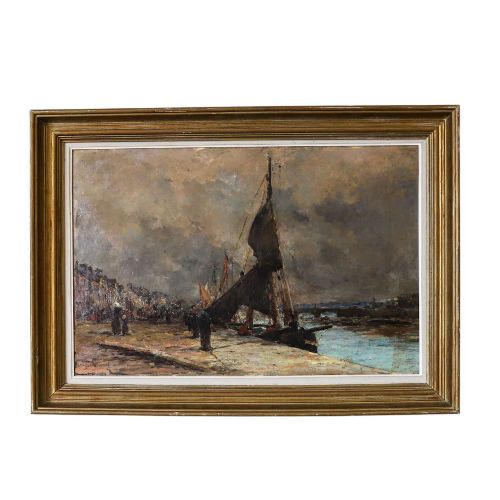
Impasto Oil on Canvas
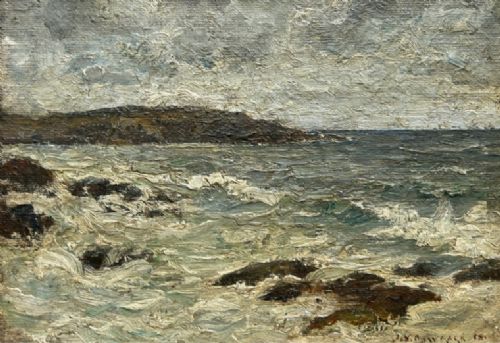
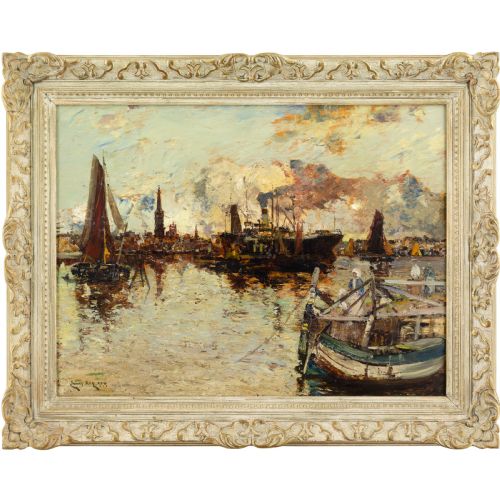
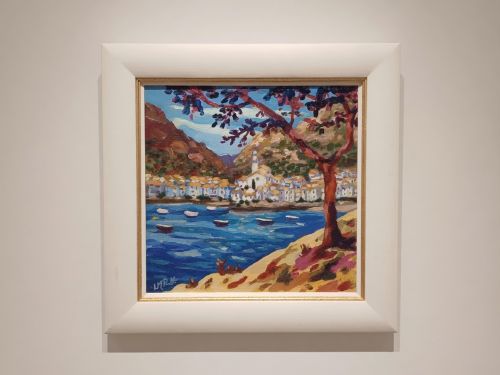
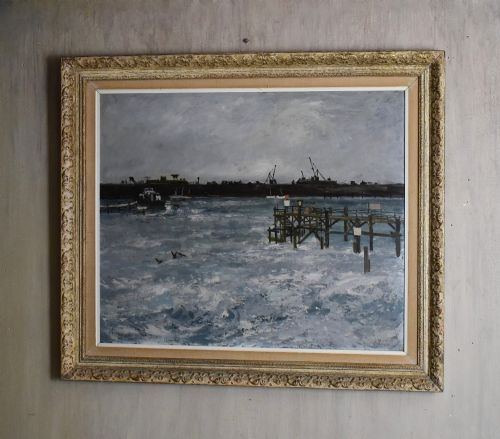
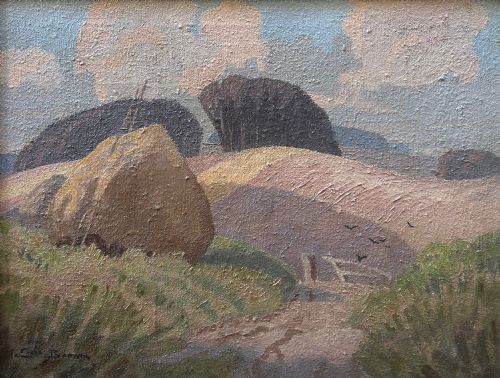
When you search for impasto oil on canvas, you encounter textured paintings defined by thick pigment applied with brushes or knives.
Impasto Oil on Canvas
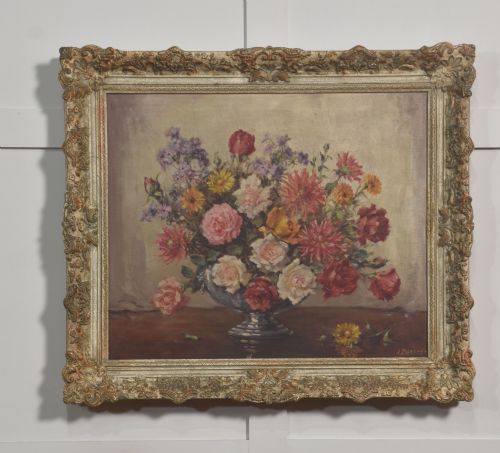
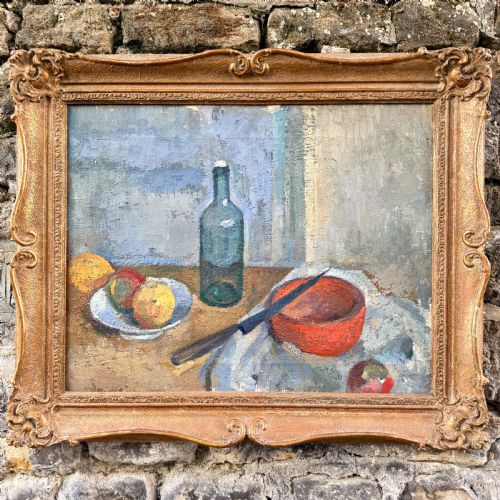
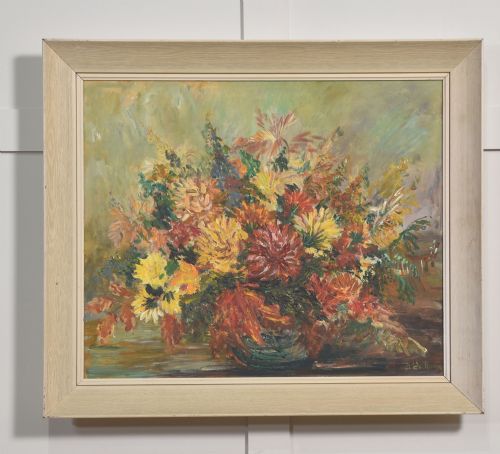
Impasto oil on canvas works feature heavily layered pigment that stands proud of the support, creating a tactile surface. You will frequently find pieces originating from the twentieth century, spanning decades such as the nineteen-fifties and nineteen-sixties, alongside earlier twentieth-century examples.
The subjects captured in these paintings cover a broad range of traditional genres including coastal seascapes, maritime scenes, floral still-lifes, urban cityscapes, and rural landscapes. Many examples reflect European traditions, with specific works linked to British and French modernism or impressionist styles.
Compositions often record observed moments, from Parisian streets and Mediterranean ports to quiet estuaries and snowy village scenes. These paintings demonstrate how artists used physical texture to convey light, movement, and atmospheric weight.
Materials and technique
The primary construction relies on oil paint applied directly to woven canvas, though some works utilise wooden board as a support. Artists built the paint layers densely, often employing painting knives alongside bristle brushes to leave pronounced ridges and tool marks in the pigment.
Pigments were mixed with binding oils to hold heavy, dimensional applications without slumping while drying. Many surviving examples retain their original frames constructed from wood, occasionally finished with gilt surface treatments.
Impasto Oil on Canvas Retail Price Guide 2026
Typical asking prices for impasto oil on canvas among the pieces listed under this phrase on Sellingantiques today, from the lower quarter to the upper quarter. They describe what is for sale here now, not the wider market.
The listings encompass works executed on both woven canvas and rigid wooden board across various decades of the twentieth century.
Evaluating quality
Quality rests in the deliberate handling of the medium, where thick pigment serves the structure and light of the composition rather than acting as mere surface decoration. The relationship between the weight of the paint and the underlying drawing dictates how successfully the forms hold together.
Pace and confidence in the application separate standard decorative works from accomplished paintings. A successful piece maintains clarity of light and spatial depth despite the high relief of the pigment.
James Kay RSW·Donald McIntyre·Herbert Royle·Lilian Colbourn·Ronald Ossory Dunlop·Jean-Baptiste Olive·Helen Layfield Bradley·Cecil Rochfort D'Oyly-John
The Impasto Oil on Canvas Glossary
- Impasto
- A technique where paint is laid onto a canvas in very thick layers, usually thick enough that the brush or painting-knife strokes are visible. This method allows the surface to capture and reflect light in distinctive ways.
- Canvas
- A closely woven heavy fabric utilised as a support surface for oil paintings. It is typically stretched across a wooden frame before painting begins.
- Post-Impressionism
- An art movement extending roughly from the late nineteenth century into the mid-twentieth century. Artists rejected strict naturalism in favour of expressive use of form and colour.
- Gilt wood
- Wood surfaces treated with gold leaf or metallic gold-coloured paint. This finish is commonly found on period picture frames surrounding mid-century and earlier canvases.
Impasto Oil on Canvas: Frequently Asked Questions
What is impasto paint?
Impasto paint is applied thickly to a surface, standing out in relief so that the marks of the brush or painting knife remain visible.
This physical build-up of pigment adds a tactile dimension to the artwork, catching light and casting tiny shadows across the surface.
Are these paintings supplied framed?
Many listings include original wooden or gilt frames that match the period of the artwork.
Check individual descriptions to confirm whether a specific piece retains its contemporary frame or is sold unframed.
How do I identify mid-century works?
Mid-century pieces typically date from the nineteen-fifties and nineteen-sixties, reflecting modernist approaches to subject matter and simplified form.
Signatures, artist biographies, and framing styles often help narrow down the production decade.