



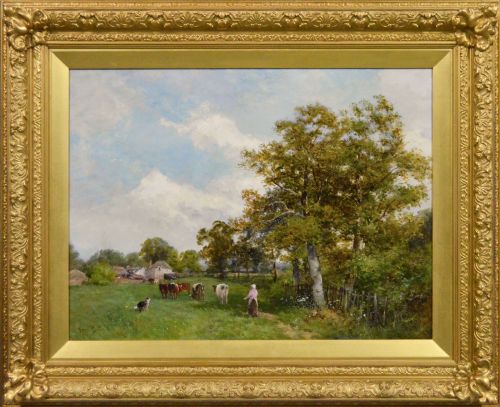
Green Canvas Wall Art
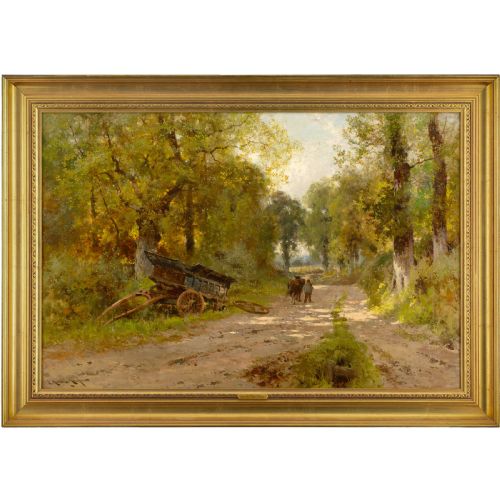
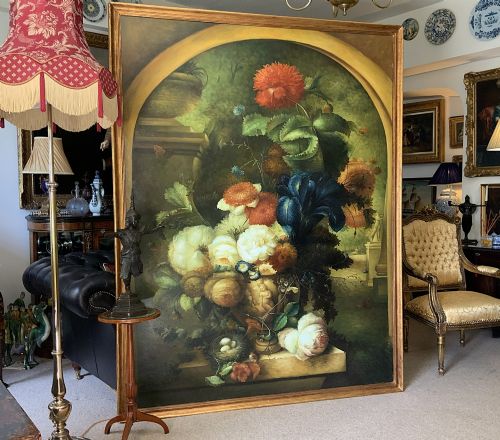
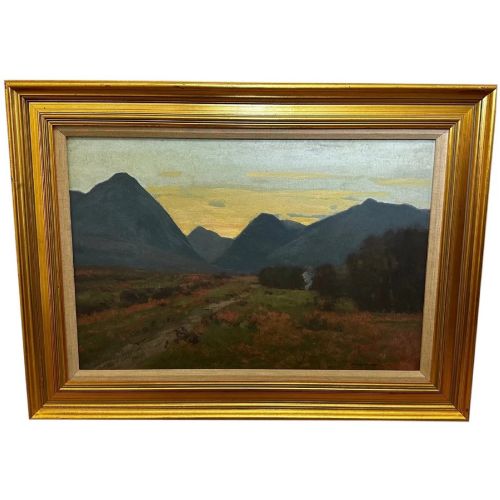
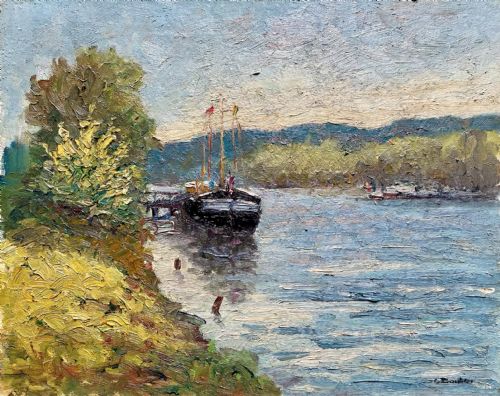
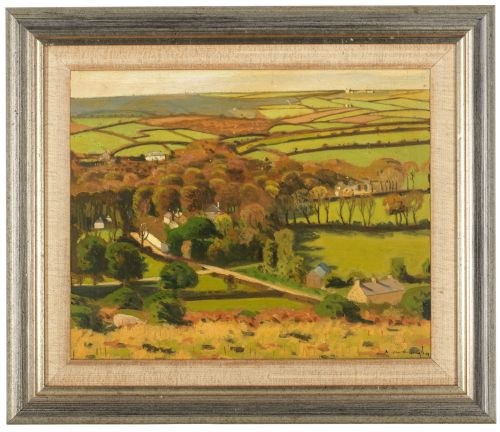
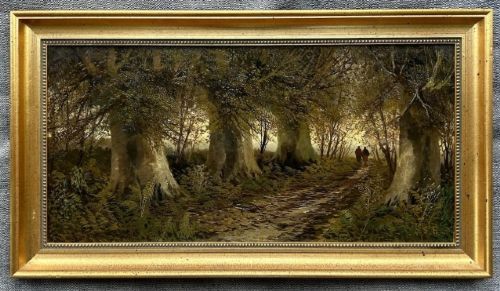
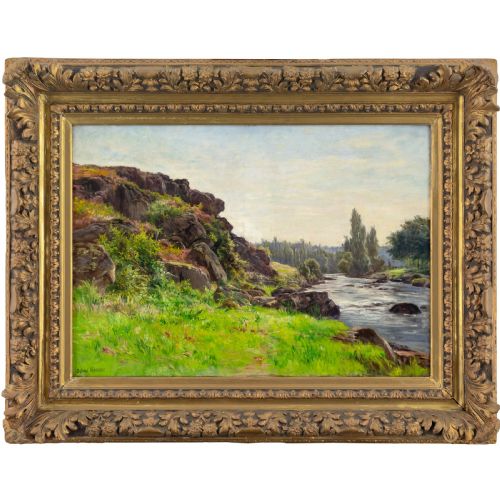
Green canvas wall art encompasses oil paintings on canvas depicting landscapes, portraits, and still lifes from various historical periods.
Green Canvas Wall Art
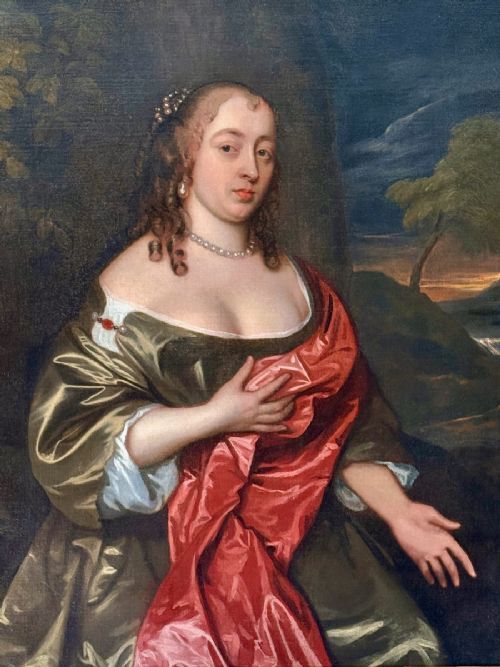
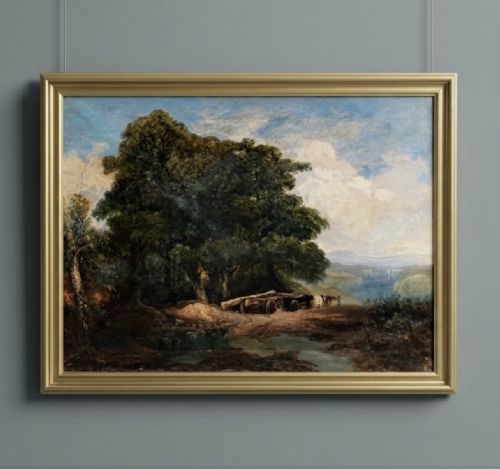
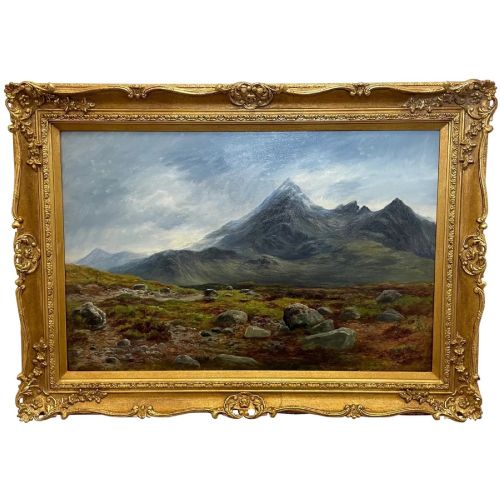
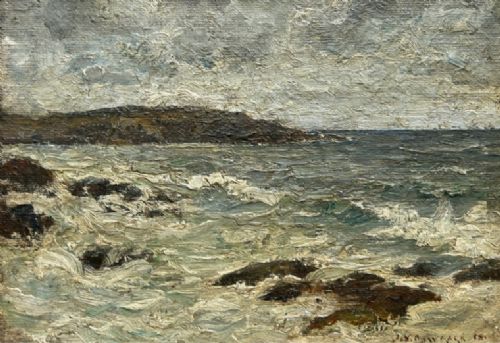
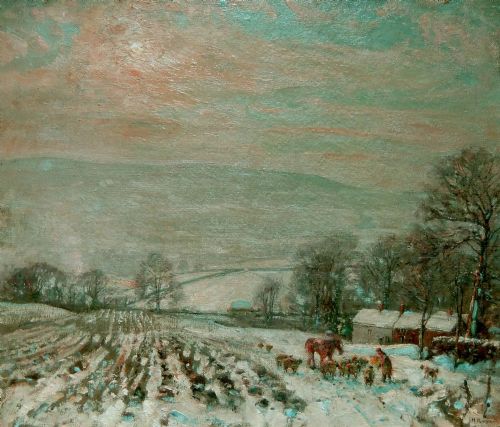
Green canvas wall art primarily consists of oil paintings on canvas depicting landscapes, portraits, and still lifes. These works span multiple centuries, ranging from seventeenth-century portraits to mid-twentieth-century post-impressionist scenes.
The pieces often feature natural scenes where verdant tones dominate, including woodland views, river landscapes, and rural pastures. British and European schools are prominently represented in these holdings.
Buyers encounter framed original fine art paintings executed by named artists and regional schools. The selection includes works created across the nineteenth and twentieth centuries.
How they were made
These works are executed using oil paint applied to woven canvas supports, frequently mounted within wooden or giltwood frames. The technique relies on layered pigments to build depth in foliage and landscape elements.
Artists utilise traditional brushwork, ranging from detailed Victorian realism to looser impressionist impasto marks. Canvas preparation involves sizing and priming the textile substrate prior to pigment application.
Green Canvas Wall Art Retail Price Guide 2026
Typical asking prices for green canvas wall art among the pieces listed under this phrase on Sellingantiques today, from the lower quarter to the upper quarter. They describe what is for sale here now, not the wider market.
Listings feature canvases from the seventeenth century through to the 1960s, executed in oil paint on canvas and wood.
What varies in quality
Quality differences stem from the skill of the brushwork and the anatomical or spatial accuracy achieved by the artist. Masterful handling of light and shadow distinguishes superior compositions from formulaic studio output.
The preservation of the original paint surface and the integrity of the canvas tension significantly influence the standing of a piece. Original framing appropriate to the period also contributes to the overall character of the artwork.
JOHN HAYLS·Richard Sebastian Bond·William Beattie-Brown·William H Myers·Sir Peter Lely·John Horace Hooper·George Houston·Herbert Royle·Robert Morson Hughes·Thomas W Lascelles·Gabriel Mathieu·David Bates·William Broome·BENJAMIN BARKER OF BATH·Walter Heath Williams·Mark Ingram·Antonio DeVity·Konstantin Stoitzner·Jean-Gabriel Domergue·James Howe·Lucy Pratt·Carl Felkel·Raymond Booth·Francis Plummer·Joseph Biel
The Green Canvas Wall Art Glossary
- Canvas
- A heavy woven fabric used as a support surface for oil paintings. It is typically stretched over a wooden frame before being painted.
- Impasto
- A technique where oil paint is laid thickly on a surface, standing out from the canvas so that brush or palette knife marks are visible.
- Giltwood
- Wood that has been coated with a thin layer of gold leaf or gilt powder. It is commonly found on antique picture frames.
- Pentimento
- An alteration in a painting, evidenced by traces of previous work that has been painted over. This phenomenon often reveals changes in the artist's composition during creation.
- Provenance
- The chronology of the ownership, custody, or location of a historical artwork. It provides a documented history that helps establish authenticity.
Green Canvas Wall Art: Frequently Asked Questions
What is green canvas wall art?
Green canvas wall art refers to oil paintings on canvas where green tones predominate, typically featuring landscapes, botanical subjects, or garden scenes.
These artworks originate from various periods including the Victorian era and the mid-twentieth century, created by diverse European and British artists.
How were these oil paintings created?
Artists applied oil paint to prepared canvas supports using brushes or palette knives, capturing light and texture in natural settings.
The finished canvases were then mounted into wooden or giltwood frames suited to the aesthetic of the period.
How do I hang a canvas painting?
Canvas paintings require secure wall fixings suited to the weight of the artwork and its frame, using picture wire attached to sturdy D-rings.
Placement should avoid direct sunlight and fluctuating humidity to protect the oil pigments and the canvas substrate over time.
How do I identify the period of a painting?
Dating relies on stylistic clues, framing methods, artist signatures, and the physical characteristics of the canvas and stretchers.
Examining the stretcher bars and the type of canvas weave often provides helpful evidence regarding the age of the piece.