
Post Impressionist Landscape Painting
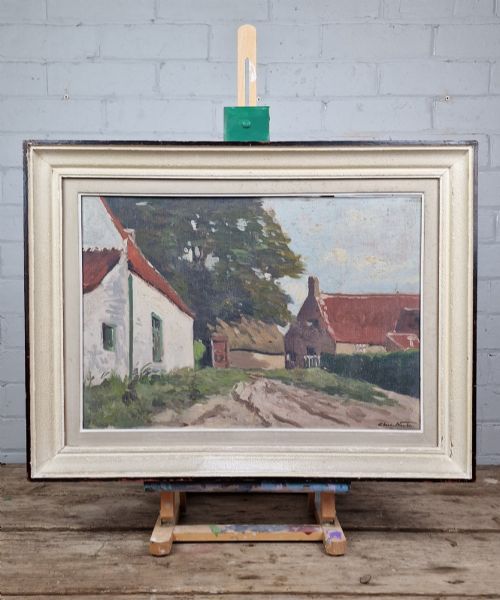
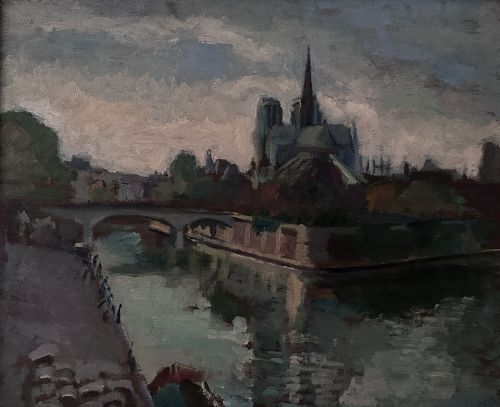
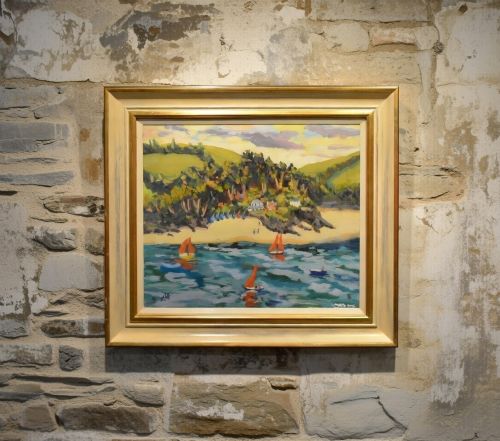
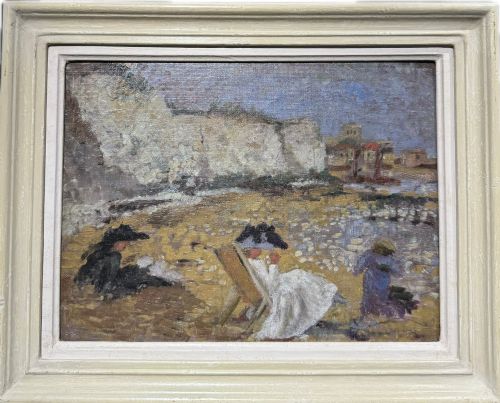
A post impressionist landscape painting captures light and atmosphere through bold brushwork, offering a window into early twentieth century rural and urban scenes.
Post Impressionist Landscape Painting
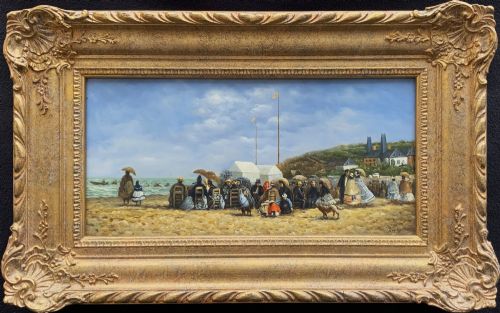
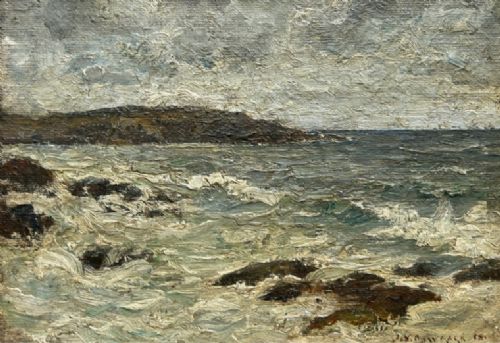
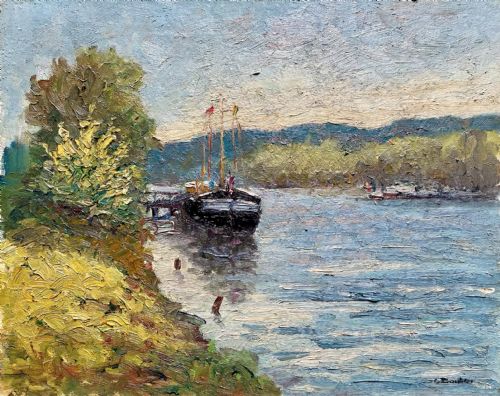
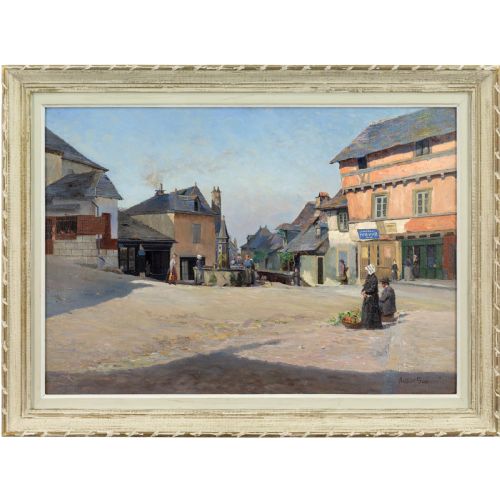
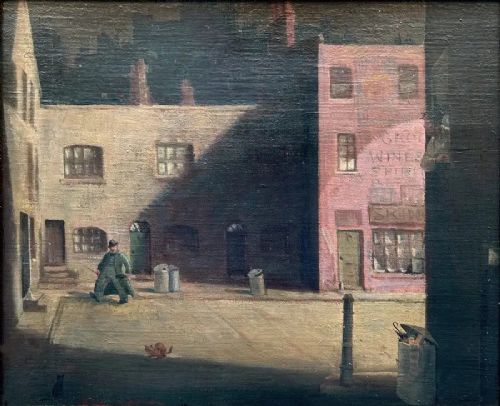
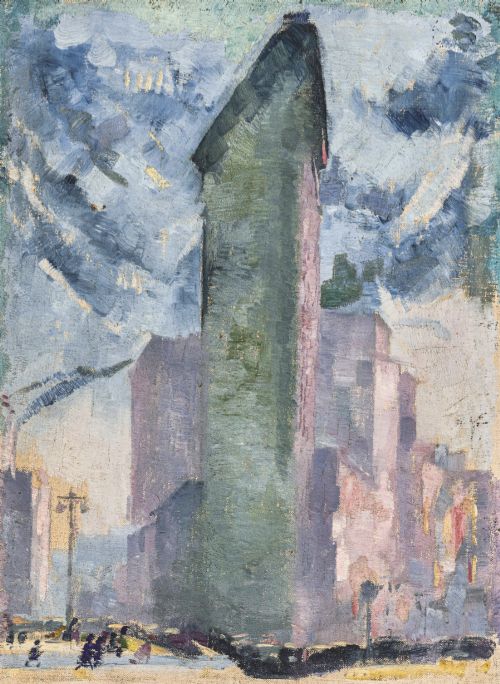
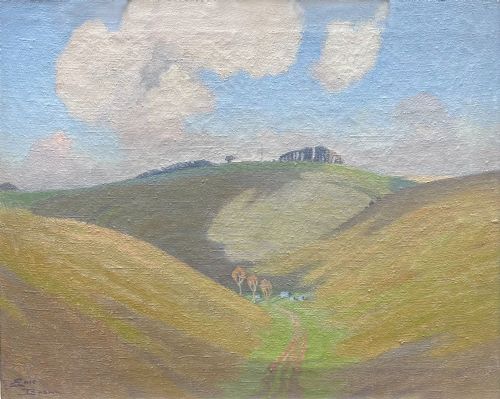
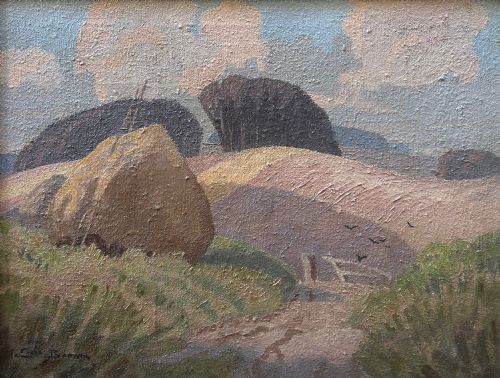
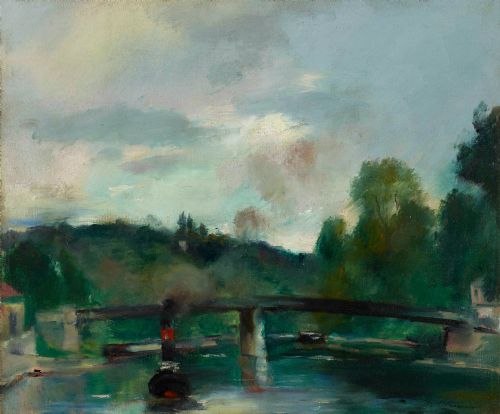
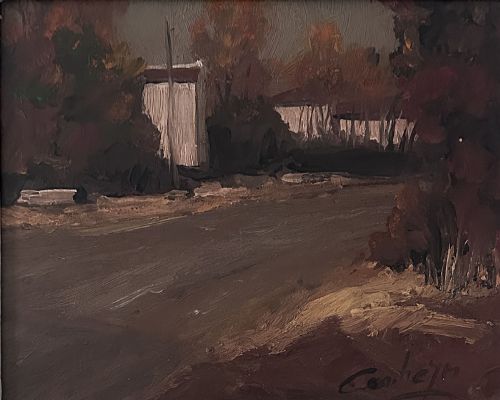
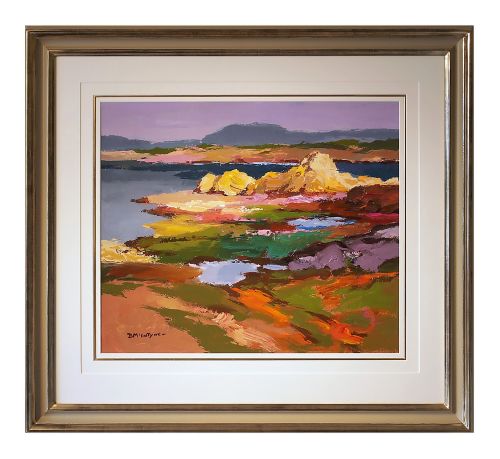
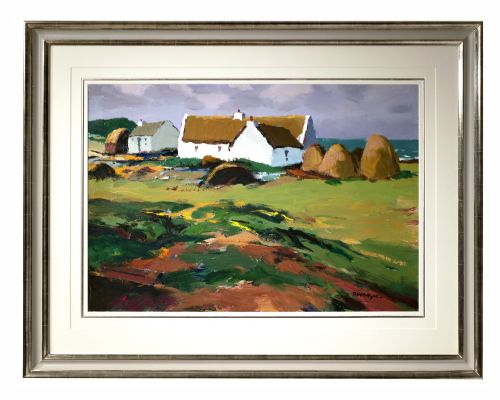
When you examine a post impressionist landscape painting, you encounter works spanning from the nineteenth century through the mid twentieth century. These pieces record rural scenes, coastal villages, and city streets across Britain and France.
The versions most commonly met on this page include oil paint on canvas or board, alongside works on paper. They reflect the evolution of Impressionism into more structured, individual expressions of colour and form.
What separates the finest works
Quality rests upon the confidence of the brushwork and the artist's command of tonal harmony within the composition. Stronger examples display a distinct personal vision rather than a mere imitation of contemporary styles.
The integration of support materials, such as well-preserved canvas or stable wood panels, directly influences the longevity and physical presence of the artwork.
Post Impressionist Landscape Painting Retail Price Guide 2026
Typical asking prices for post impressionist landscape painting among the pieces listed under this phrase on Sellingantiques today, from the lower quarter to the upper quarter. They describe what is for sale here now, not the wider market.
Several canvases carry the stubborn scent of linseed oil and decades of French country air.
Arthur Gué·Charles Houben·Ethel Sands·Francisco Sancha·Alfred Wolmark·Eric Brown·Henri Ottmann·Donald McIntyre·Cecil Allan Mould·Rene Levrel·Henry de Waroquier·Alexander Jamieson·Paul-Élie Gernez·Ronald Ossory Dunlop·Hubert Wellington·Paul-Jean Anderbouhr·Louis Suire·Jean-Baptiste Olive·George Turland Goosey·André Prévot-Valéri·Merio Ameglio·Majorie Hoare·CHARLES MALFROY·Edward Seago
The Post Impressionist Landscape Painting Glossary
- Impasto
- Paint applied thickly to a canvas or board, leaving visible brush or palette knife marks that catch the light. This technique adds tactile depth and texture to foliage, water, or architecture.
- Plein air
- Painting outdoors to capture natural light and atmospheric conditions directly. Artists working in this manner rely on rapid execution to record shifting weather and shadows.
- Canvas
- A closely woven fabric stretched across a wooden frame to serve as a painting surface. It remains one of the primary supports for oil and acrylic works.
- Board
- A rigid flat panel made from wood, cardboard, or composite material used as an alternative to stretched fabric. Painters often favour it for smaller outdoor sketches.
- Gesso
- A white paint mixture consisting of a binder mixed with chalk, gypsum, or pigment. It prepares wood panels or canvas by creating a smooth, absorbent base for oil or tempera.
Post Impressionist Landscape Painting: Frequently Asked Questions
How do I care for an oil painting on board?
Keep the artwork away from direct sunlight and fluctuating humidity to prevent warping or cracking of the wooden support.
Dust the surface gently with a soft, dry brush and avoid using any liquid cleaners on the paint.
What defines the post impressionist style?
This style builds upon Impressionist light capture by emphasising symbolic colours, distinct brushwork, and geometric structures.
Artists prioritized personal expression over strict naturalism, resulting in dynamic interpretations of landscapes and figures.
How can I date an antique landscape painting?
Examine the reverse of the piece for framing stamps, maker labels, exhibition tags, or handwritten inscriptions from the artist.
Consider the materials used, such as the type of canvas weave or panel construction, alongside the stylistic characteristics.
Where were these landscape scenes typically painted?
Many painters travelled extensively through rural France and coastal Britain, setting up their easels in regions like Normandy, Brittany, and Provence.
Urban scenes focus heavily on cityscapes in Paris and local architectural landmarks.