

Antique Architectural Oil Painting
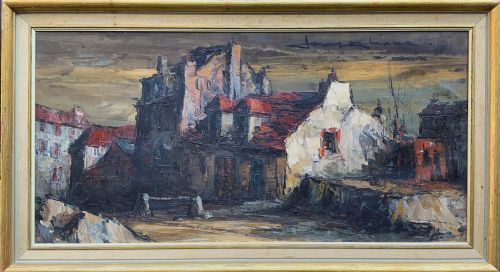
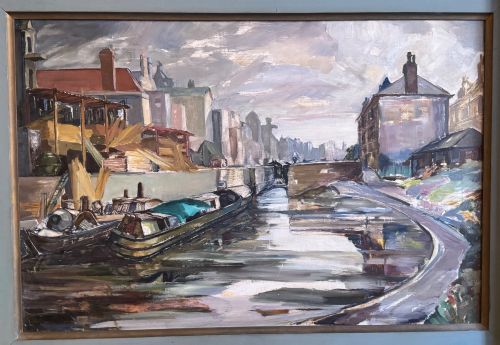
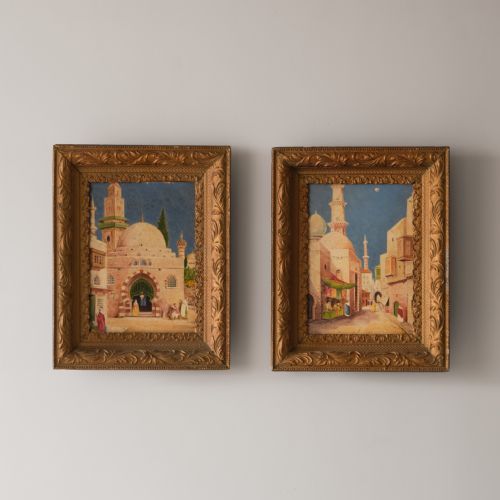
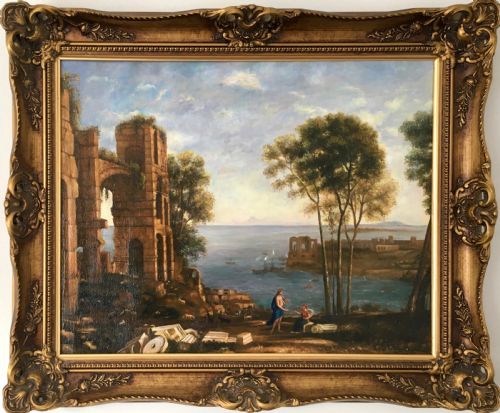
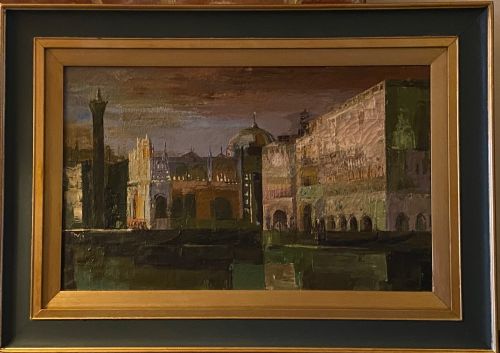
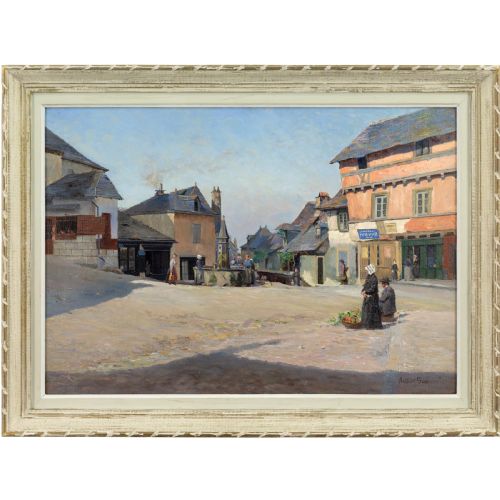
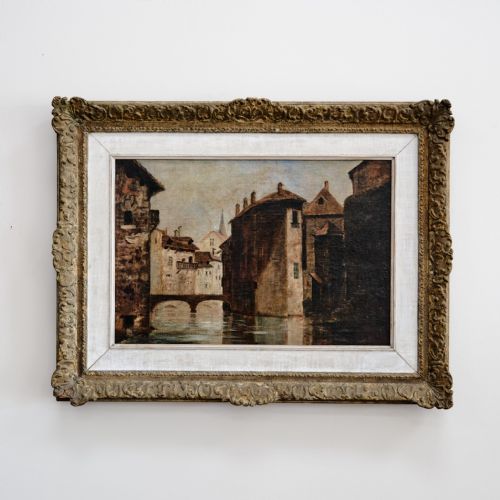
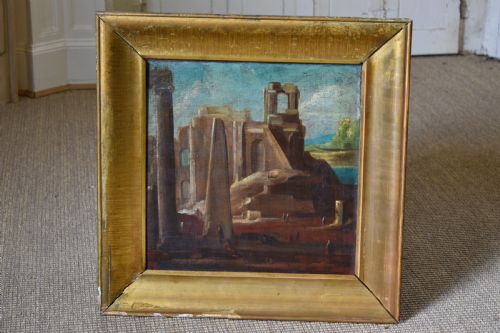
An antique architectural oil painting captures historic streetscapes, grand monuments and crumbling ruins through layered brushwork.
Antique Architectural Oil Painting
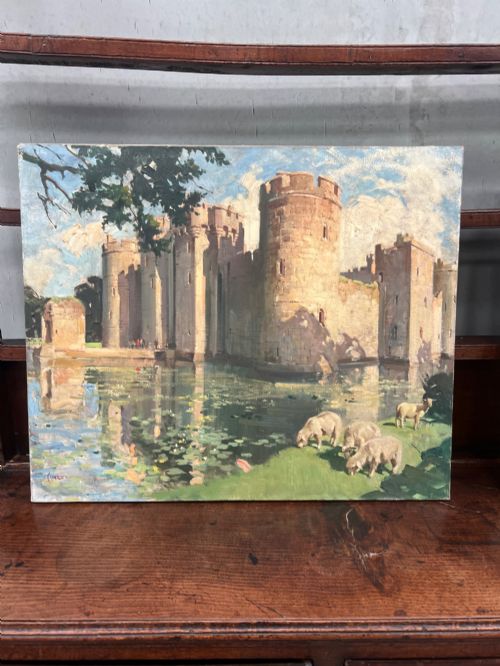
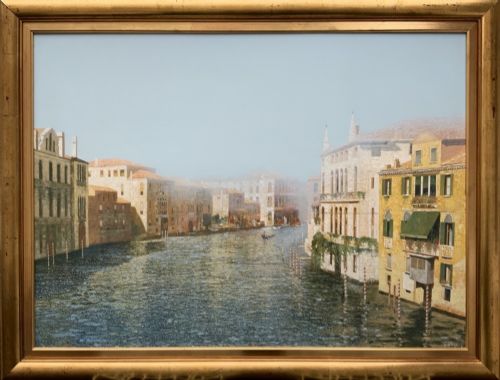
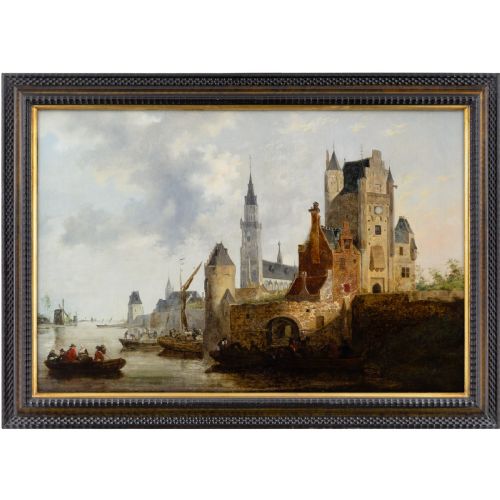
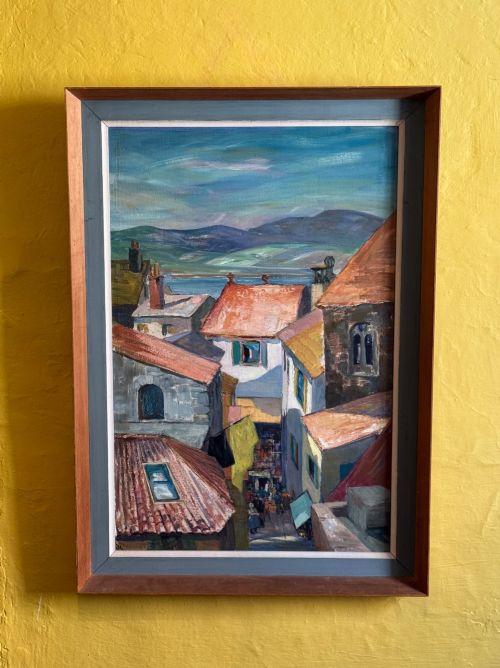
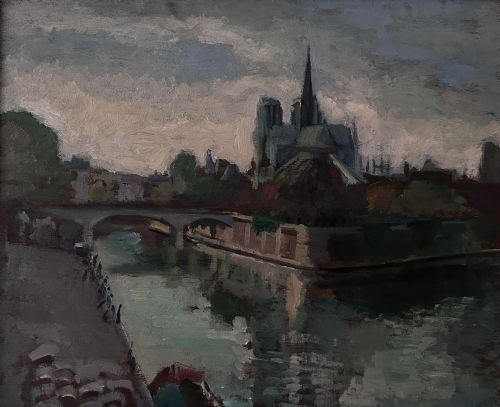
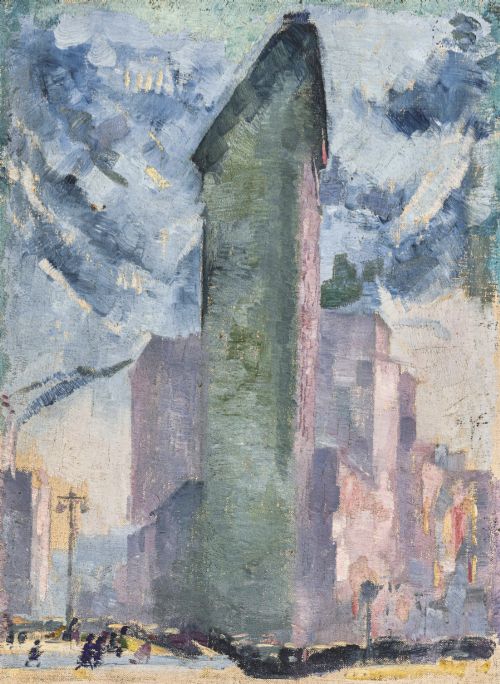
When you search for an antique architectural oil painting, you encounter works depicting cityscapes, cathedrals, bridges, castles and classical ruins from various centuries. The selection ranges from naive portrayals of foreign towns to detailed Grand Tour canvases and Post-Impressionist studies of urban life.
The most common examples on this page date from the nineteenth and early twentieth centuries, spanning styles such as Impressionism, Romanticism and British Impressionism. These works capture specific locations from Venice and Paris to Rome and Prague, often framed in period giltwood or gesso.
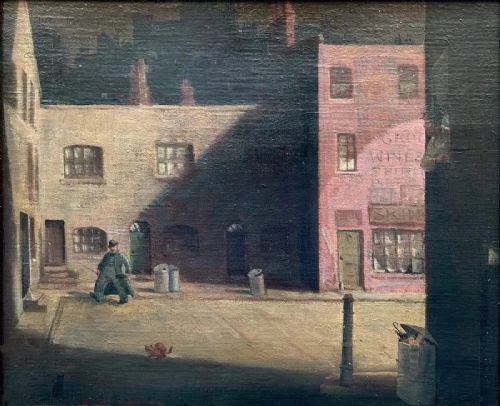
Compositions vary from intimate panel sketches to large canvas views of canals and fortifications. Many pieces document historical buildings and street scenes that have since changed or vanished entirely.
Materials and Technique
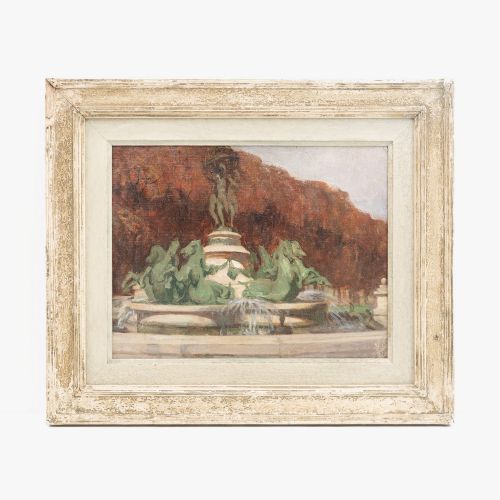
Artists painted primarily with oil on canvas, board, or wood panel, applying pigment to capture light and shadow on stone facades and masonry. Canvases are frequently housed in moulded giltwood and gesso frames finished with gold leaf.
Brushwork ranges from the tight, measured precision of nineteenth-century topographical studies to the looser, expressive strokes of Post-Impressionist cityscapes and modernist interiors.
Antique Architectural Oil Painting Retail Price Guide 2026
Typical asking prices for architectural oil painting among the pieces listed under this phrase on Sellingantiques today, from the lower quarter to the upper quarter. They describe what is for sale here now, not the wider market.
Several canvases capture bustling nineteenth-century pigeons stubbornly lingering on ancient European stonework just as they do today.
What Separates the Best from the Rest
Quality rests in the handling of perspective, light and atmosphere, where skilled painters render the solidity of stone and the depth of colonnades convincingly. Lesser works struggle with spatial geometry and flatly apply pigment without conveying air or distance.
The strength of the composition and the fidelity of architectural detail determine the distinction between a routine topographical record and a compelling work of fine art.
Arthur Gué·Francisco Sancha·Alfred Wolmark·Victor Gabriel Gilbert·Giovanni Paolo Panini·Claude Lorrain·Cornelis Christian Dommersen·Frederick Tully Lott·William George Meadows·Lewis J Wood·Armand Guillaumin
The Antique Architectural Oil Painting Glossary
- Capriccio
- An architectural painting that combines buildings, ruins and other architectural elements in a fictional, pleasing arrangement.
- Gesso
- A plaster-like material applied to wooden frames as a smooth base for gilding with gold leaf.
- Grand Tour
- A traditional trip of Europe undertaken by upper-class European young men of sufficient means, often resulting in the acquisition of local paintings and views.
- Giltwood
- Wood that has been coated with gold leaf or gold paint, standard for period picture frames.
- Post-Impressionism
- An art movement developing from Impressionism that extended its limitations while retaining its use of vivid colours and thick paint application.
Antique Architectural Oil Painting: Frequently Asked Questions
How should I hang an architectural oil painting?
These works suit traditional reception rooms or studies where period furniture complements the subject matter. Ensure the painting hangs away from direct sunlight to protect the oil pigments and giltwood frames.
Consider the scale of the wall space, as large canvases require substantial room to breathe, while smaller board studies fit neatly into narrower alcoves.
What periods do these paintings cover?
The works span from the seventeenth century through the Georgian and Victorian eras into the twentieth century. Earlier pieces often feature romanticized classical ruins, while later ones focus on urban streetscapes and industrial buildings.
Stylistic shifts reflect changing artistic approaches, moving from topographical precision towards Post-Impressionist and modernist interpretations of built environments.
What subjects are most common?
Cityscapes, cathedrals, bridges and ancient ruins dominate the selection, reflecting European travel and architectural interest. Scenes range from recognisable landmarks like Notre Dame and the Grand Canal to quiet provincial streets.
Artists frequently recorded specific towns during travels abroad, resulting in topographical records of historic locations.