



French Country Oil Painting
A French country oil painting brings rural charm and open skies indoors through textured brushwork and pastoral scenes.
French Country Oil Painting
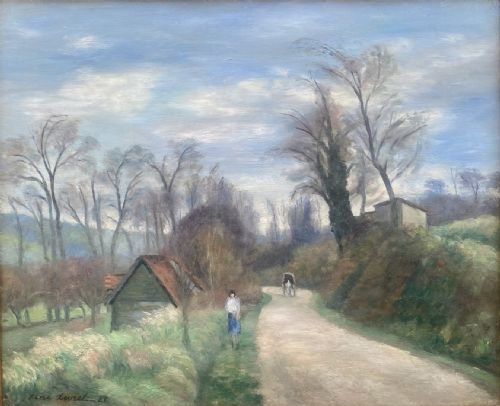
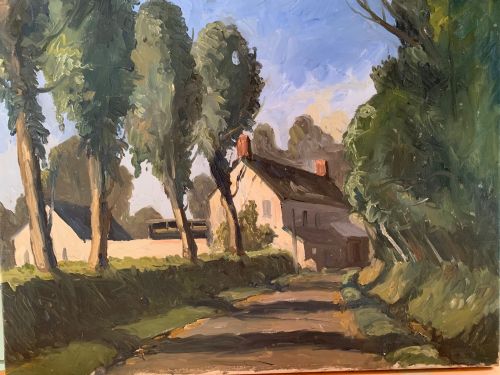
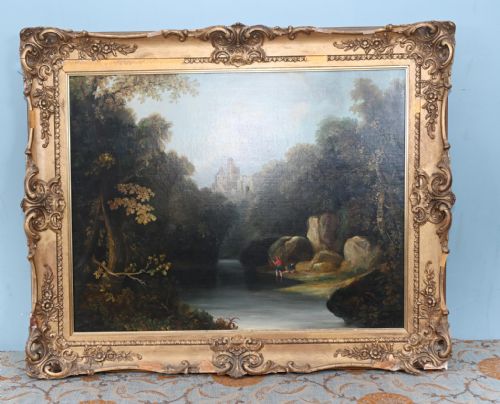
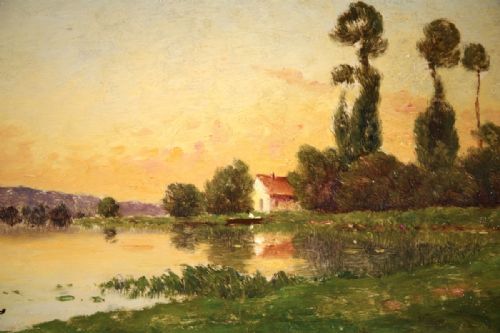
A French country oil painting captures rural life, farmyards, rivers, and chateau landscapes across the nineteenth and twentieth centuries. These artworks reflect regional traditions from Provence, Normandy, and Brittany through the lens of various art movements.
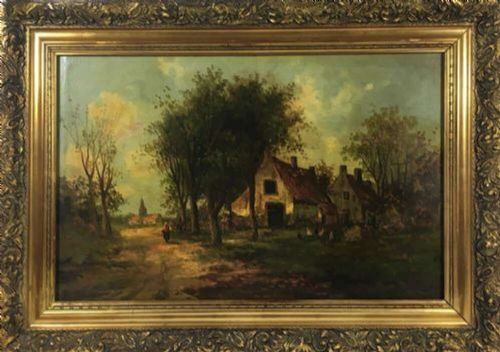
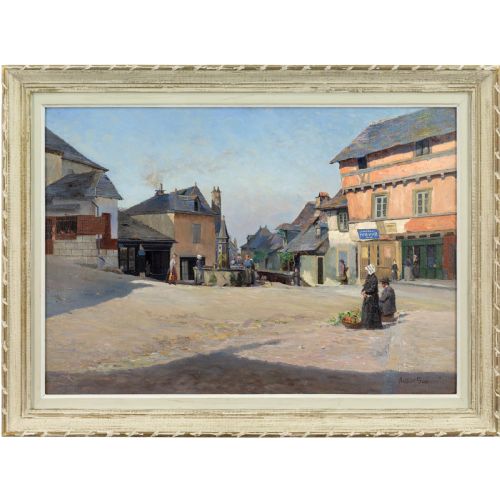
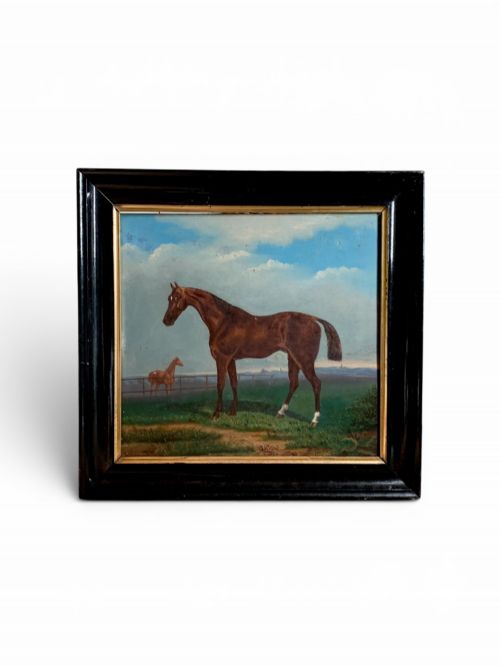
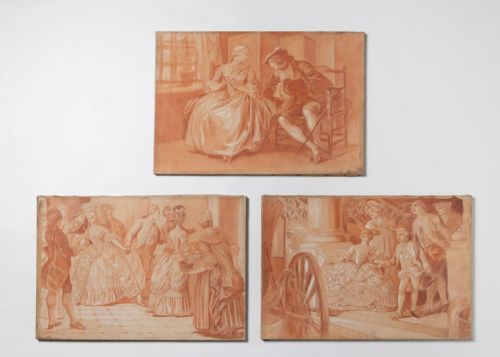
Buyers meet works spanning Barbizon school realism, Impressionism, and Post-Impressionism, alongside anonymous village scenes and equestrian studies. Canvases and wooden panels depict everyday country pursuits, from washerwomen by streams to quiet farmhouses.
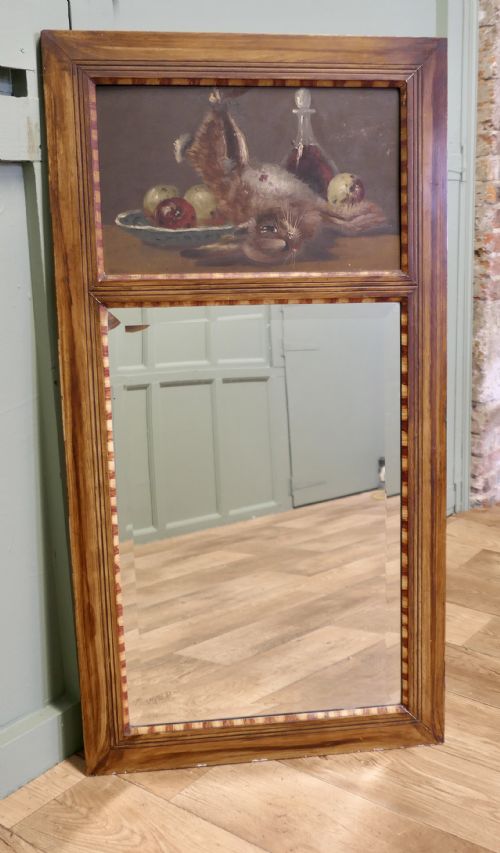
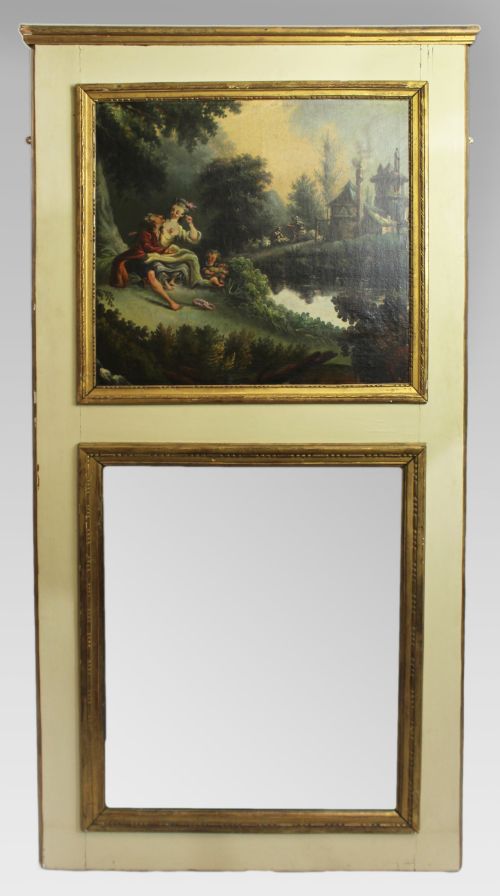
Alongside traditional paintings on canvas, the selection includes oil paintings integrated into tall trumeau pier mirrors with gesso and giltwood frames. These decorative mirrors combine pastoral art with functional home furnishings.
How they were made
Artists painted primarily with oil paint on stretched canvas or wooden panels, utilising rich pigments to build texture and depth. Ground layers of gesso often prepared wooden panels and mirror frames before the application of paint.
Frames frequently incorporate carved wood, gesso mouldings, and giltwood finishes, especially when housing oil paintings within trumeau mirrors. These physical supports show the craftsmanship of period framers alongside the painter's hand.
French Country Oil Painting Retail Price Guide 2026
Typical asking prices for french country oil painting among the pieces listed under this phrase on Sellingantiques today, from the lower quarter to the upper quarter. They describe what is for sale here now, not the wider market.
Listings feature works spanning the nineteenth century through the 1960s, executed in oil on canvas, wood, and panel.
What varies in quality
Quality rests in the handling of light, brushwork confidence, and compositional balance rather than the mere age of the canvas. Stronger works demonstrate assured plein air observation and atmospheric depth, whereas lesser examples rely on formulaic repetition.
The condition of the original canvas, stability of the oil paint layer, and preservation of period giltwood or gesso frames heavily influence the overall integrity of the piece. Patina on the paint surface and original framing elements distinguish well-preserved examples from later alterations.
Arthur Gué·Rene Levrel·Paul Désiré Trouillebert·Henri Jaques Delpy·Alphonse Robert·Jules Chardigny·Pierre Emmanuel Eugene Damoye·Guillaume Urban Régamey·Robert McGregor·Rene Durey
The French Country Oil Painting Glossary
- Barbizon School
- A nineteenth-century French art movement focused on real-life landscape painting and rural scenery, emphasising direct observation of nature.
- Trumeau
- A decorative wall mirror or panel featuring an oil painting set into the upper section above the glass plate, often framed in giltwood.
- Post-Impressionism
- An art style following Impressionism that explores emotional depth and structural form through expressive use of colour and brushstrokes.
- Plein Air
- Painting outdoors to capture natural light and direct atmospheric conditions in the landscape.
- Gesso
- A plaster-like mixture applied to wood panels or mirror frames to create a smooth surface for painting or gilding.
French Country Oil Painting: Frequently Asked Questions
What subjects appear in these paintings?
Paintings feature rural landscapes, farmhouses, river scenes, and animals such as hunting dogs and horses. Artists also depicted figures working in fields, picnicking, or gathering by haystacks.
Scenes frequently capture specific regions including Provence, Normandy, and Brittany during different seasons.
How do I date a French country oil painting?
Dating relies on stylistic clues, artist signatures, and the physical characteristics of the canvas and wooden stretcher frames. Barbizon and impressionist brushwork techniques help narrow the period of creation.
Framing materials like nineteenth-century gesso and giltwood also provide reliable chronological markers.
Where should I hang a trumeau mirror?
Trumeau mirrors work well above mantelpieces or console tables where their integrated oil paintings serve as focal points. Their tall vertical proportions suit rooms with high ceilings.
Placement away from direct sunlight protects both the oil paint and the gilded frame from fading.
What is the difference between canvas and panel?
Canvas offers a flexible textile support stretched over a wooden frame, allowing for visible texture in the woven threads. Panels use solid wood, providing a rigid surface that influenced finer, smoother brushwork.
Both supports appear frequently across nineteenth and twentieth-century French works.