


French Impressionist Art
French impressionist art captures fleeting moments of light and everyday life across canvases and works on paper.
French Impressionist Art
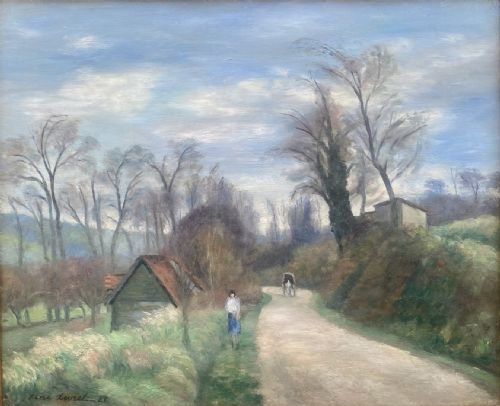
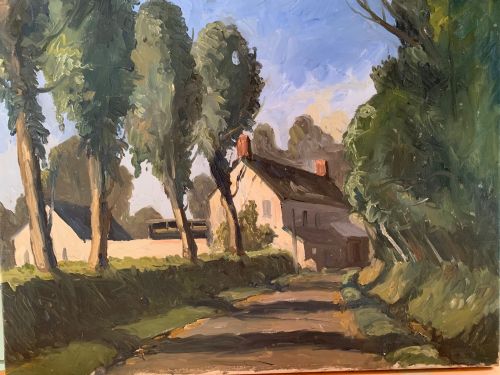
French impressionist art encompasses paintings, watercolours and works on paper created during the nineteenth and twentieth centuries. These pieces record landscapes, cityscapes and domestic scenes through loose brushwork and vibrant colour palettes.
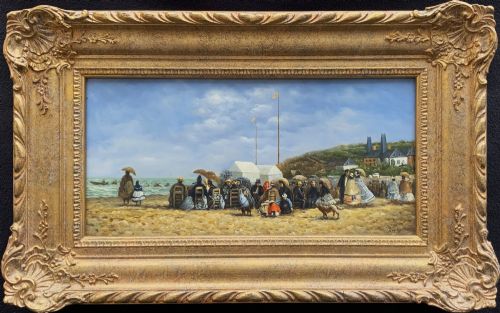
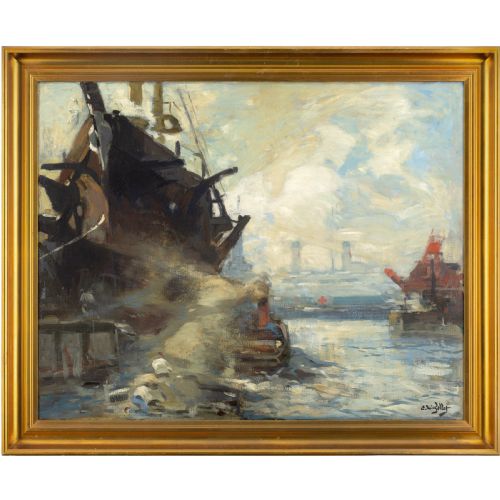
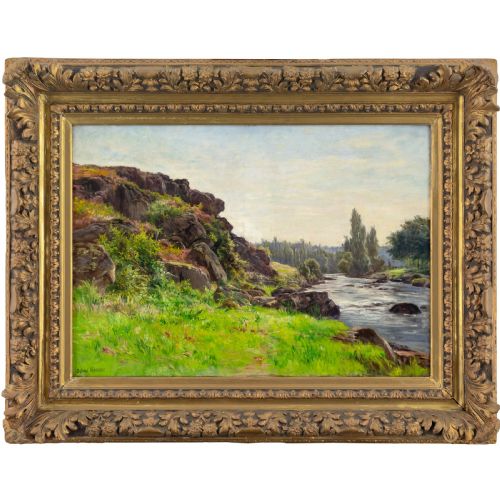
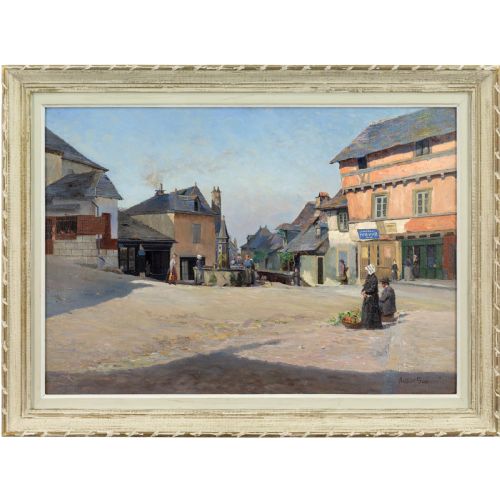
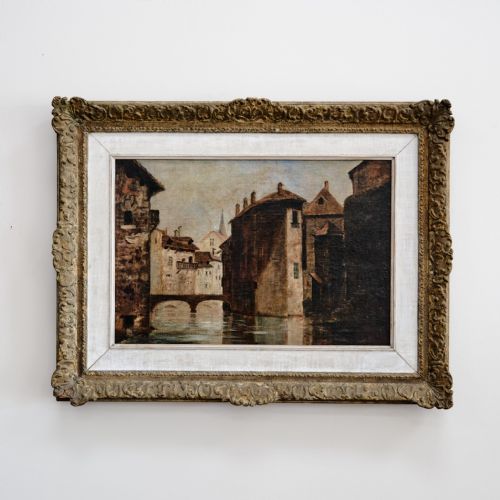
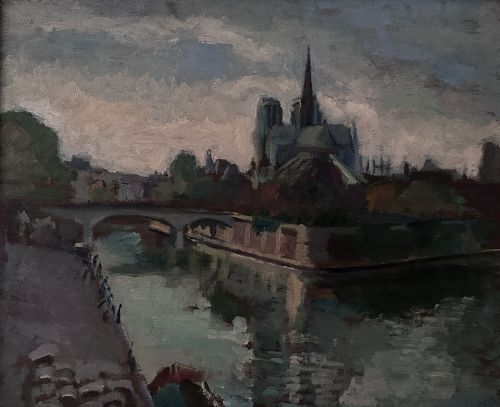
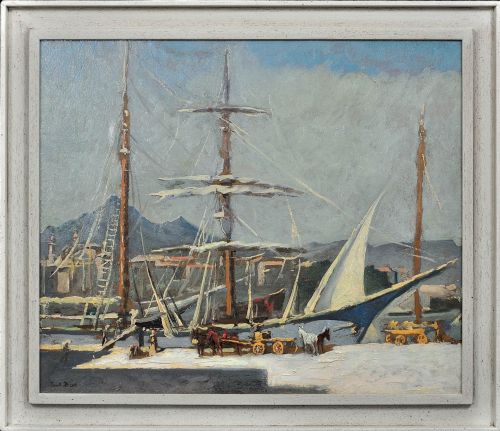
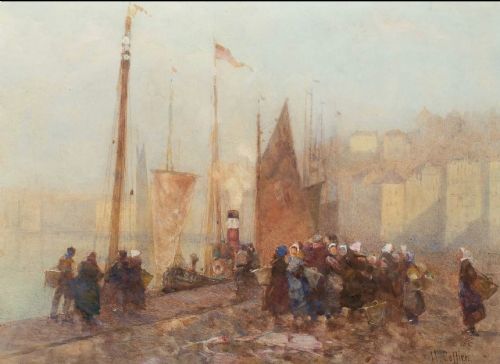
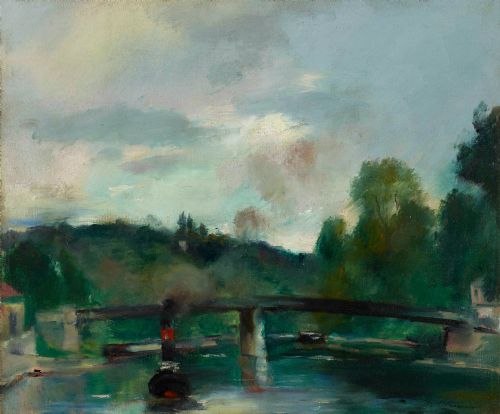
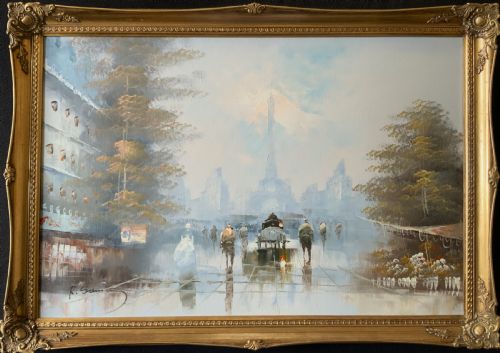
The selections on this page feature oils on canvas or panel alongside mixed media drawings dating from the eighteen-hundreds through the mid-twentieth century. Buyers frequently encounter coastal views, river scenes and Parisian streetscapes framed in period wood and gilt surrounds.
Materials and methods
Artists painted primarily with oil on canvas or wooden panel, applying thick impasto strokes or thin translucent glazes to capture atmospheric effects. Works on paper utilise watercolour, gouache, pastel and ink wash to record rapid observations.
The inventory spans the nineteenth and twentieth centuries, incorporating oil paints, watercolours, and mixed media on canvas, wood panel, and paper.
Distinctions in execution
Quality rests upon the confidence of the brushwork and the artist's command of light, tone and composition. Stronger examples demonstrate purposeful handling of paint that defines form without relying on rigid outlines.
The preservation of the original surface, the integrity of the canvas support and the harmony of the framing contribute to the enduring appeal of each piece.
Eugène-Louis Gillot·Gabriel Mathieu·Arthur Gué·Paul Bret·Hector Caffieri·Henri Ottmann·Rene Levrel·Erich Mercker·Paul Désiré Trouillebert·Henry de Waroquier·Paul Ehrenberg·Paul-Élie Gernez·Jules Dalou·Caroline Burnett·Honore Cavaroc·Charles Clair·Henri Jaques Delpy·Paul-Jean Anderbouhr·Edouard Julien·Elisabeth Bardon·Gaston Cornil·Raymond Moritz·Henri Vincent-Anglade·Victor Gabriel Gilbert·Louis Suire
The French Impressionist Art Glossary
- Impasto
- Paint applied thickly to a canvas or panel, leaving visible brush or palette knife marks that stand proud of the surface. This technique adds tactile depth and catches light across the composition.
- Gouache
- An opaque water-based paint that dries to a matte finish, frequently combined with watercolour on paper. It allows for solid areas of colour and sharp highlights.
- Barbizon School
- A mid-nineteenth-century French art movement focusing on realistic landscape painting en plein air. Practitioners prioritized direct observation of nature over idealized studio compositions.
- Panel
- A flat wooden support used instead of canvas for oil paintings. These rigid surfaces offer stability and a smooth ground for detailed brushwork.
- Post-Impressionism
- A predominantly French art style developing from impressionism that extended its boundaries while retaining vibrant colours and distinct brushstrokes. Artists emphasised symbolic content and geometric forms.
French Impressionist Art: Frequently Asked Questions
What subjects appear in french impressionist art?
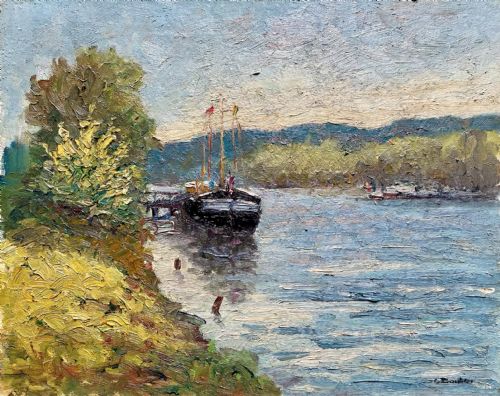
These works depict rural landscapes, bustling ports, quiet riverbanks and urban street scenes across France and beyond. Artists focused on everyday subjects, capturing natural light and atmosphere.
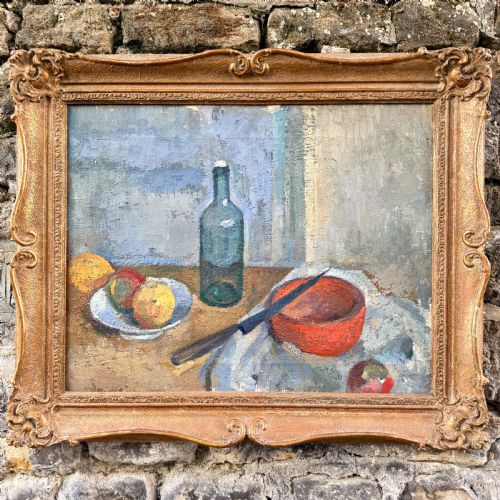
Compositions range from intimate still lifes and domestic interiors to broad coastal views and architectural studies of city landmarks.
How do I care for antique paintings?
Keep paintings away from direct sunlight, high humidity and sudden temperature fluctuations to protect the canvas and paint layers. Display them on stable walls away from heat sources.
Dust surfaces gently with a soft, dry brush without applying pressure to the pigment or the surrounding frame.
Are these works original paintings?
The selection includes original oil paintings on canvas and panel, alongside original watercolours, pastels and mixed media drawings. Each piece is a unique hand-drawn or hand-painted work.
Descriptions specify the exact medium and support used by the artist for every individual item.
How can I date a painting?
Dating relies on recorded artist lifespans, signature styles, costume details, framing types and documented exhibition histories. Many pieces carry dated signatures or inscriptions on the reverse.
Material analysis of the canvas, stretchers and pigments also provides chronological context for unsigned works.