


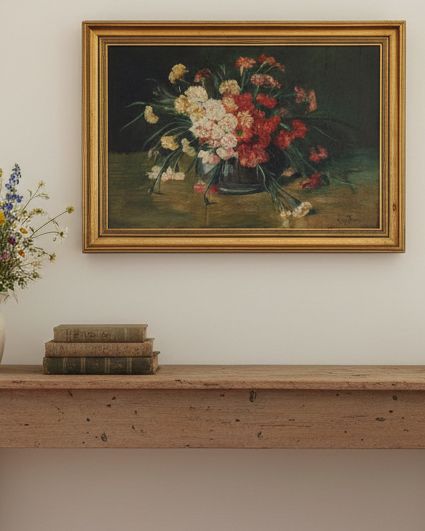
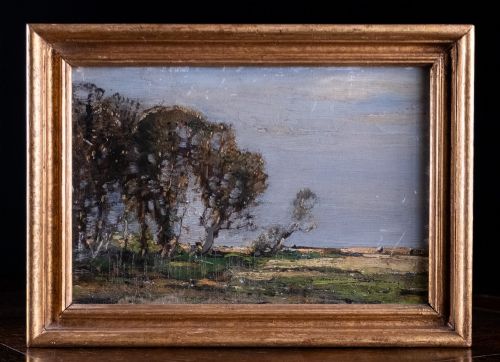
Framed Impressionist Oil Artwork
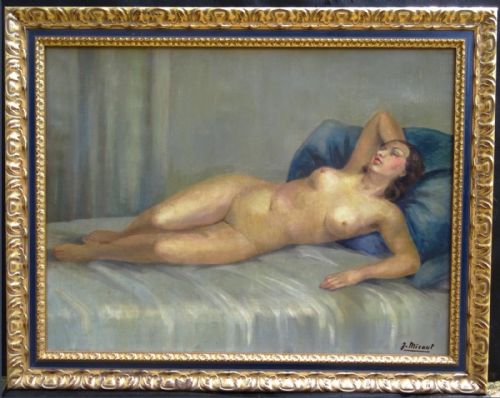
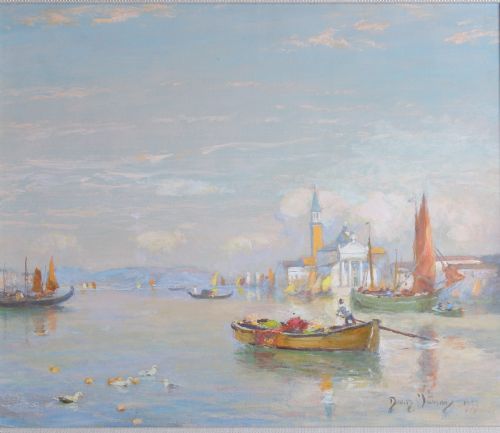
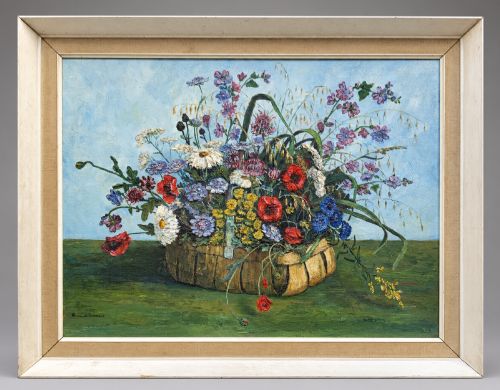
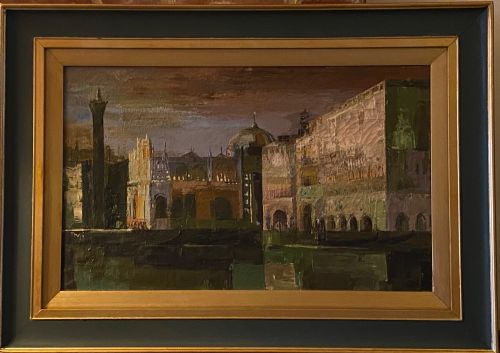
When you seek a framed impressionist oil artwork, you find a painted window onto light and atmosphere, held within period woodwork.
Framed Impressionist Oil Artwork
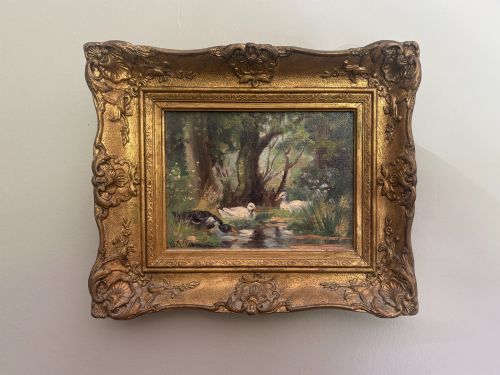
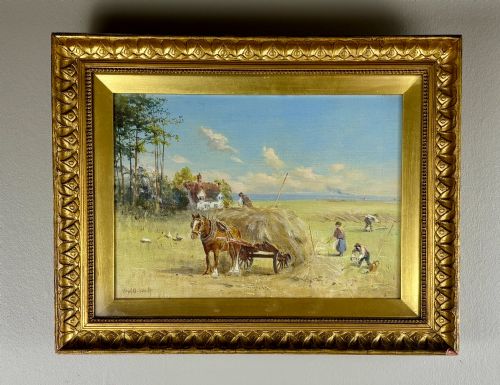
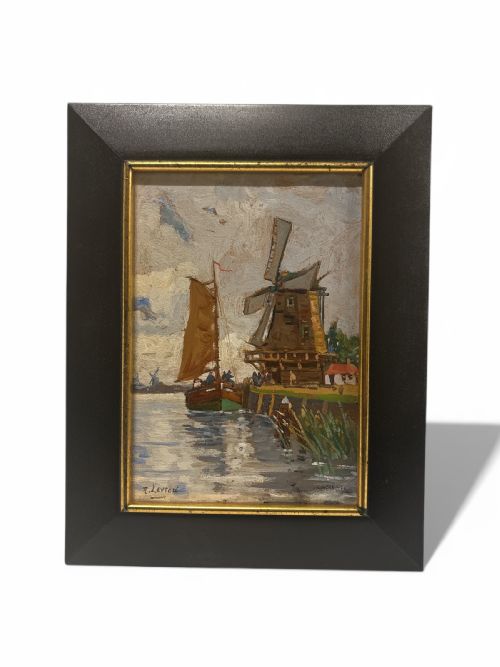
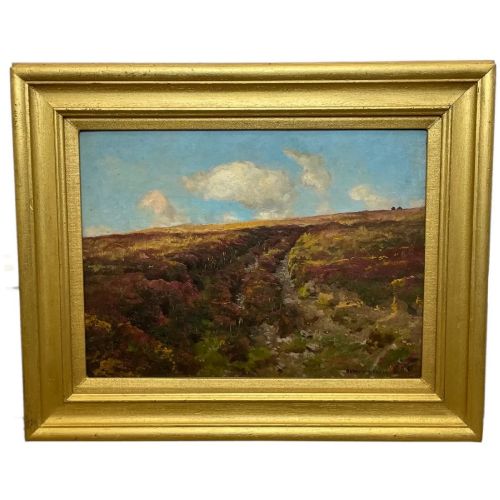
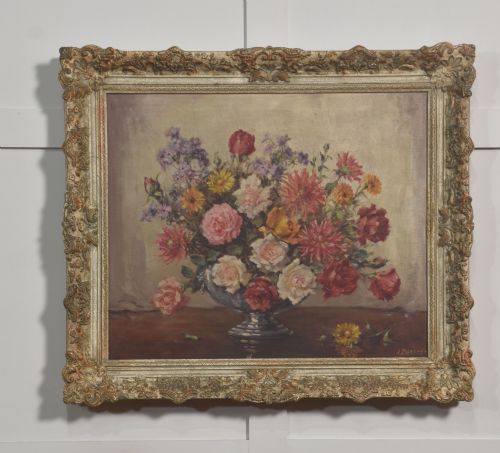
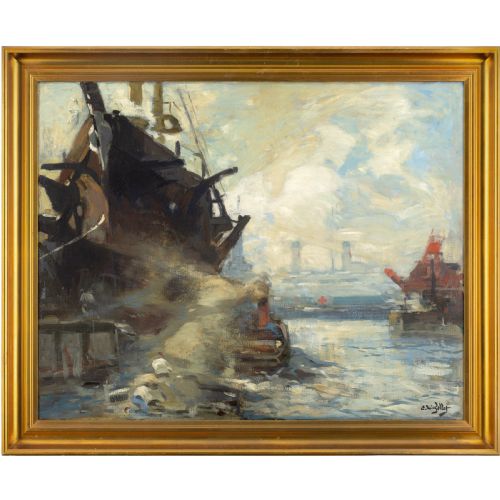
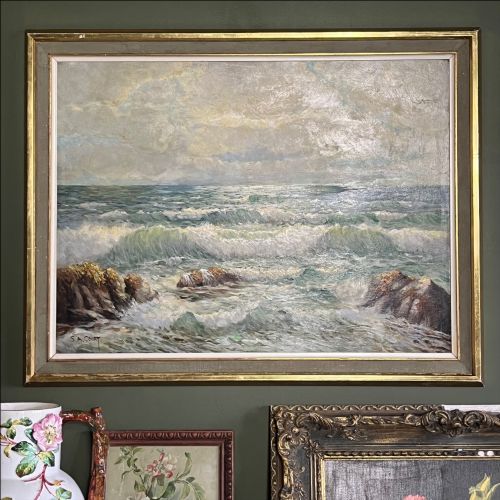
A framed impressionist oil artwork captures shifting light, fleeting moments, and everyday scenes through rapid brushwork and vibrant pigments. When exploring this selection, a buyer encounters works spanning the nineteenth century through to the mid-twentieth century and beyond, originating from British, French, Belgian, and Italian hands.
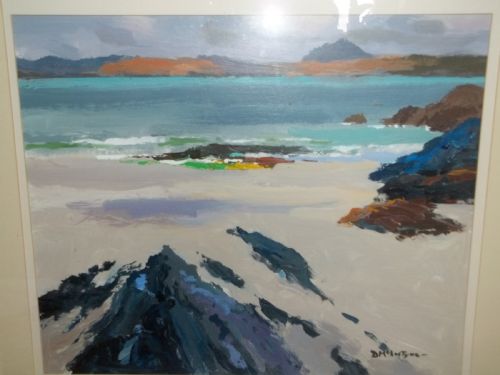
The subjects vary widely across the inventory, ranging from coastal marine views and rural landscapes to botanical still-lifes and urban street scenes. Many pieces arrive housed in their original surrounds, which include ornate gilt wood frames that complement the textured paint surface within.
The most common formats on this page include oil on canvas and oil on board, rendered in styles that encompass British Impressionism, Post-Impressionism, and Modern British movements. These paintings offer a direct connection to the en plein air traditions of the period, recording natural tones with energetic application.
How they were made
Artists applied oil paint using loaded brushes and palette knives directly onto stretched canvas or rigid wooden boards, building textured impasto surfaces that catch the light. This technique allowed painters to work rapidly, capturing the transient effects of weather and daylight during en plein air sessions.
The supporting frames are predominantly constructed from timber, frequently finished with layers of gilt or carved ornament to enclose and protect the painted surface. These surrounds often feature moulded details typical of their respective periods, secured around the outer edges of the canvas or board.
The inventory spans works created across the nineteenth century, the 1900s, 1910s, 1920s, 1930s, 1940s, 1950s, 1960s, and later periods.
What varies in quality
The success of a framed impressionist oil artwork lies in the confidence of the brushwork and the artist's command over tonal harmony and light. Superior examples demonstrate a decisive application of pigment that defines form and atmosphere without relying on rigid outlines.
Materials also differentiate the works, with sturdy linen canvases and stable wooden boards supporting richly layered oil paint that retains its original depth. The integration between the painting and its period frame contributes significantly to the overall integrity of the piece.
Clifford Hanney·Arthur Wardle·Eugène-Louis Gillot·Kershaw Schofield·George Houston·Robert Morson Hughes·James Kay·Augusto Alberici·Gabriel Mathieu·Arthur Gué·Charles Houben·John Lübschitz·Lucy Pratt·Antonio DeVity·Paul Bret·Konstantin Stoitzner·Emma Fordyce MacRae·Charles Stuart Forbes·Eric Brown
The Framed Impressionist Oil Artwork Glossary
- Impasto
- Paint applied thickly to a canvas or board, standing out in relief from the plane and holding the distinct marks of the brush or palette knife. This technique adds tactile dimension and captures direct reflections of light.
- En plein air
- The practice of painting outdoors to directly capture the actual visual conditions of lighting and atmosphere at a given time. Practitioners of this method often finished their works in a single session.
- Gilt wood
- Timber substrates finished with a thin layer of gold leaf or metallic powder, commonly utilised for picture frames during the nineteenth and twentieth centuries. It provides a reflective border that isolates the painted scene from its surroundings.
- Post-Impressionism
- An artistic movement developing out of impressionism that extended its limitations while retaining its use of vivid colours and thick application. Artists prioritised symbolic content and structured brushwork over sheer optical realism.
Framed Impressionist Oil Artwork: Frequently Asked Questions
How do I date an old oil painting?
Dating relies upon examining the canvas preparation, the type of wooden stretcher or board, and the style of the gilt frame. Pigment analysis and signature styles of identified artists also provide precise chronological markers.
Historical clues within the depicted subject matter, such as clothing or architecture, further narrow down the decade of creation.
Are these paintings supplied with their frames?
Most works listed on this page include their period frames, which are catalogued alongside the canvas or board. These surrounds range from simple wooden profiles to ornate gilt constructions.
The description notes the presence of the frame where it forms an integral part of the artwork's presentation.
What is the difference between canvas and board supports?
Canvas consists of woven textile stretched over a wooden frame, offering a flexible surface that responds to atmospheric changes. Board provides a rigid wooden or composite foundation that resists flexing and protects the paint layer from warping.
Both materials were widely utilised across the nineteenth and twentieth centuries by impressionist painters.
How should I care for an oil painting at home?
Keep the artwork away from direct sunlight, high humidity, and rapid temperature fluctuations to protect the oil paint and wooden frame. Dust the surface gently with a soft, dry brush without applying pressure to the impasto ridges.
Avoid using liquid cleaners or chemical solvents on either the painted canvas or the gilt wood.