
Post Impressionist Canvas
A post impressionist canvas captures light and colour with bold brushwork, offering a window into the artistic shifts of the twentieth century.
Post Impressionist Canvas
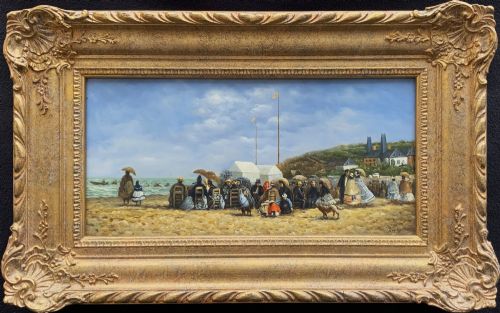
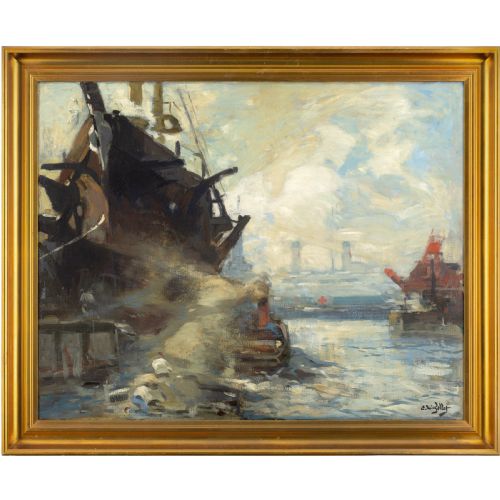
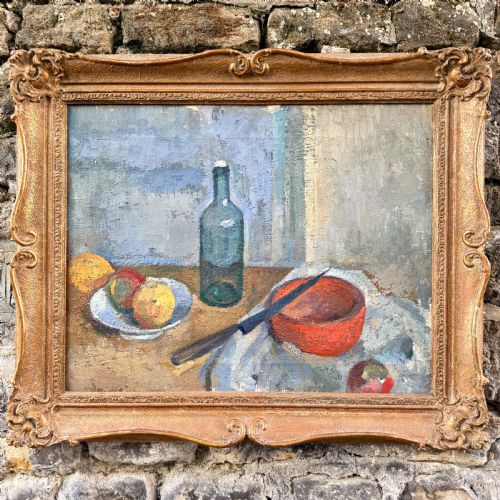
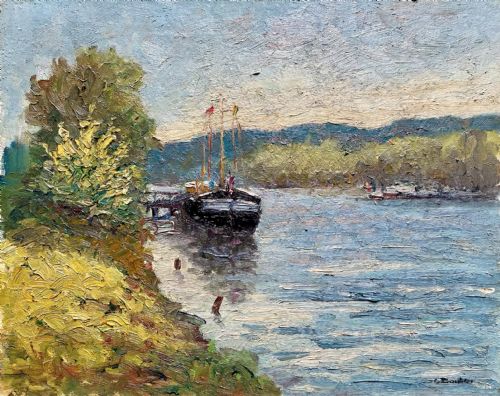
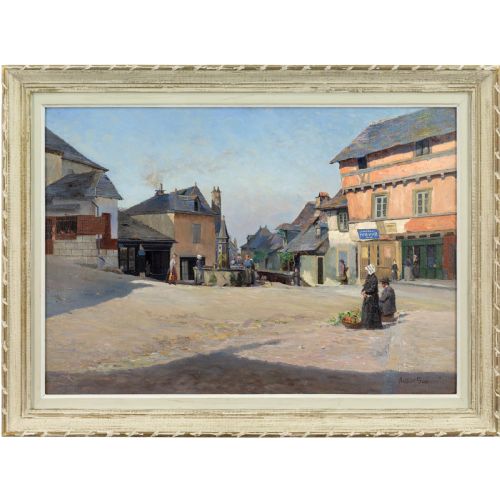
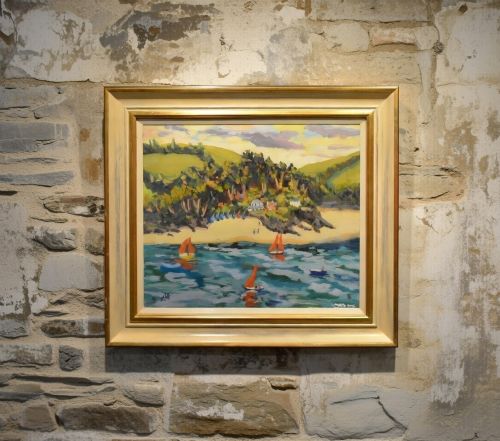
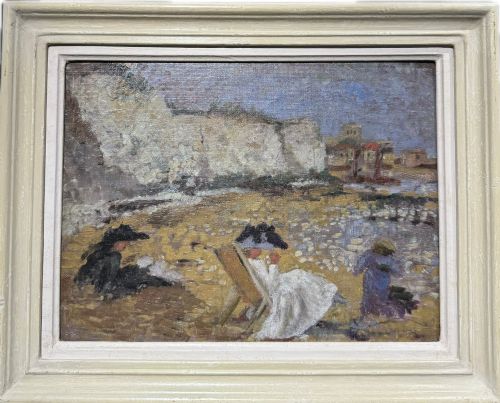
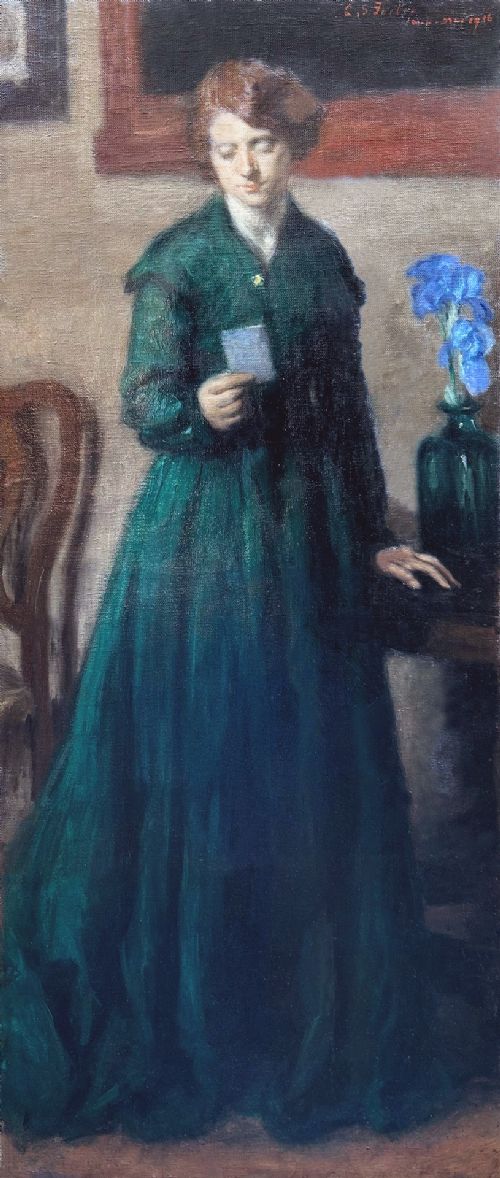
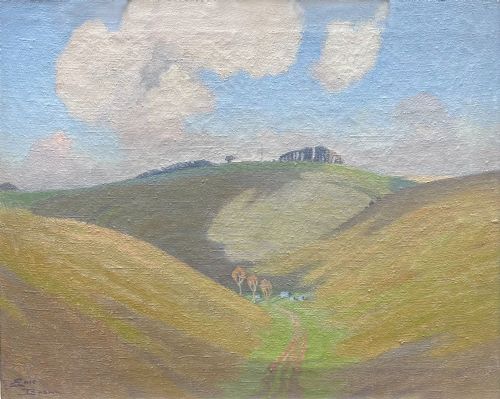
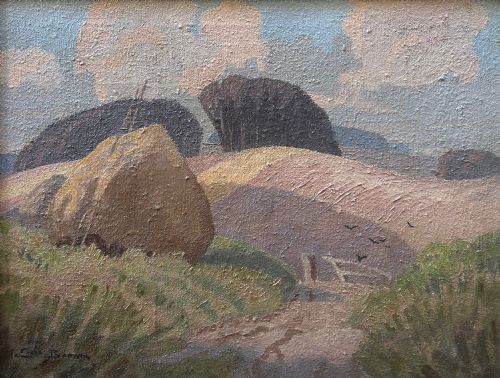
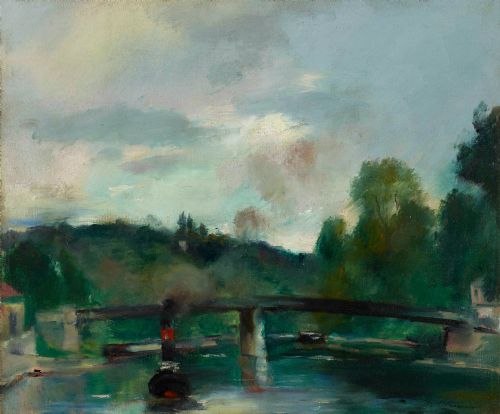
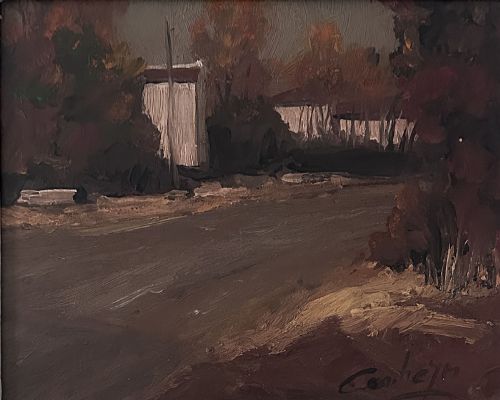
A post impressionist canvas brings together works from the nineteenth century through to the mid-twentieth century, capturing landscapes, portraits, and still lifes. These pieces frequently emerge from French and British schools, showing influences from Impressionism and Post-Impressionism.
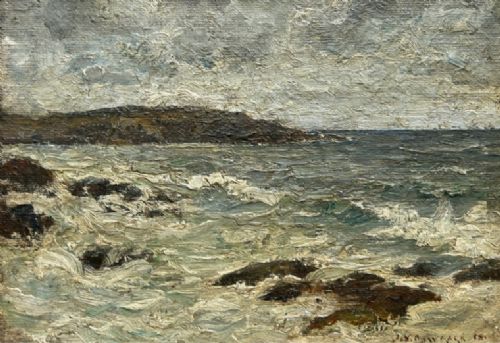
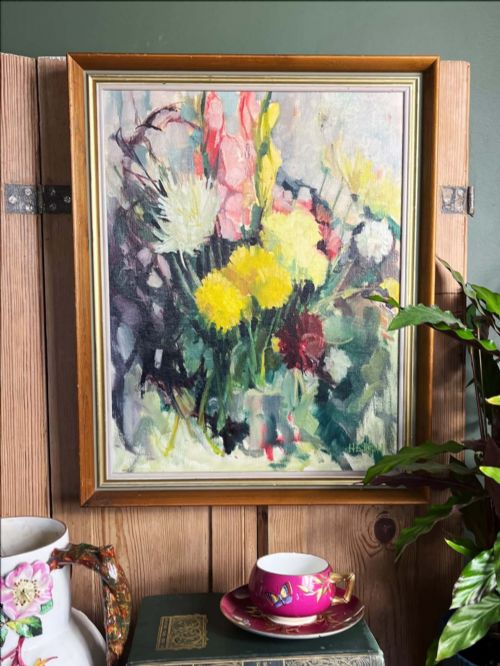
The selections available range from intimate floral still lifes to expansive coastal views of Normandy and Brittany. Buyers will frequently encounter works framed in gilt wood, dating from the early decades of the twentieth century onward.
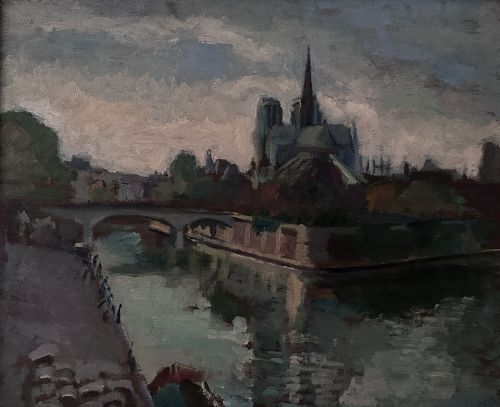
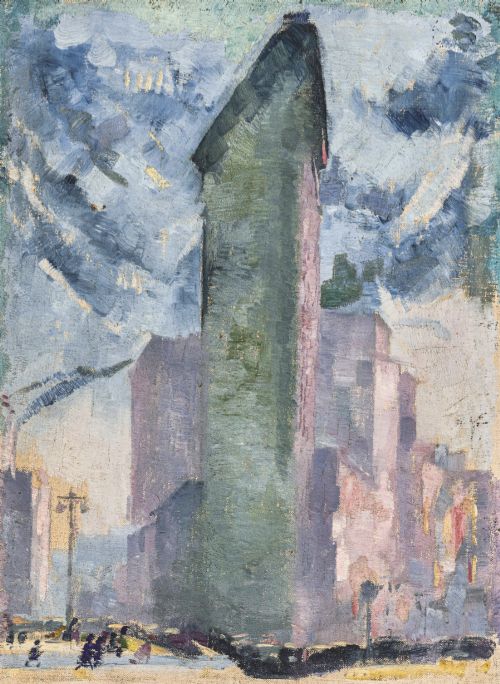
Makers and painters represented span named European artists alongside evocative school pieces. Each canvas records the shifting moods of urban street scenes and quiet rural courtyards through expressive brushwork.
How they were made
Painters applied oil paint directly onto woven canvas or board surfaces, building texture through impasto and varied brush application. Pigments were selected to capture natural light, particularly in plein air landscapes across France and Britain.
Many surviving works retain their original wooden frames, frequently finished with gilt ornamentation. The combination of oil medium and supportive wooden stretchers ensures the structural longevity of the painted surface.
Post Impressionist Canvas Retail Price Guide 2026
Typical asking prices for post impressionist canvas among the pieces listed under this phrase on Sellingantiques today, from the lower quarter to the upper quarter. They describe what is for sale here now, not the wider market.
The works reflect distinct regional styles including French Post-Impressionism, Modern British, and the Bloomsbury Group.
What varies in quality
The strength of composition and the handling of light distinguish individual works. Superior examples demonstrate a confident control of colour harmony and energetic brushwork that defines the movement.
Provenance and documentation play a part, with signed canvases and works exhibiting clear exhibition histories holding distinct character. The integrity of the original canvas surface and framing further influences the overall presence of the piece.
Eugène-Louis Gillot·Arthur Gué·Ethel Sands·Charles Stuart Forbes·Alfred Wolmark·Eric Brown·Henri Ottmann·Donald McIntyre·Cecil Allan Mould·Rene Levrel·Ronald Ossory Dunlop·Victor Simonin·Paul-Jean Anderbouhr·Henri Vincent-Anglade·Louis Suire·Jean-Baptiste Olive·George Turland Goosey·André Prévot-Valéri·Merio Ameglio·Charles Malfroy·Edward Seago·Doyly-John·Andre de Moller
The Post Impressionist Canvas Glossary
- Impasto
- Paint applied thickly to a canvas, standing out in relief from the surface so that the brush or palette knife marks remain visible.
- Gilt Wood
- Timber framing coated with a thin layer of gold leaf or gilt paint, common in period frames.
- Plein Air
- Painting outdoors to capture the actual light and atmosphere of a particular landscape directly.
- Bloomsbury Group
- An association of English writers, intellectuals, and philosophers who influenced early twentieth-century British art.
- Pointillism
- A technique of painting using small, distinct dots of colour applied in patterns to form an image.
Post Impressionist Canvas: Frequently Asked Questions
How do I date a post impressionist canvas?
Dating relies on stylistic clues, artist signatures, and framing materials recorded across the canvas history. Mid-century works often show brighter palettes, whereas early twentieth-century pieces lean towards muted tonal ranges.
Examine the stretcher bars and canvas weave for further clues about the period of manufacture. Archival exhibition labels on the reverse can also confirm a specific decade of creation.
Where were these paintings typically created?
Many works originate from artistic hubs in France, including Normandy, Brittany, and Paris street scenes. British painters also contributed significant coastal and rural views from locations such as St Ives.
Artists frequently travelled to paint en plein air in sunlit Mediterranean settings or quiet provincial courtyards. This geographic diversity creates a rich variety of regional light in the surviving works.
How should I hang an oil painting?
Select a wall away from direct sunlight and fluctuating heat sources to protect the oil paint and canvas. Secure the piece using appropriate wall fixings that match the weight of the frame.
Ensure the hanging height allows comfortable eye-level viewing of the composition. Proper placement preserves the structural integrity of both the canvas and its period frame.
What is the difference between oil on canvas and oil on board?
Oil on canvas involves paint applied to woven textile stretched over a wooden frame, offering slight flexibility. Oil on board uses a rigid wooden or composite panel as the base for the pigment.
Board supports frequently appear in smaller sketches and plein air studies executed quickly outdoors. Canvases are typically chosen for larger, more developed studio compositions.