
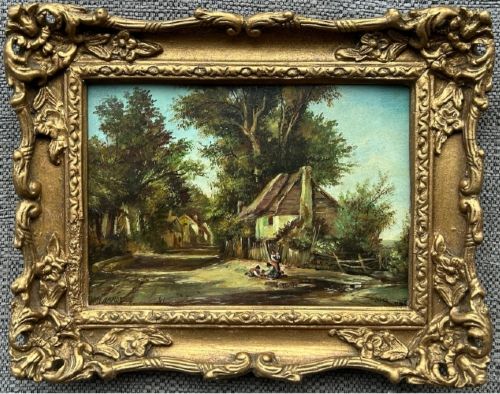
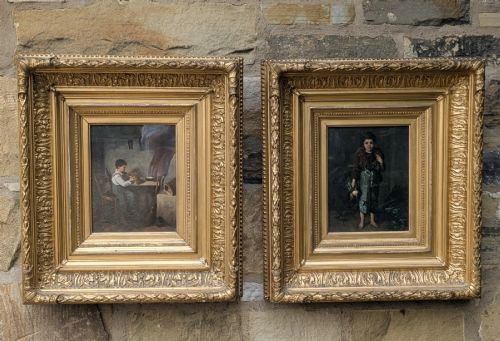
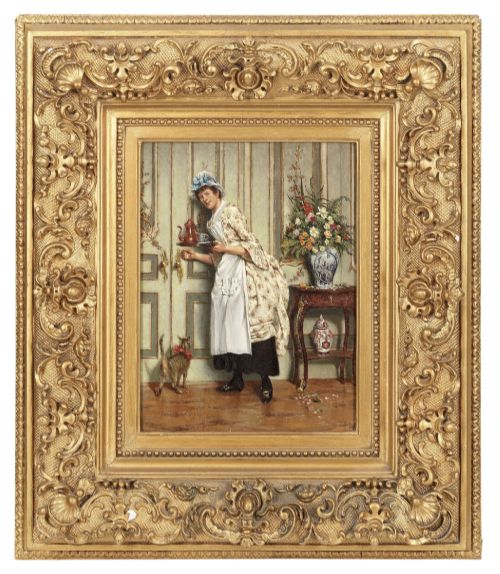
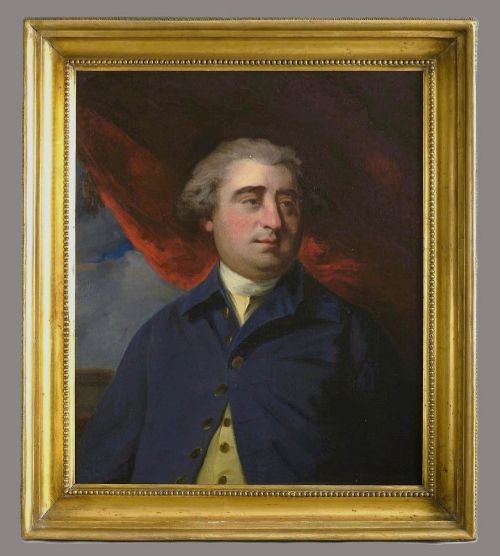
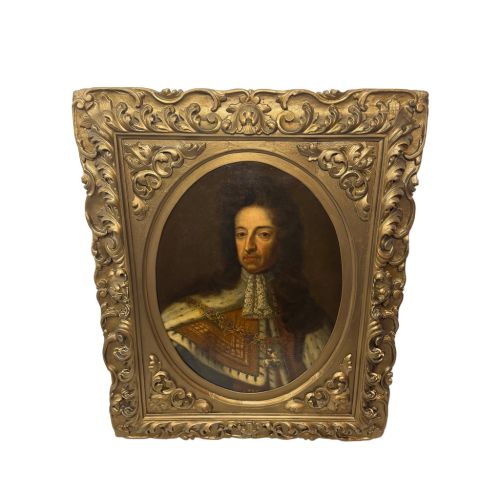
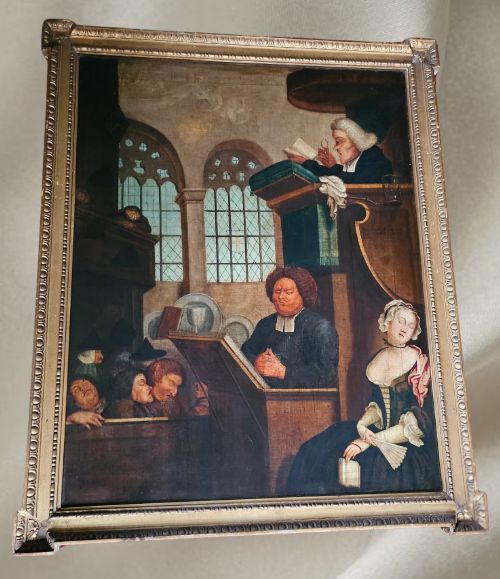
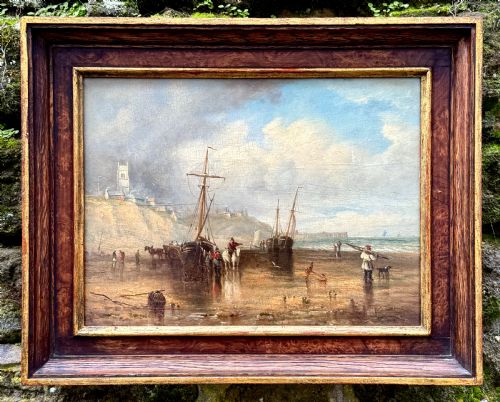

Gilt Wood Oil Painting
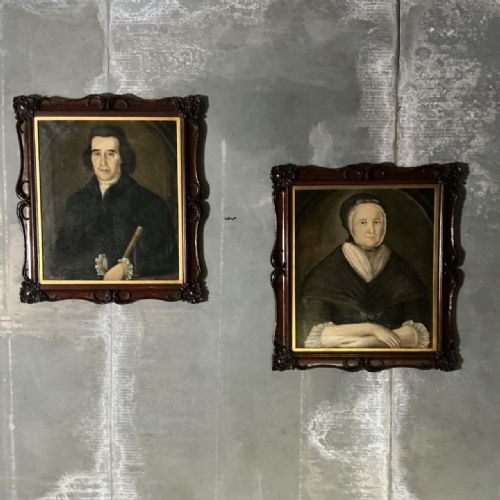
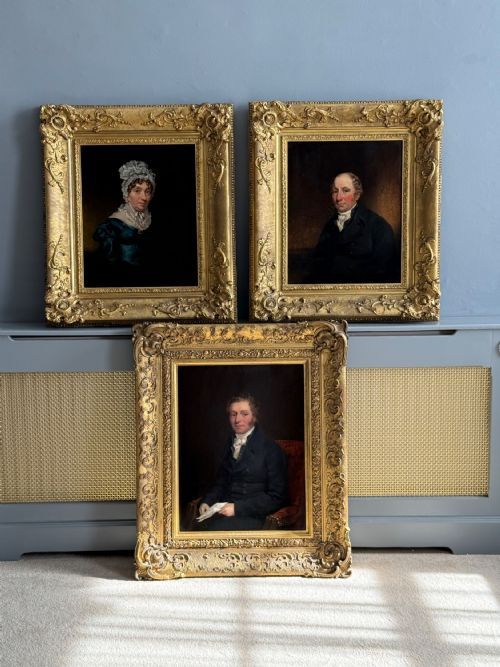
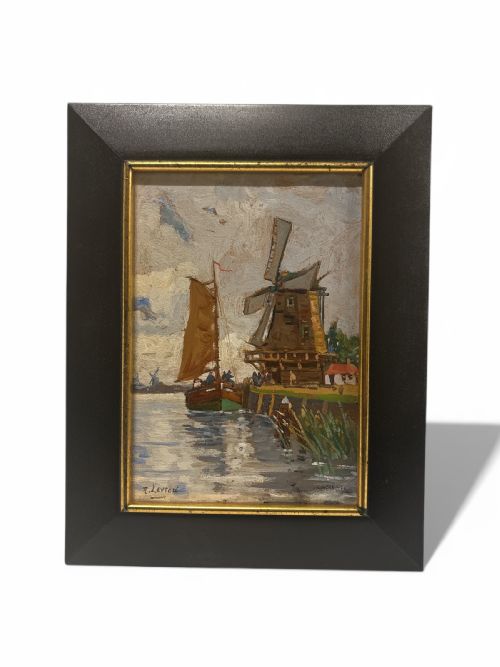
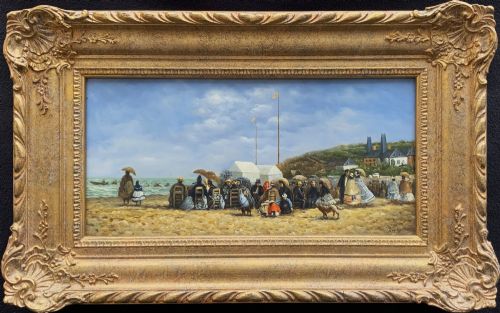
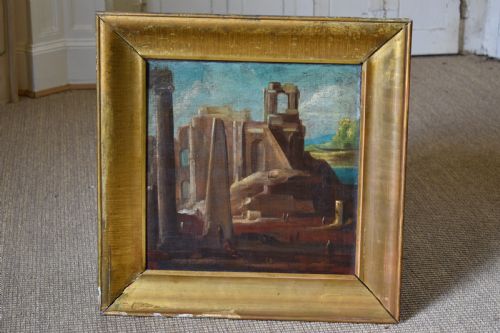
These gilt wood oil painting pieces bring together canvas, panel and board works with carved or moulded giltwood frames.
What they are
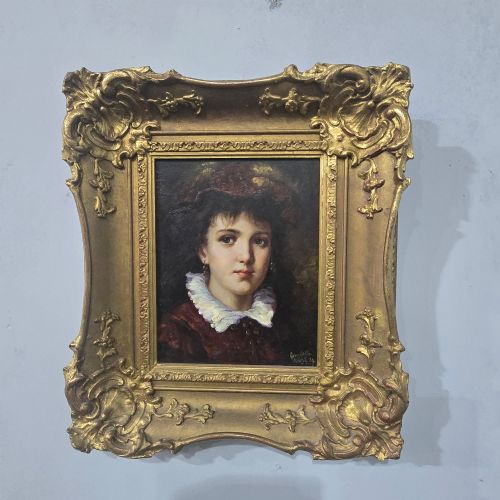
A gilt wood oil painting combines a painted canvas, wood panel or board with a gilded wooden frame. When you search for this phrase, you encounter portraits, landscapes and genre scenes set within period surrounds.
The pieces span the nineteenth century, including works from 1800, 1860, 1880 and surrounding decades. Subjects range from pastoral English landscapes and Italian scenes to Dutch school winter views and floral still lifes.
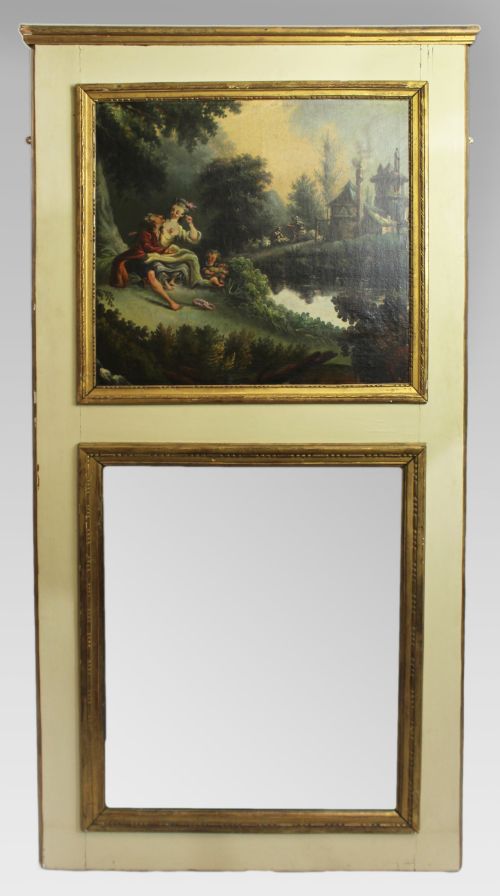
Frames vary from simple wooden gilt profiles to ornate carved, pierced and plaster cast giltwood designs. Certain examples combine paintings with architectural mirror plates in tall wall formats.
How they were made
Artisans applied oil paint to stretched canvas, wooden panels or boards. Frames were constructed from timber, often utilising gesso and plaster to build up decorative mouldings and shell details before applying gold leaf or gilt finishes.
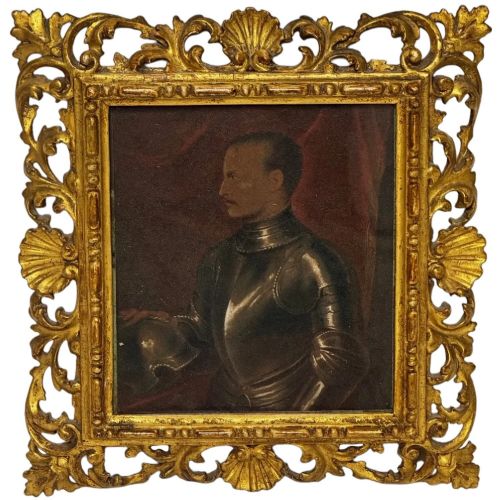
Carved and pierced giltwood frames required skilled joinery and hand-tooling to achieve intricate relief patterns. Plaster cast elements were integrated into wooden frames to create ornate decorative surrounds for the oil paintings.
Retail Price Guide 2026
Typical UK retail prices for gilt wood oil painting, calculated from the Sellingantiques database of over a million retail prices indexed since 2003. This retail price guide relies exclusively on Sellingantiques data; no external sources or auction records are used, so the figures do not describe the wider market.
Materials documented across the listings include oil on canvas, oil paint, canvas, giltwood, gilt wood, and plaster.
What varies in quality
The refinement of the carving and the depth of the gilding set the standard for the frame. Hand-carved wooden surrounds with crisp detail sit above heavily cast plaster compositions.
Brushwork and draughtsmanship determine the merit of the canvas itself. Signed works by documented nineteenth-century artists carry greater distinction than anonymous school pieces.
Charles Hunt·Thomas Edward Roberts·Willem Johannes Martens·Robert Weir Allan·St John Mulholland
The Gilt Wood Oil Painting Glossary
- Giltwood
- Wood that has been treated with gold leaf, gilt powder or liquid metallic finish. This surface layer provides a bright or burnished metallic appearance to the frame.
- Oil on Canvas
- Pigment bound in an oil medium applied to a woven fabric support. This technique allows for blended tones and rich textures across landscapes and portraits.
- Wood Panel
- A rigid wooden support used instead of canvas for painting. Panels offer a smooth, stable surface frequently utilised in Dutch and Flemish school works.
- Grand Tour
- A cultural journey undertaken by nineteenth-century travellers acquiring art and antiquities. Paintings from this context often depict Italian architecture and classical scenes.
Frequently Asked Questions
How do I hang a heavy gilt wood oil painting?
Secure fixings directly into wall studs or use heavy-duty wall anchors rated for the combined weight of the wood and canvas. Ensure the hanging wire or brackets match the substantial build of the frame.
Position the work at eye level where adequate lighting can catch the gilt surface without creating disruptive glare on the varnished paint layer.
How do I clean the gilt frame?
Dust the carved or moulded surfaces gently with a soft, dry brush to remove settled particles without disturbing the gold leaf. Avoid moisture and chemical cleaning agents entirely.
Professional conservators should handle any flaking gesso or damaged gilding to preserve the historic integrity of the wooden surround.
Are these paintings original nineteenth century works?
The selections encompass nineteenth-century canvases, panels and boards housed in contemporaneous wooden and gilt frames. Documentation often includes artist signatures, dates and stylistic markers.
Examine the back of the canvas, stretcher bars and panel construction to assess the age and historical context of the piece.
How do I protect the oil paint?
Keep paintings away from direct sunlight, radiators and damp environments to prevent canvas slackening and paint cracking. Stable indoor temperatures preserve both the wood panel and the oil medium.
Allow air circulation behind large framed works to prevent moisture accumulation against the wall surface.