


Antique Figural Oil Painting
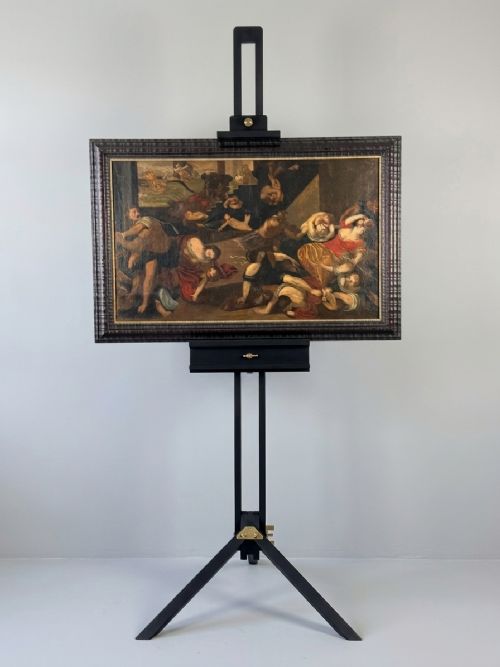
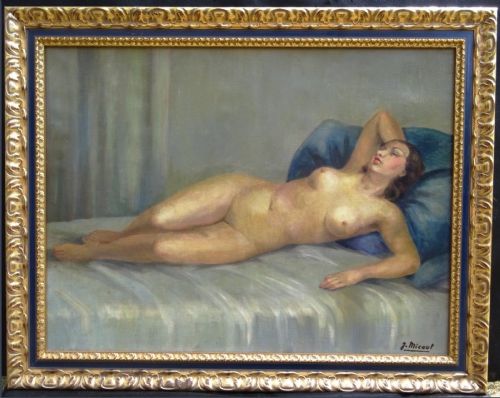
An antique figural oil painting captures human narrative and character through pigment on canvas, offering a direct window into past lives and artistic traditions.
Understanding the selection
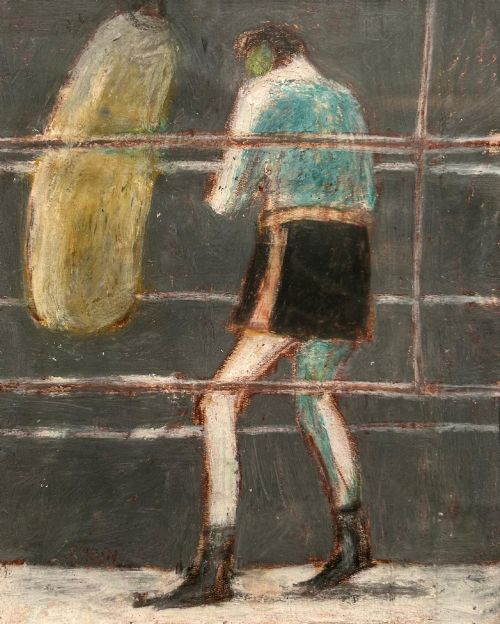
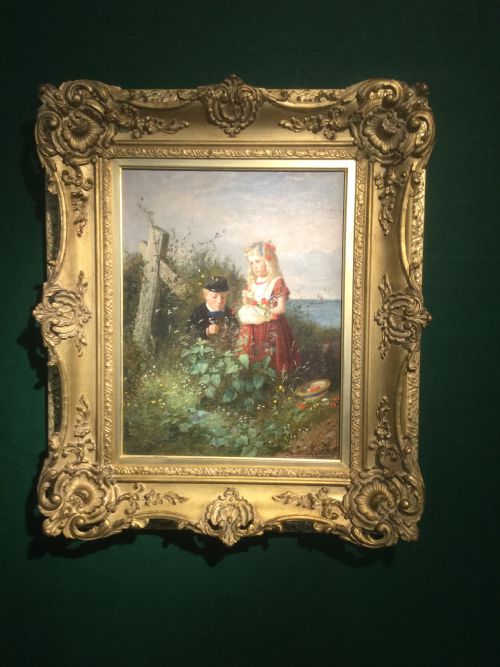
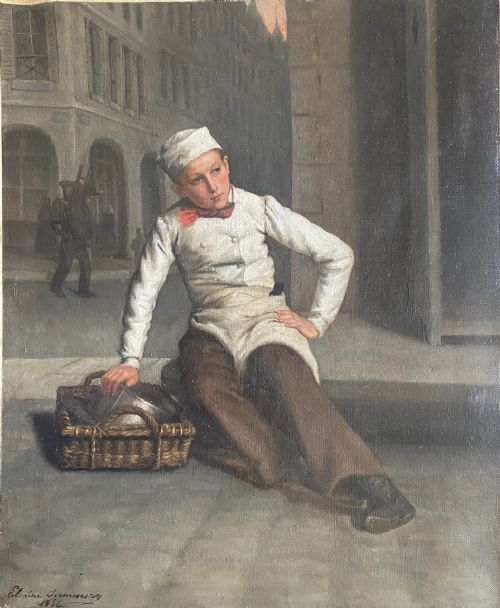
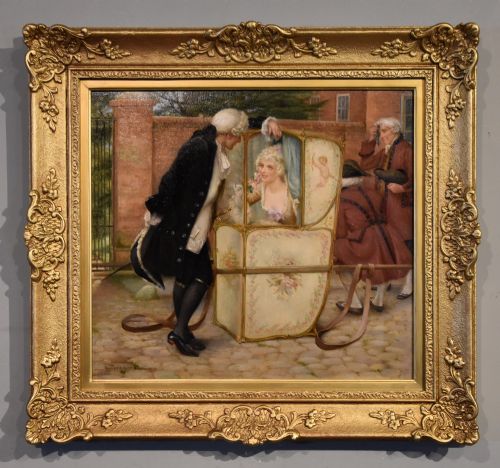
Every antique figural oil painting in this selection centres on human subjects, ranging from solitary portraits to bustling genre scenes and atmospheric coastal settings. The pieces span the nineteenth century and the early twentieth century, showing both Victorian narrative traditions and later stylistic developments like fauvism.
You will encounter works by named British and European artists, including nineteenth century Italian painters and German studios such as Geisler Munchen. The subjects vary from formal portraiture of women holding trays to anecdotal moments involving gentlemen outside houses and children at fountains.
The forms primarily consist of framed rectangular canvases executed with traditional oil paint techniques. These paintings reflect the diverse regional schools of nineteenth century European art, capturing distinct social moments and artistic movements.
Materials and construction
Each antique figural oil painting relies on a woven fabric canvas stretched over a traditional wood stretcher to support the composition. Artists built their imagery using oil paint, applying layered pigments that allowed for rich tonal depth, blending, and texture.
Many of these works retain their period frames constructed from gilt wood and gesso, which provide structural support and ornamental presentation. The preparation of the canvas surface and the application of gesso beneath the gilding follow traditional framing craft of the period.
Retail Price Guide 2026
Typical UK retail prices for figural oil painting, calculated from the Sellingantiques database of over a million retail prices indexed since 2003. This retail price guide relies exclusively on Sellingantiques data; no external sources or auction records are used, so the figures do not describe the wider market.
Listed items encompass 19th-century European and Italian styles alongside Victorian genre painting and early twentieth-century fauvism.
Distinguishing quality
Quality in these works rests upon the artist's command of anatomy, expression, and narrative clarity within the human subject. Finer paintings demonstrate sophisticated handling of light and shadow across fabrics and flesh, whereas lesser examples rely on rigid lines and flat application.
The sophistication of the original gilt wood and gesso frame contributes significantly to the overall integrity of the piece. Intricate moulding and well-preserved gilding complement the canvas, whereas compromised frames diminish the visual harmony of the artwork.
Charles Hunt·John Robert Dicksee·Vincenzo Irolli·Walter Dendy Sadler·Geisler Munchen
The Antique Figural Oil Painting Glossary
- Canvas
- A heavy woven fabric stretched tightly across a wood frame to serve as the foundational support for the oil paint. It provides a durable and textured surface for the artist's brushwork.
- Genre painting
- A style of art depicting scenes from everyday life, ordinary people, and narrative moments rather than formal portraiture or grand historical subjects. These works offer social insight into the period of their creation.
- Gesso
- A plaster mixture applied to wood frames or canvas surfaces to prepare them for gilding or painting. It creates a smooth and receptive ground for subsequent decorative layers.
- Stretcher
- The internal wooden framework that holds the canvas taut under tension. Traditional versions often feature adjustable corners to maintain proper fabric alignment over time.
Frequently Asked Questions
What is a genre oil painting?
A genre oil painting depicts everyday life and human narratives rather than formal portraiture or mythological scenes. These works capture social interactions, domestic moments, and public gatherings.
Artists used these compositions to tell visual stories about contemporary society, often imbuing the subjects with humour, moral lessons, or observational charm.
What does fauve mean in oil paintings?
Fauve describes a style characterised by bold, non-naturalistic colours and loose, energetic brushwork applied directly to the canvas. This movement emerged in the early twentieth century as artists prioritized emotional expression over strict realism.
Works in this style break away from traditional academic blending in favor of vivid chromatic impact and simplified forms.
How should I care for an oil painting on canvas?
Keep oil paintings away from direct sunlight, extreme temperature fluctuations, and high humidity to prevent the canvas from warping or the paint from cracking. Stable environmental conditions preserve the integrity of both the pigment and the underlying wood stretcher.
Dust the surface gently with a soft, dry brush and avoid using liquid cleaners or chemical solvents on the paint layer.