



Framed Victorian Wall Art
Framed victorian wall art brings nineteenth-century portraiture, print collections and genre scenes directly onto the wall in their original frames.

What framed victorian wall art is
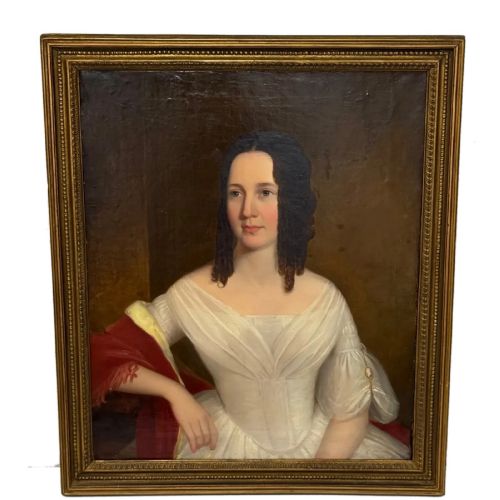
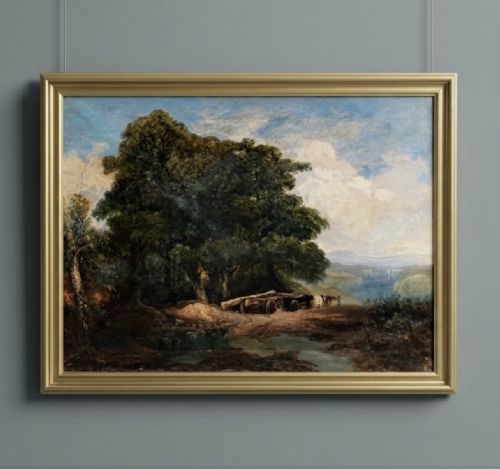
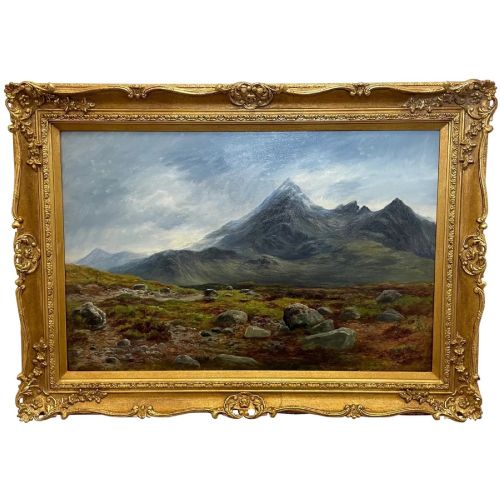
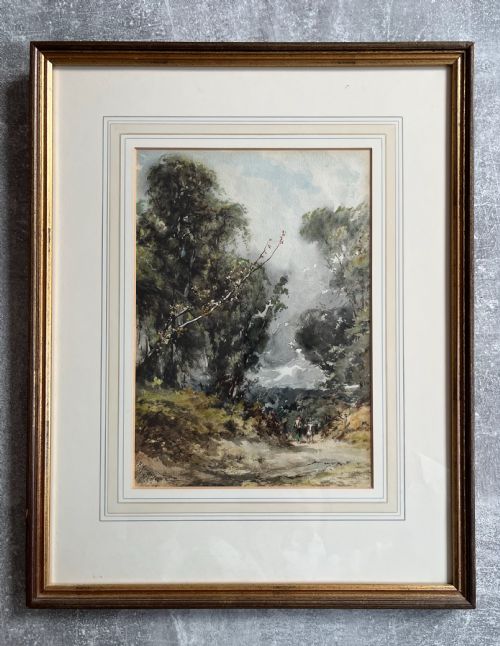
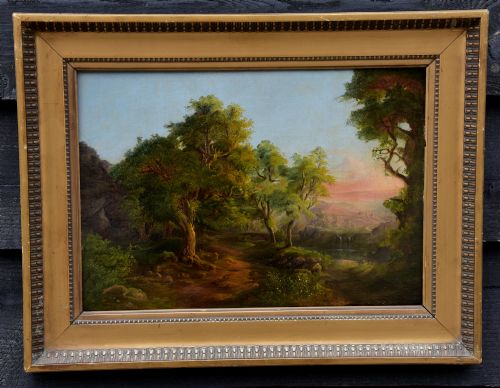
When you search for framed victorian wall art, you encounter oil paintings, prints and chrystoleums spanning the nineteenth century. The selection includes individual oil portraits, sets of satirical lithographs and genre scenes.
Portraits and paintings by named nineteenth-century artists form a substantial part of the available pieces. You also find sets of multiple prints, such as Victorian Spy cartoons and Vanity Fair prints.
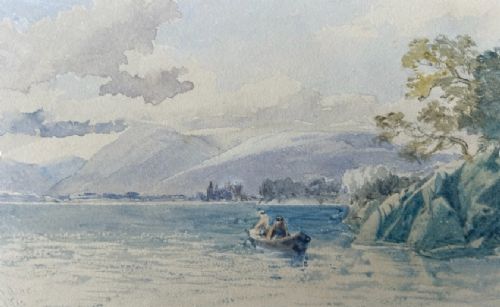
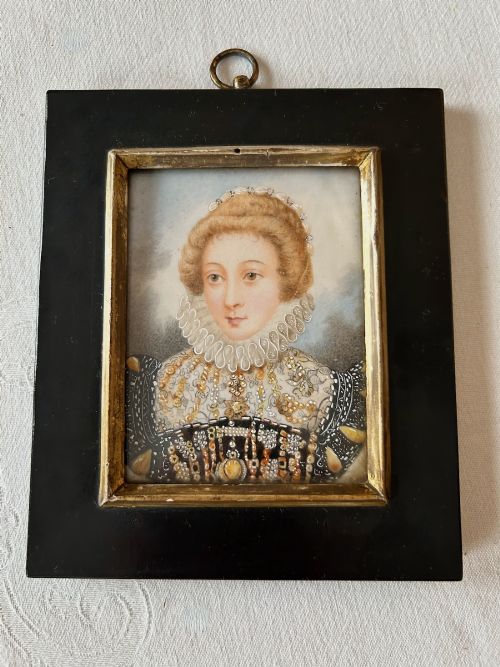
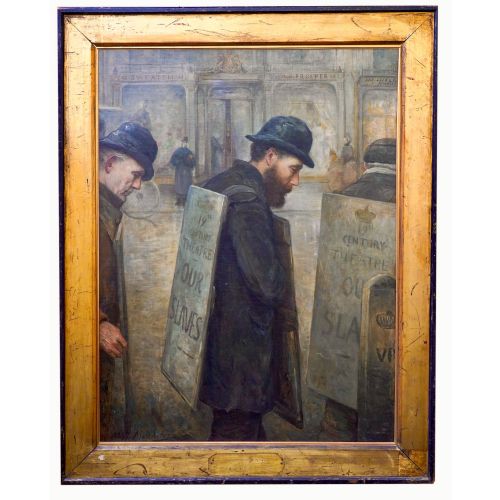
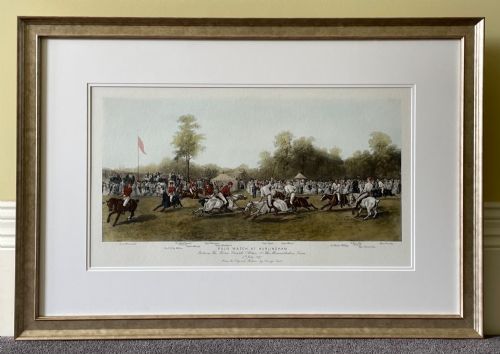
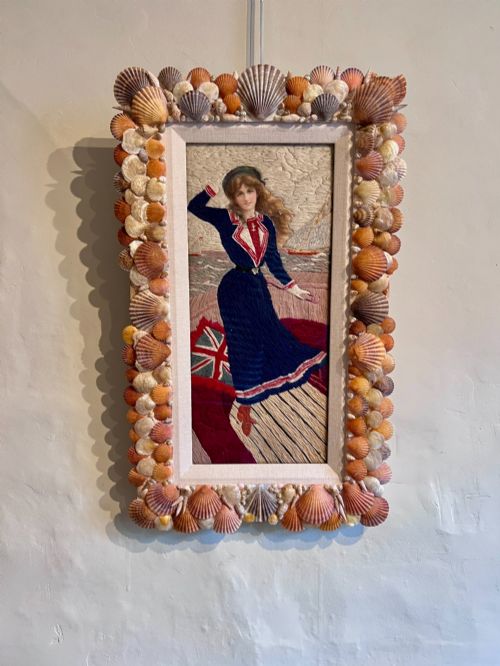
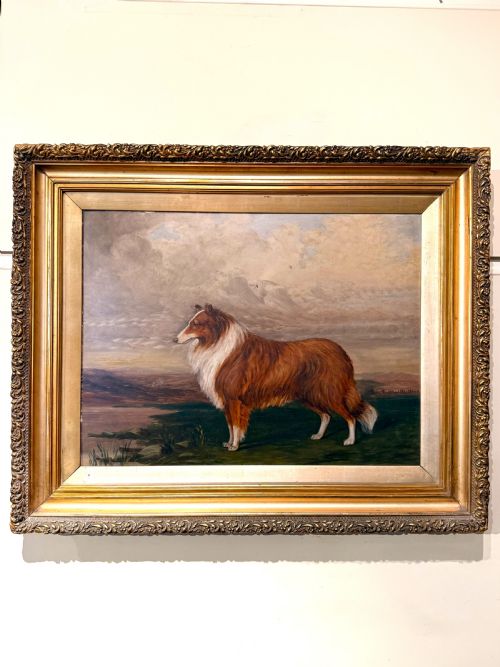
The visual material covers subjects ranging from single female figures and children with pets to landscape and park scenes. These works capture the domestic and social interests of the period within period frames.
How they were made
Oil paintings in this category utilise oil paint applied to canvas or paper supports. These are typically set within wood, gilt wood and gesso frames that complement the painting.
Graphic works comprise lithographic prints, cartoons and chrystoleums. Chrystoleums involve hand-colouring a photograph placed beneath concave glass, creating a layered visual depth.
Retail Price Guide 2026
Typical UK retail prices for framed victorian wall art, calculated from the Sellingantiques database of over a million retail prices indexed since 2003. This retail price guide relies exclusively on Sellingantiques data; no external sources or auction records are used, so the figures do not describe the wider market.
Among the portraits and prints, a pet rabbit shares top billing with Victorian gentlemen and beauties.
What varies in quality
Quality rests on the distinction between original hand-painted oil works by recorded artists and mass-produced or later print runs. The presence of a named nineteenth-century painter elevates the status of a piece.
The integrity and material richness of the surrounding frame alter the overall calibre of the work. Gilt wood and gesso mouldings that retain their original finish hold greater visual weight than plain or later replacements.
John Robert Dicksee·John Henry Dell·John Syer junior
The Framed Victorian Wall Art Glossary
- Chrystoleum
- A coloured photograph mounted beneath convex glass and finished with oil paint. This technique creates a luminous, dimensional image popular in the nineteenth century.
- Gesso
- A plaster-like mixture applied to wooden frames before gilding or painting. It provides a smooth surface for intricate moulded ornament.
- Spy print
- A satirical lithograph portrait published in Vanity Fair. These caricatures depict notable figures of the Victorian era.
- Genre scene
- A painting that depicts aspects of everyday life. These works focus on ordinary people in domestic or social settings rather than grand historical narratives.
Frequently Asked Questions
What periods do these pieces cover?
The works span the nineteenth century, with specific dates recorded from the mid to late Victorian era.
Items range from mid-nineteenth-century prints through to oil paintings dated towards nineteen hundred.
Are the frames original?
Many pieces retain their period wood, gilt wood or gesso frames appropriate to the nineteenth century.
The materials reflect the framing conventions used during the Victorian period.
What is a chrystoleum?
A chrystoleum is a photograph placed under glass, hand-coloured and finished during the nineteenth century.
This method produces a distinct pictorial depth compared to standard paper prints.
Who are the artists listed?
The selection includes nineteenth-century painters such as John Robert Dicksee, John Henry Dell and John Syer junior.
Print collections also feature the work of Spy and Landseer.