

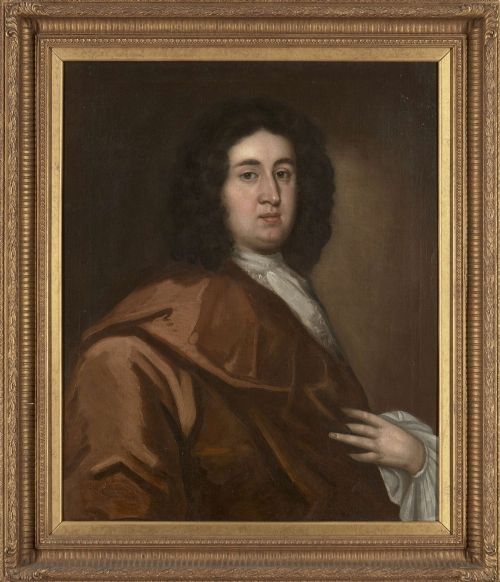
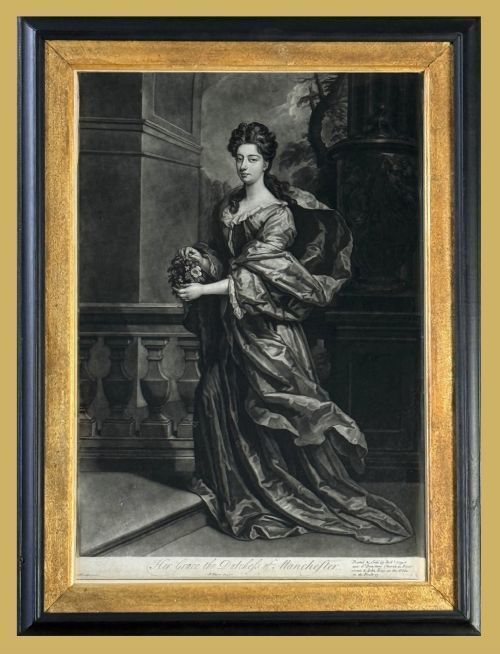
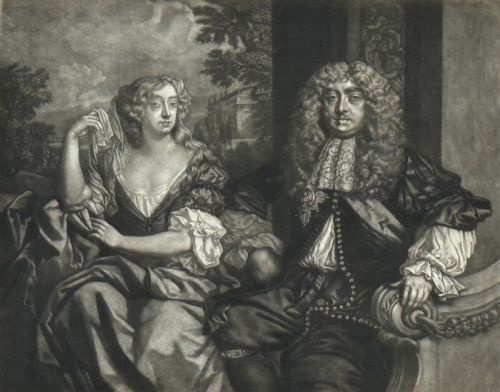
Antique Aristocratic Portrait
These antique aristocratic portrait works capture high-status subjects in oil and print, offering an authentic glimpse into historical prestige that collectors prize.
What these portraits are
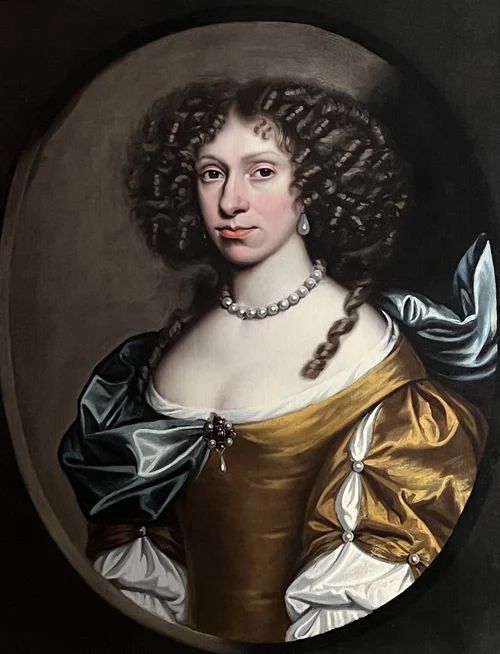
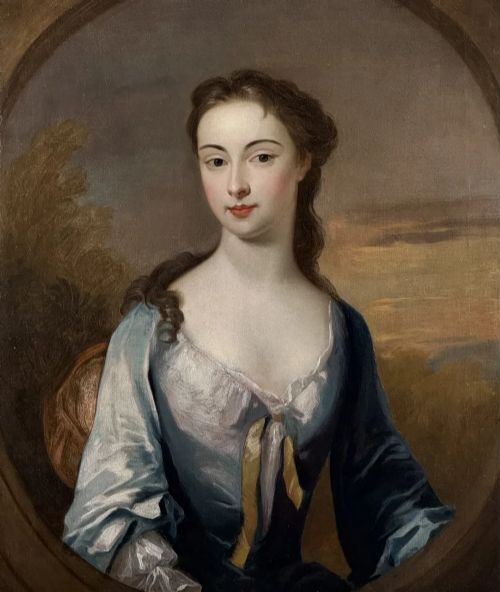
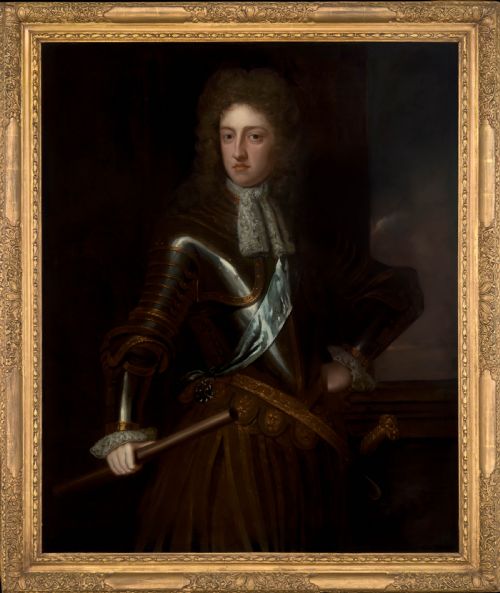
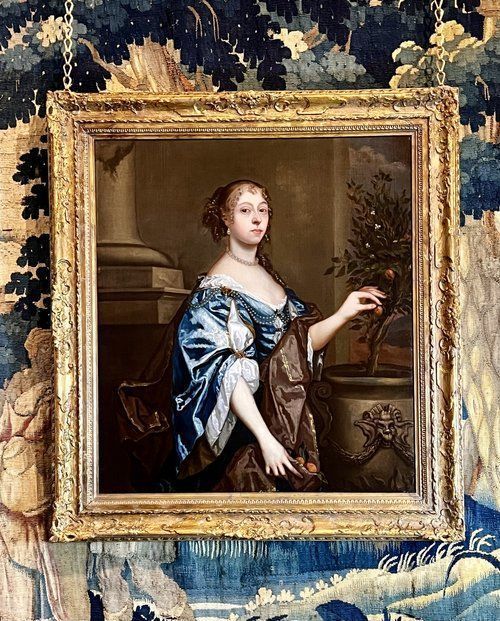
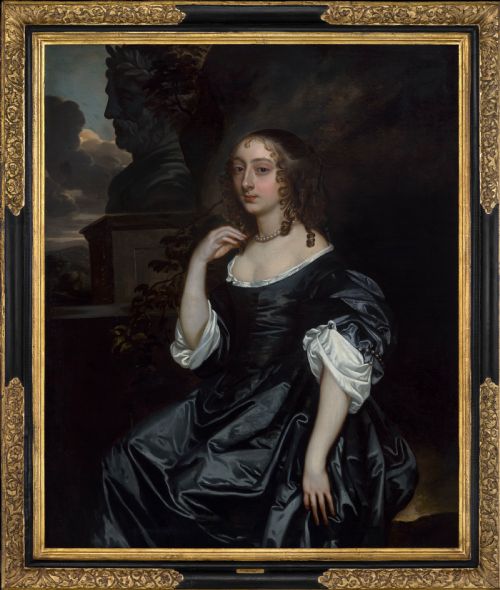
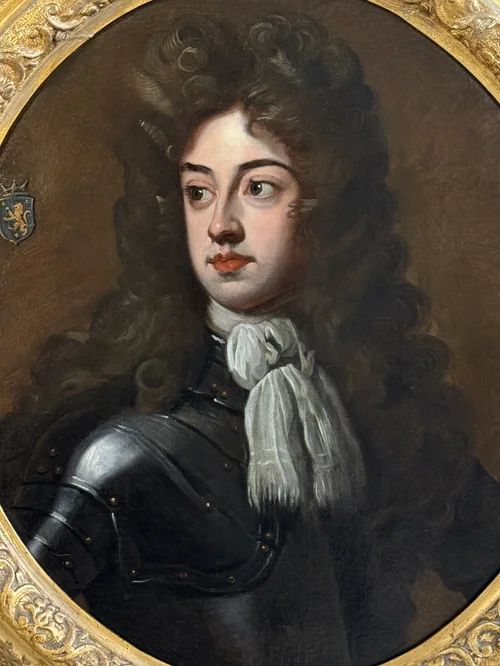
An antique aristocratic portrait depicts figures of high social rank, capturing the visual authority of historical nobility and political figures. These works emerge from the seventeenth and eighteenth centuries, reflecting the distinct aesthetic standards of the Georgian, Restoration, and Baroque styles.
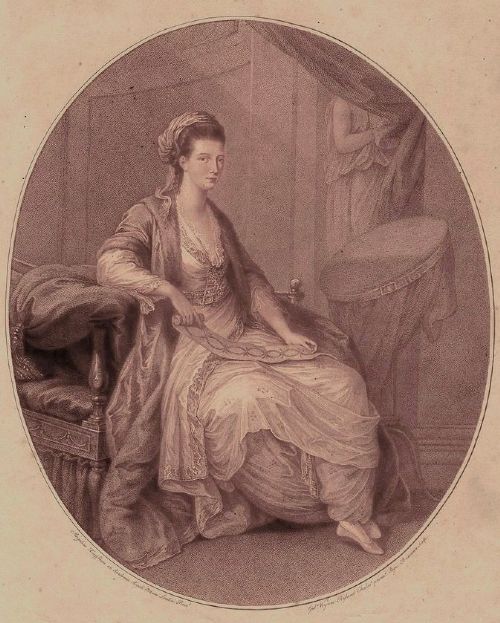
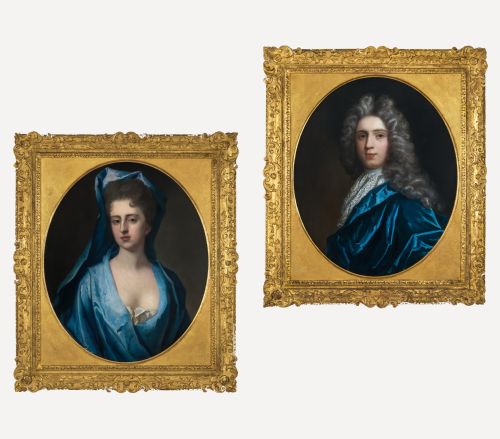
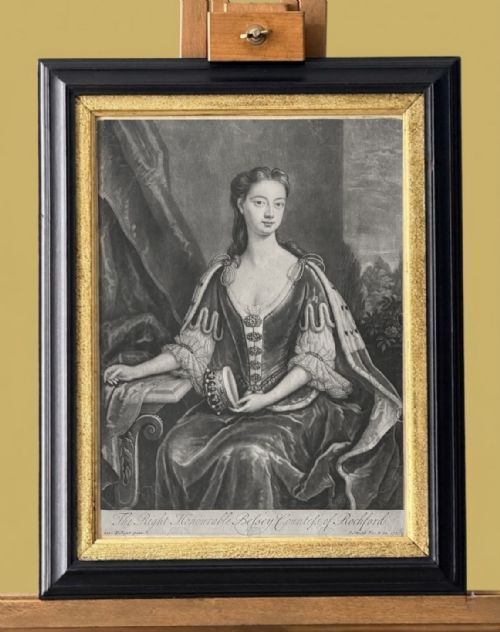
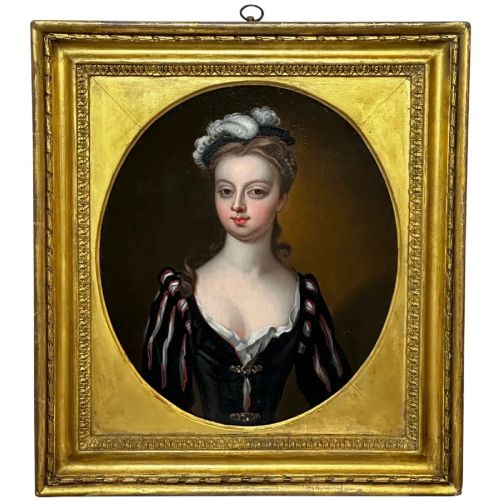
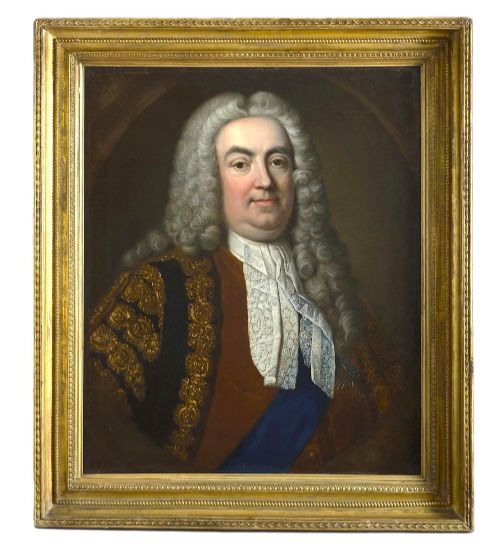
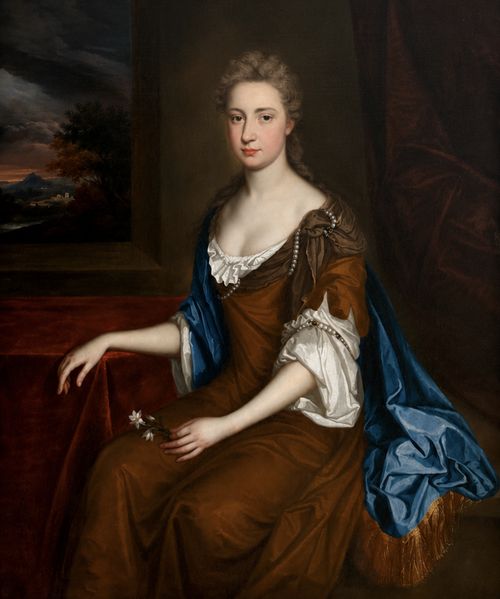
The pieces available here appear primarily as oil paintings on canvas and works on paper, specifically mezzotint prints and engravings. Subjects range from prominent historical figures like Sir Robert Walpole and the Duke and Duchess of Lauderdale to anonymous ladies from the seventeenth century.
Many of these portrayals originate from studio workshops associated with notable painters such as Jean Baptiste Van Loo and Sir Peter Lely. Buyers frequently encounter both direct studio oils and period printed reproductions that translate grand painted canvases into detailed ink impressions.
What varies in quality
Quality rests heavily on the directness of the studio connection and the mastery of the hand behind the brush or engraving plate. Studio pieces associated with major painters command attention through superior handling of expression and fabric texture compared to routine workshop output.
The preservation of the canvas, the crispness of the ink impressions on paper, and the integrity of the original giltwood frames dictate the overall visual impact. Finer examples maintain their original surface luminosity and detail without heavy later restoration muddying the composition.
The inventory combines unique painted studio canvases with historical prints after master painters like Sir Peter Lely.
The Antique Aristocratic Portrait Glossary
- Mezzotint
- A printmaking process where the copper plate is roughened to achieve rich dark tones and subtle gradations of light. This technique allowed printmakers to replicate the atmospheric qualities of oil paintings with remarkable fidelity.
- Baroque
- An artistic style from the seventeenth century characterised by drama, exuberant detail, and grandeur. Portraits from this era often feature dynamic lighting and opulent garments that emphasise the subject's power.
- Georgian
- A period spanning the eighteenth century defined by classical elegance, balance, and refined proportion. Works from this time reflect the sophisticated tastes of the British ruling class.
- Giltwood
- Wood that has been coated with a thin layer of gold leaf or powder. Elaborately carved frames in this finish were standard for displaying high-status portraiture.
- Studio of
- A designation indicating a work produced by assistants or pupils under the direct supervision of a master artist. These pieces share the stylistic authority of the primary painter.
Frequently Asked Questions
What periods do these portraits come from?
The available pieces date primarily from the seventeenth and eighteenth centuries, capturing the artistic conventions of the Baroque, Restoration, and Georgian eras.
This timeframe represents the height of British portraiture when prominent subjects commissioned grand representations of themselves and their families.
Are these works original paintings or prints?
The selection includes both original oil paintings on canvas and period works on paper such as mezzotints and engravings.
Original oils provide direct brushwork from studio hands, while prints offer historical reproductions created through intricate plate engraving.
How should I display giltwood frames?
Giltwood frames require stable indoor environments away from direct sunlight and excessive humidity to protect the delicate gold leaf finish.
Allowing adequate space around each piece lets the heavy carving and ornate detailing be appreciated without visual clutter.
Who are the typical subjects shown?
Subjects include notable political figures, nobility, and aristocracy, alongside unidentified ladies from the seventeenth century.
These individuals are often depicted with formal composure, wearing period attire that signifies their elevated status in society.