


Black Wood Framed Print
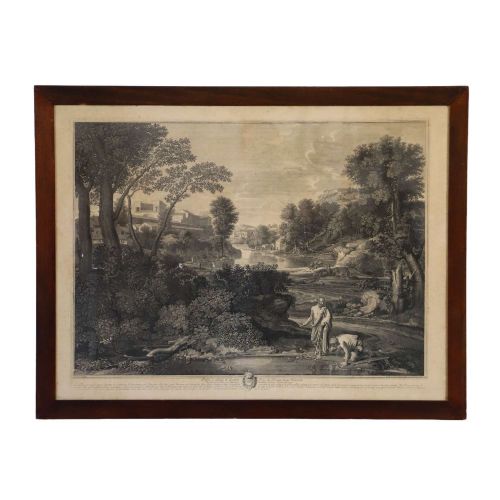
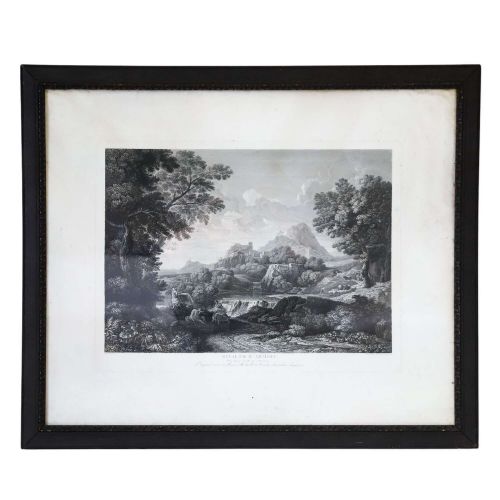
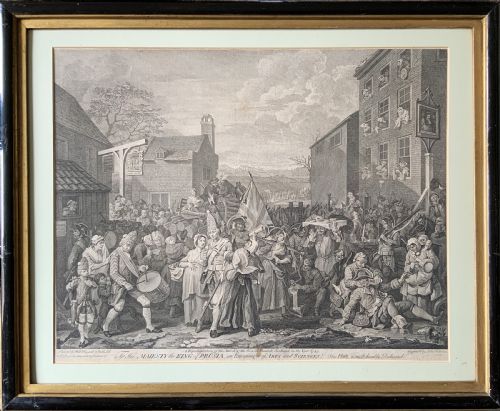
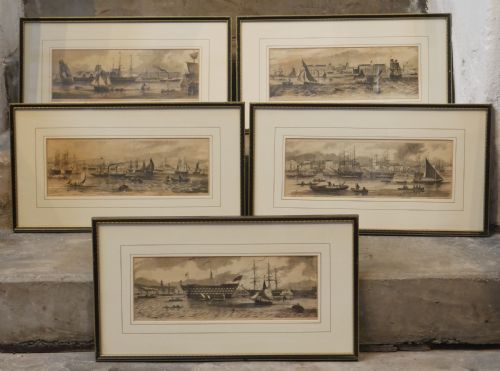
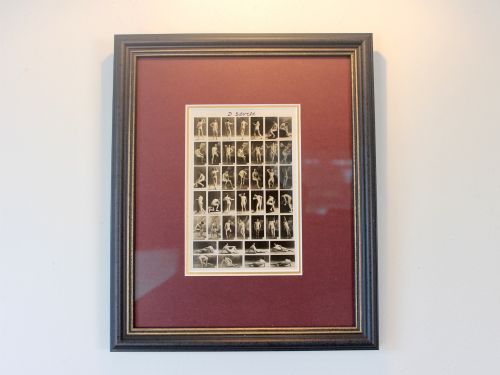
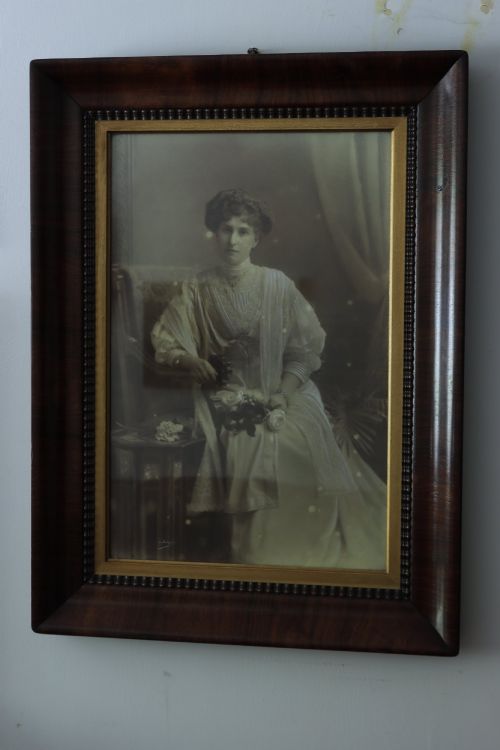
A black wood framed print holds paper and glass within dark timber, bringing historical portraiture and architectural engravings directly to the wall.
Black Wood Framed Print
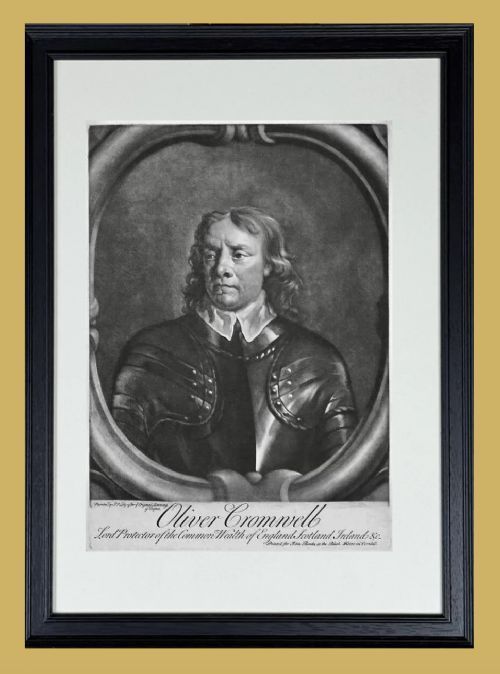
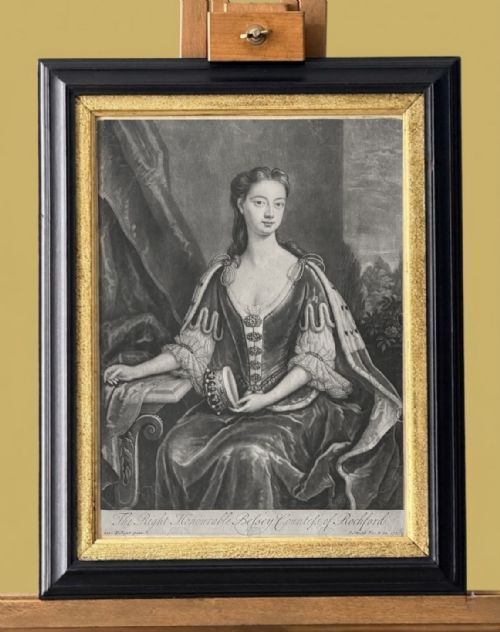
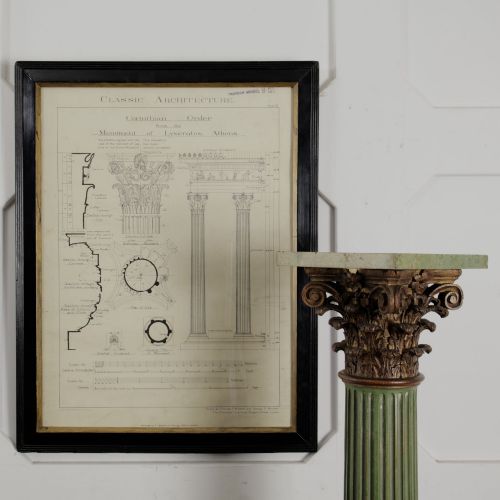
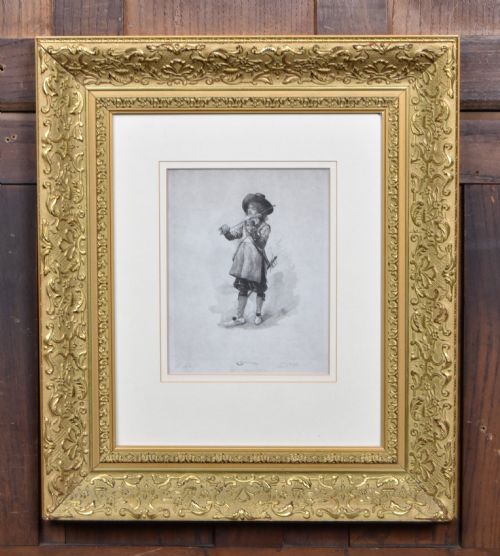
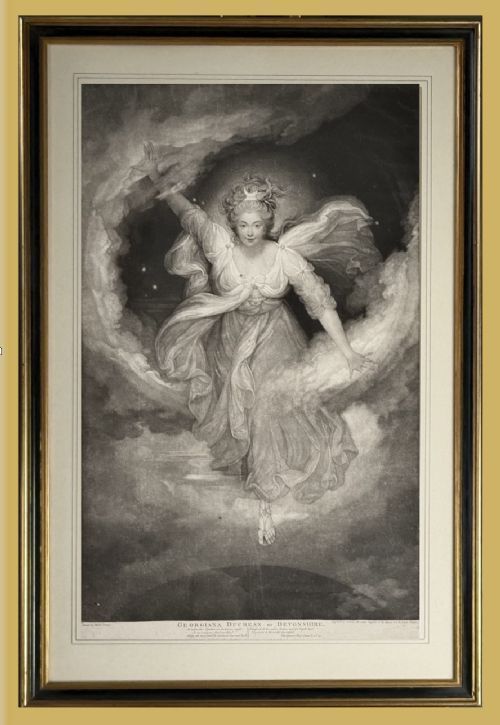
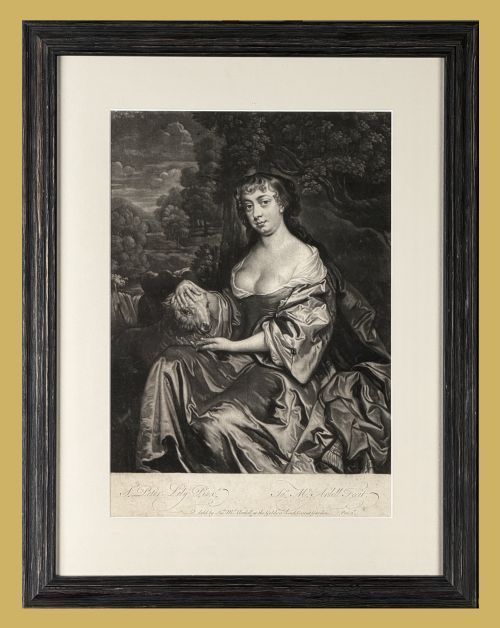
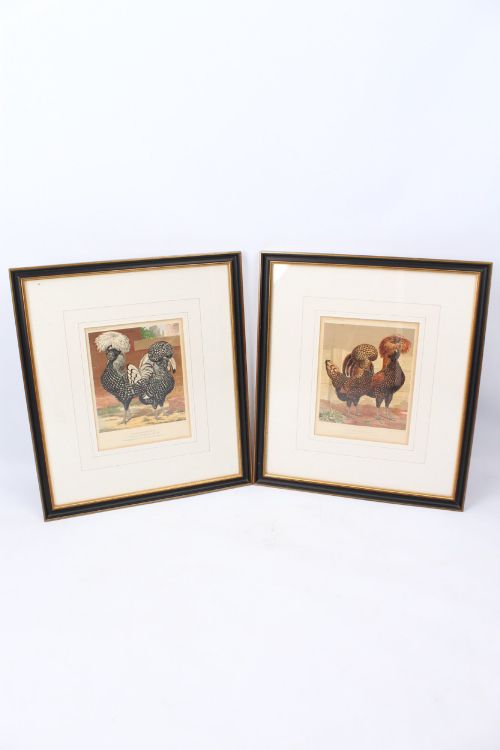
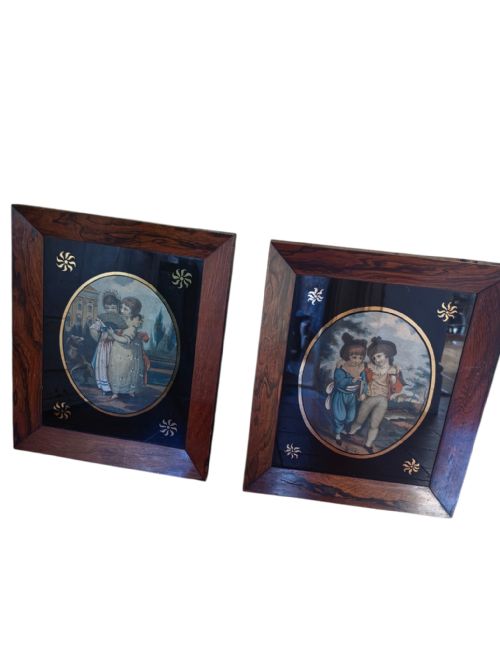
A black wood framed print encompasses framed artwork, wall art, and engravings spanning from the 17th century through the 1920s. These pieces include mezzotint portraits, reverse glass prints, and architectural plates housed within dark wooden surrounds.
Many items present original frames encasing ink and pigment on paper or glass, reflecting Baroque and Neoclassical styles. This category provides collectors with historical visual documents preserved inside traditional dark timber mouldings.
Materials and construction methods
Makers utilised wood, glass, and paper as the primary components, applying ink and pigment to create mezzotints, engravings, etchings, and photographic prints. Gold leaf and gilt details occasionally accentuate the visual depth of the imagery.
Artisans constructed the enclosures using solid wood mouldings painted or stained black, securing delicate paper sheets and reverse glass prints behind protective glazing. Original frames frequently employ period joinery techniques characteristic of 18th- and 19th-century cabinetmaking.
Black Wood Framed Print Retail Price Guide 2026
Typical asking prices for black wood framed print among the pieces listed under this phrase on Sellingantiques today, from the lower quarter to the upper quarter. They describe what is for sale here now, not the wider market.
An anatomical illustration from 1779 shares shelf space with a stern wartime bulldog.
Distinctions in craftsmanship and preservation
The degree of preservation in the paper, ink, or reverse glass painting dictates the visual integrity of the artwork. Fading, foxing, or cracks within the glass differentiate heavily weathered examples from crisp, legible impressions.
The authenticity of the mounting matters significantly, as pieces retaining their original 18th- or 19th-century wood frames carry greater historical continuity than later replacements. The clarity of the plate impression in engravings and mezzotints also separates master printer outputs from routine copies.
John Bowles·Sir Peter Lely·Samuel Cooper·John Smith·Valentine Green·James Macardell·William Hogarth·Luke Sullivan·Sir Joshua Reynolds·Francesco Piranesi·Gustave Doré·Adolphe Pannemaker·Arthur Hacker·Michelangelo·John Boydell·Otto Pilny
The Black Wood Framed Print Glossary
- Mezzotint
- A printmaking process of the intaglio family where the plate is roughened to produce dark tones and rich contrasts. This technique allows for subtle tonal gradations particularly suited to portraiture.
- Engraving
- A method of cutting a design into a hard plate using a burin, which then holds ink for transfer onto paper. Engraved lines offer exceptional precision and durability through numerous impressions.
- Reverse glass print
- An image painted or transferred directly onto the back side of a glass panel to be viewed from the front. This technique produces a glossy surface finish popular during the Georgian period.
- Eglomise
- A process of applying a cold gold or silver leaf to glass with a gelatin adhesive before engraving the design. The resulting metallic sheen creates a reflective border around the central subject.
- Etching
- A technique where acid bites into unprotected areas of a metal printing plate to form the lines that hold ink. Artists utilise this method to achieve fluid, freehand illustrative qualities.
Black Wood Framed Print: Frequently Asked Questions
What periods do these framed prints cover?
The inventory spans multiple centuries, incorporating examples from the 17th, 18th, and 19th centuries alongside early 20th-century works.
Specific stylistic eras represented include the Georgian, Regency, and Victorian periods, reflecting shifting artistic tastes over three hundred years.
How should I hang a reverse glass print?
Reverse glass pieces require secure wall fixings and stable environmental conditions to prevent moisture accumulation behind the glass panel.
Keep them away from direct sunlight to protect the fragile pigments applied to the rear surface.
Are the frames original to the prints?
Many listings specify original frames dating back to the 18th or 19th centuries, housing the artwork in period wood mouldings.
Some pieces pair older prints with complementary historical frames chosen to match the era of the subject matter.
What subjects are common in these artworks?
Common subjects include historical portraits, architectural engravings, botanical studies, and classical mythological scenes.
Buyers also find anatomical illustrations, maps, and photographic contact sheets from later decades.