


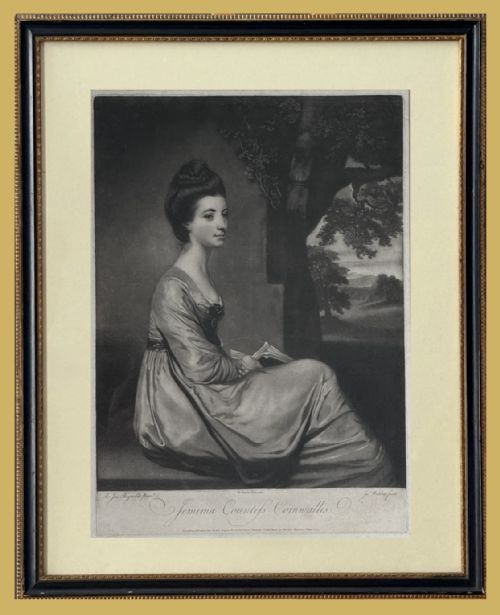
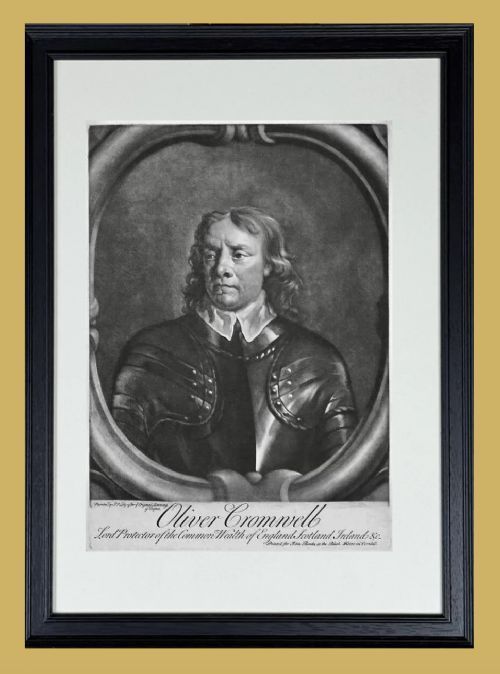
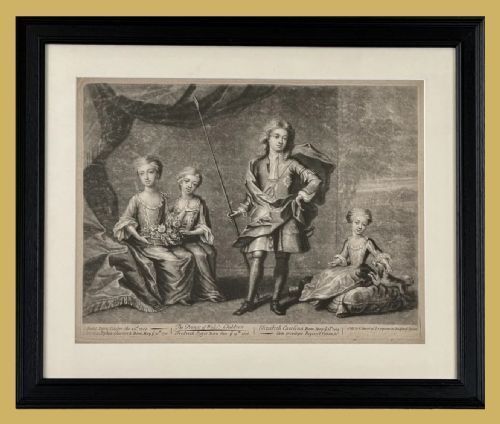
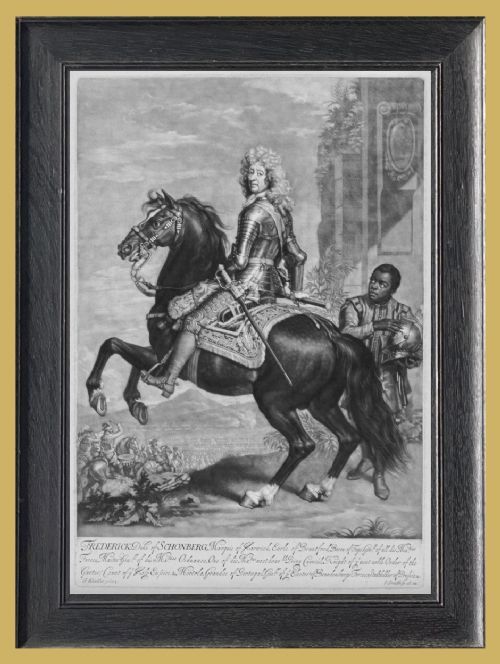
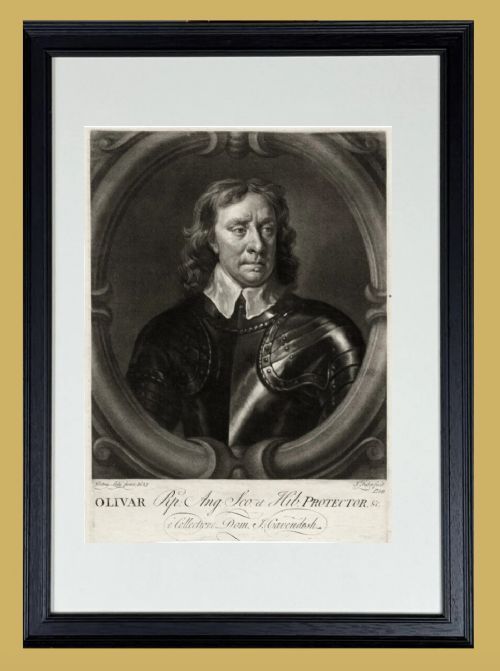
Black Framed Portrait Print
A black framed portrait print brings depth and historical character to a wall through centuries-old printmaking techniques and dark timber surrounds.
Black Framed Portrait Print
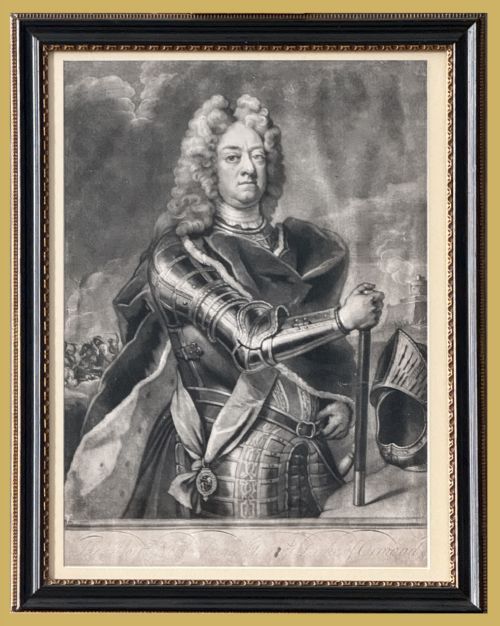
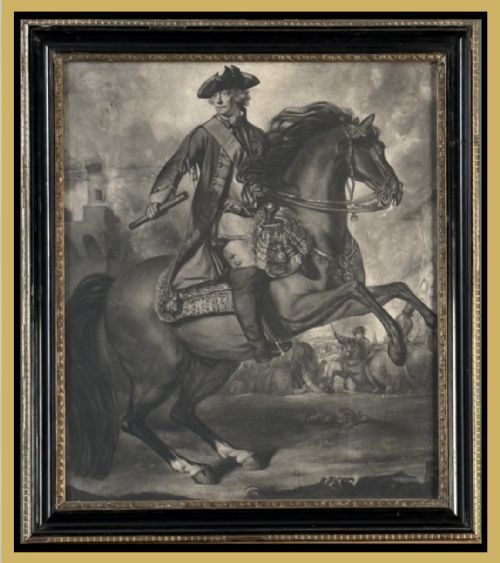
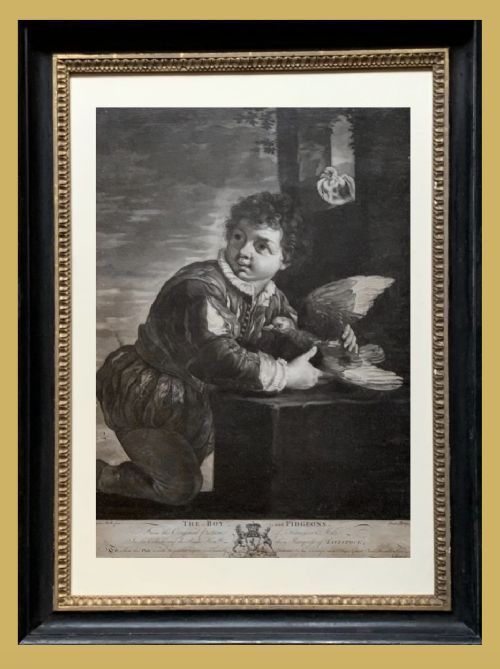
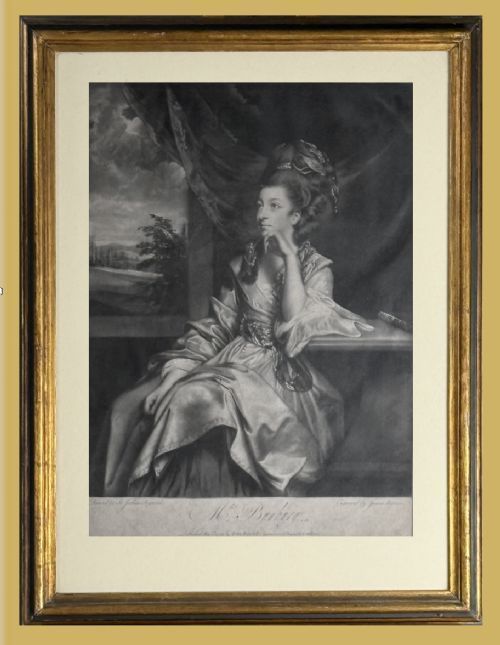
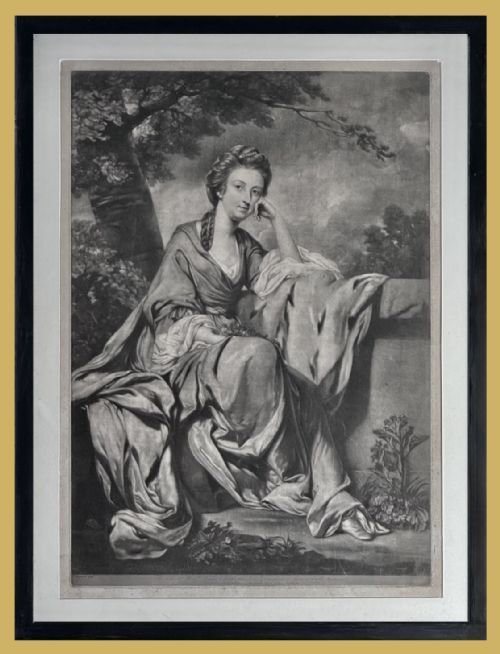
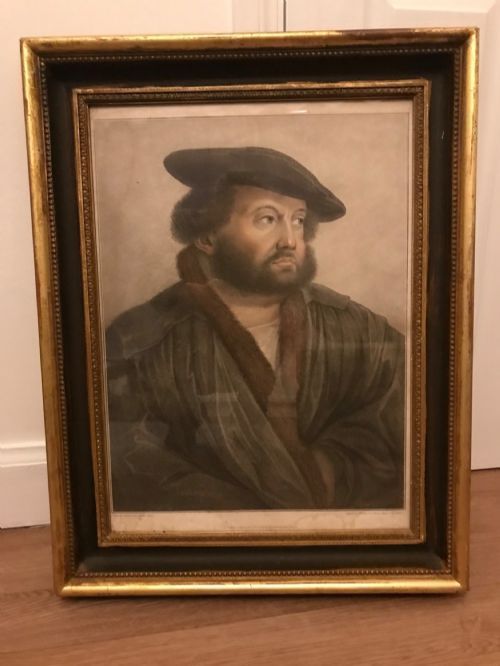
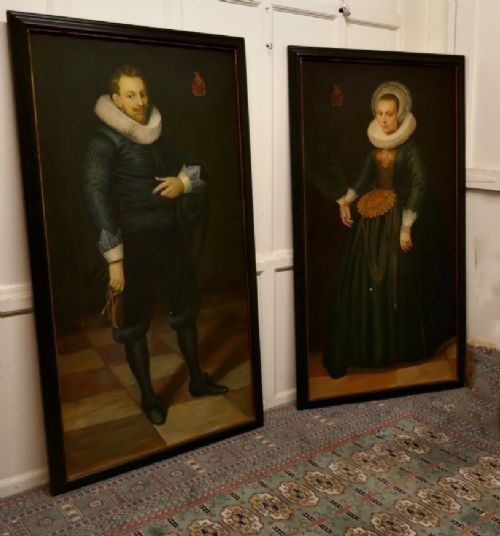
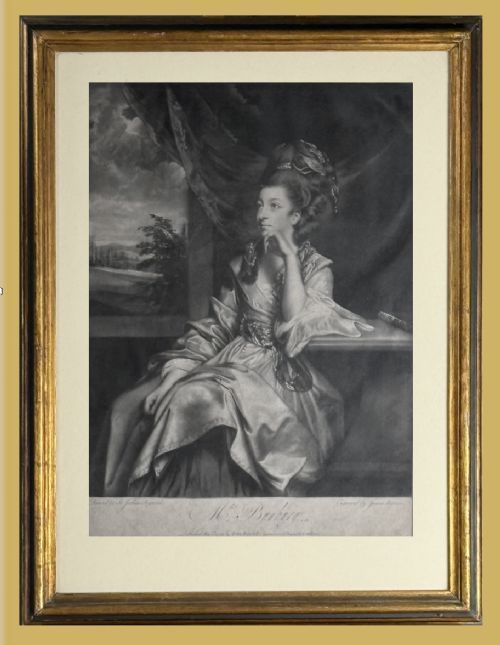
A black framed portrait print encompasses historical works depicting notable figures, aristocrats, and children, spanning the seventeenth through the nineteenth centuries. These pieces typically combine traditional print methods such as mezzotint and engraving with dark wood frames that anchor the visual weight of the subject.
The selection ranges from eighteenth-century mezzotints after master painters like Sir Joshua Reynolds to nineteenth-century engravings and twentieth-century studies on paper. Buyers encounter subjects rendered by notable historical printmakers, set within simple or decorative wooden borders that protect the paper beneath glass.
How They Were Made
The creation of these works relies on copper plate printing methods, specifically mezzotint and stipple engraving, using ink on paper to achieve tonal gradation. Artisans worked copper plates by hand using rocker tools and burins to capture the subtle expressions recorded by contemporary portrait painters.
Framing materials commonly include wood finished with dark stains, accompanied by glass to shield the fragile paper surface. Gilding and gold leaf occasionally accent the mouldings or lettering, adding contrast to the dark timber surrounds.
Black Framed Portrait Print Retail Price Guide 2026
Typical asking prices for black framed portrait print among the pieces listed under this phrase on Sellingantiques today, from the lower quarter to the upper quarter. They describe what is for sale here now, not the wider market.
The selection spans four centuries of printmaking, featuring seventeenth-century engravings and nineteenth-century studies on paper.
What Varies in Quality
The integrity and age of the framing materials also contribute to the overall character of the piece. Original or period-appropriate wood frames preserved alongside the paper artwork elevate the historical cohesion of the object.
John Simon·Edward Fisher·John Boydell·James Watson·Francesco Bartolozzi·John Smith·Valentine Green·W Dickinson·John Faber·Robert Williams·James Macardell·Jacobus Houbraken·James Ward
The Black Framed Portrait Print Glossary
- Mezzotint
- A printmaking process where the copper plate is roughened evenly and then scraped to produce lighter areas, allowing for rich dark tones. This method was widely used in the eighteenth century for translating oil paintings into monochrome prints.
- Engraving
- A technique where an artisan cuts lines directly into a metal plate using a sharp tool called a burin. The resulting incisions hold the ink to produce crisp, precise lines on paper.
- Stipple engraving
- A method of dotting the copper plate rather than cutting continuous lines to create soft tonal effects. It gained popularity for rendering skin textures and delicate fabrics.
- Reverse glass painting
- An artwork created by painting or applying ink onto the underside of a piece of glass so that the final image is viewed through the transparent front. This fragile technique produces a distinct glossy finish.
- Gilt wood
- Wood that has been coated with a thin layer of gold leaf or metallic paint. It provides a decorative contrast to dark frames and highlights carved details.
Black Framed Portrait Print: Frequently Asked Questions
What is a mezzotint portrait?
A mezzotint portrait is an ink print on paper created from a roughened copper plate that produces rich dark tones and subtle shading. These prints translated famous oil paintings into monochrome works popular in past centuries.
Printers achieved smooth tonal transitions by scraping and burnishing the metal plate to hold varying amounts of ink. This gave historical portraits a lifelike depth before photography existed.
How do I hang antique prints?
Antique prints on paper require placement away from direct sunlight to prevent the ink and paper from fading over time. Stable indoor humidity also protects the paper and the wooden frame from warping.
Secure picture hooks rated for the weight of the timber frame and glass should be utilised. Hanging them at eye level in low-traffic areas ensures they remain safe from accidental knocks.
Are these frames original?
Frames on historical prints range from original period mouldings made alongside the artwork to later replacements chosen to complement the piece. Wood frames from the eighteenth and nineteenth centuries often show age-related wear and patination.
Examining the construction behind the frame reveals whether the timber and fixings match the era of the print inside. Many collectors value pieces that retain their matching period surrounds.
How are periods identified?
Periods are determined by the printing technique, paper characteristics, typography on the margin, and the costume or style of the depicted subject. Eighteenth-century works often feature distinct plate marks and specific lettering styles identifying the painter and engraver.
Historical records and documentation of the sitter also help narrow down the date of creation. Comparing the plate wear and paper ageing to known examples confirms the timeframe.