




Georgian Stipple Engraving
A georgian stipple engraving brings delicate tonal depth and classical grace to any room.
What They Are
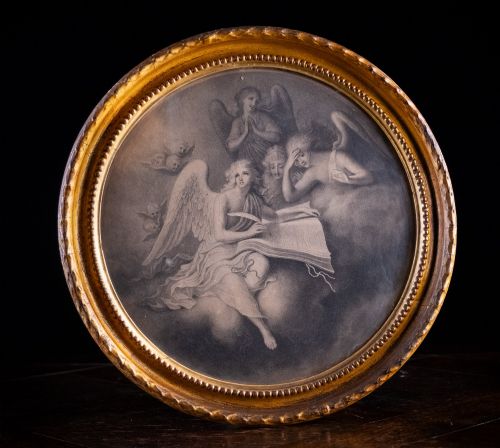
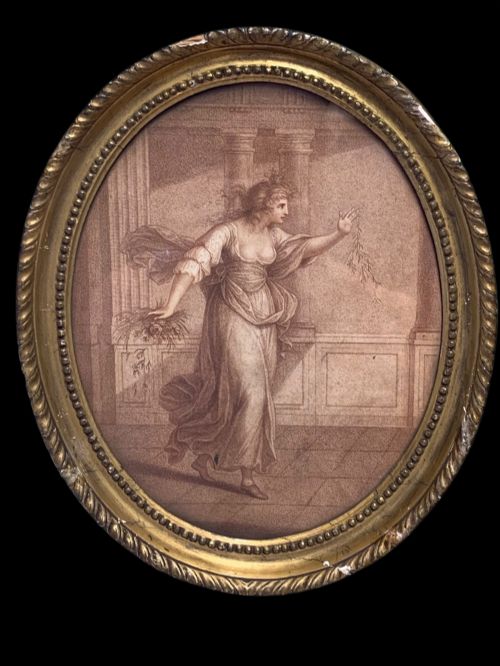
A georgian stipple engraving represents a distinct British printmaking method popular across the eighteenth century and into the regency era. These works typically depict portraits, classical scenes, and domestic subjects derived from prominent artists of the period.
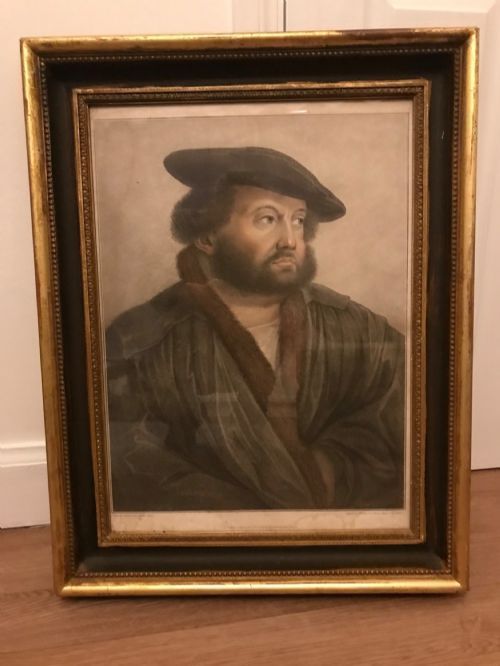
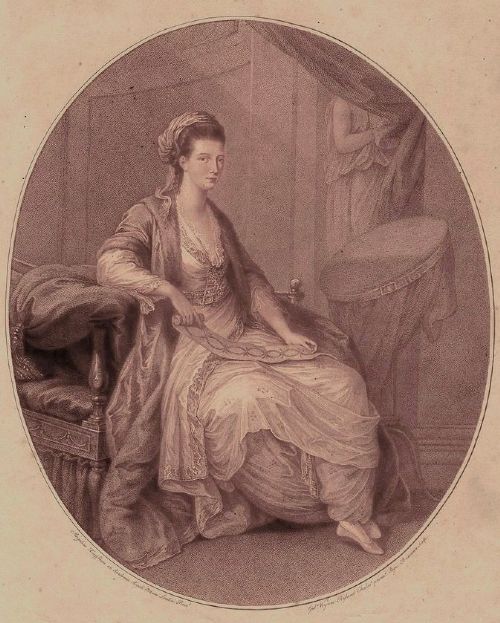
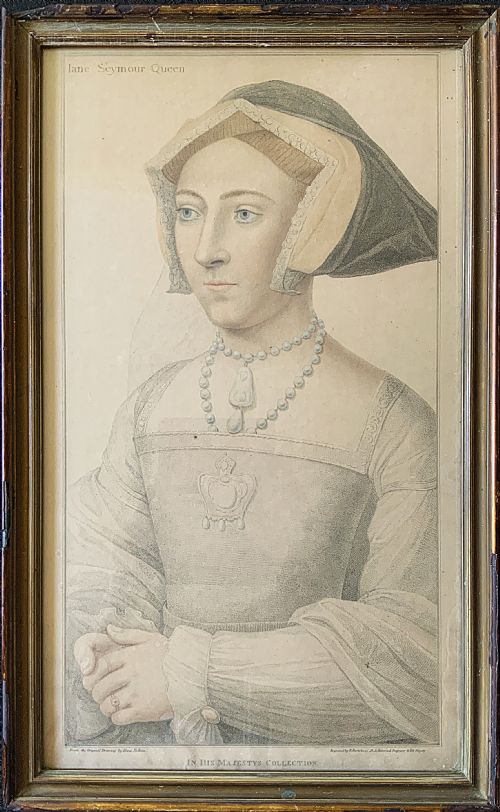
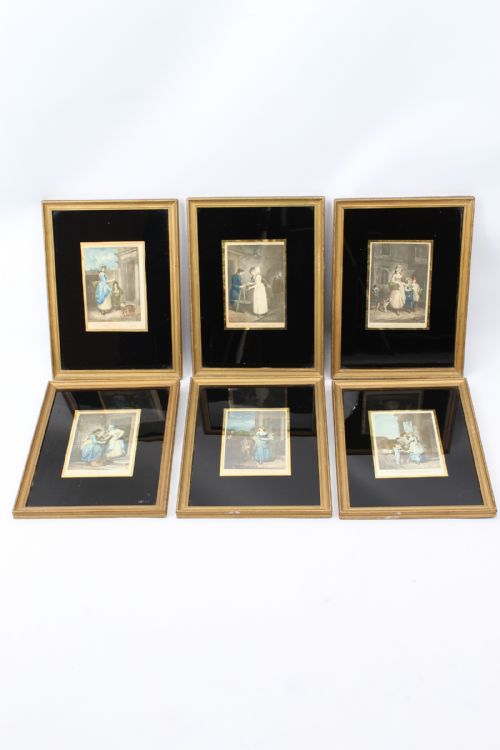
The pieces on this page appear as framed prints and art, often preserved behind glass within wood or gilt wood frames. Collectors encounter works dating from seventeen eighty-seven through the regency period, capturing figures such as Hans Holbein and Georgiana Countess Spencer.
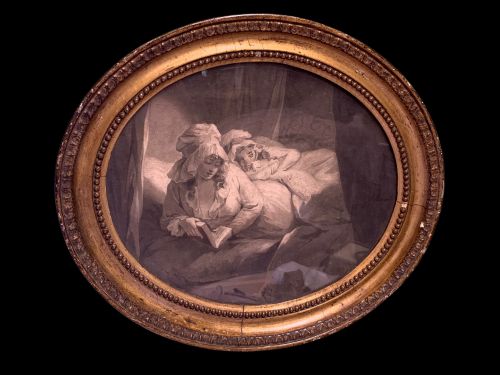
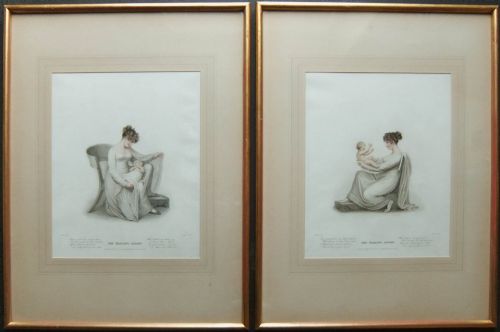
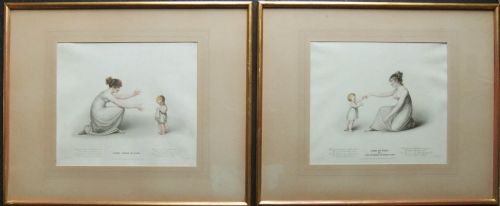
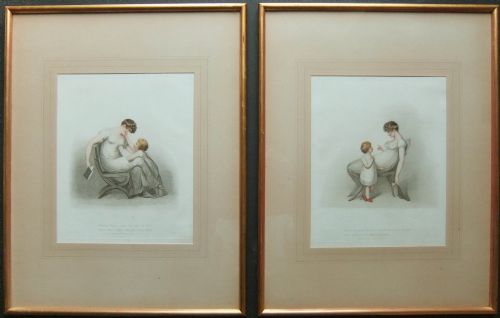
Subjects range from individual character studies to charming pair old engravings like Adam Buck's First Steps and sporting or social scenes such as Billiards. Their paper supports carry fine ink applications that sometimes receive supplementary hand colouring.
How They Were Made
Makers produced a georgian stipple engraving by working a copper plate with etching needles and specialised stipple gravers, known as roulettes, to build images out of tiny dots rather than continuous lines. This dot-work technique allowed artisans to achieve subtle gradations of tone and gentle flesh-tones that mimicked chalk drawings.
Finished plates received ink before craftsmen pressed them onto paper sheets, creating the delicate impressions seen today. Many examples then underwent careful hand-colouring with watercolour pigments to enrich the final composition before framing in wood or gold leaf mouldings.
Retail Price Guide 2026
Typical UK retail prices for georgian stipple engraving, calculated from the Sellingantiques database of over a million retail prices indexed since 2003. This retail price guide relies exclusively on Sellingantiques data; no external sources or auction records are used, so the figures do not describe the wider market.
Listings feature paper, glass, wood, gilt wood, gold leaf, and ink across the eighteenth century and the regency period.
What Varies in Quality
The refinement of the stipple work separates standard impressions from superior examples, as finer dot density creates softer shadows and more lifelike expressions in portraits. Master printmakers executed plates with incredible control over depth, ensuring the delicate interplay of light and dark remains crisp.
The survival of the original paper support and the vibrancy of any hand-applied ink or colour heavily influence the visual impact of each piece. Furthermore, period framing involving original wood or gold leaf adds historical integrity to the artwork.
Francesco Bartolozzi·Adam Buck·Henry William Banbury·S Woodforde·Reynolds·Kauffman
The Georgian Stipple Engraving Glossary
- Stipple engraving
- A printmaking technique where an image is formed on a copper plate using dots and punctures rather than continuous lines. This method creates soft tonal gradations particularly suited for flesh and drapery.
- Hand-coloured
- The process of applying watercolour or ink pigments by hand to a printed image after it leaves the press. This adds colour to specific areas like clothing or background details.
- Regency
- The historical period spanning the early nineteenth century defined by distinct architectural, artistic, and decorative styles in Britain. Prints from this era often reflect refined neoclassical tastes.
- Gilt wood
- Wood framing treated with a thin layer of gold leaf or metallic gilt finish. This traditional framing method provides a bright, reflective border around antique works.
Frequently Asked Questions
What is a stipple engraving?
A stipple engraving is a print created by building up images using countless tiny dots on a copper plate. This technique allows for subtle shading and gentle tonal transitions.
Printers applied ink to these dotted plates to produce delicate works on paper that resemble chalk drawings. The method became extremely popular in Britain during the eighteenth century.
How do I care for these prints?
Antique prints on paper require protection from direct sunlight to prevent the ink and any hand-applied colours from fading over time. Keeping them in stable humidity conditions safeguards the paper support.
Displaying them behind glass within their frames protects the delicate surface from dust and atmospheric pollutants. Gentle handling ensures the historic paper and framing remain intact for years to come.
How can I tell the period?
Dating relies heavily on the style of the engraving, the paper characteristics, and any inscribed publication lines or artist signatures. Eighteenth-century examples often feature classical subjects and distinct lettering styles.
Framing materials and backing papers also offer clues to the age of the piece. Comparing the subject matter to known works by artists of the era helps confirm the timeframe.
Were these always coloured?
Many stipple engravings were published simply as monochrome prints in black, brown, or red ink to showcase the delicate dot work. Colour was an optional addition applied by hand.
Some buyers preferred uncoloured impressions for their classical purity, while others commissioned hand-colouring to enliven portraits and domestic scenes. Both monochrome and hand-coloured versions appear among period works.