
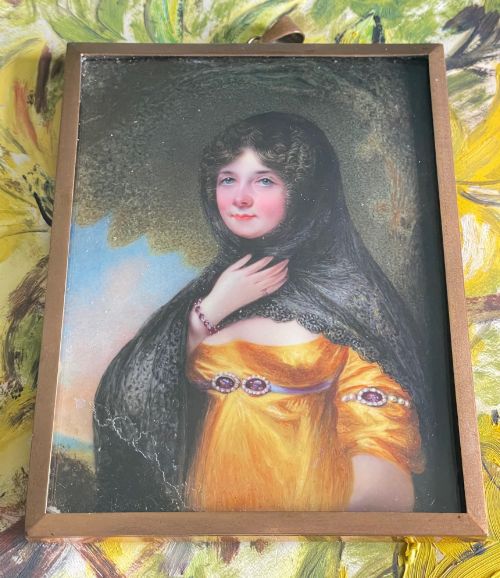
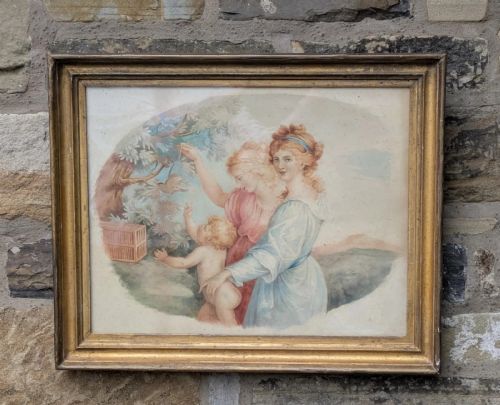
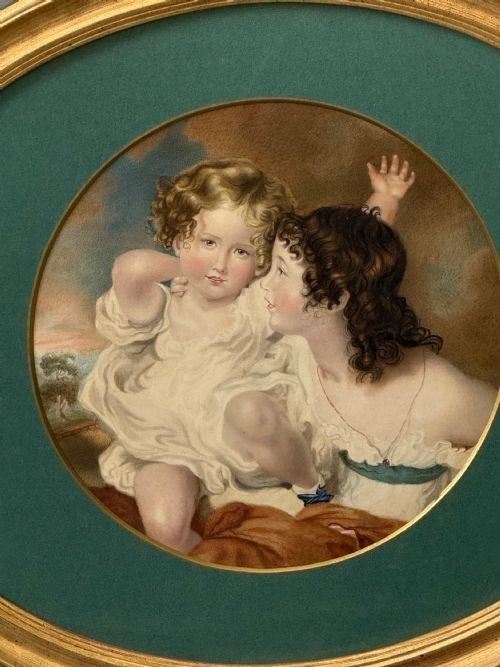
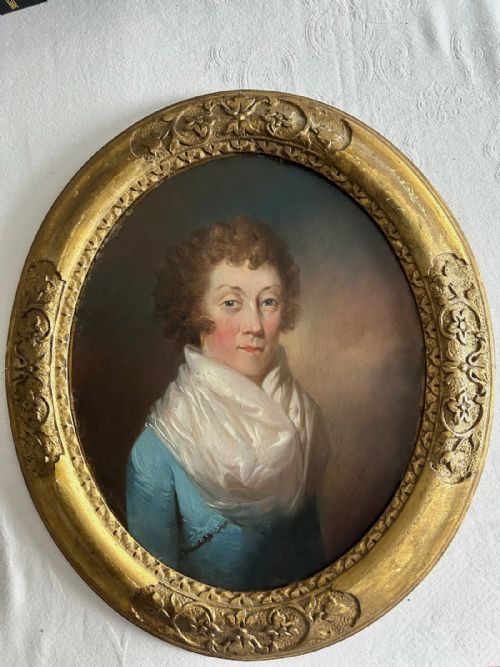
Regency Framed Artwork
Regency framed artwork brings together oil paintings, watercolours and silhouettes set within original frames.
Regency Framed Artwork
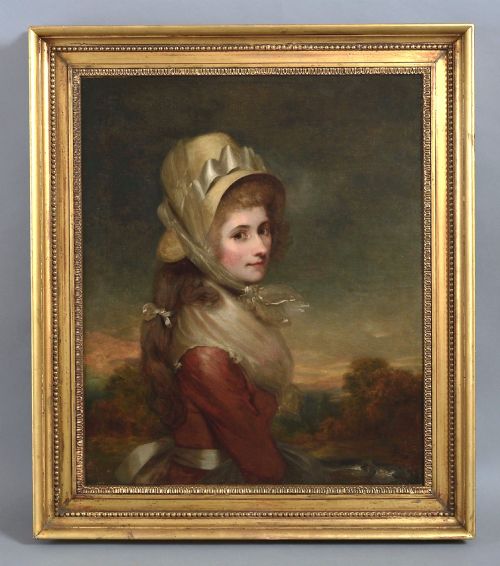
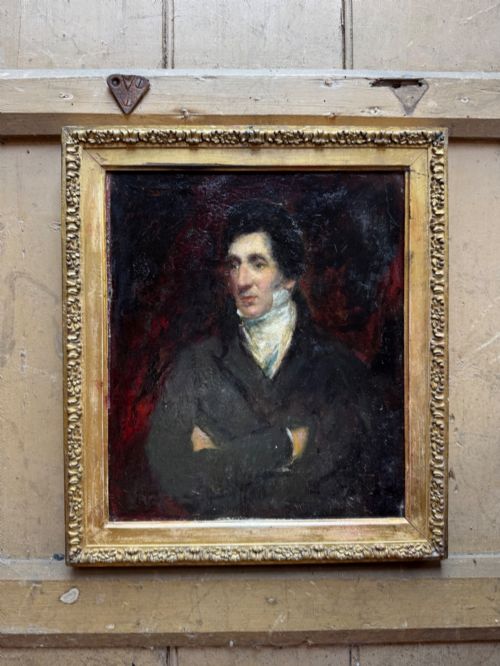
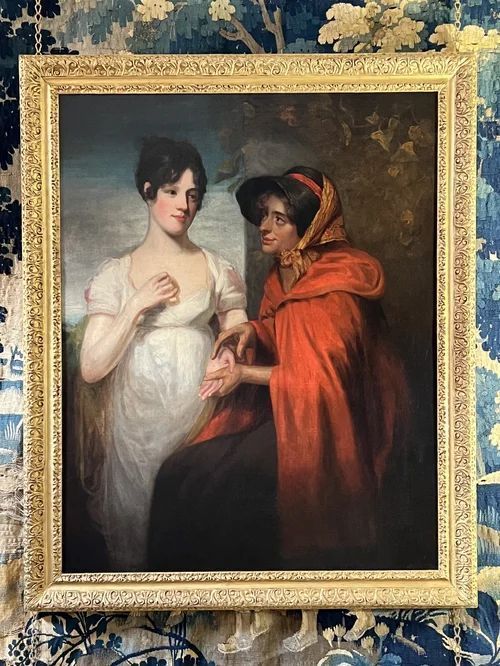
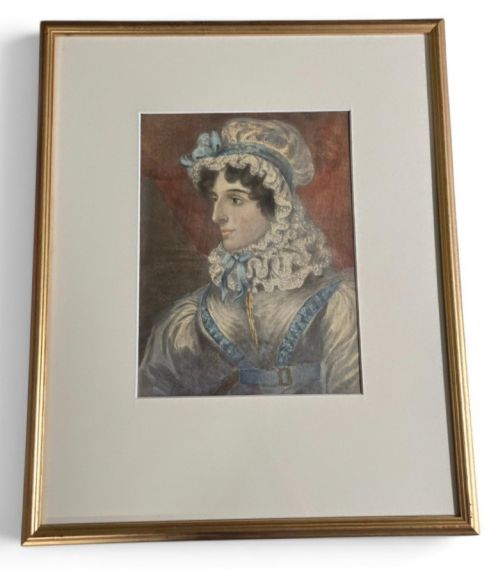
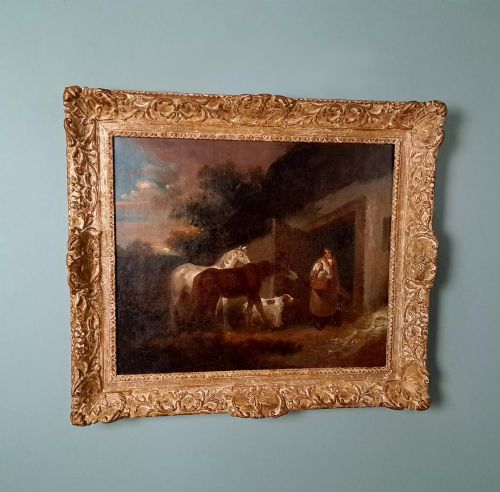
When you search for regency framed artwork, you find a selection of portraits, botanical studies and classical scenes produced across the late 18th and early 19th centuries. The materials range from paper and watercolour to oil on canvas, housed within protective glazing and timber surrounds.
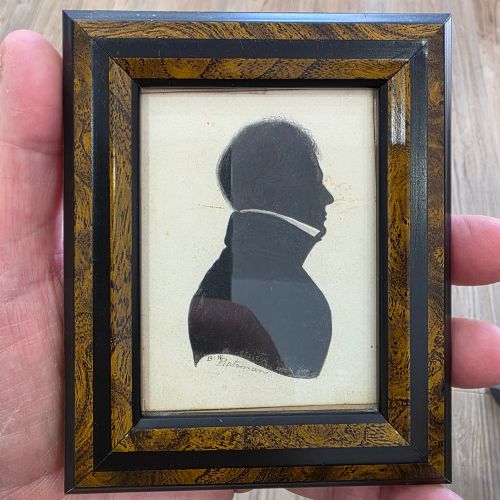
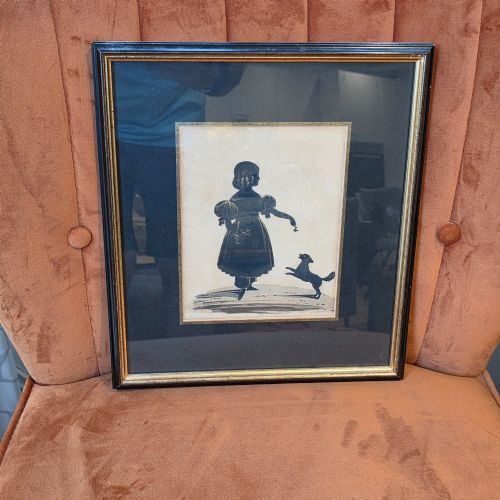
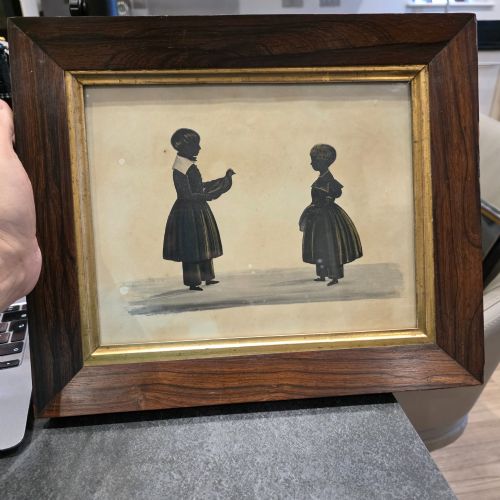
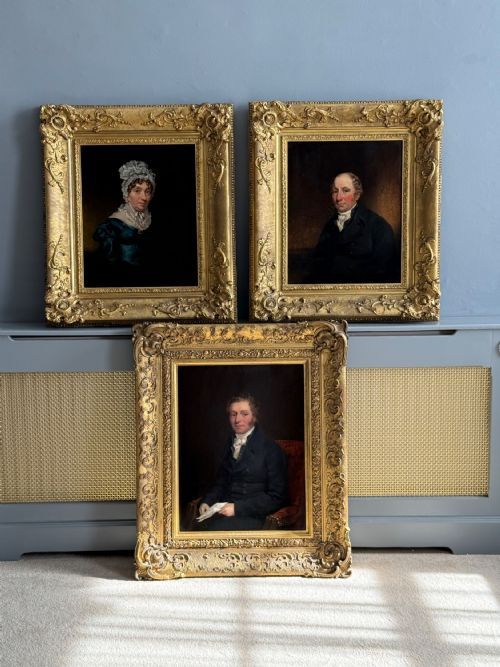
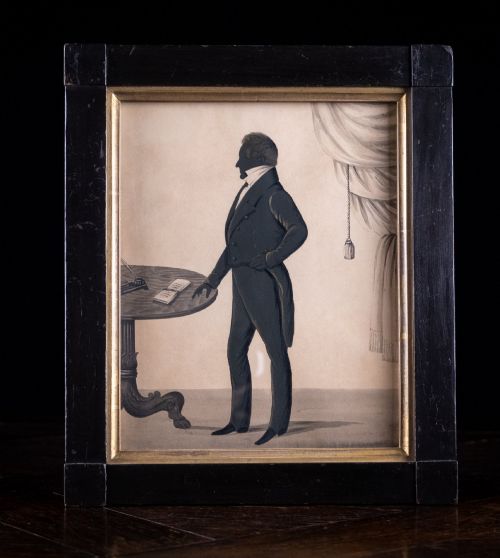
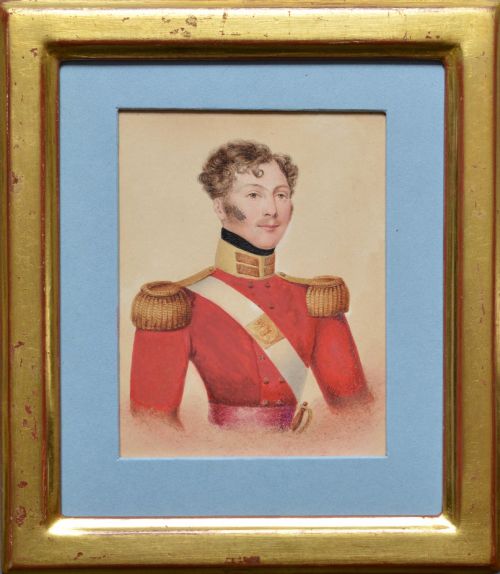
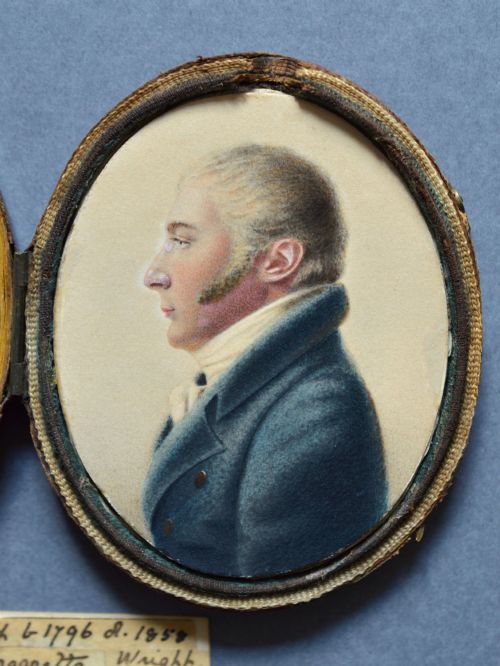
The versions you meet most frequently on this page are framed portrait miniatures, silhouettes executed in cut paper or paint, and small-scale oil paintings on panel or canvas. These pieces capture the portraiture and domestic aesthetics characteristic of the period.
The items span styles from Georgian and Regency to early Victorian revivals, originating from British schools and named painters alike. They offer a direct window into the visual culture of the era through preserved works on paper and canvas.
How they were made
Framing involved the use of wood, gold leaf and giltwood to create borders that complemented the artwork within. Many pieces integrate glass to protect delicate paper surfaces, watercolours and enamel miniatures from environmental damage.
The listings feature works spanning the 18th century, the Regency period and the 19th century, utilising paper, canvas, glass and gold leaf.
What varies in quality
The execution of the subject matter separates simpler decorative items from works by accomplished hands. Finer portraits display precision in the rendering of expression, anatomy and costume details.
The preservation of the materials also influences the piece, with intact paper, stable paint layers and original gilding on the frames representing higher preservation standards.
William James Hubard·Joseph Clover RA·Sir Martin Archer Shee·John Opie RA·William Joseph Shayer Senior·Thomas John Horsley·Horace Hone·Alfred Lyndon Grace·Augustin Edouart·Sir William Beechey RA·John Russell RA·George Watson·Adam Buck
The Regency Framed Artwork Glossary
- Silhouette
- A portrait profile filled in with a solid colour, typically black, or cut from paper. These profiles often include delicate highlights in gold leaf or watercolour.
- Giltwood
- Wood carved and coated with gold leaf or a metallic gilding preparation. It provides a bright, reflective border around paintings and mirrors.
- Miniature
- A small-scale painting or portrait executed on ivory, vellum or paper. They require close inspection to appreciate the fine brushwork.
- Oil on canvas
- Pigments suspended in a drying oil applied to a woven fabric support. This technique allows for blending and rich colour depth.
Regency Framed Artwork: Frequently Asked Questions
What is a silhouette portrait?
A silhouette is a profile portrait cut from paper or painted in solid dark tones, frequently enhanced with gold highlights or watercolour details. They gained popularity as a swift and accurate method of recording a likeness before the invention of photography.
In the listings, you encounter both hollow-cut silhouettes and painted versions on card or plaster, often preserved behind glass within original frames.
How do I care for framed watercolours?
Watercolours and works on paper are sensitive to direct sunlight, which can fade pigments and discolour the paper support over time. Display them away from windows and areas prone to high humidity to preserve the integrity of the medium.
Keep the original glass intact, as it protects the delicate paper surface from dust and atmospheric pollutants without needing modern cleaning agents.
How were these artworks originally displayed?
Works from this period typically hung in domestic parlours, drawing rooms and studies as part of family galleries or decorative wall arrangements. Smaller silhouettes and miniatures were often grouped closely together on a wall to create a dense visual impact.
Their frames were designed to complement interior panelling and furnishings of the Georgian and Regency eras, using gold leaf to catch candle and natural light.