



19th Century Wall Art
These 19th century wall art pieces bring period character and depth to an interior through oils, prints and marquetry.
What 19th Century Wall Art Is
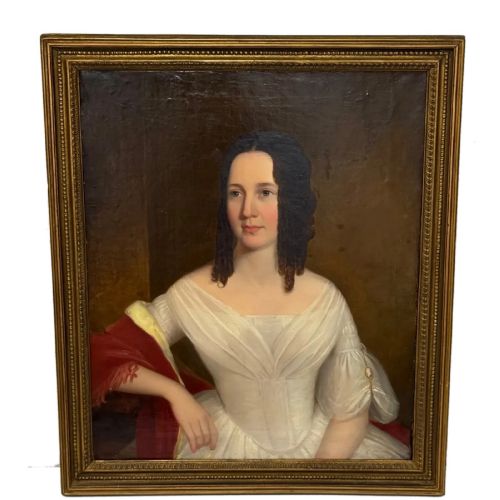
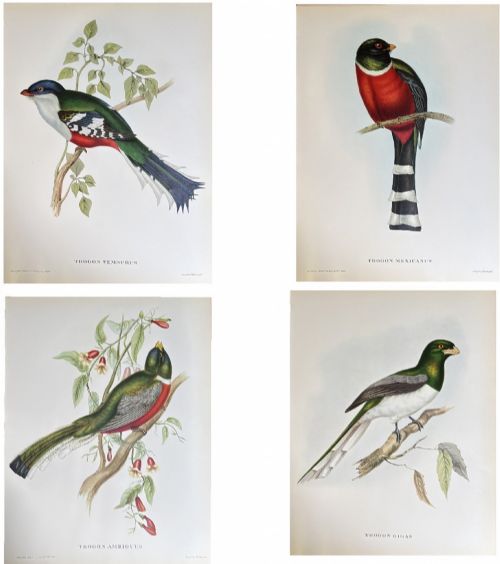
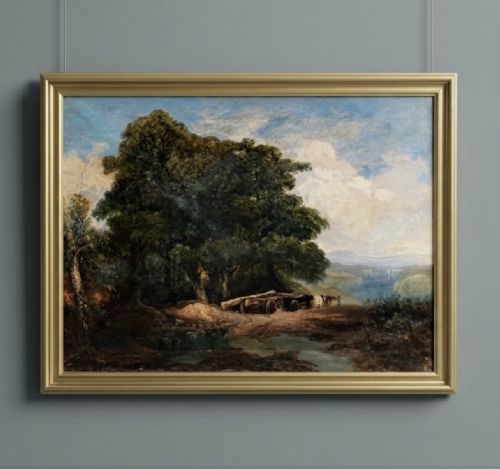
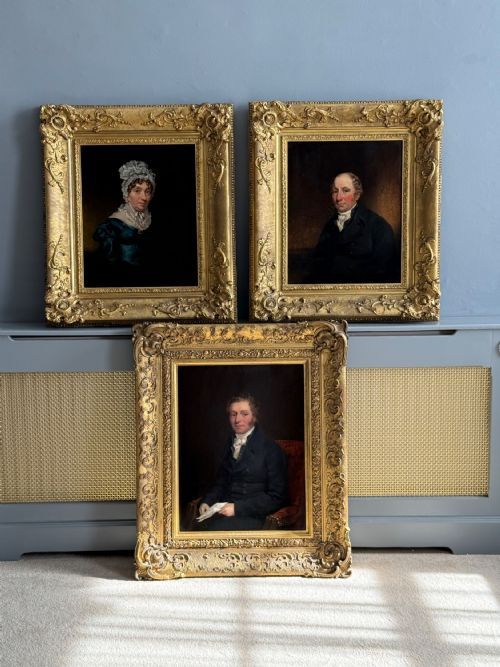
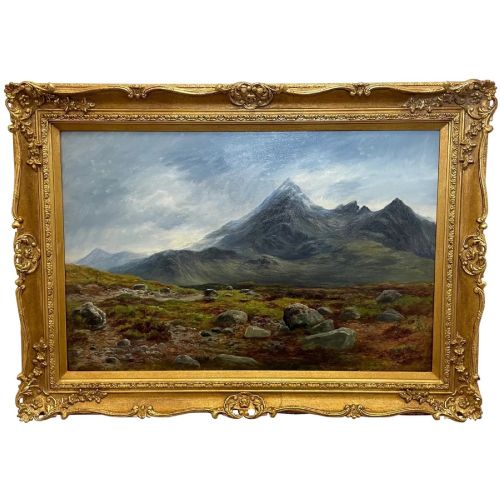
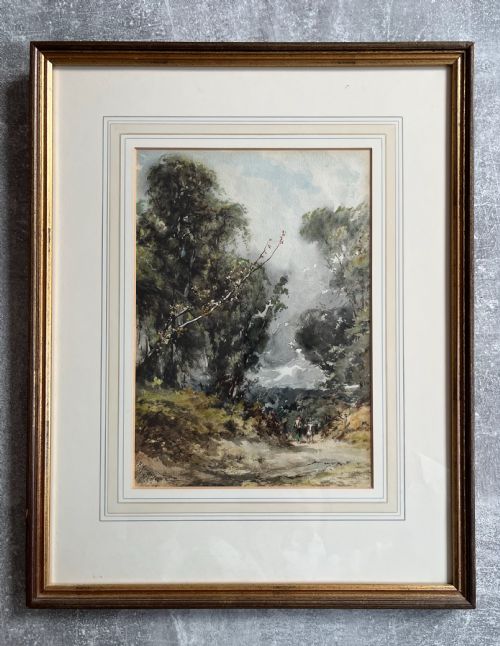
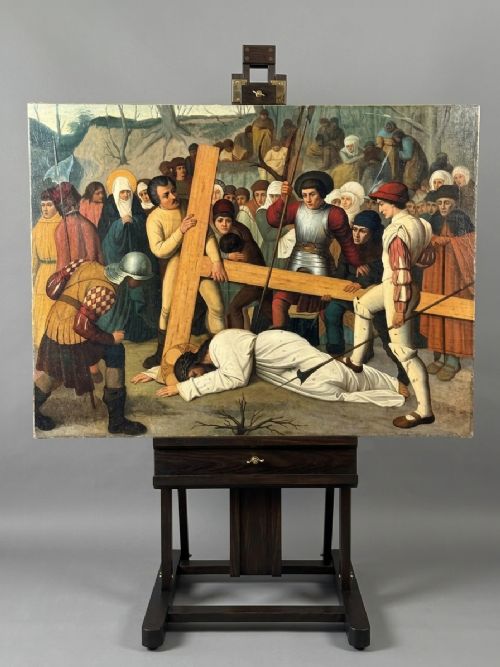
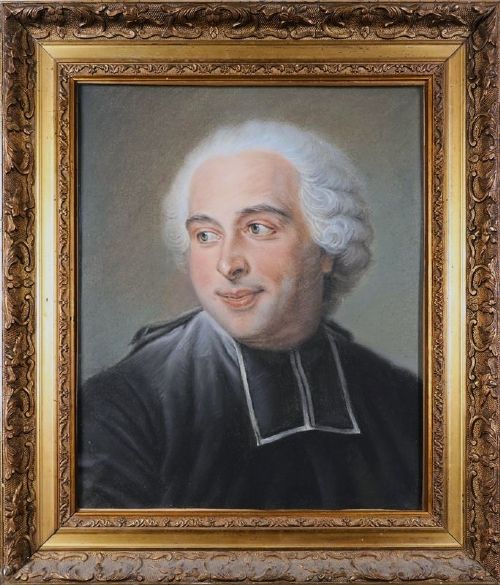
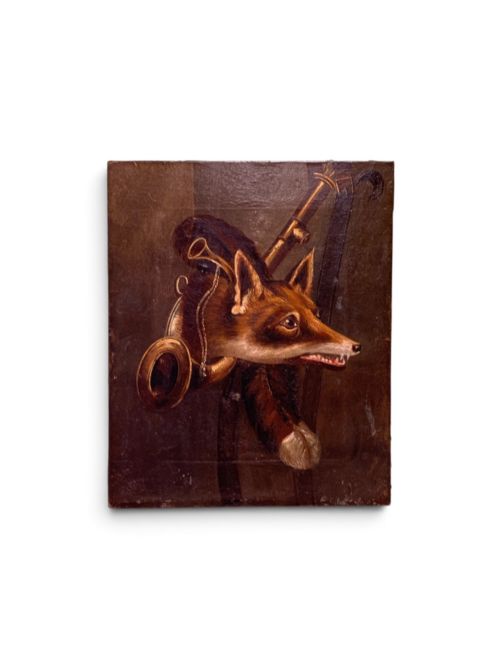
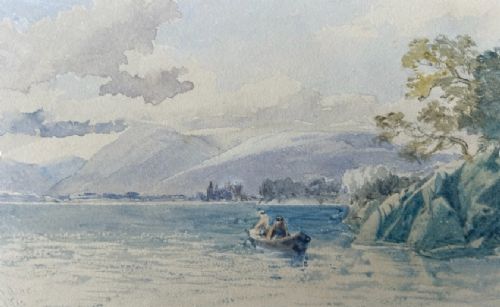
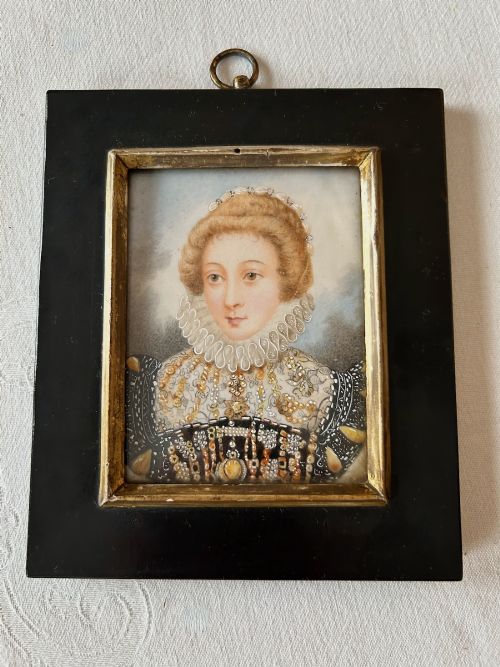
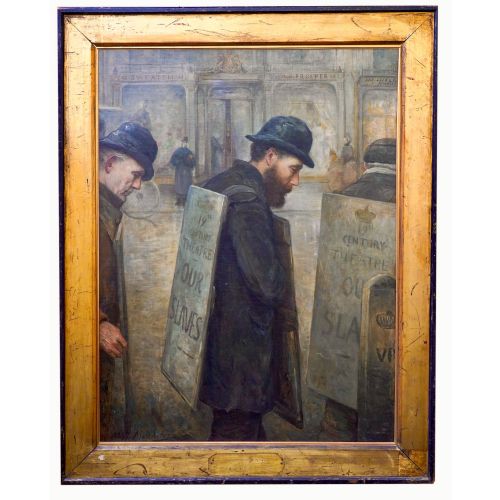
When you search for 19th century wall art, you are looking at a diverse selection of framed works including oil paintings, watercolours, prints, engravings and framed textiles from the eighteen-hundreds. The pieces recorded here span genres from Italian still lifes of flowers and landscape oil paintings to lithographs and pietre dure marble pictures.
Buyers choose these items to anchor a room with authentic period atmosphere. Each piece carries the distinct aesthetic values of its maker, whether through the hand-applied pigment of an oil painting or the crisp lines of a period engraving.
What Varies in Quality
Quality in these works is defined by the fidelity of the medium and the preservation of the surface. An oil painting with intact pigment and visible brushwork sits apart from a compromised or heavily restored canvas.
The frame contributes significantly to the overall merit of the piece. Original giltwood frames with undisturbed gilding and period glass elevate the object above those housed in later or poorly matched surrounds.
Retail Price Guide 2026
Typical UK retail prices for 19th century wall art, calculated from the Sellingantiques database of over a million retail prices indexed since 2003. This retail price guide relies exclusively on Sellingantiques data; no external sources or auction records are used, so the figures do not describe the wider market.
Some Victorian children prints in rosewood frames likely spent generations watching over quiet parlour rooms.
Robert W. Macbeth·Adam Buck
The 19th Century Wall Art Glossary
- Etching
- A printmaking technique where lines are bitten into a metal plate with acid before being inked and pressed onto paper. This method produces fine, detailed lines characteristic of period works on paper.
- Lithograph
- A planographic printing process using a flat stone or metal plate to reproduce images with smooth tonal gradations. It became popular for affordable art production in the eighteen-hundreds.
- Pietre dure
- An artistic technique using cut and fitted polished coloured stones to create geometric or figurative designs. In wall art, it appears as inlaid marble panels depicting pictorial scenes.
- Giltwood
- Wood that has been coated with a thin layer of gold leaf or powder. It provides a luminous border for mirrors and paintings.
- Engraving
- The practice of incising a design onto a hard surface, traditionally metal, to create an intaglio printing plate. It yields sharp, precise details prized by collectors of works on paper.
Frequently Asked Questions
How do I hang a heavy framed oil painting?
Ensure your wall fixings match the weight of the frame and the wall type, using heavy-duty picture hooks or wall anchors.
Distribute the weight evenly using two fixing points on the back of the frame rather than a single central wire for larger works.
Should I display period art in direct sunlight?
Direct sunlight fades oil paint pigments, yellows old paper, and damages the binders in prints over time. Position these pieces away from south-facing windows.
Utilising UV-filtering glass during framing helps protect delicate works on paper and canvas from light degradation.
How do I clean period frames without damage?
Dust giltwood and wooden frames gently with a soft, dry brush to remove surface particles without disturbing the finish. Avoid commercial cleaning liquids.
Keep moisture entirely away from gilded surfaces to prevent the underlying gesso from softening and flaking off.
What is the difference between an engraving and a lithograph?
An engraving is created by cutting lines into a metal plate, producing sharp, indented impressions on paper. It requires considerable skill from the artisan.
A lithograph relies on a chemical greasy resistance process on stone or metal, allowing for softer tonal ranges and painterly effects without incised lines.