


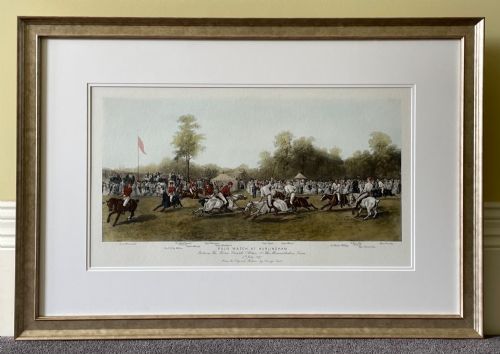


Antique Picture Frames
Antique picture frames hold the works that command a room, pairing gold leaf and rosewood with the weight of the nineteenth century.
Identifying antique picture frames
When you search for antique picture frames, you encounter an array of wall-hanging borders and desk-standing housings designed to hold prints, oils, and photographs. The pieces on this page span the Victorian era, alongside nineteenth-century works and specific dates from 1880 to 1890.
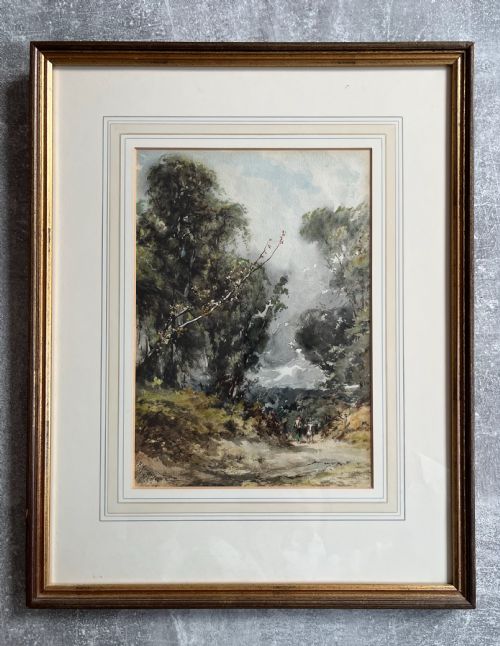
The dominant forms include paired wall frames and framed prints, with materials ranging from carved wood to cast bronze. Many specimens frame contemporary watercolours, oils on board, or photographs under glass, maintaining their original relationship with the artwork they enclose.
Origins vary across English, French, and continental workshops, appearing as matched pairs or single decorative surrounds. They emerge from periods associated with Victorian, Art Nouveau, Edwardian, and Regency stylistic movements.
Materials and construction
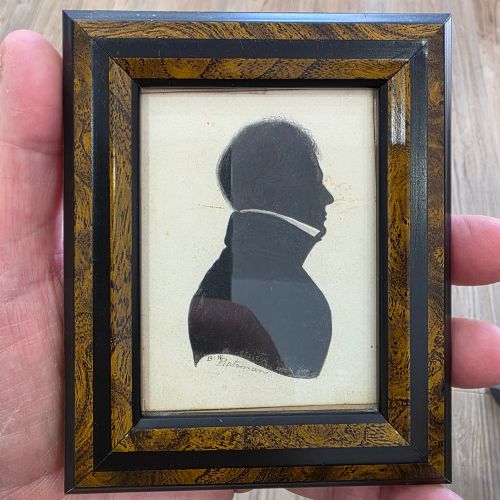
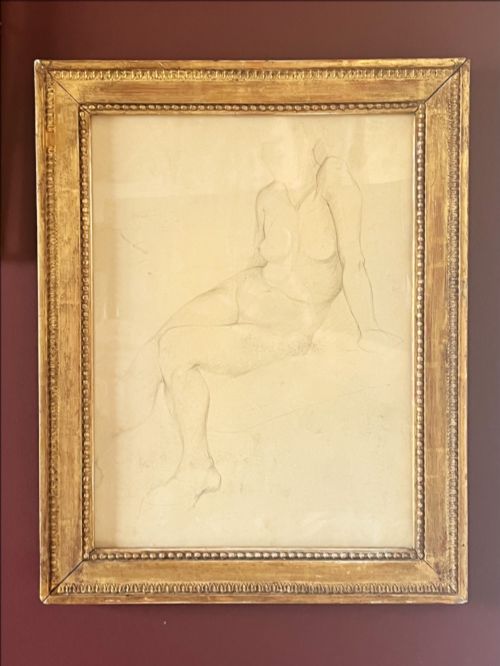
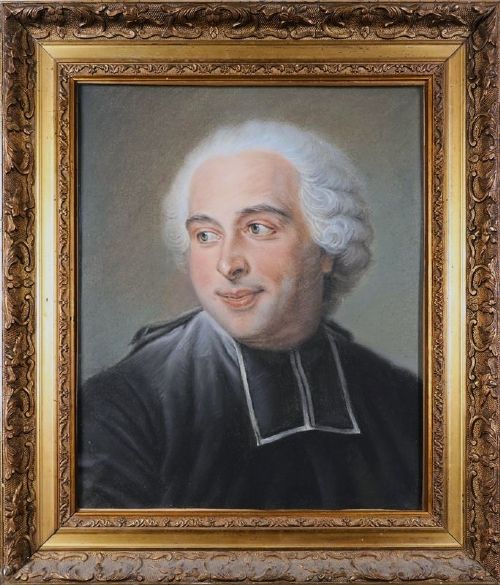
Makers constructed these frames using solid woods such as rosewood, applying layers of gesso to build up sculptural relief before gilding the surface with gold leaf or silver leaf. Cast bronze also appears, providing rigid metallic structures for smaller photograph frames.
Swept mouldings and deep profiles were shaped by hand, creating complex sight edges and decorative corners that catch ambient light. Glass covers and paper backings frequently accompany the timber and metal structures to protect the enclosed medium.
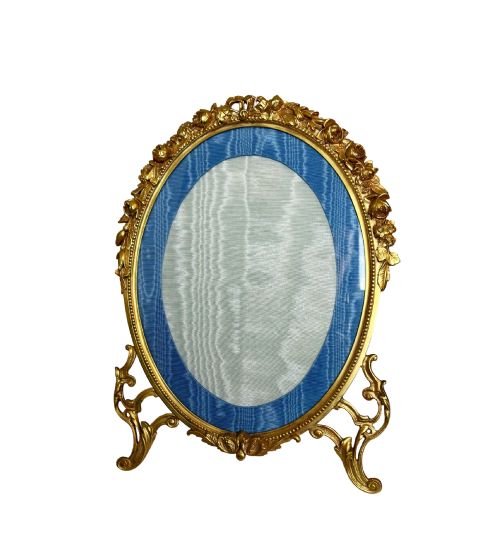
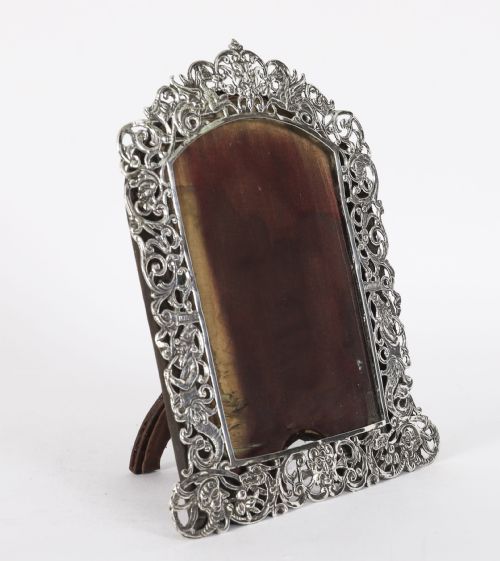
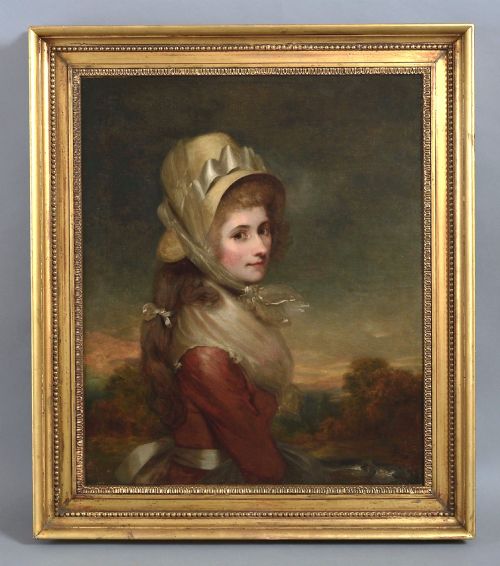
Recorded forms include deep gilt frames, rosewood surrounds, sterling silver bow frames, and cast bronze table pieces.
Judging quality and craft
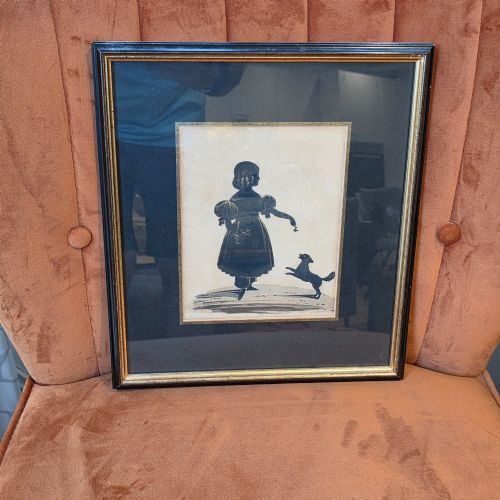
The distinction between ordinary and superior frames rests on the depth of the gesso work and the integrity of the original leaf gilding. Crisp, undercut mouldings indicate skilled hand-carving rather than mass-produced composition ornament.
Matched pairs command greater attention than single pieces, particularly when the original glass, paper backing, and interior artwork remain undisturbed. The weight and stability of the underlying timber frame reflect the original maker's investment in durable materials.
The Antique Picture Frames Glossary
- Gesso
- A plaster mixture applied to wood frames to create a smooth surface for gilding. It allows for intricate relief ornamentation before gold leaf is laid.
- Gold Leaf
- Hammered sheets of gold applied to a prepared ground. It provides the lustrous metallic finish characteristic of fine period frames.
- Rebate
- The recessed channel on the reverse side of a frame that holds the glass, artwork, and backing board in place. Its dimensions dictate the maximum size of the picture inserted.
- Swept Frame
- A frame moulding featuring an undulating, flowing profile shaped with organic curves. This style gained favour during the nineteenth century for oil paintings.
- Diptych
- A two-part frame featuring a hinged or joined pair of panels. It typically houses two related photographs or prints side by side.
Frequently Asked Questions
How do I clean an antique frame?
Dust accumulated on gilded or wooden surfaces requires only a very soft, dry brush. Moisture and commercial chemical cleaners damage fragile gold leaf and historical gesso.
Heavier grime on non-gilded rosewood or sturdy bronze surfaces responds to gentle wiping with a dry microfibre cloth. Avoid touching the inner gold leaf entirely to prevent wearing away the thin metallic layer.
Can I change the picture inside?
Many historical frames contain original glass, old backing papers, and period artwork that contribute to the piece's historical integrity. Altering the contents often disturbs fragile nineteenth-century mountings.
If the rebate allows an easy swap, ensure the new artwork matches the original depth and weight to avoid stressing the antique joints. Retaining the original contents preserves the complete historical object.
How are different periods identified?
Victorian and nineteenth-century examples often display deep gesso mouldings, heavy gold leaf, and substantial timber construction. Art Nouveau frames introduce cast bronze and organic, flowing lines from around 1900.
Looking closely at the corner joints, the type of backing paper, and the fastening nails provides clues to the manufacturing decade. Stylistic motifs like ribbon bows or swept corners point directly to specific design movements.
Are these frames meant for walls or desks?
The collection includes both wall-hanging picture frames and standing photograph frames designed for tabletops and desks. Larger paired frames with deep rebates are built specifically to support heavy oil paintings or prints on canvas.
Smaller silver and bronze examples often feature easel backs or folding hinges for domestic display on surfaces. Check the reverse hardware before hanging to confirm whether the piece uses wall rings or a desk strut.