



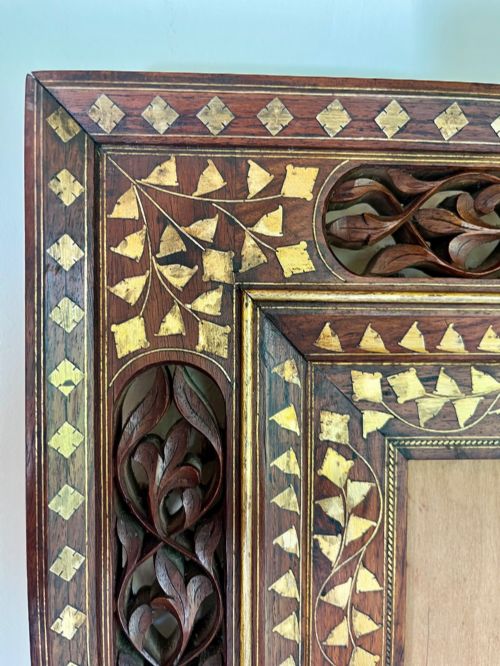
Carved Picture Frame
A carved picture frame brings depth, texture and historical weight to an interior, holding oil paintings, mirrors or prints with sculptural presence.
Carved Picture Frame
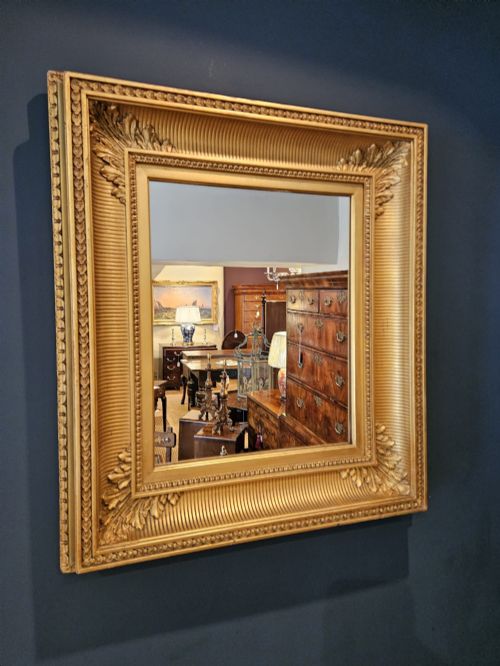
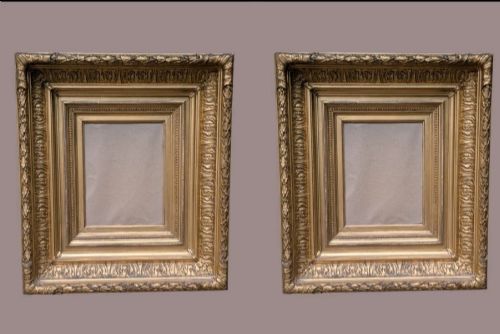
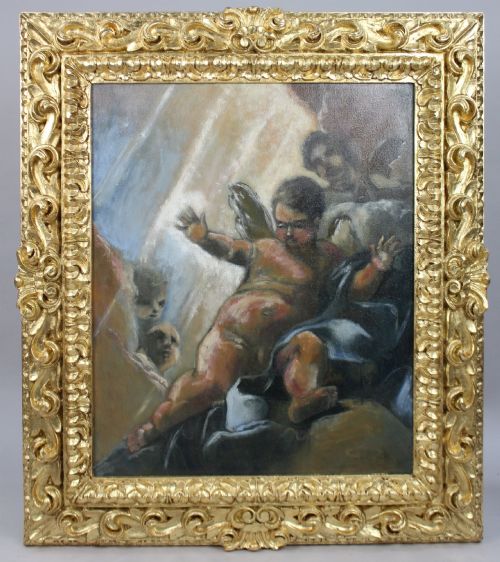
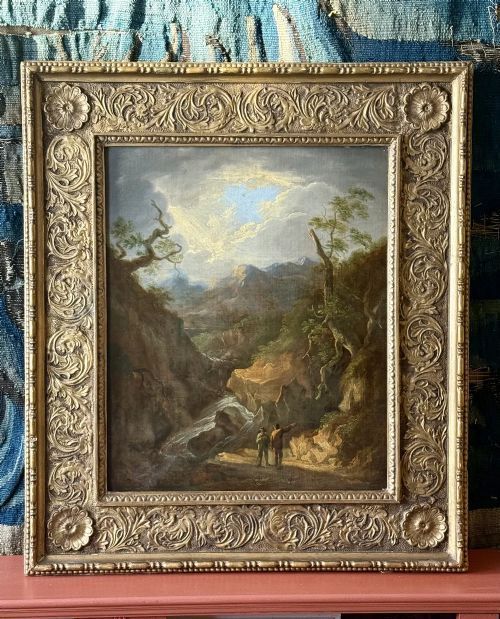
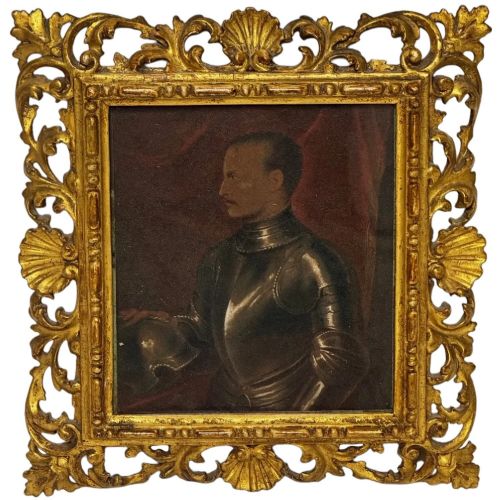
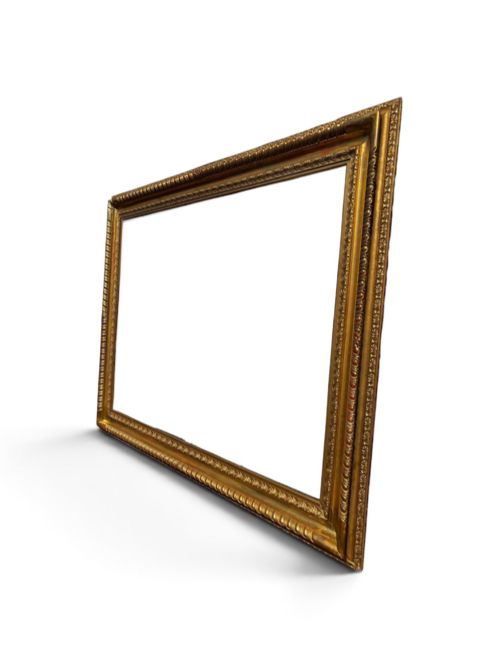
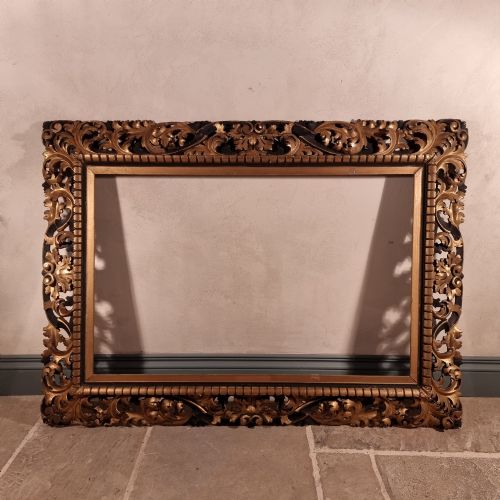
A carved picture frame is a rigid border constructed to enclose, protect and enhance artwork or mirrors, functioning as an independent decorative object. The examples found here span multiple centuries, from seventeenth-century Baroque specimens to Victorian and twentieth-century interpretations. Buyers encounter diverse forms, including deep profile mouldings, swept frames, shadow boxes and Florentine openwork designs.
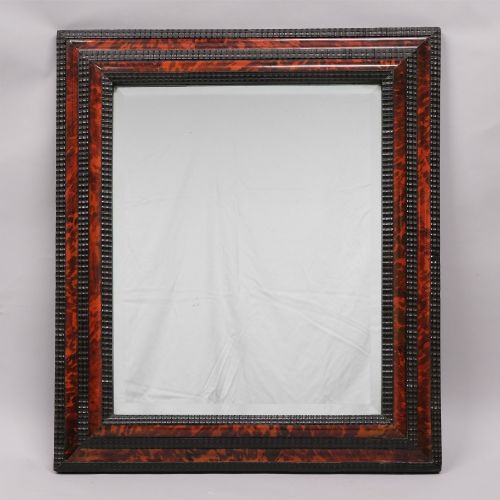
The materials reflect traditional woodworking and finishing methods, combining timber substrates with applied ornament. Wood serves as the primary structural foundation, frequently embellished with gesso to create crisp relief details before receiving gold leaf or paint. Some pieces incorporate alternative substances such as tortoiseshell, bone or shell work alongside standard picture glass and canvas supports.
What varies in quality
The distinction between ordinary and exceptional work rests upon the depth and crispness of the hand-carved ornament. Superior examples display sharp undercutting, balanced proportions and fluid execution in the foliage or figurer work, whereas lesser pieces rely on moulded composition pastes that lack hand-tooled definition. The handling of the mitres and the integrity of the joinery further indicate the original maker's level of skill.
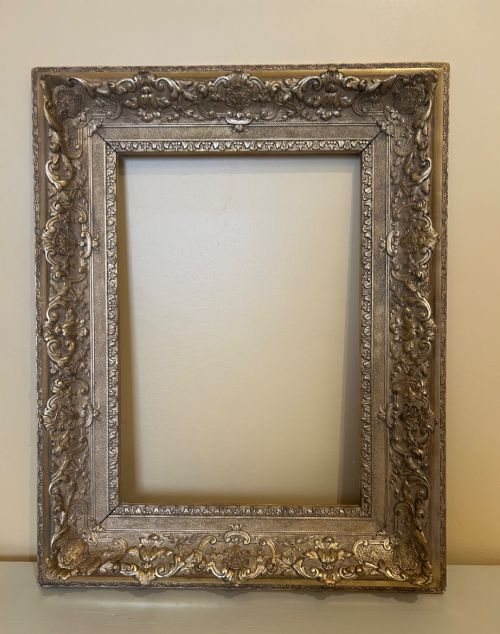
Gilding technique and the preservation of the original surface define the upper tier of the market. High-grade surfaces show genuine gold leaf burnished over traditional bole, retaining authentic craquelure and patina built up over generations. Lower grades often exhibit unsympathetic modern metallic paints or crude over-gilding that obscures the original contours of the gesso and wood beneath.
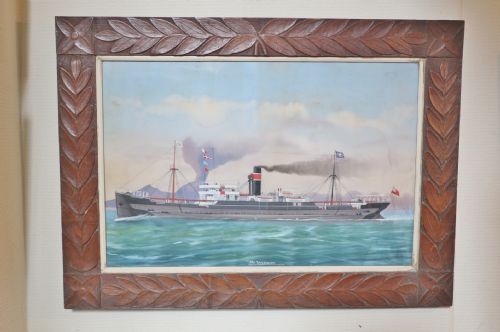
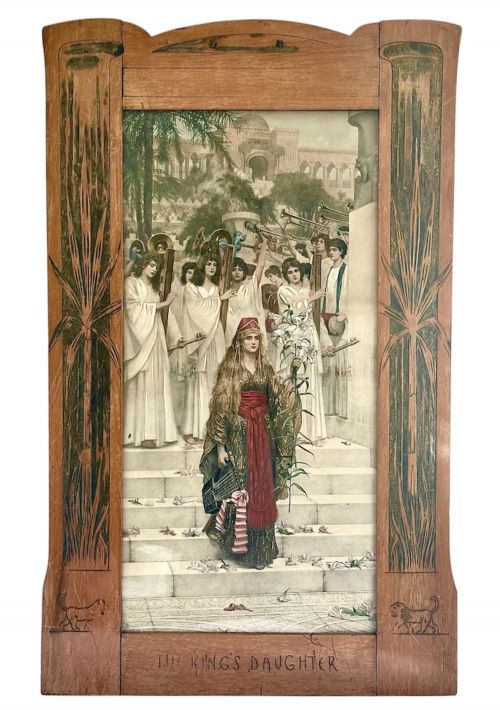
Listings feature carved picture frames spanning the seventeenth to the twentieth centuries, utilising gesso, giltwood, oak, tortoiseshell and oil on canvas.
Sir Godfrey Kneller·Sir Anthony van Dyck·Benjamin Barker of Bath·Gian Paolo Pace·Herbert Gustave Schmaltz·Sir Joshua Reynolds
The Carved Picture Frame Glossary
- Gesso
- A fluid mixture of gypsum or chalk mixed with animal glue binder, used as a smooth base for gilding and relief ornamentation on wooden frames.
- Giltwood
- Timber that has been coated with a thin layer of gold leaf or powder over a prepared ground, creating a bright metallic appearance.
- Swept frame
- A frame style featuring undulating, flowing profiles with prominent scrolling corners and centres, popular during the Rococo revival periods.
- Bole
- A fine, earthy red or yellow clay used as the final adhesive layer beneath gold leaf to impart warmth and depth to the burnished metal.
- Rebate
- The recessed internal channel at the back of a frame designed to hold the glass, artwork, backing board and mounting slips securely in place.
- Ripple moulding
- A decorative linear pattern machined onto wood frames using specialised scraping engines, creating undulating waves across the timber surface.
Carved Picture Frame: Frequently Asked Questions
How do I choose the right frame for a modern painting?
Selecting a frame for a contemporary artwork depends on balancing the visual weight of the piece with the profile depth. Simple wooden mouldings or restrained gilt finishes often complement modern canvases without overwhelming the composition.
Historical frames can also create a striking juxtaposition against modern art, provided the scale and rebate dimensions match the thickness of the stretcher bars.
Were these frames originally made for mirrors or paintings?
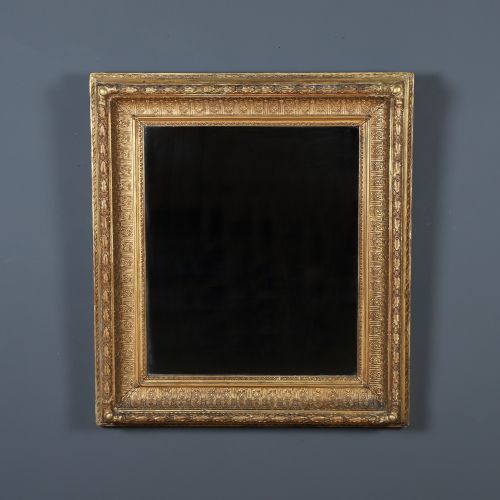
Many large antique frames served dual purposes or were adapted from one medium to another over their long lifespans. Frames housing mirrors typically feature deeper rabbets and heavy weight to support thick glass plates.
Examining the internal rebate and historical mounting marks often reveals whether the piece originally held an oil painting on canvas or a reflective mirror plate.
How can I tell an 18th century frame from a 19th century revival?
Eighteenth-century frames generally display hand-carved wooden ornament directly into the substrate with individual tool marks visible under magnification. The composition and gesso build-up tends to be thinner and more integrated with the timber foundation.
Nineteenth-century revival pieces frequently incorporate moulded composition ornaments pressed into place in repetitive sections, supported by heavier, thicker gesso layers.
How do I hang a heavy carved wooden frame safely?
Heavy carved frames require robust hanging hardware screwed directly into the structural wooden members of the frame rather than the backing boards. Heavy-duty D-rings combined with multi-strand steel picture wire distribute the considerable weight evenly across wall fixings.
Professional wall anchors suited to the specific wall construction are essential for supporting substantial giltwood and oak frames securely.