




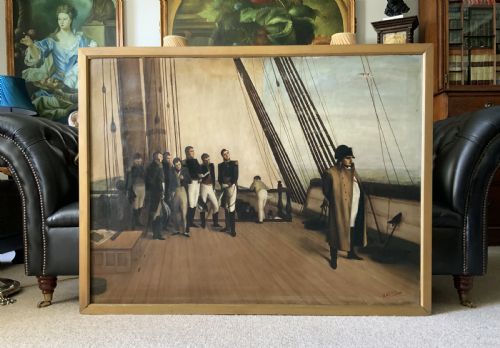


Antique Frame for Art
An antique frame for art provides the period structure and surface finish that completes historic paintings, watercolours and prints.
Antique Frame for Art
When searching for an antique frame for art, buyers encounter architectural and decorative enclosures spanning the seventeenth century through to the mid-twentieth century. These housings accompany oil paintings, watercolours, prints and portraits produced across English, Dutch, French and Italian schools.
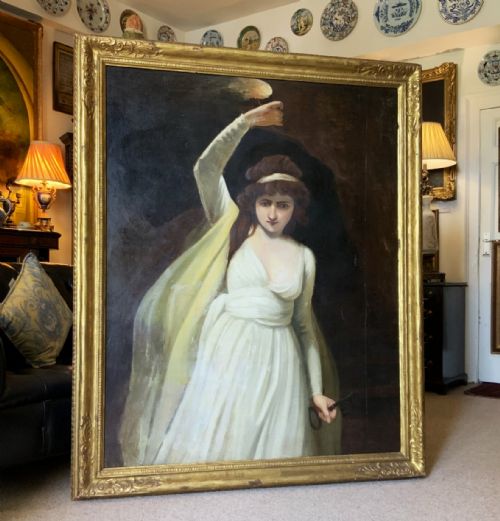
The selections on this page include deep fluted hollow profiles and gesso decorations typical of nineteenth-century European workshops. Earlier centuries provide panel paintings and canvas formats housed in period joinery that reflect Baroque or Dutch Golden Age traditions.
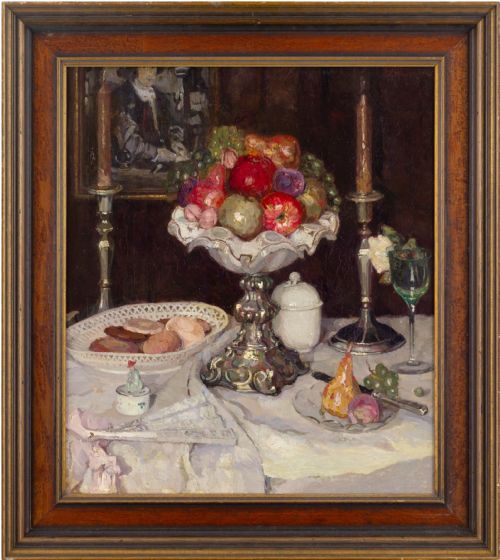
Later examples extend into Edwardian and Art Deco tastes, aligning with watercolours, illustrations and prints from the early decades of the twentieth century. Each piece retains the specific proportions and material ageing characteristic of its period of origin.
How they were made
Carpenters and gilders constructed these surrounds primarily from solid wood bases, shaping profiles through hand-carving and moulding. Artisans applied layers of gesso to build up decorative reliefs and fluted hollows before finishing surfaces with gold leaf or oil paint.
Canvas and panel works required precise joinery at the mitred corners to withstand the tension of stretched supports and seasonal humidity shifts. Surface applications combined traditional gold leaf gilding with hand-mixed pigments, securing longevity and distinct patination across centuries.
Several watercolours on this page preserve the delicate fairy realms imagined by Marjorie L Davies.
What varies in quality
The distinction between ordinary and superior examples rests upon the crispness of the hand-carved gesso ornamentation and the integrity of the original gold leaf surface. Deep mouldings with retained original gilding demonstrate superior workshop execution compared to later regilt or cast composition replacements.
Proportion and harmony between the moulding profile and the artwork period determine the aesthetic success of the piece. Masterful joinery at the mitres and minimal intervention to the historic substrate separate museum-grade survivals from heavily restored domestic examples.
Sir Peter Lely·Sir David Murray RA·Charles Jervas·William Langley
The Antique Frame for Art Glossary
- Giltwood
- Wood carved and coated with gold leaf over a prepared gesso ground. This finish provides the characteristic metallic brilliance seen on formal European frames.
- Gesso
- A plaster mixture applied to wood substrates to create a smooth surface for gilding or painting. It accepts intricate moulding and carving before leaf application.
- Baroque
- An artistic style spanning the seventeenth and early eighteenth centuries, known for dramatic ornamentation and exuberant carved details. Frames from this era feature deep profiles and heavy relief work.
- Regency
- A British design period spanning the early nineteenth century characterised by classical restraint and neoclassical motifs. Mouldings from this era often incorporate reeded or fluted patterns.
- Gouache
- An opaque water-based paint medium used on paper or pith paper. Works in this medium require specific glazed housing to prevent surface abrasion.
Antique Frame for Art: Frequently Asked Questions
How do I match a frame to my art?
Select a frame whose period of manufacture aligns with the creation date of the artwork it will house. Consider the visual weight of the painting or print to ensure the moulding profile neither overpowers nor disappears against the image.
European frames from the nineteenth century offer versatile hollow profiles that suit a range of oil paintings. Ensure the sight size accommodates the canvas without obscuring important painted edges.
Can I use an antique frame for a modern canvas?
Historic surrounds accommodate contemporary canvases provided the depth and rabbet dimensions match the stretcher bar thickness. Many collectors pair modern works with seventeenth- or eighteenth-century frames to create striking visual contrast.
Verify internal measurements carefully before mounting any work. Professional framers can adjust backing boards and fixings to secure modern supports safely within antique joinery.
How should I clean gilded antique wood?
Dust surfaces gently using a dry, soft artist brush or a clean feather duster to remove loose particles. Avoid all moisture, commercial cleaning solutions and abrasive cloths, which strip delicate gold leaf and gesso.
Preserve the existing patination by keeping frames away from direct sunlight and damp environments. Professional conservators should handle any structural stabilization or cleaning of degraded surfaces.
What indicates a seventeenth-century frame?
Seventeenth-century examples feature heavy wooden construction, often executed in deep profiles designed to project oil paintings forward from panel walls. Hand-carved decorative elements and early gilding techniques over gesso define the authenticity of this period.
Examine the reverse of the wood for tool marks, hand-cut joinery and historic fastener types. Dutch and English examples from this era reflect distinct regional carving habits and proportions.