

Antique Framed Art
Discover antique framed art to bring historical depth and character into any room.
Antique Framed Art
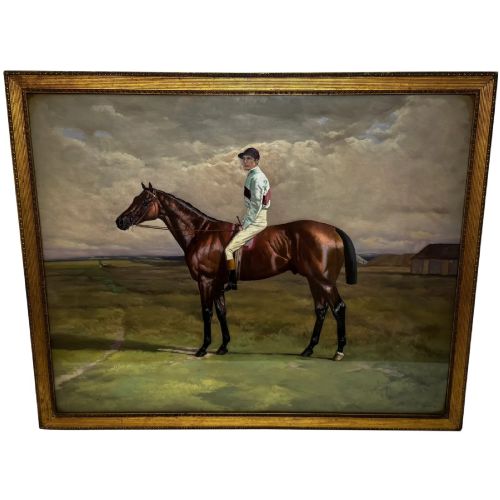
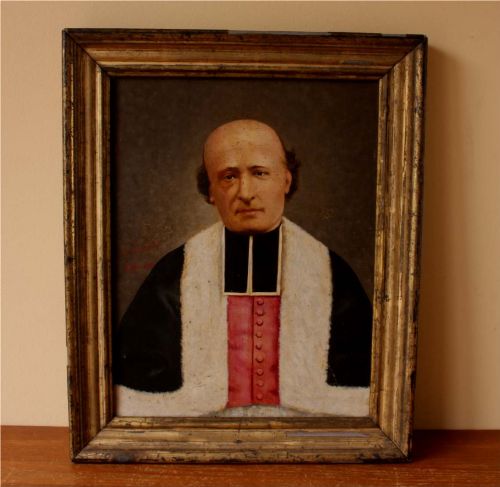
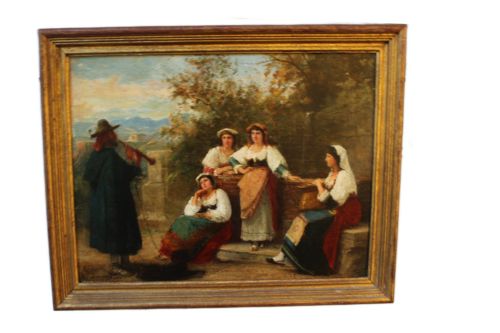
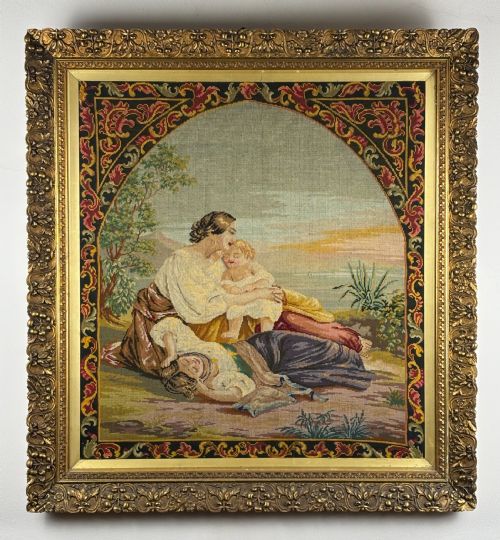
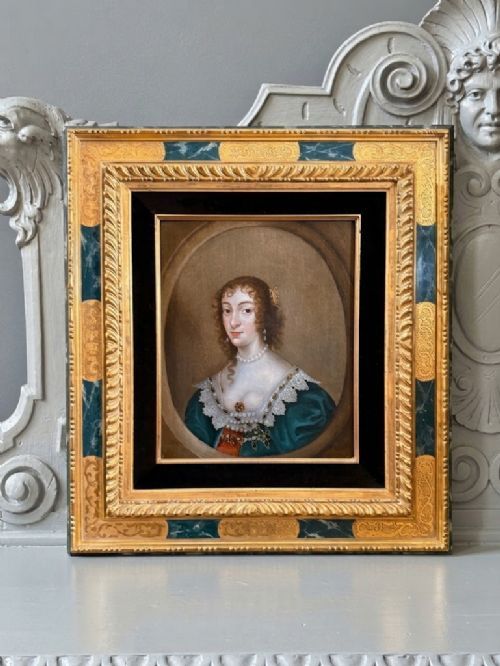
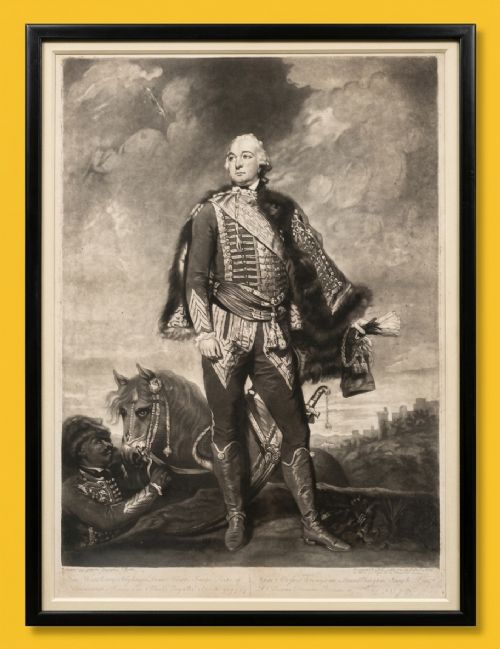
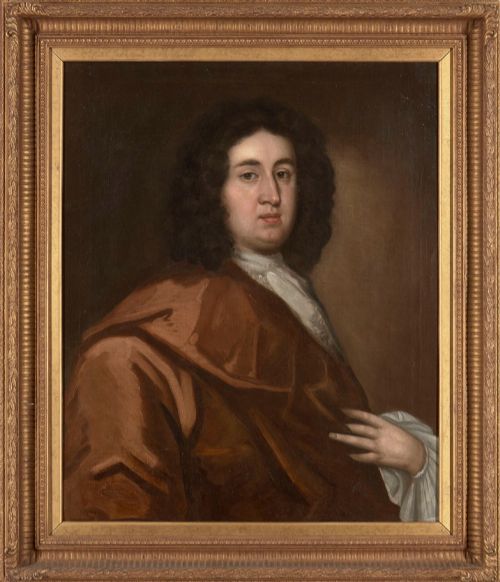
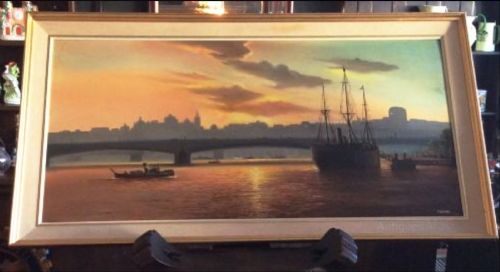
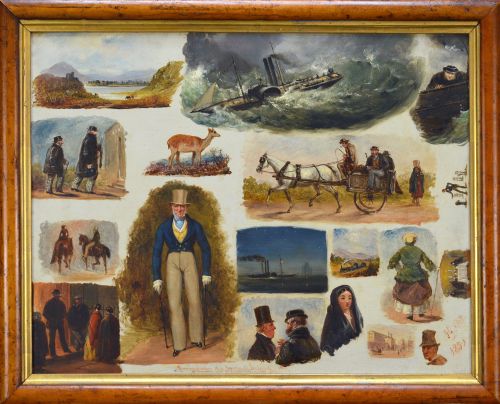
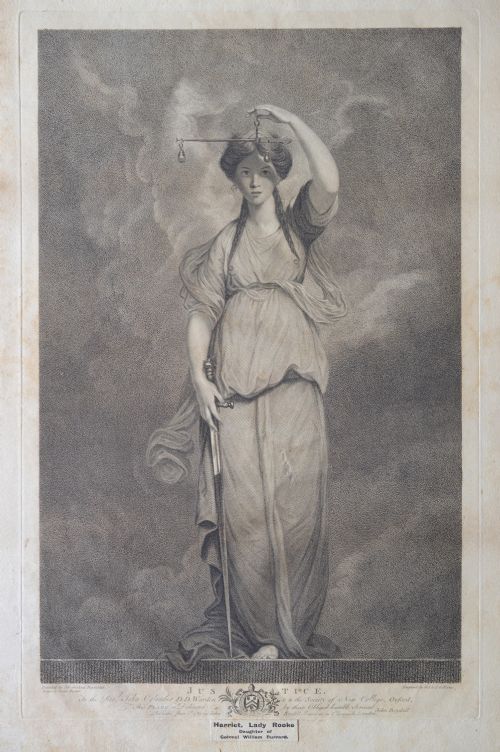
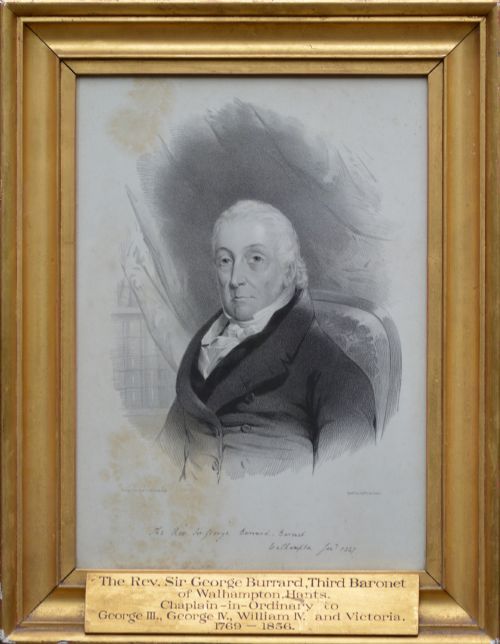
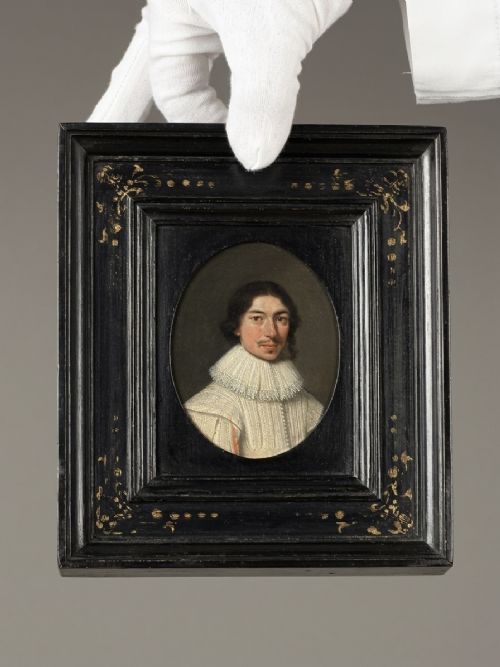
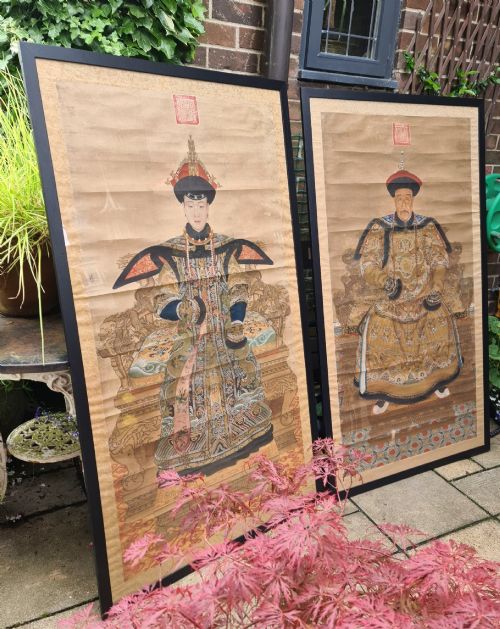
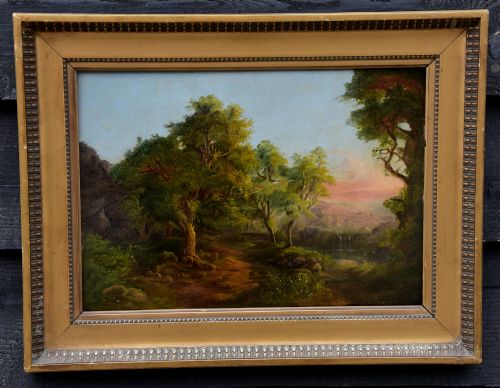
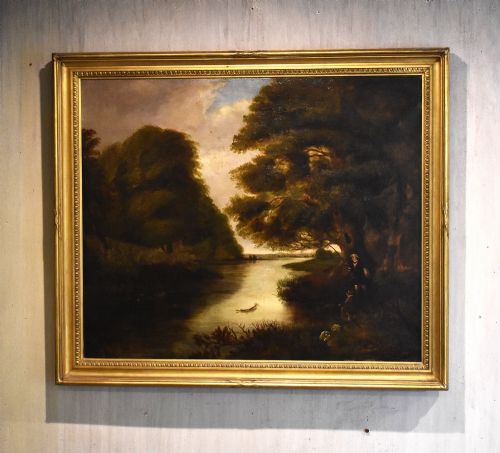
When buyers search for antique framed art, they encounter a diverse selection of wall hangings, oil paintings, watercolours, prints, and textiles spanning multiple centuries. The collection encompasses formal portraits, marine scenes, botanical studies, and classical subjects presented in period surrounds.
Most items on this page date from the seventeenth, eighteenth, and nineteenth centuries, featuring works executed on canvas, paper, panel, and silk. Examples range from expansive English school oil paintings to delicate Chinese Canton watercolours and detailed silhouettes.
Buyers also find specialised pieces such as maps, needlework samplers, and decorative mirrors housed in original giltwood or carved wooden surrounds. Each object offers a tangible connection to historical artistic practices and domestic interiors.
How they were made
The physical objects rely on traditional substrates including stretched canvas, heavy rag paper, wooden panels, and woven textiles prepared by hand. Artists applied oil paints, watercolours, gouache, tempera, and ink to achieve durable compositions that survive across generations.
Frames utilise timber construction, often enhanced with carved ornamentation, gesso mouldings, and applied metal leaf such as giltwood. Joinery techniques and surface finishes reflect the prevailing cabinet-making standards of each respective period.
Antique Framed Art Retail Price Guide 2026
Typical asking prices for framed art among the pieces listed under this phrase on Sellingantiques today, from the lower quarter to the upper quarter. They describe what is for sale here now, not the wider market.
Listings feature works across multiple centuries, ranging from seventeenth-century oil portraits to twentieth-century tempera panels and modernist prints.
What varies in quality
Quality rests upon the skill of the draughtsman or painter, evident in proportion, handling of light, and anatomical precision within portraits and landscape studies. Superior works demonstrate confident brushwork and well-resolved compositions that elevate them above standard decorative output.
The relationship between the artwork and its surround dictates overall merit, with original coeval frames preserving historical integrity far better than later replacements. The preservation state of the underlying paper or canvas, free from extensive restoration, further distinguishes premier examples.
David Law·William Bird·George Sydney Shepherd·Joseph Clover·Henry Barraud·George Armfield·Irene Christobelle Pownoll Williams·H Medlycott·Guido Bach·Theude Gronland·Sir Joseph Noel Paton·James Hardy·Bruce Bairnsfather·Sir Godfrey Kneller·Charles Jervas·Michael Dahl·John Simon·Edward Fisher·Sir Joshua Reynolds·Charles Antoine Coypel·Bateman·William James Hubard·Kurt Lorein Victor Peiser
The Antique Framed Art Glossary
- Watercolour
- A painting method where fine pigments are suspended in a water-based, translucent solution applied to paper or card. This technique allows for delicate washes and luminous effects.
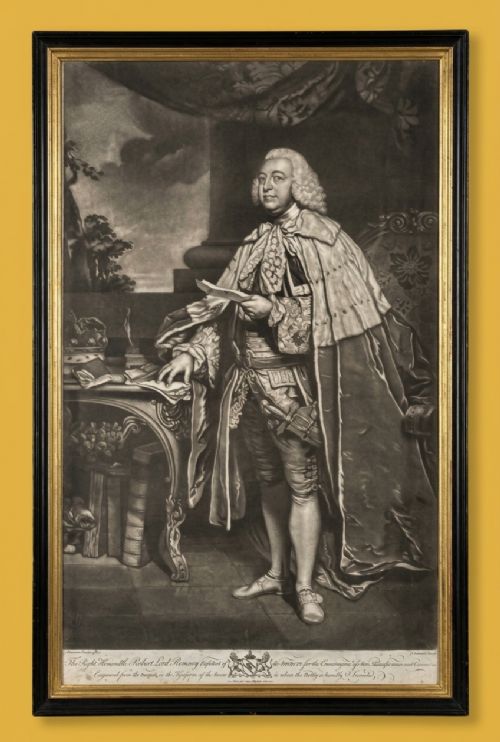
- Mezzotint
- A printmaking process of the intaglio family where the plate is roughened uniformly to produce rich dark tones and subtle tonal gradations. It gained popularity for reproducing oil portraits.
- Giltwood
- Timber carved and surfaced with a thin layer of gold leaf over a prepared ground of gesso and bole. It provides a brilliant, reflective border for fine paintings and mirrors.
- Sampler
- A piece of needlework produced by a maker to demonstrate proficiency in various embroidery stitches and patterns. These textiles often incorporate alphabets, motifs, and dates.
- Panel
- A rigid support for painting, typically fashioned from seasoned hardwood rather than flexible canvas. Oak and mahogany were common choices in earlier centuries.
Antique Framed Art: Frequently Asked Questions
How do I date an antique painting?
Dating relies on stylistic clues, costume details, the materials of the support, and any inscriptions or signatures present on the work. Pigment analysis and framing characteristics also offer reliable chronological indicators.
Examining the reverse of the canvas, panel, or paper often reveals maker stamps, historical labels, or handwritten notes left by previous owners.
Are original frames important?
Original frames contribute significantly to the historical integrity and visual harmony of antique art. A coeval frame matches the period of the artwork and shows appropriate signs of age.
Replacing a period frame with a modern alternative alters the character of the piece and removes a layer of its provenance.
How should I care for works on paper?
Works on paper require protection from direct sunlight to prevent fading of watercolours, prints, and drawings. Maintaining stable indoor humidity levels stops the paper from cockling or developing foxing spots.
Displaying pieces away from heat sources and utilising acid-free mounting materials preserves the paper over time.
What is the difference between oil and watercolour?
Oil paintings use pigments bound in a drying oil, typically applied to canvas or wood panels, allowing for rich textures and deep colour blending. Watercolours utilise water-soluble binders on paper, creating translucent and immediate images.
Oils generally require robust wooden frames without glass protection, whereas watercolours need glazing to shield the delicate paper surface.