
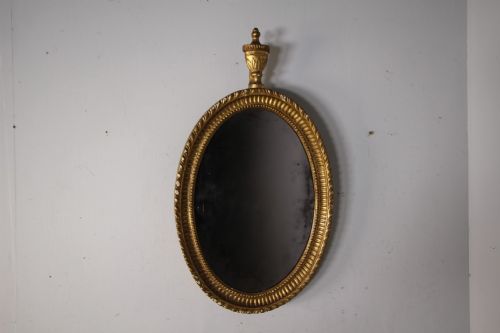

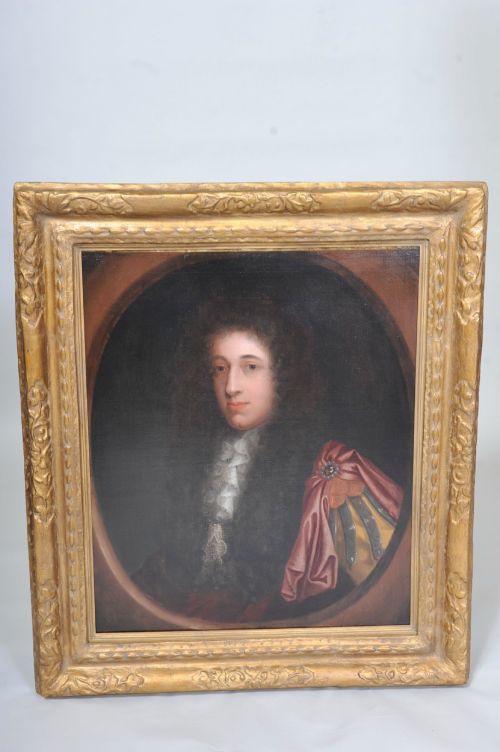
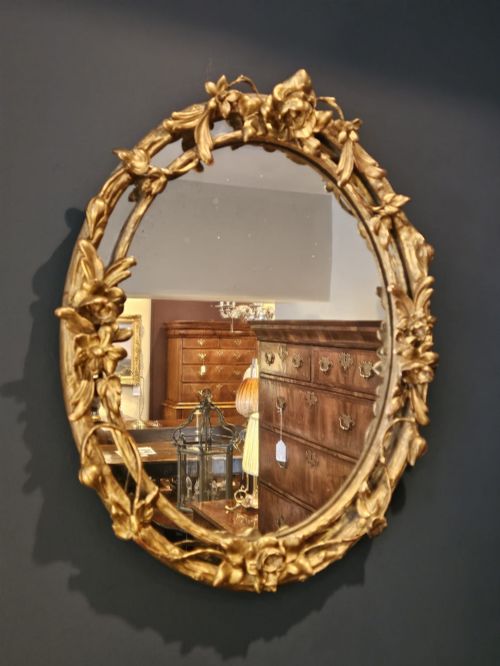

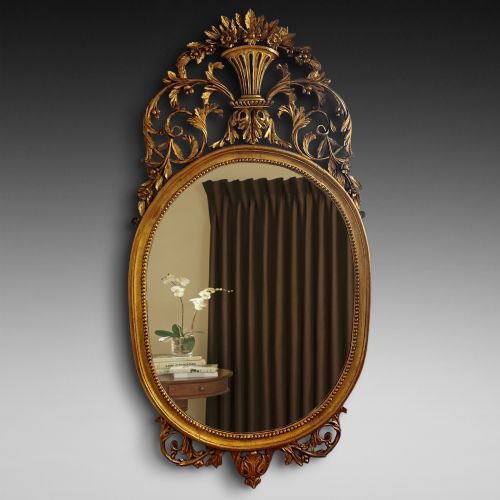
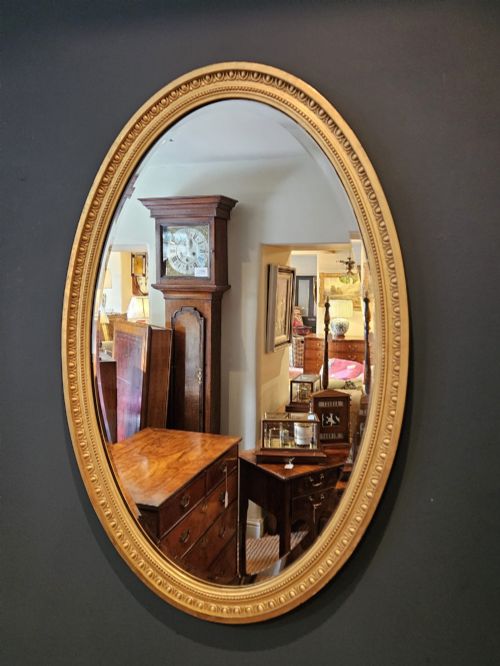
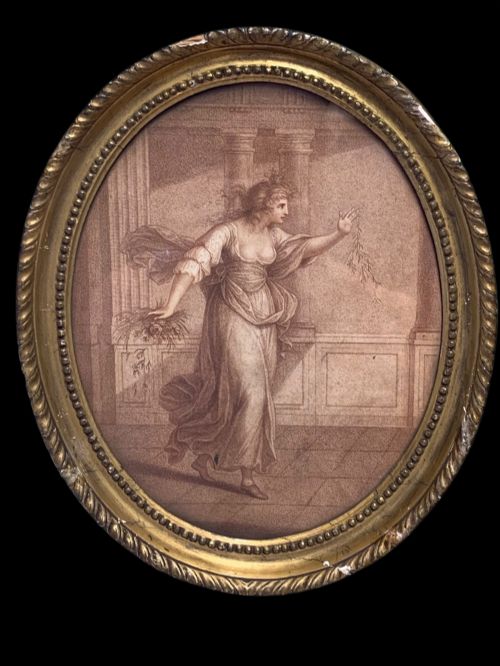
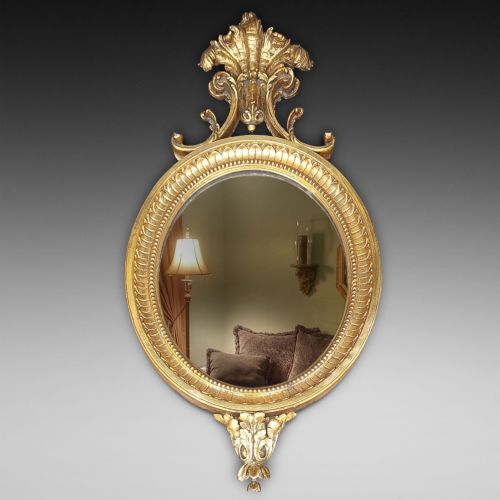
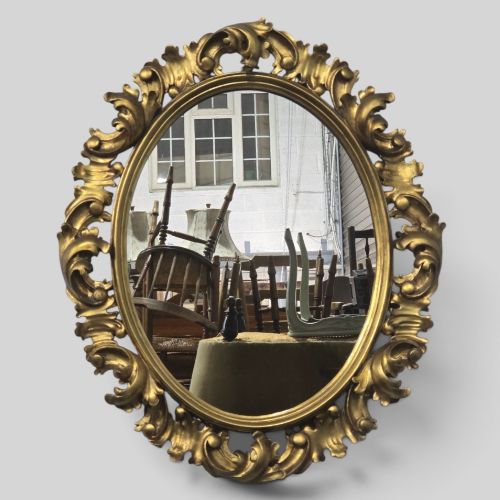
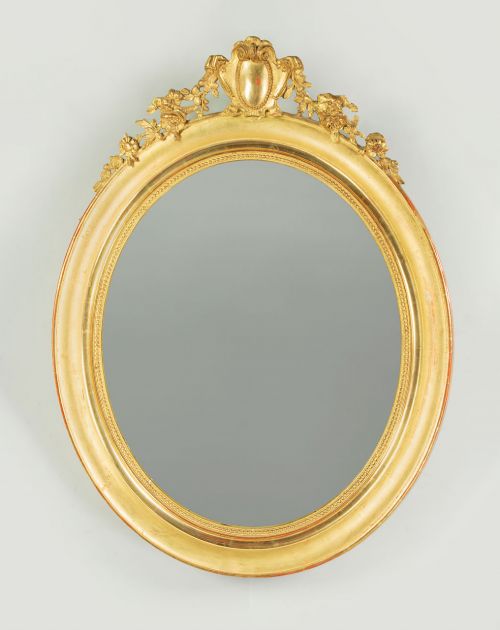
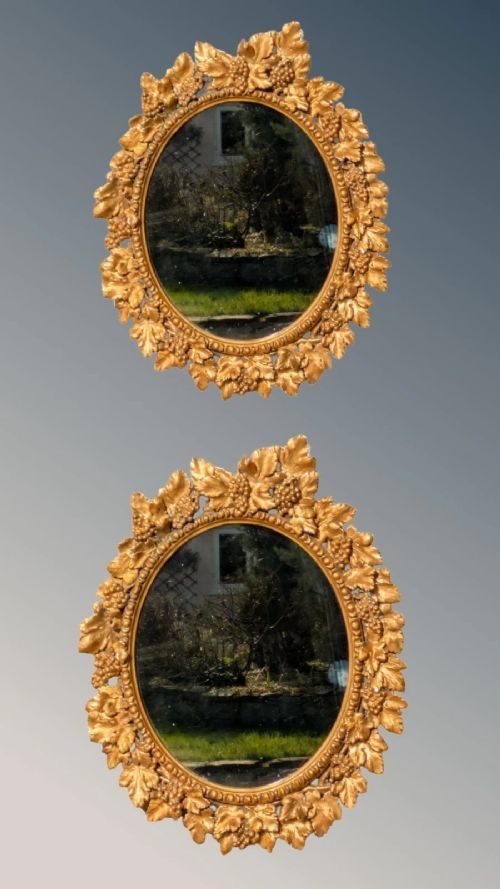
Gold Leaf Oval Frame
A gold leaf oval frame offers a distinct curved silhouette that elevates antique portraits and miniatures with traditional warmth.
What they are
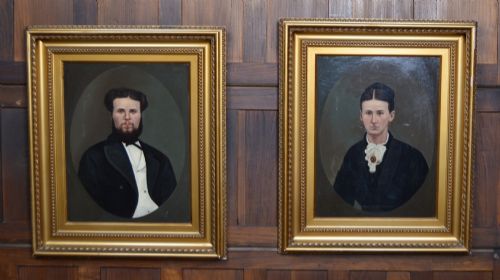
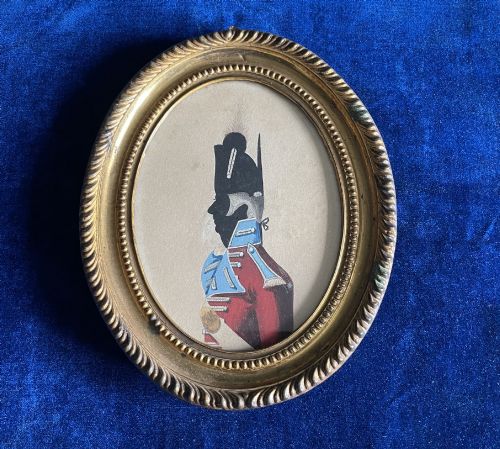
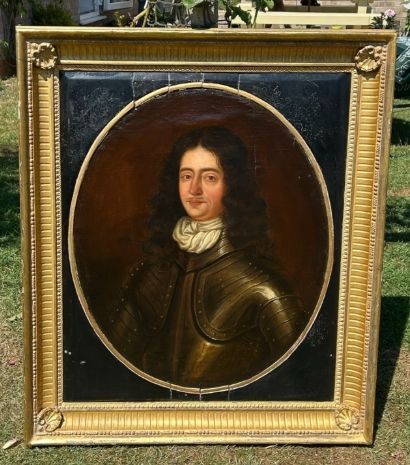
When searching for a gold leaf oval frame, buyers find items spanning the eighteenth and nineteenth centuries, including Georgian and Victorian examples. These pieces often house portrait miniatures, pastel paintings, or stipple engravings within their curved borders.
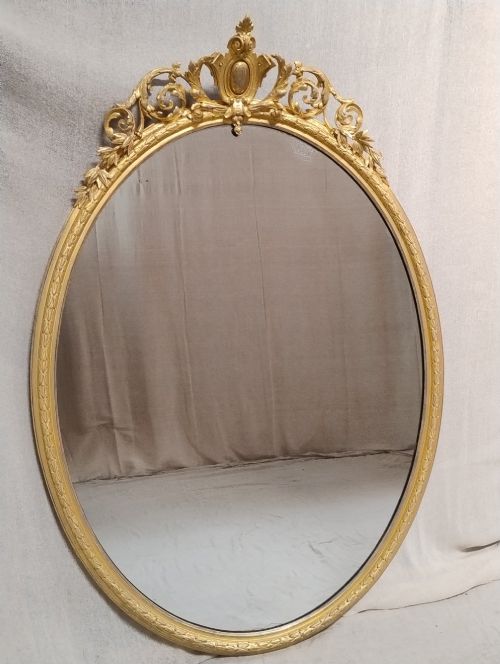
The objects listed combine historical framing with works on paper or canvas, such as portrait miniatures and pastel portrait paintings. The nineteenth century yields examples like the large and impressive gilded gesso oval glazed picture frame circa eighteen sixty.
Georgian Neoclassical influences also appear in the selection, showing how makers adapted classical proportions to oval formats. Buyers encounter both empty frames and complete framed works that preserve historic portraiture.
How they were made
Construction relies on wood bases finished with gesso and gold leaf or gilded wood to achieve a reflective metallic sheen. Craftsmen applied thin layers of gold leaf over prepared surfaces to create the characteristic warm glow of antique frames.
Glazing protects delicate contents like pastel on paper, watercolour, and paper works set behind glass. Heavier decorative versions incorporate moulded gesso details built up on wood substrates to form traditional ornamentation.
Retail Price Guide 2026
Typical UK retail prices for gold leaf oval frame, calculated from the Sellingantiques database of over a million retail prices indexed since 2003. This retail price guide relies exclusively on Sellingantiques data; no external sources or auction records are used, so the figures do not describe the wider market.
Object types span portrait miniatures, framed prints, pastel portrait paintings, and picture frames from Georgian and Victorian periods.
What varies in quality
The depth and crispness of the gesso moulding separate finer examples from simpler production, particularly where ornamental motifs define the border. Heavier construction and original gilding surfaces contribute to the character of superior pieces.
The preservation of the underlying wood and the intact nature of the gold leaf layer dictate the visual integrity of each frame. Complete survival of original components, including early glass and backing materials, distinguishes the best examples.
James Sharples·Agnes Dundas
The Gold Leaf Oval Frame Glossary
- Giltwood
- Wood carved and coated with gold leaf. This material provides the structural foundation for many traditional decorative frames.
- Gesso
- A plaster mixture applied to wood frames to create a smooth surface for gilding. Artisans use this compound to model relief decoration.
- Stipple engraving
- A printmaking technique using dots to render tonal gradations. These works frequently appear housed in period oval surrounds.
- Pastel portrait
- An artwork executed using powdered pigment sticks on paper. Such fragile pieces require the protection of glazed framing.
Frequently Asked Questions
What periods do these frames represent?
The pieces span the eighteenth and nineteenth centuries, taking in Georgian, Georgian Neoclassical, and Victorian periods. Makers during these eras employed traditional techniques to shape wood and apply gold leaf.
Examples range from eighteenth century stipple engravings to mid nineteenth century gesso frames. Each era brings distinct stylistic preferences to the curved oval format.
How should I house delicate artwork inside them?
Many examples include glass to protect sensitive mediums like pastel on paper and watercolour. Original glazing often accompanies period portraits and miniatures.
Ensure proper spacing between the glass and the artwork surface to prevent moisture accumulation. Conservation mounting preserves both the contents and the historic frame structure.
What materials make up these frames?
Construction primarily involves wood finished with gesso and gold leaf or gilded wood. These traditional components create the reflective surface characteristic of antique frames.
Heavier decorative pieces utilise built up gesso ornament over wooden bases. Over time, these materials develop a patinated metallic appearance.
Can I find complete portraits in these frames?
The selection includes both empty frames and complete historic works. Buyers often find portrait miniatures, pastel paintings, and framed prints already set within the oval borders.
These paired items preserve the original relationship between artwork and surround. Eighteenth and nineteenth century subjects frequently appear in these configurations.