






Godfrey Kneller Portrait
A godfrey kneller portrait brings seventeenth-century baroque majesty into a room through oil on canvas paintings of monarchs, nobles and literary figures.
What They Are
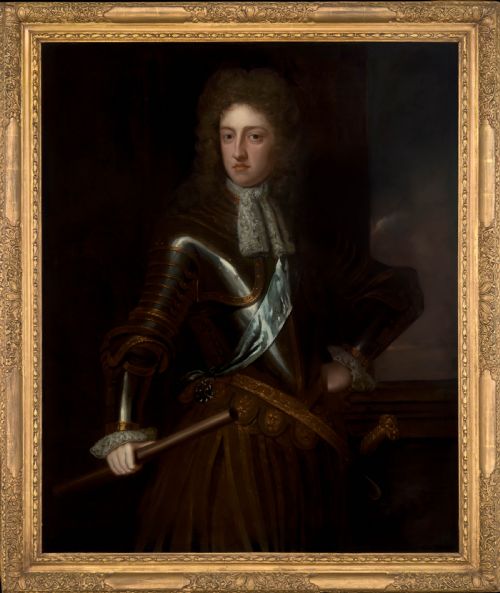
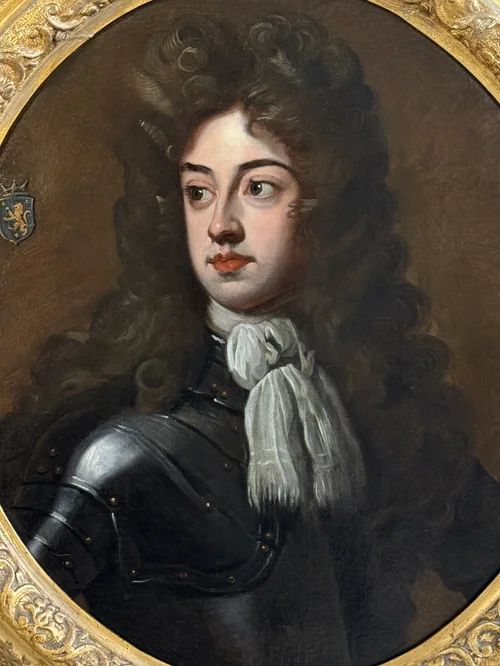
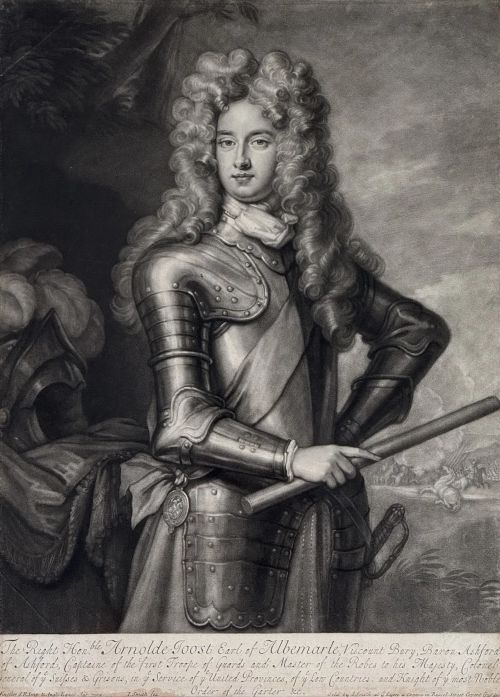
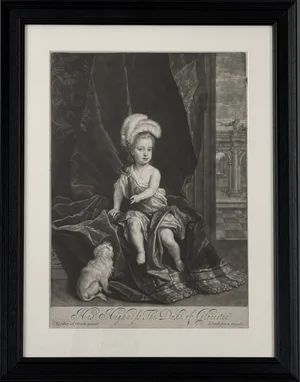
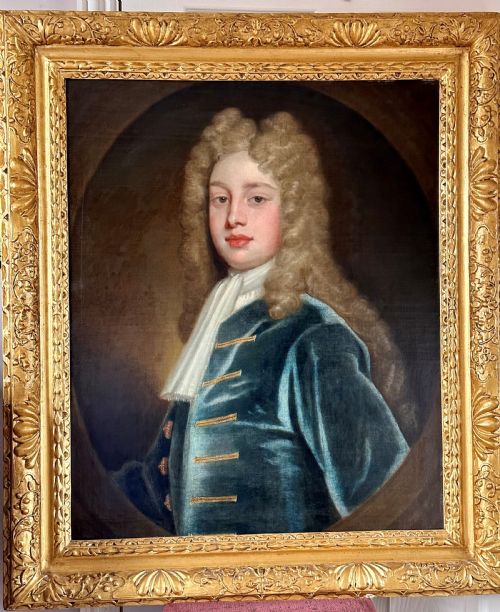
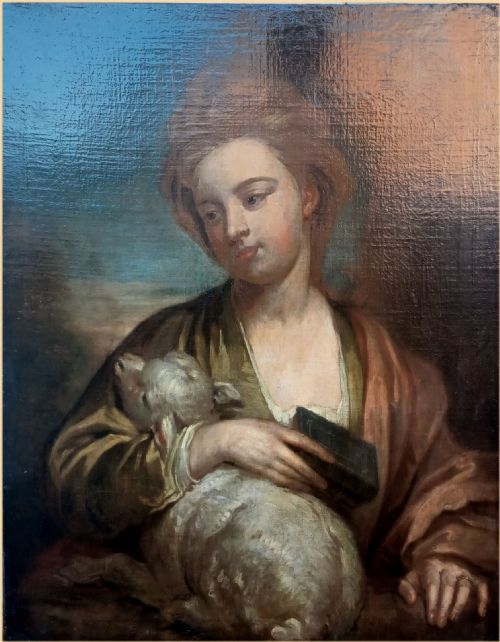
A godfrey kneller portrait captures the likeness of prominent historical figures from the late seventeenth and early eighteenth centuries, including kings, queens, poets and aristocrats. These oil paintings originate either from the master's own hand or from his studio, circle and followers who worked in the prevailing Baroque style.
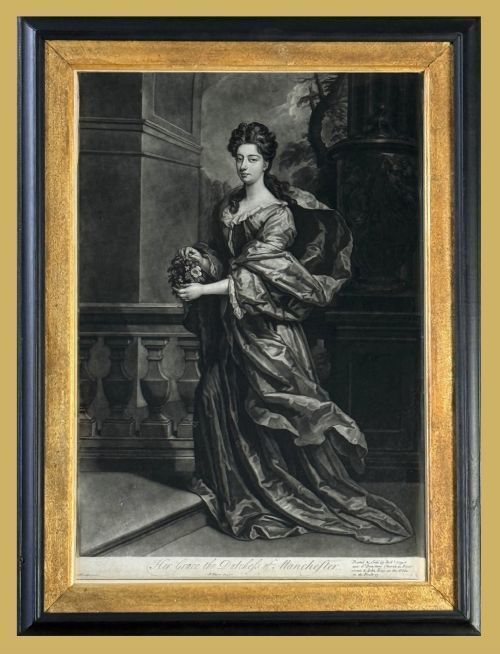
Buyers frequently encounter works produced by the artist's studio or associated circle rather than exclusively solo pieces signed by the master himself. Common subjects range from monarchs like King William III and Prince George of Denmark to titled ladies depicted in silk gowns or classical guises.
The surviving examples reflect the formal portraiture traditions of the British Baroque period, capturing sitters with grand periwigs, armour or flowing drapery. Such works connect collectors directly to the visual culture of the late seventeenth century and the early Georgian era.
How They Were Made
These works were created using oil paint applied to woven canvas supports, a standard technique for British portraiture of the period. Studios often employed assistants to lay down drapery and background elements before the master refined the primary facial likeness.
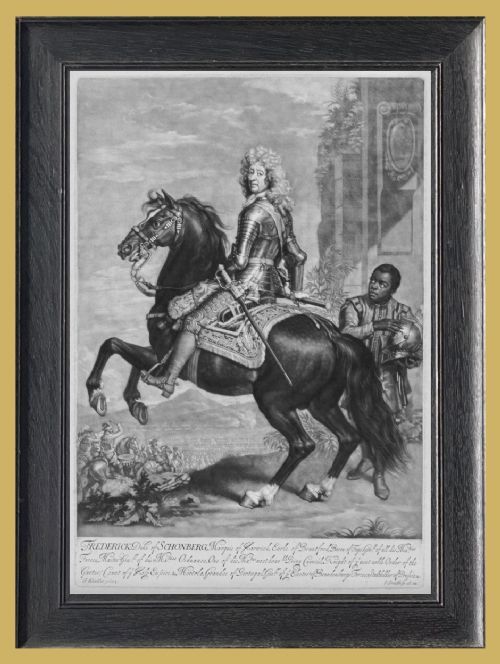
Finished canvases were typically housed in heavy giltwood frames, frequently carved to complement the grandeur of the Baroque composition. Mezzotint printmakers subsequently translated these painted compositions into popular printed editions.
Retail Price Guide 2026
Typical UK retail prices for godfrey kneller portrait, calculated from the Sellingantiques database of over a million retail prices indexed since 2003. This retail price guide relies exclusively on Sellingantiques data; no external sources or auction records are used, so the figures do not describe the wider market.
Materials recorded across these historical portraits include oil, canvas and antique giltwood frames.
What Varies in Quality
Quality in a godfrey kneller portrait rests upon the degree of direct participation by the master versus the output of his studio assistants. Solo-signed canvases with fully autograph handling command greater recognition than routine studio repetitions produced to satisfy high demand for elite likenesses.
The nuance in facial modeling, the lively rendering of silk and velvet garments, and the preservation of the original canvas and giltwood frame all separate superior survivals from standard workshop output.
Sir Godfrey Kneller·John Faber·John Smith
The Godfrey Kneller Portrait Glossary
- Baroque
- A grand seventeenth-century artistic style characterised by dramatic movement, rich colour and imposing scale. This aesthetic defined the visual splendour of court portraiture.
- Mezzotint
- A printmaking process that achieves rich tonal gradations through roughening and scraping a metal plate. Publishers used this technique to disseminate popular painted portraits.
- Studio
- A master painter's workshop where assistants and apprentices executed commissions under supervision. Many surviving works emerge from this collaborative environment.
- Giltwood
- Timber carved and coated with thin gold leaf to create ornate picture frames. These decorative surrounds often date contemporaneously with the paintings they enclose.
Frequently Asked Questions
How should I hang one?
Display these oil paintings on substantial walls away from direct sunlight and excessive heat sources to protect the delicate canvas and historic giltwood frame.
Ensure adequate wall fixings support the weight of both the heavy stretcher frame and its accompanying period housing.
What subjects appear most often?
Common subjects include royalty, military commanders, literary figures and titled aristocracy dressed in contemporary court attire or classical robes.
Figures range from monarchs like King William III to prominent duchesses, poets and members of influential political families.
How do I date these works?
Dating relies on the sitter's biography, costume details such as periwigs and silk gowns, and stylistic comparisons with documented studio records from the late seventeenth century.
Many examples sit firmly within the 17th Century and the opening decades of the 1700s.