

Stuart Period Oil Painting
A stuart period oil painting captures the rigid elegance and solemn gravity of seventeenth-century aristocracy on canvas or panel.
Stuart Period Oil Painting
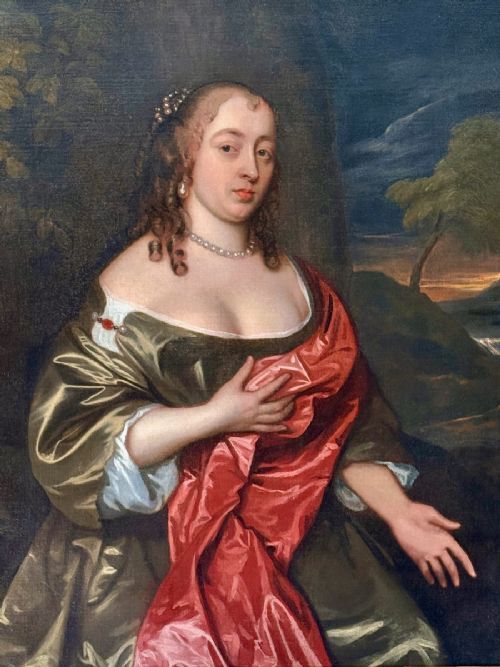
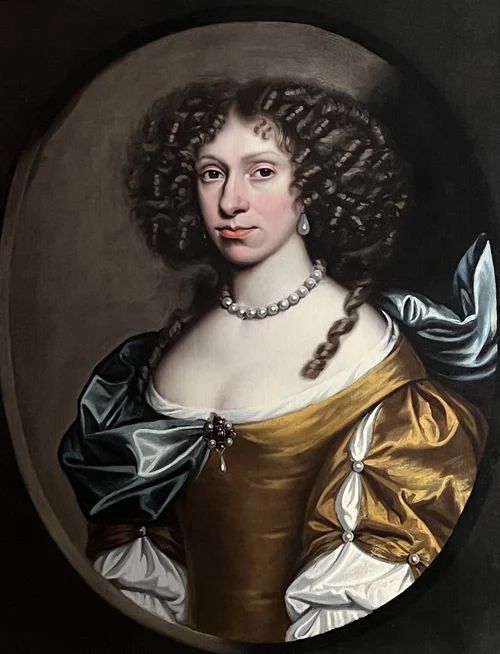
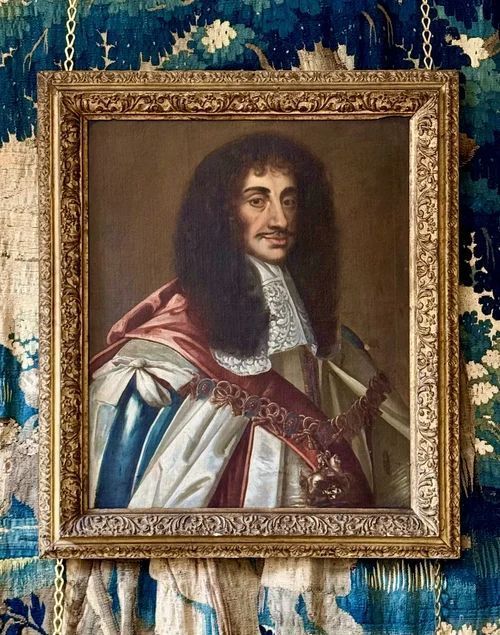
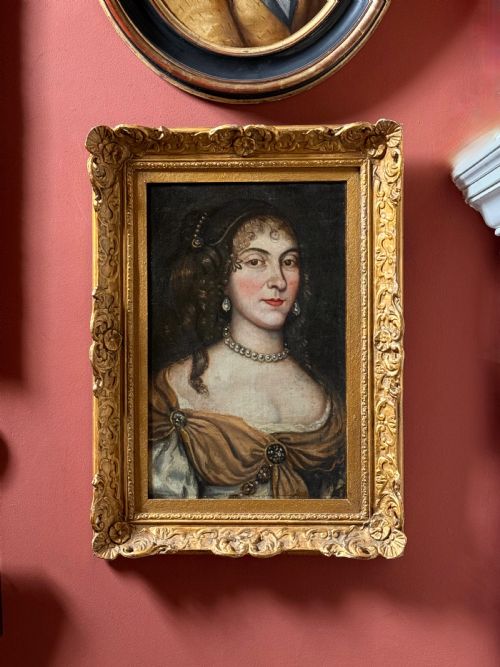
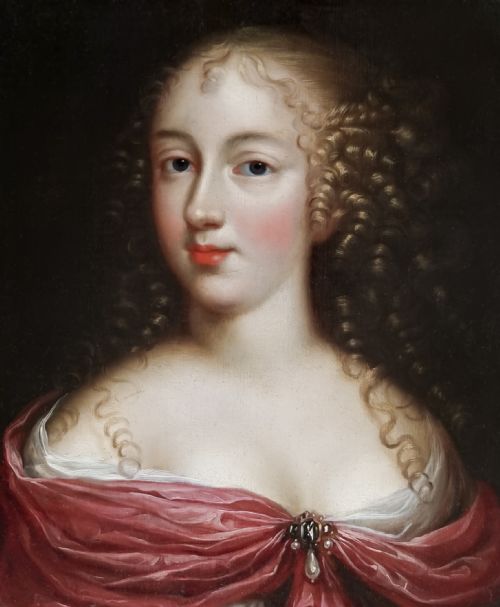
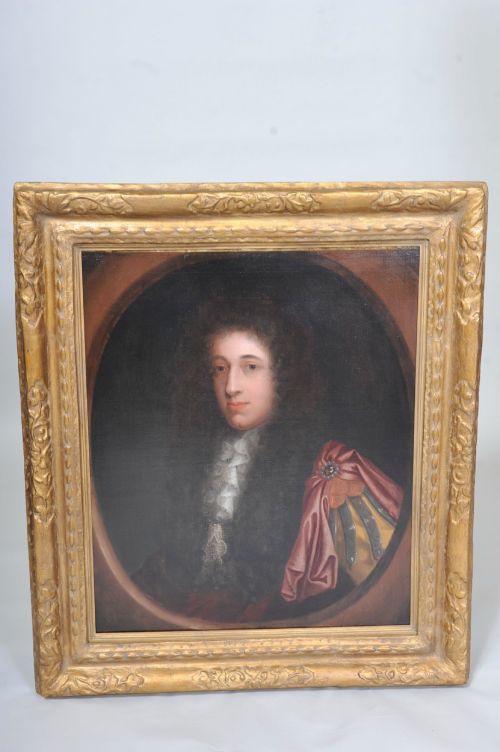
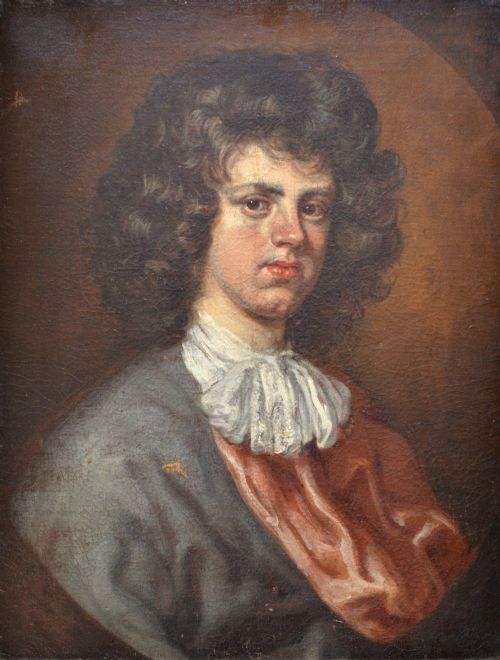
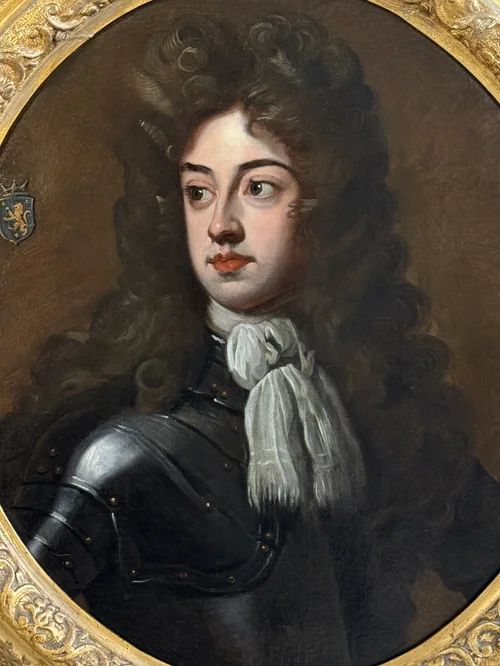
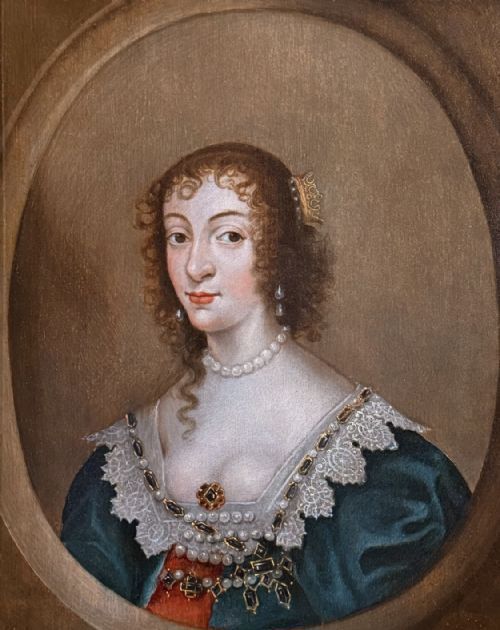
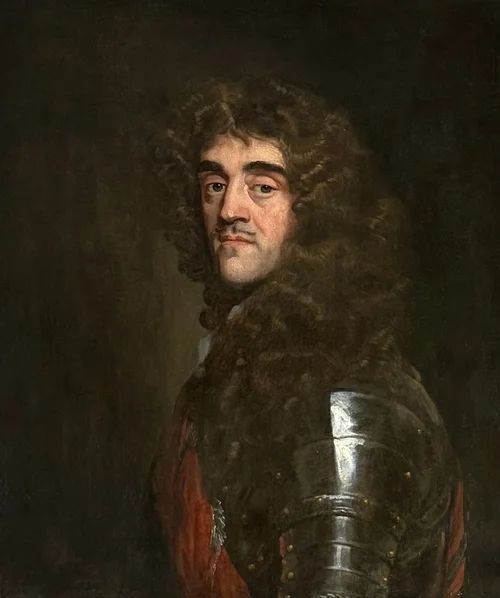
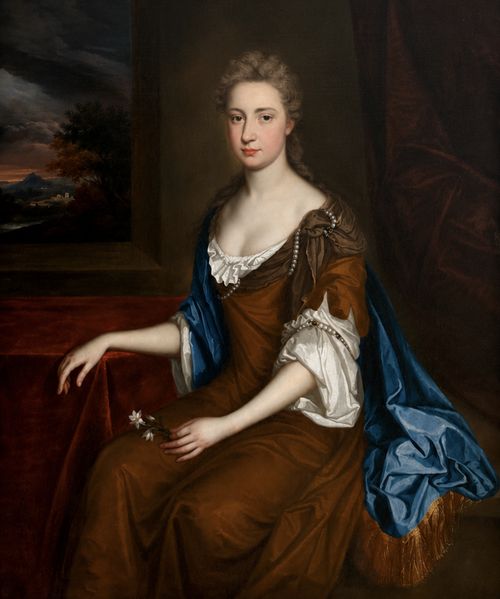
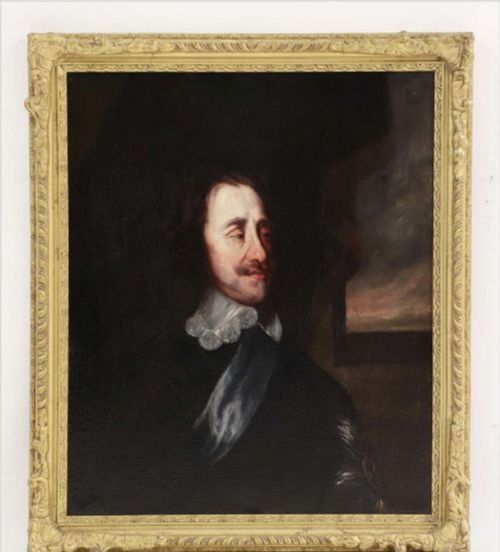
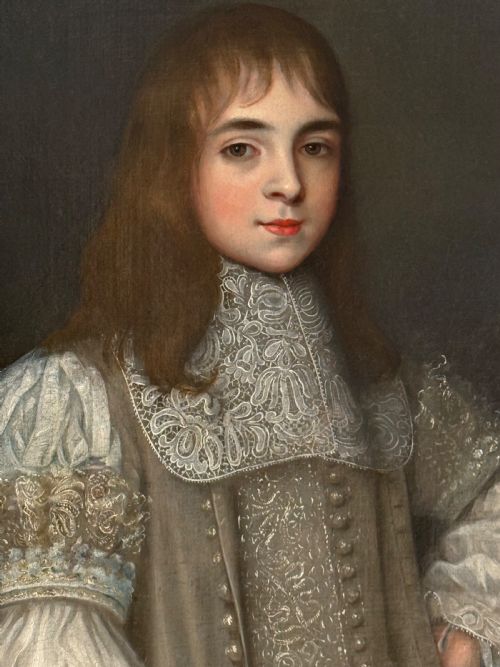
A stuart period oil painting typically takes the form of a formal portrait, recording nobles, monarchs, and notable gentlefolk in elaborate costume, lace, and armour. These works emerge from seventeenth-century studios reflecting Jacobean and Baroque influences across Britain.
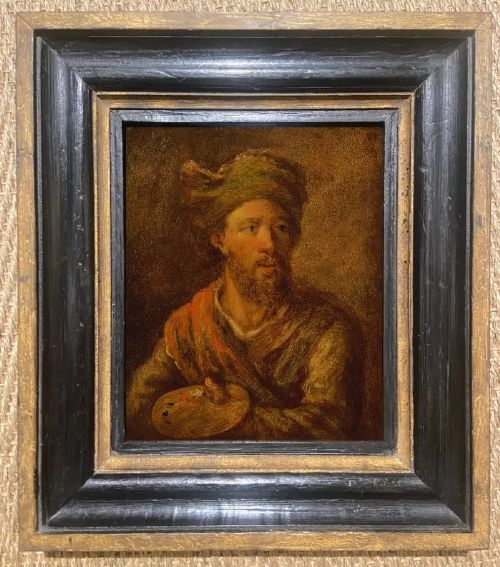
Buyers encountering this selection will predominantly find oil on canvas works, alongside occasional survivals painted on wood panels. Subjects range from half-length depictions of local gentry to grand representations of kings and earls.
Materials and technique
Artists of this era built their compositions using rich oil paint applied to woven canvas stretched over wooden frames or directly onto prepared timber panels. Giltwood and gold leaf frequently ornamented the heavy frames designed to house these historic portraits.
Workshops operated under master painters utilising assistants to layer pigments, mix flesh tones, and render intricate lace collars or velvet drapery. This collaborative studio practice ensured consistent output for demanding patrons across the realm.
Stuart Period Oil Painting Retail Price Guide 2026
Typical asking prices for stuart period oil painting among the pieces listed under this phrase on Sellingantiques today, from the lower quarter to the upper quarter. They describe what is for sale here now, not the wider market.
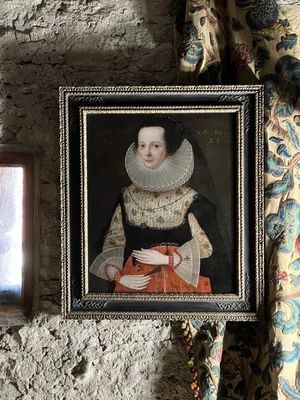
Several seventeenth-century subjects gaze outward while wearing stiff lace ruffs so massive they appear to be serving their own heads on a platter.
Distinctions in quality
The mastery of facial modelling and the lifelike quality of hands separate studio masterworks from routine provincial copies. Superior pieces capture personality and texture within the elaborate dress with confident brushwork.
Condition and the survival of original framing contribute substantially to the standing of a canvas. Intact historical surfaces without excessive overpaint retain the genuine character valued by serious collectors.
Sir Peter Lely·Sir Godfrey Kneller·John Greenhill·Mary Beale·Cornelius Johnson·John Michael Wright
The Stuart Period Oil Painting Glossary
- Baroque
- An artistic style of the seventeenth century characterised by drama, exuberant ornamentation, and deep chiaroscuro lighting effects. It heavily influenced portraiture during the later Stuart reigns.
- Giltwood
- Timber carved and coated with a thin layer of gold leaf or gold paint. Frames of this material define the presentation of grand seventeenth-century art.
- Panel painting
- An artwork executed on a flat piece of wood rather than stretched canvas. This older support method remained common during the early part of the century.
- Studio of
- A designation indicating a work produced under the direct supervision of a master artist. Assistants often contributed significantly to these pieces.
- Cavalier
- A term associated with the supporters of King Charles I, frequently denoting a male portrait subject with long hair, lace collars, and military attire.
Stuart Period Oil Painting: Frequently Asked Questions
What is a stuart period oil painting?
A stuart period oil painting is a seventeenth-century British artwork, most commonly a portrait depicting royalty, nobility, or gentry in period costume.
These pieces reflect the stylistic shifts from stiff Jacobean formality to flowing Baroque grandeur under successive monarchs.
Who painted these seventeenth century portraits?
Works were produced by prominent court painters, regional British schools, and busy urban workshops managed by master artists and their apprentices.
Many surviving canvases bear attribution to circles or followers of leading portraitists of the era.
How should I hang a stuart period oil painting?
These dark, rich canvases require stable wall spaces away from direct sunlight and rapid temperature fluctuations to protect the aged canvas and pigment.
Pairing the artwork with traditional lighting enhances the deep tones and elaborate gilt framing characteristic of the era.
How do I identify the period of the painting?
Dating relies on costume details such as lace collars, doublets, wigs, and armour, alongside recorded provenance and stylistic comparisons with known studio works.
Twentieth-century restoration records and canvas stamps also help confirm the historical context of the piece.