


Aristocrat Portrait Painting
An aristocrat portrait painting captures the dignified presence and status of historical figures through oil on canvas.
Understanding the genre
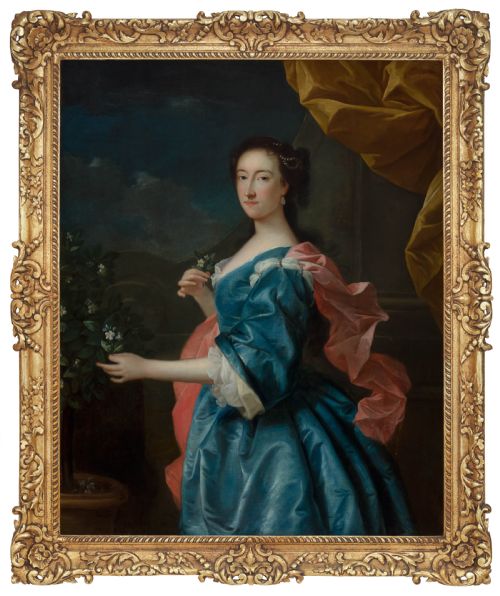
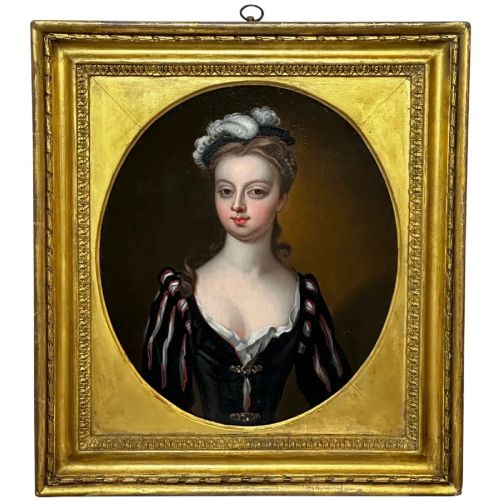
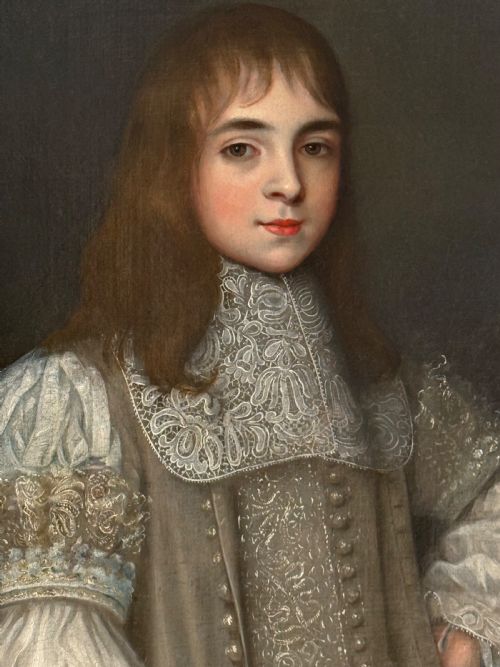
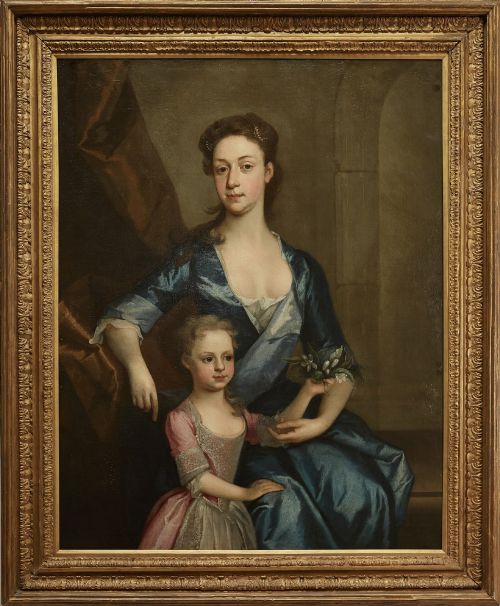
An aristocrat portrait painting depicts notable individuals from past centuries, capturing the social standing and attire of nobles and prominent figures. These works often show subjects in elaborate costumes, armour, or rich robes with symbolic accessories like orange trees.
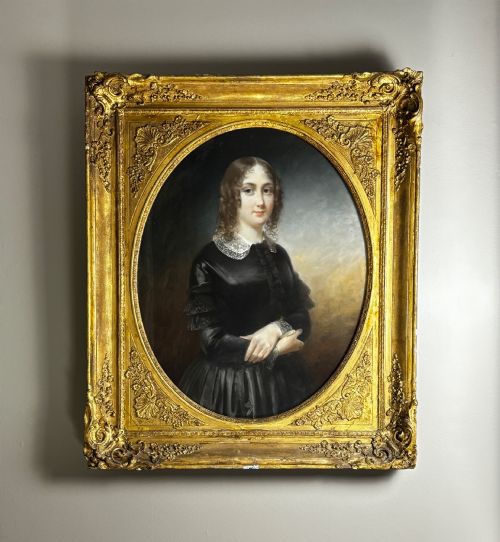
The selections available here span from the 17th century through the Victorian era, encompassing British Baroque, Georgian, and Rococo stylistic influences. Pieces range from British works to German and wider European school examples.
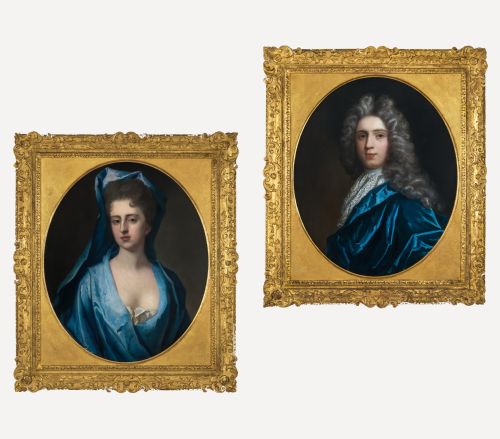
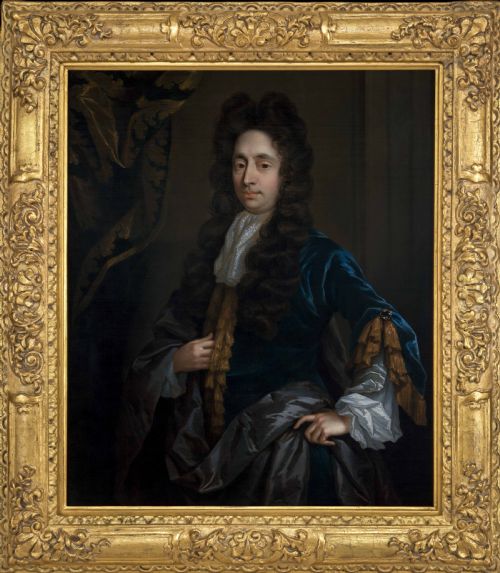
Buyers will encounter both framed canvases and specific depictions ranging from noble ladies to earls and gentlemen. The assortment reflects diverse historical eras including specific dates like seventeen fifty and the broader eighteenth century.
Materials and construction
These historical artworks are executed primarily using oil paint applied to canvas supports. This traditional technique allows for rich depth of colour, particularly visible in robes and detailed costume elements.
Framing is an integral component of the physical object, utilising materials such as wood, giltwood, gilt wood, and plaster. These decorative frames complement the formal nature of the painted subjects.
Retail Price Guide 2026
Typical UK retail prices for aristocrat portrait painting, calculated from the Sellingantiques database of over a million retail prices indexed since 2003. This retail price guide relies exclusively on Sellingantiques data; no external sources or auction records are used, so the figures do not describe the wider market.
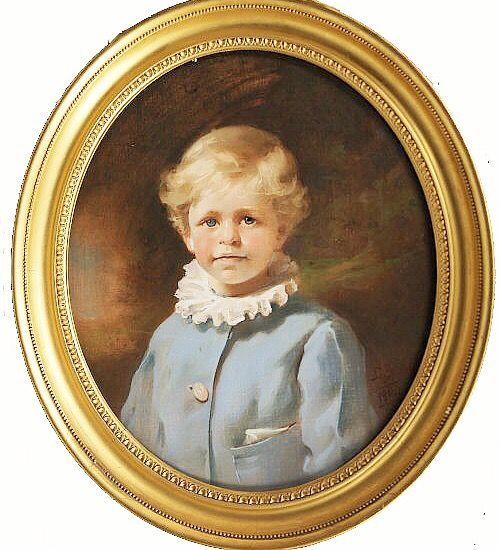
Listings feature oil paintings on canvas created during the 17th Century, 18th Century, and Victorian periods.
Assessing the work
The historical significance of the sitter and the attribution to a known artist or specific European school elevate the stature of a piece. Additionally, the preservation of the original canvas and the decorative integrity of the period frame contribute to the overall standard of the work.
Jeremiah Davison·John Michael Wright·David Scougall
The Aristocrat Portrait Painting Glossary
- Oil on Canvas
- A traditional painting medium where pigments are suspended in drying oils and applied to a stretched woven fabric support. This technique became dominant in Western art for its durability and rich tonal range.
- Giltwood
- Wood that has been carved and then covered with a thin layer of gold leaf or metallic powder. It frequently appears on ornate historical picture frames.
- Baroque
- An artistic style originating around the seventeenth century characterised by grandeur, drama, and rich detail. In portraiture, this manifests in dynamic poses and opulent textiles.
- Rococo
- An 18th-century style known for its ornate detail, elegance, and lighter decorative sensibility. It evolved from the Baroque and influenced portrait backgrounds and framing.
- Attributed To
- A term used when an artwork is considered by experts to be the work of a specific artist, though without absolute proof of documentation. It denotes strong stylistic similarities to a known master's verified output.
Frequently Asked Questions
What periods do these paintings cover?
The available artworks span several centuries, with particular representation from the seventeenth and eighteenth centuries alongside Victorian examples.
Specific dates within the listings include seventeen fifty and various decades of the 1700s and 1600s.
How were these portraits originally displayed?
Aristocratic portraits were traditionally hung in country houses, grand manors, and formal reception rooms to display lineage and social status.
They were housed in ornate wooden frames finished in gilt or plaster to enhance their commanding presence on a wall.
What materials are used in the frames?
Frames associated with these paintings are constructed from wood and embellished with plaster mouldings.
Many feature giltwood or gilt wood finishes that provide a metallic gold appearance suited to formal portraiture.
How can I tell different art styles apart?
Styles like British Baroque and seventeenth-century works often feature dramatic lighting and elaborate, stiff costumes denoting high rank.
Later Georgian, Rococo, and Victorian examples tend to introduce softer palettes, decorative backgrounds such as orange trees, or different stylistic markers of their respective eras.