
Rococo Portrait Painting
These rococo portrait painting examples capture mid-eighteenth-century aristocracy and nobility with distinct charm, offering tangible links to historical portraiture.
What They Are
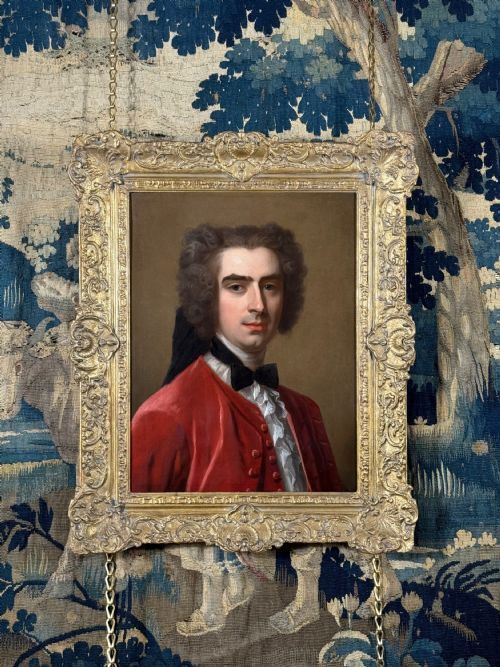
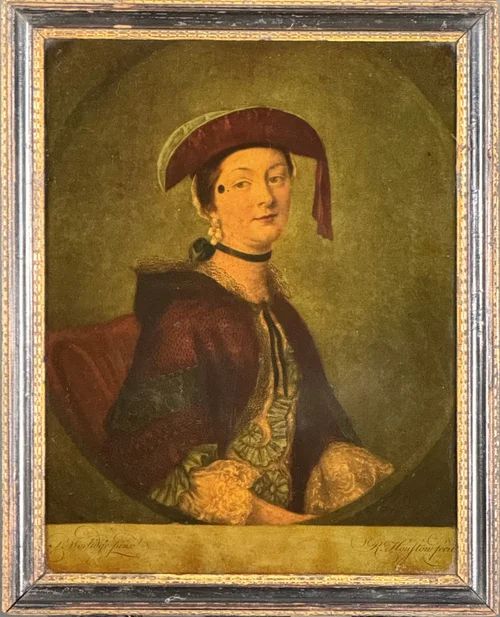
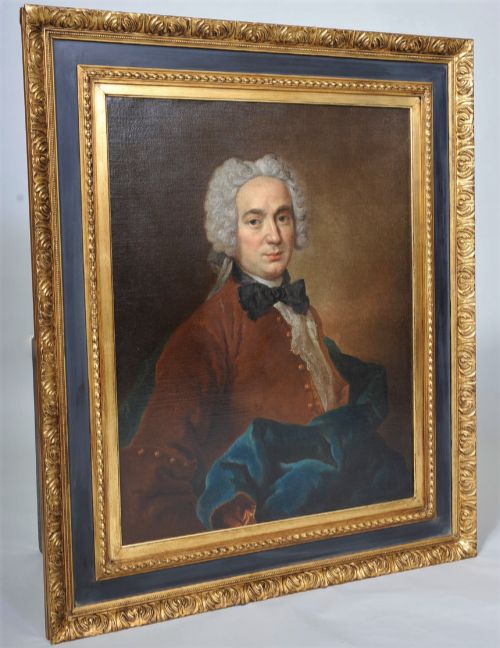
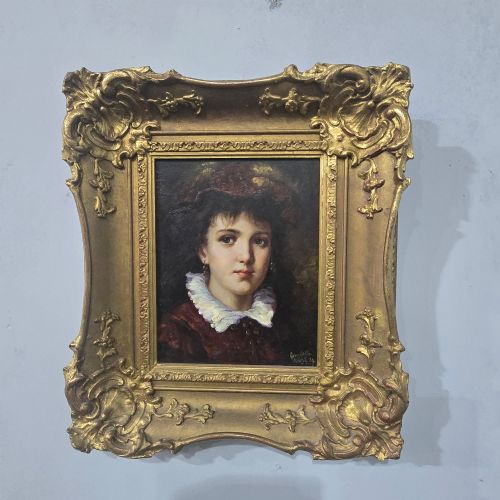
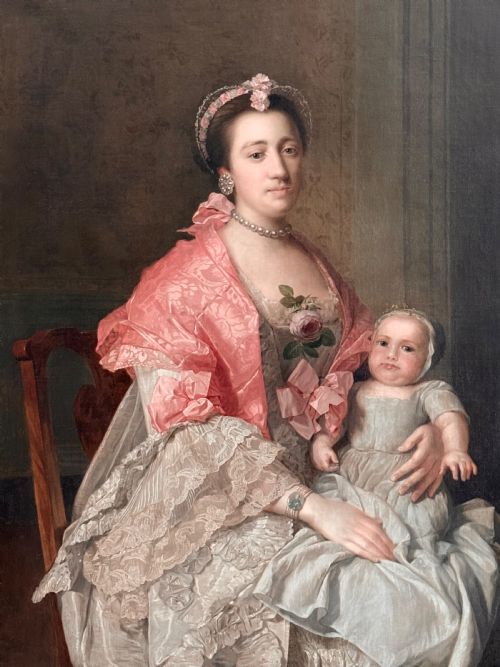
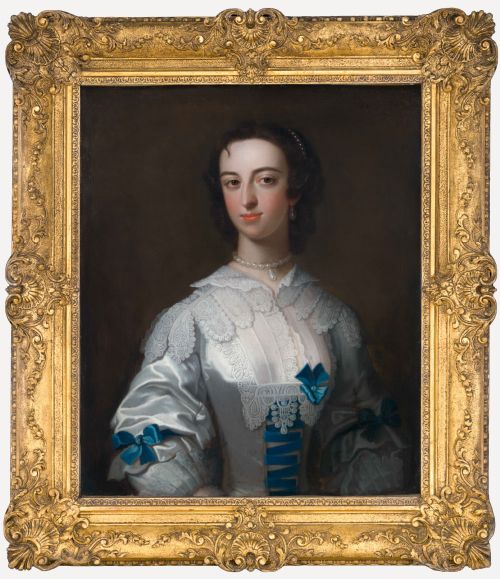
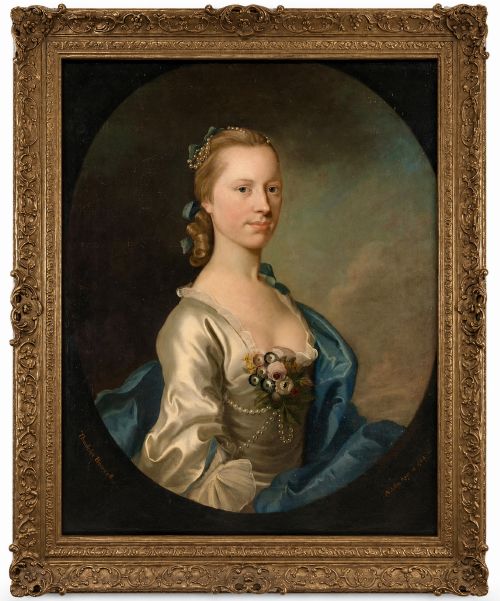
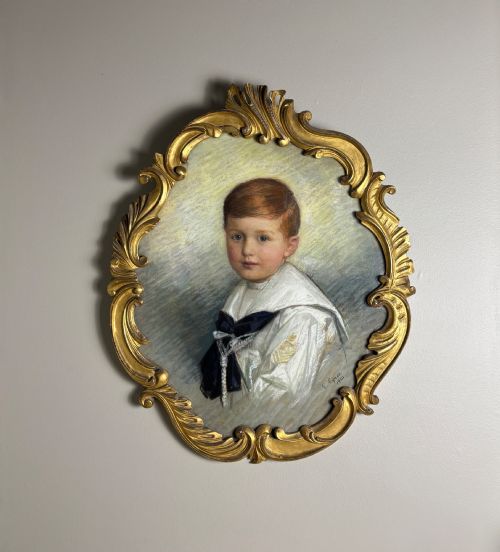
A rococo portrait painting typically dates from the eighteenth century, specifically around seventeen-fifty. These works depict subjects such as young gentlemen, aristocrats in armour, and young boys with toys.
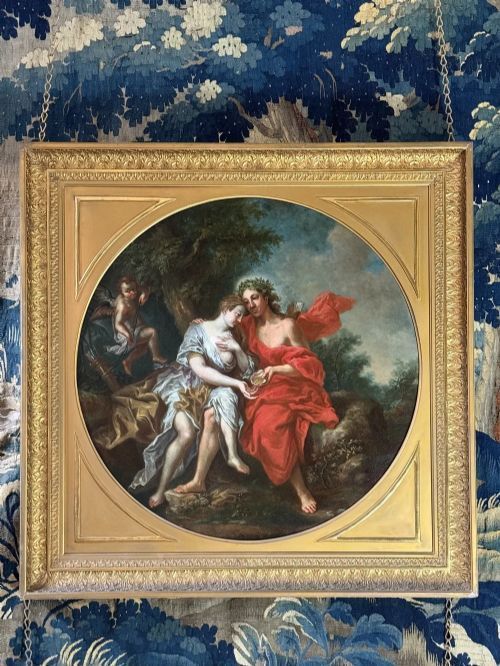
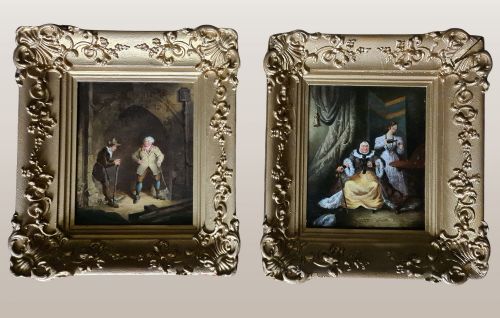
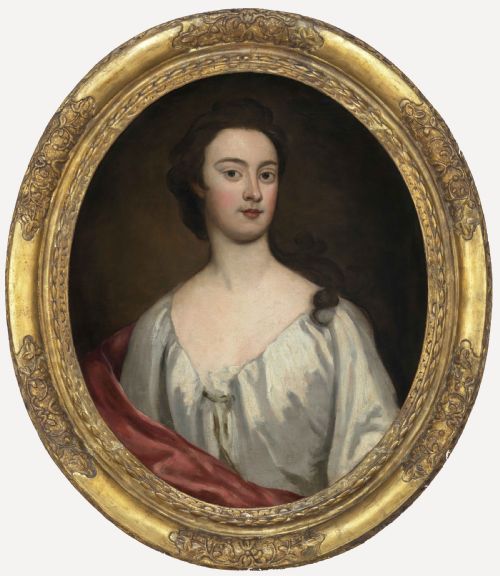
The objects on this page take the form of oil paintings on canvas, frequently housed within wooden or giltwood frames. Their styles reflect Georgian aesthetics and continental European schools of the mid-eighteenth century.
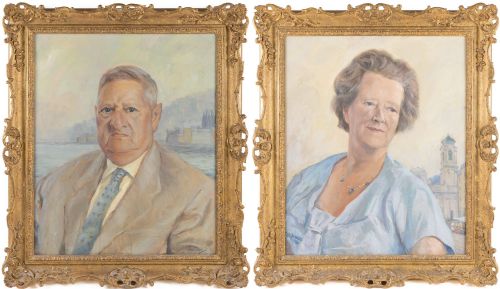
Subjects range from single figures to double portraits of ladies and gentlemen. Each piece provides a window into the portraiture conventions and clothing of the period.
How They Were Made
These works are executed using oil paints applied to stretched canvas surfaces. Artists of the period utilised traditional brushwork techniques to render fine details in fabric, armour, and facial expressions.
Frames accompanying these paintings are constructed from wood, frequently finished with giltwood surfaces. These frames complement the scale and visual weight of the canvas within.
Retail Price Guide 2026
Typical UK retail prices for rococo portrait painting, calculated from the Sellingantiques database of over a million retail prices indexed since 2003. This retail price guide relies exclusively on Sellingantiques data; no external sources or auction records are used, so the figures do not describe the wider market.
The documented periods span the eighteenth century and the specific year seventeen-fifty.
What Varies in Quality
Quality in these works rests upon the precision of the brushwork and the psychological depth of the sitter's expression. Pieces attributed to recorded painters demonstrate superior handling of light and fabric texture compared to anonymous school works.
The preservation of the original canvas and the integrity of the accompanying wood or giltwood frame influence the overall character of the piece. Subtle variations in pigment retention and surface cleaning alter how clearly the original palette reads.
Philip Mercier·Frans van der Mijn·Francis Hayman R.A.
The Rococo Portrait Painting Glossary
- Oil on Canvas
- A traditional painting medium where pigments are suspended in a drying oil and applied to a woven fabric support. This combination allows for rich blending of colours and lasting durability.
- Giltwood
- Wood carved and surfaced with a thin layer of gold leaf. This material creates a reflective, ornate border suitable for eighteenth-century art.
- Georgian
- The period of British history spanning the reigns of the four Georges, associated with specific architectural and decorative styles. It provides a broad chronological marker for items from this era.
- School
- A term used to describe a group of artists working in a particular region, style, or tradition, often under the influence of a master. It frequently designates works where a specific individual hand is unrecorded.
- Portraiture
- The art of depicting specific human subjects with attention to likeness and personality. It forms the core category of these historical artworks.
Frequently Asked Questions
What dates are these paintings from?
The works originate from the eighteenth century, specifically clustered around the mid-eighteenth century and the year seventeen-fifty. This period aligns with the height of the rococo style in European art.
Such dating derives from stylistic evidence, artist lifespans, and historical records associated with the specific sitters or schools represented.
Who are the subjects depicted?
Subjects include aristocrats in armour, young gentlemen, and children such as a young boy with a spinning top. Double portraits featuring a lady and gentleman together also appear.
These figures reflect the social classes and commissioning habits of patrons during the Georgian era.
What materials make up the frames?
Frames are constructed from wood, with many examples featuring giltwood finishes. These materials provide structural support and decorative framing suited to the canvas.
The combination of wood and gold leaf enhances the visual prominence of the artwork when hung.
How do school attributions work?
Attributions to a specific school indicate that a painting was produced within the sphere or style of a particular region's artistic community. This classification groups works by stylistic similarities rather than a confirmed single hand.
Such labels help contextualise anonymous pieces created during the same historical period.