

Blue Dress Portrait
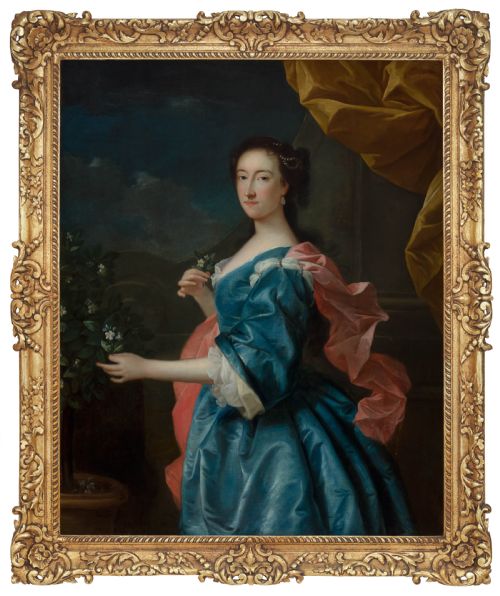
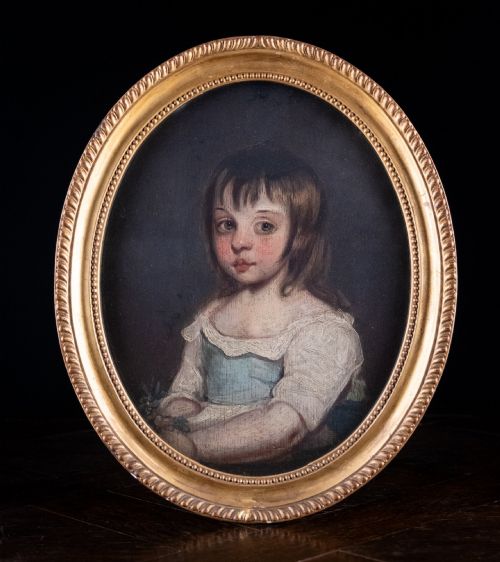
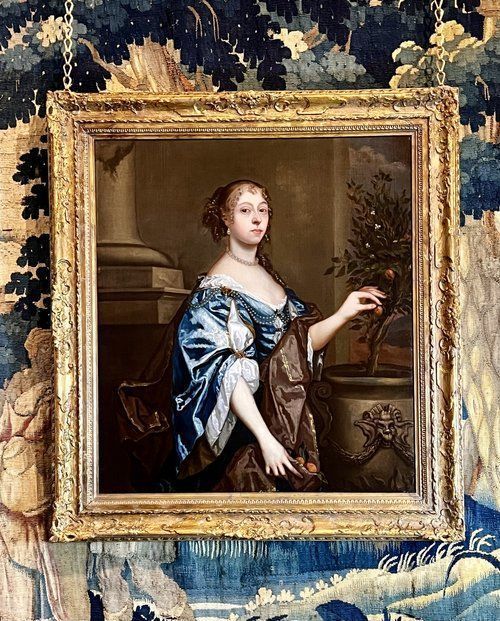
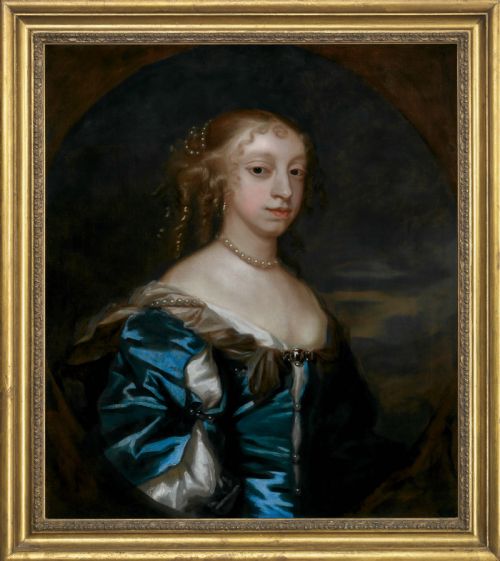
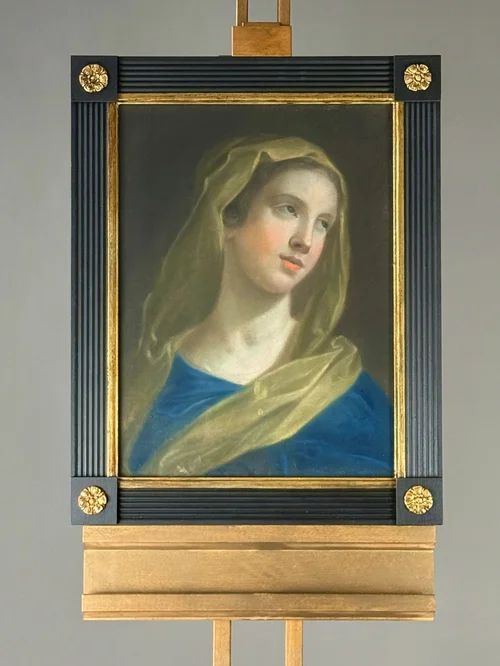
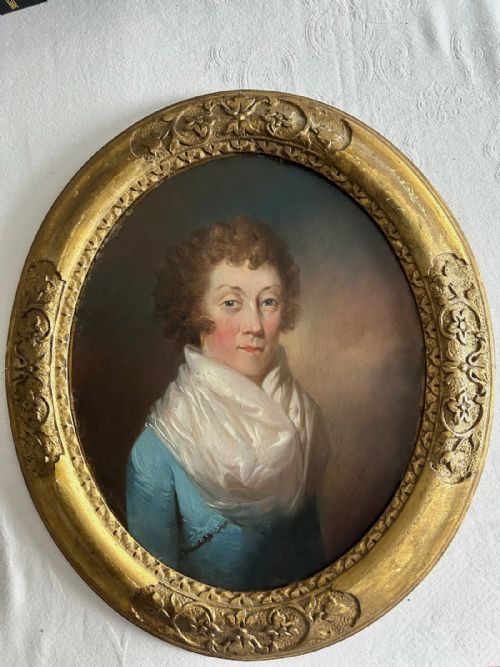
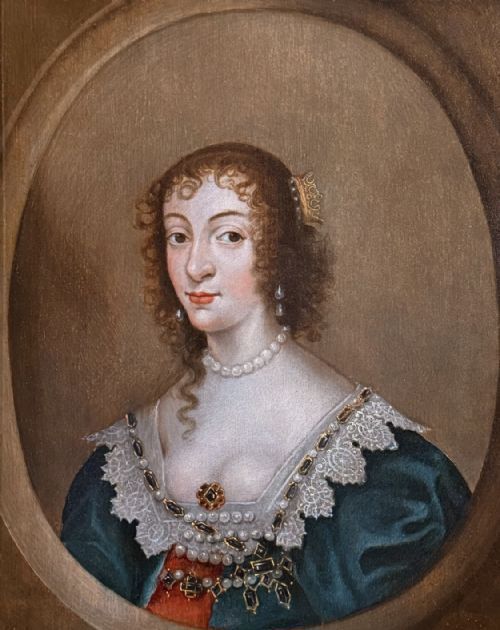
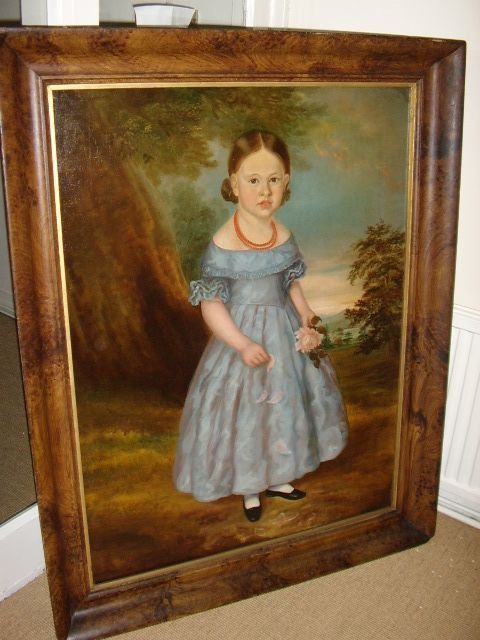
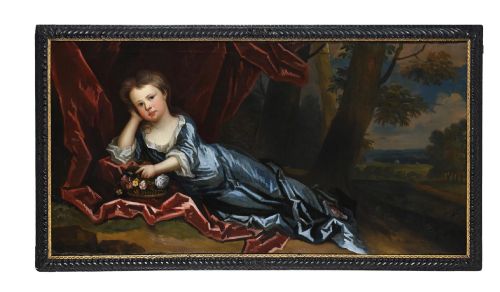
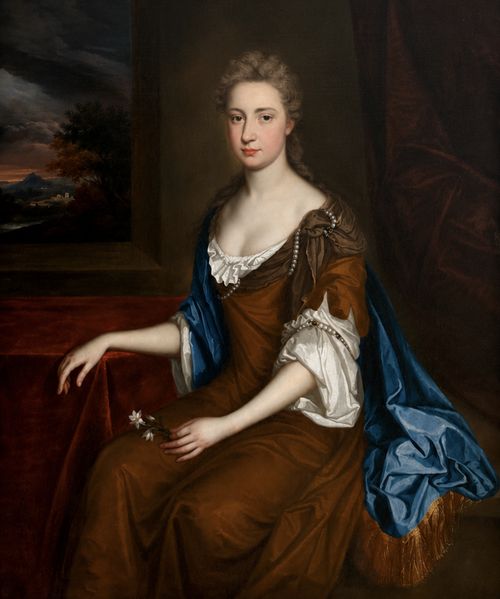
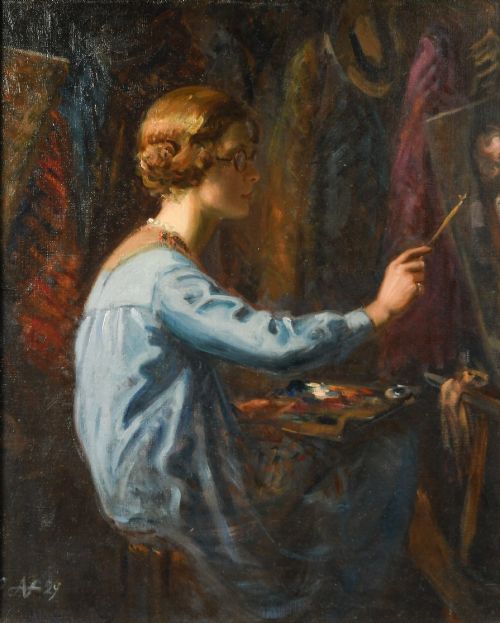
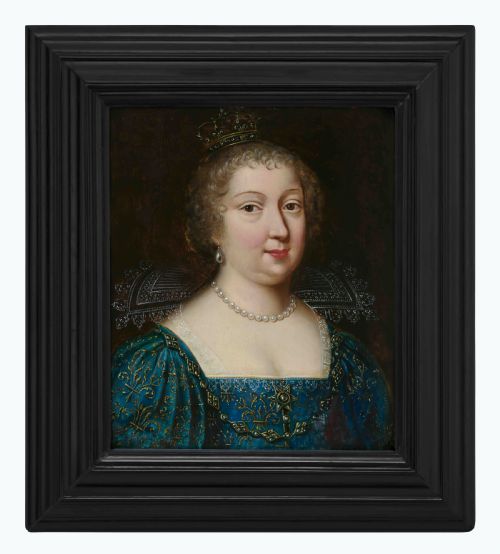
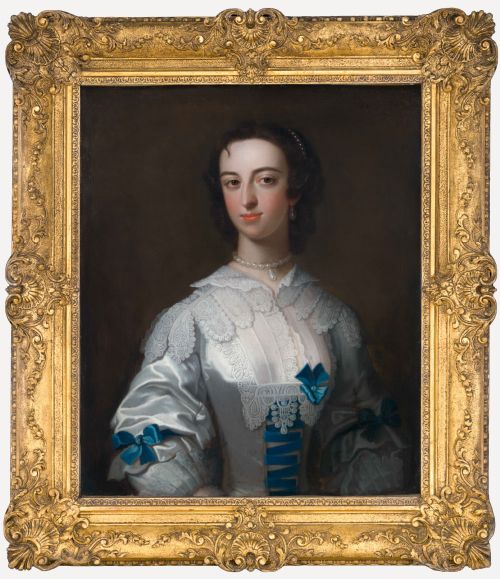
A blue dress portrait captures a subject in vibrant indigo or cerulean drapery, offering a timeless focal point for any interior.
Understanding the blue dress portrait
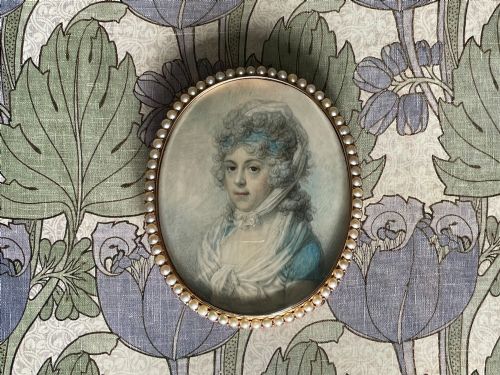
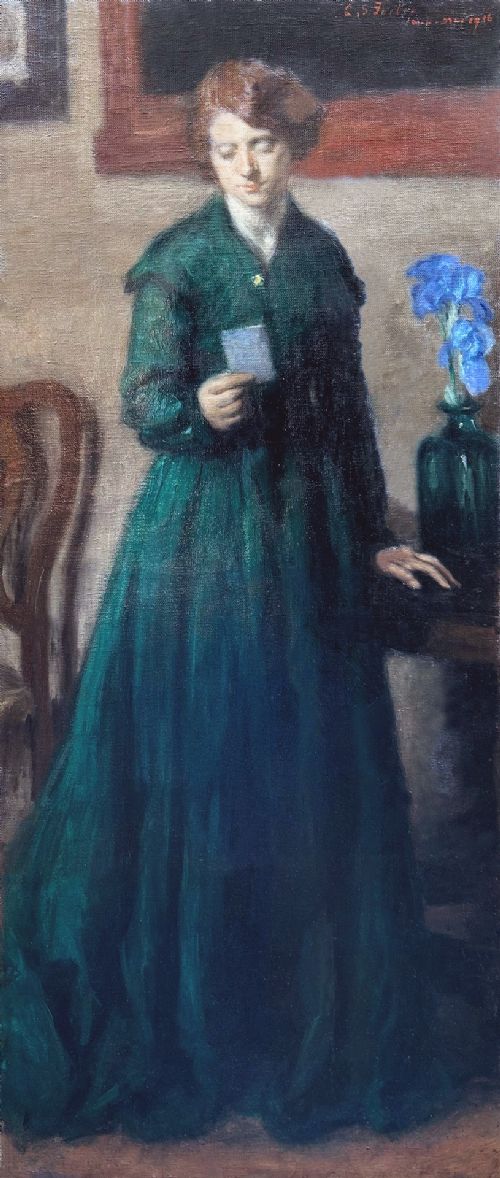
The historical scope stretches from the late seventeenth century through the 18th Century, 19th Century, and into the early 20th Century. Earlier examples often present subjects in rich silk drapery, while later periods introduce informal watercolours and detailed portrait miniatures framed in glass and gilt metal. Regional British provincial schools and continental European works appear alongside notable studio pieces.
Materials and technique
Artists built these works using oil paint applied to stretched canvas, watercolour pigment fixed to paper, or pastel chalks on prepared surfaces. Canvases frequently sit within original or period-appropriate giltwood and ebonised frames.
Miniature portraits utilise fine pigments on specialist supports, protected beneath glass and often mounted in gilt metal bezels. The application of pigment relies on layered glazes to achieve the luminescent quality of blue silk and satin fabrics.
Retail Price Guide 2026
Typical UK retail prices for blue dress portrait, calculated from the Sellingantiques database of over a million retail prices indexed since 2003. This retail price guide relies exclusively on Sellingantiques data; no external sources or auction records are used, so the figures do not describe the wider market.
The inventory encompasses Georgian grand manner canvases alongside intimate Victorian portrait miniatures.
The markers of distinction
Original framing and well-documented provenance strengthen a work's integrity. The depth of pigment preservation and the stability of the canvas or paper support determine the enduring visual strength of the painting.
Jeremiah Davison·Enoch Seeman·Jonathan Richardson·Sir Peter Lely·Charles D Agar·Thomas Murray·Michael Dahl·Herman Verelst·Mary Beale·John Theodore Heins·Charles Jervas·Thomas Bardwell·Sir Godfrey Kneller·Henry Pickering·Joseph Highmore·Joan Carlile·Vincent Galloway·John Michael Wright·Sir Joshua Reynolds·John Downman·William Hoare
The Blue Dress Portrait Glossary
- Portrait miniature
- A small-scale painting executed on ivory, vellum, or card, highly detailed and usually encased in a protective frame. These intimate works were often kept as personal tokens or worn as jewellery.
- Giltwood
- Wood that has been coated with a thin layer of gold leaf or gold powder over a prepared gesso base. This finish provides the ornate, reflective borders typical of period picture frames.
- Mantle
- A loose cloak or wrap worn over the shoulders, frequently rendered in contrasting blue silk or velvet within portraiture to add colour and dramatic movement. Artists utilised this garment to soften rigid formal postures.
- Provenance
- The documented history of ownership of an antique object, tracing its path from creation to the present day. Clear provenance confirms authenticity and historical context.
Frequently Asked Questions
How should I hang an oil portrait?
Select an interior wall away from direct sunlight and fluctuating heat sources to protect the canvas and historic giltwood frame.
Ensure the hanging fixings match the weight of the frame and secure them firmly into wall studs or appropriate masonry plugs.
What periods do these portraits cover?
The available selection spans from the 17th century through the Georgian and Victorian eras up to the early 20th century.
Each era brings distinct clothing styles, painting techniques, and framing materials that reflect the prevailing aesthetics of the time.
How do I care for a watercolour portrait?
Keep works on paper behind glass out of direct daylight to prevent the watercolour pigments from fading over time.
Maintain stable humidity levels in the room to protect both the delicate paper support and the surrounding mount.
What is a portrait miniature?
A portrait miniature is a small, highly detailed painting designed for intimate viewing rather than large wall display.
These works often feature delicate watercolour or pigment on paper or card, protected beneath glass within a compact metal or ebonised frame.