

Antique Portrait with Dog
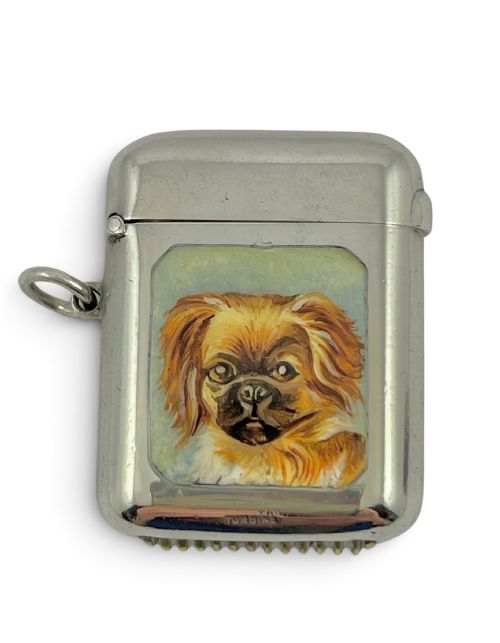
An antique portrait with dog captures the enduring bond between people and their canine companions across centuries of fine and folk art.
Antique Portrait with Dog
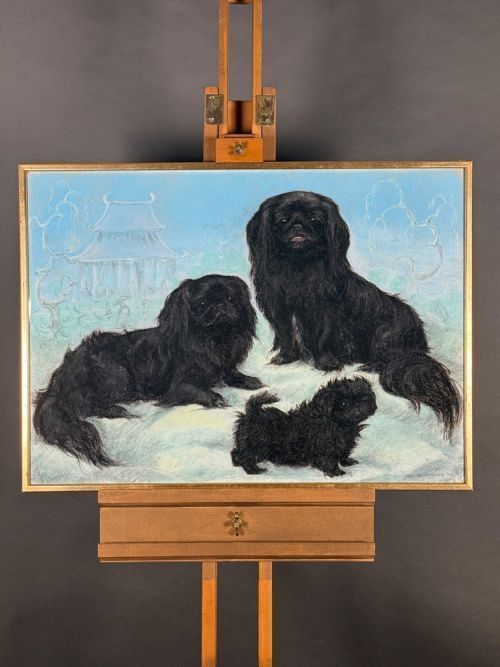
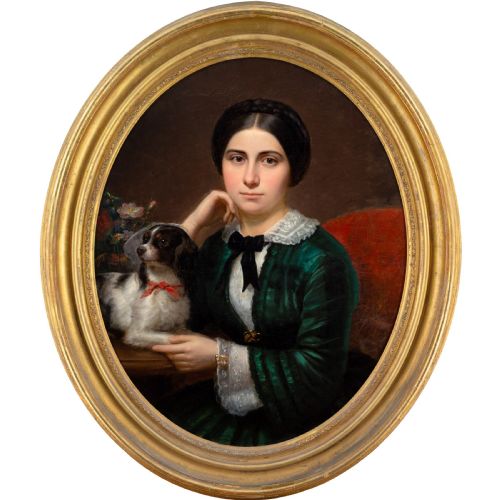
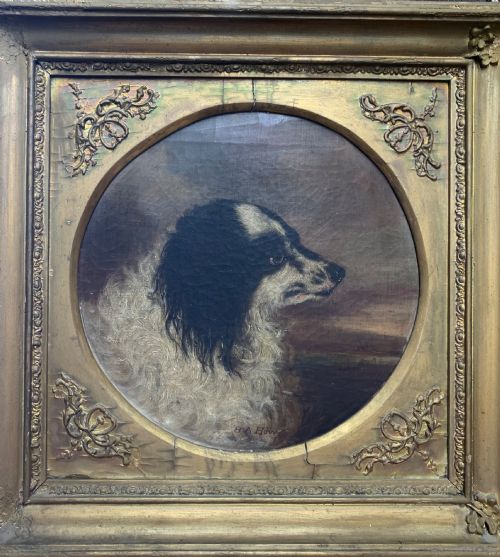
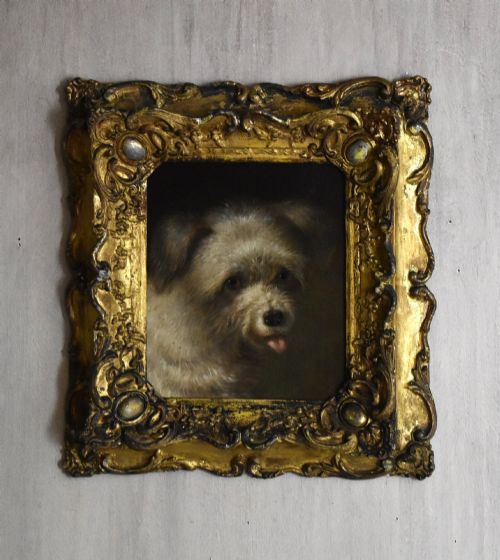
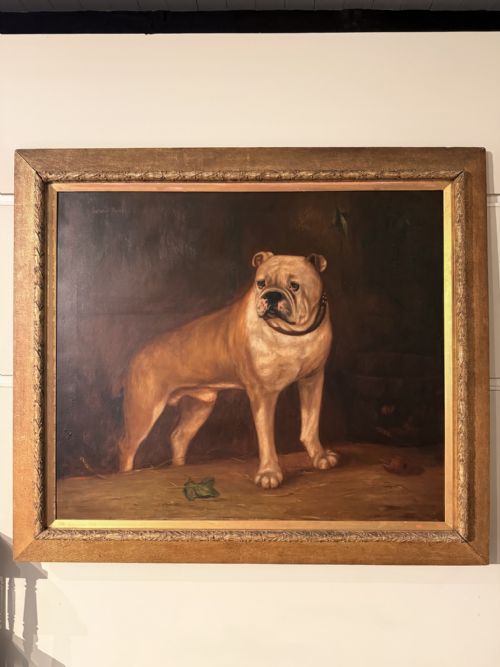
An antique portrait with dog brings together human sitters and their pets, ranging from grand aristocratic commissions to intimate provincial works. These pieces capture the social status, affection, and personal identity of the subjects through the inclusion of a faithful hound, spaniel, or terrier.
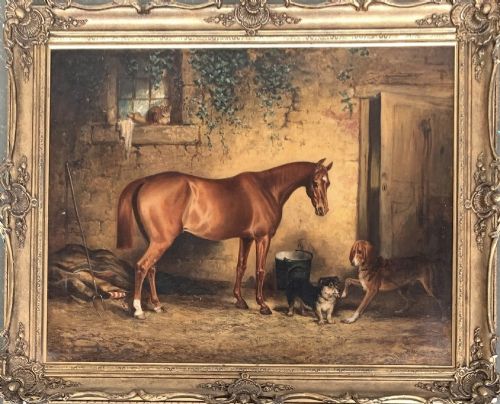
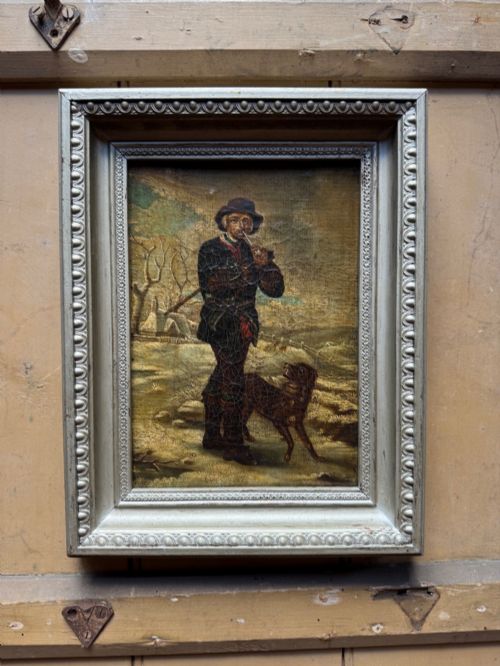
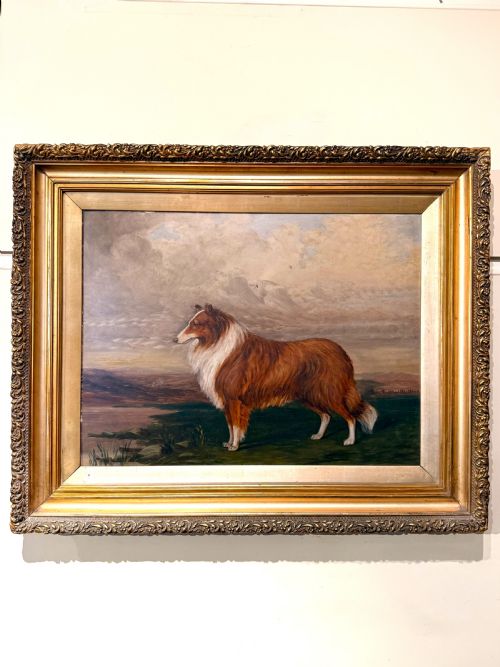
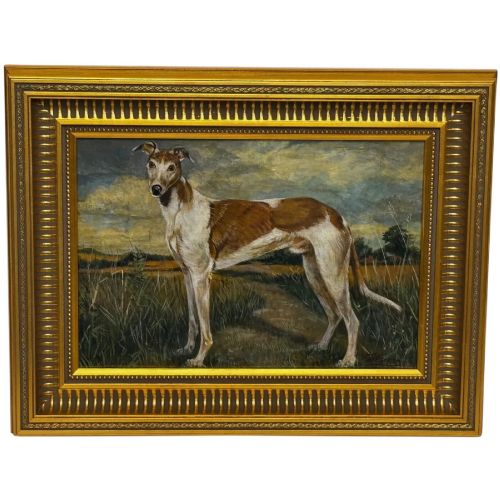
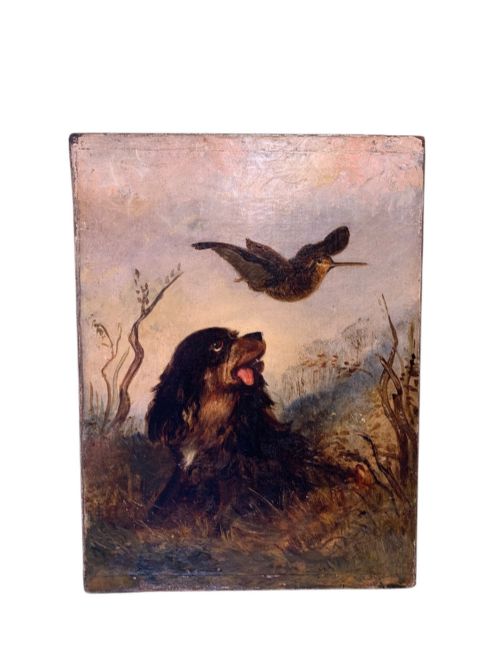
Most examples encountered on this page stem from the nineteenth century, including Victorian oils and naive watercolours, alongside eighteenth-century Georgian and seventeenth-century provincial works. The canine subjects vary from working gundogs and sporting pointers to pampered lapdogs depicted beside children, gentlemen, and ladies.
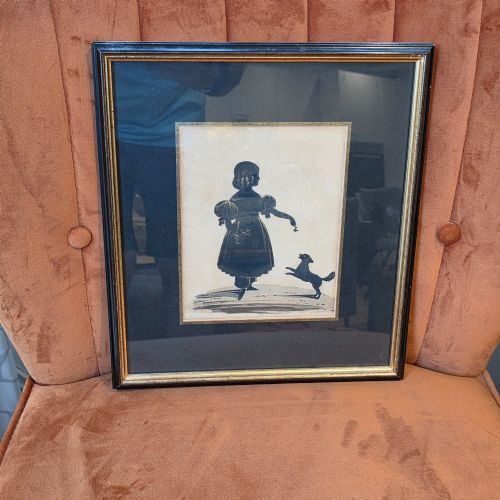
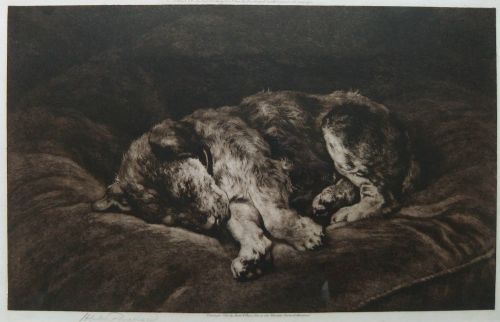
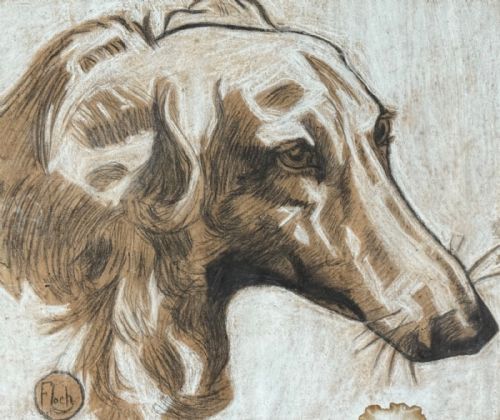
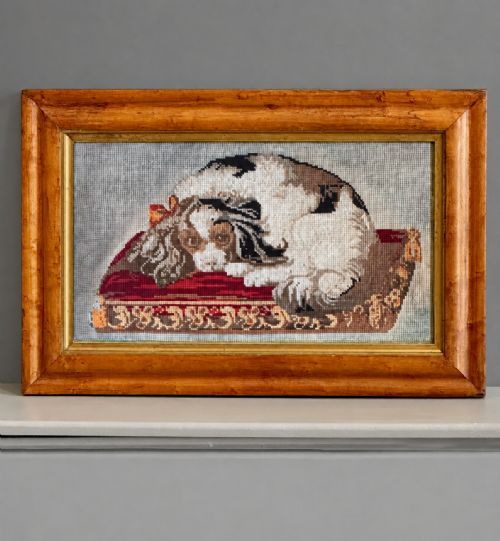
The formats span oil paintings on canvas, framed prints, and delicate paper drawings, reflecting the diverse ways artists recorded these companions. Whether executed with academic precision by listed portraitists or rendered with charming simplicity by anonymous hands, each piece preserves a distinct historical relationship.
How they were made
Artists primarily employed oil paint applied to stretched canvas or wood panels, building rich layers of colour to render both human sitters and the glossy coats of their dogs. Watercolours and pastels on paper also appear frequently, offering a lighter touch for intimate domestic scenes and preparatory sketches.
Framing played a crucial role in the presentation of these works, with many pieces housed in original gilded wood or giltwood frames that complement the period aesthetic. The integration of canvas supports and traditional pigments dictated the longevity of these portraits, allowing the brushwork of both master painters and naive hands to survive intact.
Goldfish make an unexpected cameo sharing domestic space with a loyal hound in a 19th-century watercolour.
What varies in quality
The distinction between standard works and exceptional pieces lies in the anatomical accuracy of the subjects and the psychological depth of the depiction. Superior paintings capture the individual expression and texture of the animal's fur alongside the lifelike demeanor of the human sitter, rather than relying on generic formulas.
Provenance and attribution elevate certain works, particularly when a painting is linked to a documented hand or a known sitter with a recorded history. The handling of light, shadow, and background detail - such as country houses or pastoral landscapes - further separates ambitious academic art from simpler provincial efforts.
John Sargent Noble·Samuel Raven·J F Marie Huet Villiers·John Horsburgh·John Alfred Wheeler·Mary Beale·J Cecil Bradshaw·Paul Jones·Henri Schouten·Thomas Beach·Richard Waitt·Charles Bilger Spalding·Frank Owen Salisbury·George Romney·Richard Buckner·Thomas Blinks·Samuel John Egbert Jones·Francis Alleyne·Daniel Mytens
The Antique Portrait with Dog Glossary
- Naive art
- Artwork characterised by a childlike simplicity of perspective and line, often produced by self-taught provincial painters. These pieces offer direct charm and unpretentious social history.
- Giltwood
- Wood that has been treated with a thin layer of gold leaf or gilt powder. It provides a bright, reflective border that enhances antique oil paintings.
- Provenance
- The documented history of ownership of an antique object. A clear pedigree adds significant historical weight to a portrait.
- Gundog
- A type of hunting dog bred to find and retrieve game, frequently featured beside sporting gentlemen in period oils. These animals symbolise active country pursuits and wealth.
- Pastel
- A medium consisting of powdered pigment mixed with a binder and pressed into sticks. It creates velvety, soft-toned portraits on paper.
Antique Portrait with Dog: Frequently Asked Questions
What periods do these dog portraits come from?
The listings span from the seventeenth century through the Georgian and Victorian eras up to the early twentieth century.
This broad chronological range encompasses seventeenth-century provincial works, eighteenth-century aristocratic oils, and nineteenth-century naive watercolours.
How can I tell a professional painting from naive art?
Professional works display an adherence to academic perspective, anatomical precision, and subtle blending of oil paint on canvas.
Naive pieces embrace flat planes of colour and simpler proportions, relying on charm and directness rather than strict realism.
What dog breeds appear most often in these works?
Spaniels, terriers, pointers, and hounds dominate the canine subjects, reflecting the popularity of hunting dogs and loyal household pets.
Breeds like the Cavalier King Charles spaniel and various terriers frequently sit beside children and elegant ladies.
How should I care for an antique oil painting?
Keep canvas works away from direct sunlight and dramatic fluctuations in temperature and humidity to prevent cracking of the oil paint.
Dust the gilded wood frames gently with a dry, soft brush and avoid using liquid cleaners on the painted surface.