


17th Century Child Portrait
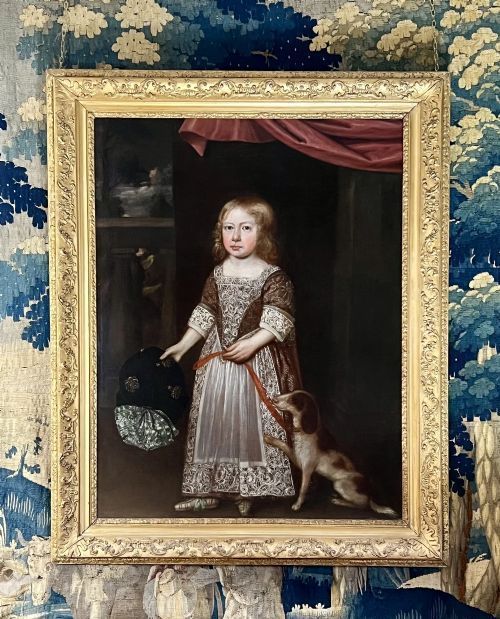
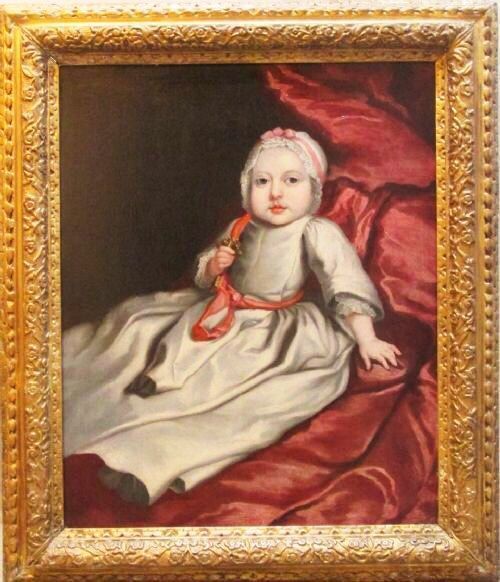
A 17th century child portrait captures the earnest gravity and stiff formality of early childhood through the rich medium of oil paint.
17th Century Child Portrait
A 17th century child portrait brings young subjects into view through oil paintings executed on canvas, often housed within heavy giltwood frames. These works capture boys and girls rendered with the solemn composure typical of the period, frequently accompanied by pets or symbolic objects.
The pieces listed here span the 16th century through the 18th century, reflecting the broader currents of Baroque, Dutch Golden Age, and English Baroque styles. Northern European schools and studio circles predominate, showing young royalty, nobles, and children of the gentry.
What varies in quality
The distinction between a studio piece and the work of a master painter lies in the fluidity of the brushwork and the psychological depth of the young subject's face. Lesser works rely on formulaic repetition of poses and stiff drapery, whereas accomplished hands capture individuality and light with precision.
Condition and originality play a significant part, particularly the preservation of the canvas and the integrity of the original giltwood frame. The handling of textiles, lace, and background details such as gardens or interiors separates standard workshop output from exceptional examples of the period.
King Charles spaniels appear so often as companions in these portraits that the dogs practically outnumber the human subjects.
Michael Dahl·Mary Beale·Johann Kerseboom·Beaubrun·Largilliere·Abraham Lambertsz van den Tempel
The 17th Century Child Portrait Glossary
- Baroque
- A stylistic period of the seventeenth and early eighteenth centuries known for drama, grand scale, and rich surface detail in painting.
- Giltwood
- Timber, often carved, that has been coated with a thin layer of gold leaf or gold paint to create an ornate frame.
- Studio or Circle
- Designations used when a painting originates from the workshop of a known master or closely follows their specific manner.
- Oil on Canvas
- A traditional painting method utilising pigments suspended in a drying oil medium applied to a stretched cloth support.
17th Century Child Portrait: Frequently Asked Questions
How do I date a 17th century child portrait?
Dating relies heavily on the clothing styles, hair arrangement, and associated objects depicted in the canvas. Examining the construction of the stretcher frame and the type of canvas weave also provides clues.
Comparison with documented works by known painters or studio circles helps narrow down the decade. Pigment analysis can further confirm the period of the materials used.
Why did people paint children with animals?
Animals in early portraits carried specific symbolic meanings, such as loyalty represented by dogs or worldly status shown through exotic birds. Dogs also served to keep young sitters still during long painting sessions.
Including a pet added a touch of warmth and domestic realism to formal compositions. These companions helped soften the austere presentation expected of aristocratic youth.
How should I hang an oil painting on canvas?
Hang the piece away from direct sunlight and fluctuating heat sources to protect the delicate oil paint and canvas. Use professional wall fixings suited to the weight of the heavy giltwood frame.
Ensure the painting hangs at eye level on a stable interior wall where humidity remains relatively constant. Regular inspection of the backboards and fixings prevents accidental damage.
What is the difference between a studio piece and a master work?
A master work represents the direct hand of a celebrated painter, featuring superior execution in facial expression and detail. Studio pieces were often produced by assistants or followers adhering to the master's established composition.
While studio pieces share the visual language of the period, master works command greater attention for their artistic autonomy. Both hold significant historical value within the corpus of fine art paintings.